Harlan Kilstein

  • Elton John and John Lennon: A Testament to True Friendship and Musical Brilliance

    Elton John and John Lennon: A Testament to True Friendship and Musical Brilliance

    When we think of rock legends, Elton John and John Lennon often come to mind. Their friendship, though brief, was nothing short of magical. In the mid-1970s, these two iconic musicians shared a bond that Elton later described as a “whirlwind romance.” It felt like a dream come true as they laughed and reminisced about their favorite radio shows and songs from the ’50s and ’60s.

    Elton once said that John was a “fountain of knowledge,” and their connection was filled with love and mutual admiration. Despite its short-lived nature, their friendship left an indelible mark on both their lives and the music world. This unique bond between two of rock’s greatest icons is a testament to the power of shared passions and genuine connection.

    When did John Lennon and Elton John first meet?

    Elton John and John Lennon first met in 1973 at a concert in London. John Lennon, already a fan of Elton’s work, attended the concert and was deeply impressed by Elton’s performance. They were introduced backstage, where their mutual admiration quickly evolved into a genuine friendship. Bonding over their shared love for music from the 1950s and 1960s, they found a common ground in their dedication to pushing artistic boundaries.

    Their friendship was instant and profound. Both musicians admired each other’s talents, with Lennon calling Elton a “genius” and Elton considering Lennon a major influence on his work. This meeting marked the beginning of a series of collaborative projects and personal connections that would deeply impact both of their careers and lives.

    In 1974, their bond strengthened further during the “Lost Weekend,” a period when Lennon separated from Yoko Ono and moved to Los Angeles.

    Lennon collaborated with Elton on multiple occasions during this time, most notably on the single “Whatever Gets You Thru the Night.” Elton invited Lennon onstage at Madison Square Garden in November 1974 for a surprise performance, which became Lennon’s last major public concert appearance. This moment is remembered as a historic milestone in rock history, symbolizing their unique bond.

    Their collaboration extended beyond music, influencing each other in various ways. Lennon credited Elton for re-energizing his passion for performance, while Elton drew inspiration from Lennon’s fearless songwriting. This partnership showcased the best of both artists while cementing their status as icons in the music world.

    Although their friendship was brief, and Lennon tragically passed away in 1980, the impact of their bond remains significant. Elton has often spoken about their friendship, cherishing the moments they shared and the influence Lennon had on his life and career.

    Why did they hit it off?

    Elton John and John Lennon hit it off due to shared interests and mutual admiration. Both artists had a deep love for ’50s and ’60s rock ‘n’ roll music, which served as a common ground. This shared musical foundation laid the groundwork for their friendship. John Lennon described their relationship as a “whirlwind romance,” indicating the intensity and immediacy of their bond.

    Another factor contributing to their connection was their complementary personalities. Lennon’s kind, generous nature resonated with Elton, who was also known for his generosity and kindness. Elton often fondly recalled how they “just hit it off immediately.” They enjoyed each other’s company and shared moments of creative collaboration, such as their duet on “Whatever Gets You Thru The Night.”

    This duet, recorded in 1974, was significant not just for its musical impact but also for solidifying their friendship. When the track became a hit, Lennon kept his promise to perform on stage with Elton at Madison Square Garden. This performance marked Lennon’s last concert appearance before his tragic death in 1980, adding a poignant layer to their already historic collaboration.

    Their relationship went beyond music, involving personal support and shared experiences. For example, during Lennon’s “Lost Weekend” period, Elton provided both inspiration and companionship. They navigated personal and professional challenges together, enhancing the bond between them.

    This deep, multifaceted friendship left a lasting legacy for both artists. Even after Lennon’s passing, Elton continued to cherish their time together and appreciate the profound influence Lennon had on his life and career. Their story speaks to the powerful connection that can form between artists who share mutual respect and a love for their craft.

    Did John Lennon and Elton John ever collaborate?

    John Lennon and Elton collaborated in a significant way with the track “Whatever Gets You Thru The Night.” This venture started in 1974 at the height of Lennon’s post-Beatles career, a period when critics praised his work. Lennon invited him to the studio, merging their talents. He lent his vocal harmonies and played piano on the track, bringing his own flair to Lennon’s signature style.

    The collaboration had more than just musical importance. Despite the critical acclaim Lennon’s solo work garnered, commercial success often eluded him. This situation led to a friendly wager between them. If the song reached number one on the charts, Lennon agreed to join Elton on stage. When “Whatever Gets You Thru The Night” topped the Billboard Hot 100, Lennon honored his promise. They performed together at Madison Square Garden, marking Lennon’s last major concert appearance.

    The audience at Madison Square Garden that night witnessed a once-in-a-lifetime spectacle. Lennon performed three songs: “Whatever Gets You Thru The Night,” “Lucy in the Sky with Diamonds,” and “I Saw Her Standing There.” This moment wasn’t only musically significant but also played a role in Lennon’s personal life. The performance acted as a catalyst for his reconciliation with Yoko Ono, making it a night of professional and personal importance.

    The impact of this performance extended beyond the night itself. While fleeting relationships often occur in the music industry, Lennon and Elton’s connection remained strong, characterized by mutual respect. They didn’t see each other regularly after this performance, but their bond stayed evident. Their collaboration and live performance left a lasting legacy in the music world, demonstrating the powerful synergy between two iconic artists.

    Apart from this historic night, their friendship also influenced their respective careers. Lennon’s influence on Elton provided a boost during critical moments, and their collaboration elevated the musical landscape of the 1970s. The night at Madison Square Garden remains a highlight in rock history, symbolizing the end of an era for Lennon and a testament to the enduring friendship between these two legends.

    ‘Lucy in the Sky With Diamonds’

    “Lucy in the Sky With Diamonds” is another testament to the strong bond between Elton John and John Lennon. This iconic song, written by Lennon for The Beatles, sparked much speculation about its true meaning, with many believing it endorsed LSD. However, Lennon maintained it was based on a drawing by his son Julian.

    Elton John decided to cover this classic track and aimed to infuse it with his unique style. Despite Lennon’s original indifference towards the song, he agreed to contribute to Elton’s version. He lent his talents under the pseudonym Dr. Winston O’Boogie, a nod to his playful nature and desire not to overshadow Elton.

    Elton’s cover became immensely successful, topping the US Hot 100 for the first two weeks of January 1975. Lennon’s subtle yet significant contributions boosted the track’s appeal. Lennon provided backing vocals and played guitar, though his input stayed discreet, honoring his wish to let Elton shine.

    The collaboration didn’t end in the recording studio. On November 28, 1974, Lennon and Elton performed the song live at Madison Square Garden. This appearance marked one of the rare occasions Lennon performed live during that period, making it unforgettable for fans. Dressed in a black suit and playing a black Fender Telecaster, Lennon’s stage presence was electrifying.

    The connection between Lennon and Elton extended beyond music. After their collaboration, John and Yoko invited Elton to be their son Sean’s godfather, cementing their bond in a more personal realm. This gesture highlights the depth of their friendship, transcending professional boundaries.

    ‘Whatever Gets You Through the Night’

    The 1974 collaboration on “Whatever Gets You Thru the Night” brought Elton John and John Lennon closer as friends and musicians. This track became Lennon’s first No. 1 single in the US, marking a significant achievement in his solo career. Elton bet Lennon that if the song hit No. 1, Lennon would join him on stage at Madison Square Garden for a live performance.

    On November 16, 1974, “Whatever Gets You Thru the Night” topped the Billboard Hot 100. True to his word, Lennon performed with Elton at Madison Square Garden during Thanksgiving. The event became historic as it was Lennon’s last major concert appearance. They performed three songs together: “Whatever Gets You Thru the Night,” “Lucy in the Sky with Diamonds,” and “I Saw Her Standing There.”

    Lennon’s participation in the concert was more than a fulfillment of a bet. It symbolized the deep bond and mutual respect between two iconic artists. Lennon later admitted he hadn’t fully believed the song would reach No. 1. However, he spoke fondly of the experience, highlighting the spontaneity and excitement of performing live with a close friend.

    Their onstage collaboration resonated beyond music. Lennon’s return to the stage that night played a role in his reconciliation with Yoko Ono. This event marked a turning point in his personal life, showcasing the impact of his friendship with Elton.

    The song’s success and the memorable live performance at Madison Square Garden encapsulate the unique and profound connection between Elton John and John Lennon. Their bond, forged through music and personal moments, left an indelible mark on the history of rock and roll.

    Why was their intense friendship so short-lived?

    Elton John and John Lennon’s friendship flourished through their musical collaborations and personal connections. Despite these deep ties, their intense friendship was surprisingly short-lived, mainly due to the unpredictable nature of fame and their individual circumstances.

    One contributing factor was Lennon’s reclusive lifestyle post-1975. After the birth of his son, Sean, Lennon stepped back from the music industry to focus on his family. This period of domesticity, known as his “househusband” years, minimized his public appearances and interactions, affecting many of his friendships, including his connection with Elton.

    Elton’s demanding career schedule also played a role. By the mid-1970s, Elton’s career was at its zenith, with constant touring and recording commitments. This hectic pace limited opportunities for the two to spend time together. In an industry driven by continuous public engagements, personal relationships often face strains, and theirs was no exception.

    The geographical distance further compounded their challenges. Lennon resided mostly in New York City, while Elton’s base was in the UK. Unlike today, when digital communication can bridge long distances, living on opposite sides of the Atlantic made spontaneous meetings impossible, thereby affecting the sustainability of their friendship.

    Additionally, both icons struggled with personal demons. Lennon faced ongoing battles with substance abuse and his public persona, while Elton encountered his own challenges with addiction and mental health. These intense personal struggles at different times hampered their ability to maintain consistent contact and emotional support.

    Though their friendship was brief, it was deeply impactful. Their collaborations, shared moments, and mutual respect left an indelible mark on both their lives and careers. Even if the intensity of their connection faded over time, the legacy of their bond continues to resonate within the music industry and beyond.

    The two eventually drifted apart

    Elton John and John Lennon eventually drifted apart. There wasn’t any real drama; instead, life simply got in the way. Lennon got back together with Yoko Ono, and their son Sean was born in 1975. Naturally, Lennon spent more time with his family, which led to less interaction with friends, including Elton.

    Despite the distance, Lennon didn’t completely forget about Elton. He asked Elton to be Sean’s godfather, reinforcing the depth of their bond. As time went on, both artists focused on their careers and personal lives. Lennon’s reclusiveness and dedication to family contrasted with Elton’s busy career, marked by tours and recording sessions.

    In a 2020 interview with Sean Lennon, Elton reminisced about their whirlwind friendship. He described it as a wonderful, two-to-three-year period that significantly impacted his life. Elton shared how Lennon’s kindness and generosity helped him gain confidence. Their immediate connection and mutual respect made their brief but intense friendship memorable.

    From pivotal musical collaborations to personal milestones, their time together left an indelible mark on both artists. Their eventual drift didn’t erase the strong bond they once shared. Through memories, stories, and mutual respect, the profound friendship between Elton John and John Lennon endures.

    Elton After the Death of John Lennon

    The tragic and untimely death of John Lennon on December 8, 1980, deeply affected me. I lost not just a friend but a significant source of inspiration. To pay tribute, he performed a heartfelt rendition of Lennon’s song “Empty Garden (Hey Hey Johnny).” In 1982, he dedicated his album Jump Up! to Lennon’s memory, reflecting the void his passing left in my life and the music world.

    John’s impact on Elton went beyond personal loss. His fearless spirit and profound songwriting continued to shape my career and artistic journey. Despite his absence, his influence remained, guiding my musical evolution. Their friendship and collaboration highlighted the power of artistic camaraderie and mutual inspiration.

    The loss of Lennon was a shared grief within the music community. Stevie Wonder announced John’s death to fans at a concert, a heartbreaking moment that underscored the widespread sorrow. The void left by John’s death was felt not just by me but by everyone who admired his genius.

    John’s son, Sean Lennon, later asked Elton to be his godfather. This was a testament to how much our friendship meant despite the distance that had grown between John and me over time. Being Sean’s godfather kept a part of John close to him, serving as a constant reminder of our bond.

    Through the years, remembering John has been both painful and inspiring. His legacy continues to influence Elton’s work and the broader music scene. Their friendship, brief yet intense, left a lasting imprint on his life, and he always strived to honor it through music and actions.

    Empty Garden


  • John Lennon’s “Imagine”: The Hidden Story Behind the Iconic Peace Anthem
    John Lennon’s “Imagine”: The Hidden Story Behind the Iconic Peace Anthem

    In a 1980 BBC interview, Lennon acknowledged Ono’s contribution to the song, saying she should’ve been credited on the title track. Lennon’s humility and generosity mirrored the song’s themes of peace and unity, further solidifying its place in music history.

    John Lennon After the Beatles

    After the Beatles disbanded in 1970, John Lennon embarked on a solo career that profoundly influenced music and culture. His first major solo album, John Lennon/Plastic Ono Band, released in December 1970, showcased a raw, minimalist style with deeply personal lyrics. Tracks like “Mother” and “Working Class Hero” reflected his tumultuous childhood and anti-establishment views.

    Lennon’s solo career skyrocketed with the release of Imagine in 1971. The title track became an anthem for peace and is often considered his best solo work. Critics like George Martin hailed it as Lennon’s greatest composition, highlighting his duality as both a balladeer and an agitator. The album’s success cemented his legacy beyond his work with the Beatles.

    During this period, Lennon’s activism intensified. He and Yoko Ono became prominent figures in the anti-war movement, participating in events like the famous “Bed-Ins for Peace” in Amsterdam and Montreal. His protest songs, such as “Give Peace a Chance” and “Power to the People,” further solidified his reputation as a leading voice for social change.

    Lennon’s solo work also delved into more experimental and avant-garde realms, often influenced by Ono. The couple’s Unfinished Music series explored unconventional soundscapes. Despite mixed reviews, these projects underscored his willingness to push creative boundaries.

    By the mid-1970s, Lennon’s music took a more introspective turn. Albums like Walls and Bridges and Rock ‘n’ Roll reflected his personal struggles and nostalgia for earlier musical influences. In 1975, he took a hiatus to focus on his family, particularly his son Sean.

    Lennon returned to music in 1980 with Double Fantasy, a collaboration with Ono. Tragically, his life was cut short on December 8, 1980, when he was shot outside his New York City apartment. Despite his untimely death, Lennon’s post-Beatles career left an indelible mark on music, activism, and popular culture.

    The Piano In Beatles Songs

    The piano played a pivotal role in many Beatles songs, contributing to their distinct sound. John Lennon often used the instrument to craft some of the band’s most iconic tracks. “Imagine,” though a solo piece, epitomizes Lennon’s knack for blending simple yet powerful piano melodies with profound lyrics. Recorded in 1971, “Imagine” features Lennon on a Steinway piano, which sets the serene yet compelling tone of the song.

    Other Beatles songs where the piano shines include “Hey Jude.” Paul McCartney’s piano work in this 1968 classic provides the foundation for its sweeping, emotional build-up. The song’s extended coda features prominent piano chords that enhance its anthemic feel.

    “Let It Be” is another prime example. McCartney’s piano underscores the song’s reflective nature. Released in 1970, it became one of the Beatles’ most memorable hits, demonstrating the versatility and emotional depth the piano can bring to a composition.

    In “A Day in the Life,” the final chord, played on several pianos simultaneously, creates an unforgettable conclusion. The Beatles used this technique to achieve a rich, resonant sound. It’s an excellent example of how innovative their approach to the piano was.

    These examples show that the piano wasn’t just an instrument for the Beatles; it was a catalyst for their creativity. It allowed them to experiment with different sounds and textures, contributing to their legendary status in music history. In both Beatles tracks and solo works like “Imagine,” the piano remains a testament to their enduring influence.

    The Role of Yoko Ono In the Song

    Yoko Ono played a key role in the inspiration and creation of “Imagine.” John Lennon himself acknowledged that the song’s lyrical content drew heavily from Ono’s poetry, particularly her 1964 book “Grapefruit.” Lennon’s admiration for Ono’s artistic vision and their deeply collaborative relationship significantly influenced the song’s message of peace and unity. Though initially uncredited, Ono’s contribution to “Imagine” can’t be overlooked, as she provided the thematic backbone that made the song resonate worldwide.

    Recording and commercial reception

    John Lennon recorded “Imagine” at his home studio, Tittenhurst Park, in Ascot, England, in May 1971. With the help of Phil Spector, who co-produced the track, Lennon achieved a polished sound. The production featured Lennon’s piano, Klaus Voormann’s bass, Alan White’s drums, and the Flux Fiddlers’ strings. The recording process was quick, running smoothly within a few days.

    “Imagine” was released in the United States on October 11, 1971. The single gained immediate traction, reaching number three on the Billboard Hot 100 and becoming Lennon’s most commercially successful solo song. In the UK, it peaked at number six upon its release and later climbed to number one after Lennon’s death in 1980.

    Critics offered mixed reviews despite its commercial success. Some praised its melodic simplicity and powerful message, while others found the lyrics overly simplistic. Writers like Timothy and Elizabeth Bracy noted its memorable hooks but criticized its polemical nature. Elvis Costello and Frank Turner echoed similar sentiments, challenging the song’s depth compared to other protest songs.

    “Imagine” received extensive radio play, solidifying its status as an anthem for peace and unity. Over the years, it became a staple in various significant events and movements. Despite the mixed critical reception, its commercial success and cultural impact remain undeniable.

    Recognition and criticism

    “Imagine,” released in 1971, achieved significant recognition worldwide. It topped charts in multiple countries and received numerous accolades, including induction into the Grammy Hall of Fame. The song’s simple yet poignant message resonated with audiences, elevating it as an anthem for peace and unity.

    Despite its acclaim, “Imagine” faced substantial criticism. Stereogum contributors Timothy and Elizabeth Bracy notably excluded the song from their list of Lennon’s top ten solo tracks. They argued that while Lennon’s knack for creating memorable hooks was evident, the lyrics bordered on pandering polemics. The lyrics’ perceived simplicity and utopian vision drew mixed reactions, with some finding them overly idealistic.

    Critics often cite the juxtaposition of the song’s serene melody against its provocative lyrics. This dynamic dichotomy fuels debates on its artistic merit. Some listeners dismissed the song’s idealism as naive. Others celebrated its bold call for a harmonious world free from possessions, borders, and religions.

    Commercial success proves intrinsic value. “Imagine” fostered an enduring legacy, featuring prominently in numerous films, television shows, and public events. Its timeless appeal and universal message continue to inspire generations, despite divided opinions on its lyrical content. As debates persist, the song’s impact on global culture remains undeniable.

    In retrospectives on Lennon’s work, “Imagine” often embodies his vision of a better world. This alignment with his overall activism and personal philosophy laid the groundwork for its sustained relevance. The song’s simplicity both connects it with a broad audience and invites scrutiny from those seeking greater lyrical depth. Its dual reception highlights Lennon’s complex, multifaceted legacy, affirming “Imagine” as a cornerstone of his solo career.

    How the Song Became Iconic

    “Imagine” achieved iconic status through a combination of unique elements and pivotal moments. Released in 1971 as part of John Lennon’s solo album “Imagine,” the song quickly resonated with a wide audience despite its straightforward lyrics. Critics pointed out the simplicity of its message, yet its universal appeal helped it transcend time and culture.

    The success of “Imagine” grew partly due to the celebrities who starred in its promotional film. Figures like Andy Warhol, Fred Astaire, Jack Palance, Dick Cavett, and George Harrison drew massive attention. Critics derided this high-profile film as the “most expensive home movie of all time,” but the remarkable assembly of stars ensured widespread viewing. In 1986, a music video by Zbigniew Rybczyński further boosted the song’s visibility by winning high-profile awards, including the Silver Lion at the Cannes Lions International Festival of Creativity.

    Lennon’s masterful ability to craft memorable hooks contributed significantly to the song’s enduring popularity. Although some critics, like Stereogum’s Timothy and Elizabeth Bracy, argued the lyrics were overly simplistic, they acknowledged Lennon’s craftsmanship. The combination of these catchy hooks and the song’s core message of peace and unity made it an anthem for social movements worldwide.

    “Imagine” also benefited from Lennon’s prominent role in activism. His participation in anti-war movements and public advocacy for peace established him as more than a musician; he became a symbol of social change. The song’s message aligned perfectly with his activism, reinforcing its impact and relevance.

    The recording’s piano melody further set the song apart. The simple arrangement, paired with Lennon’s sincere vocal delivery, made “Imagine” not only easy to sing along with but also emotionally compelling. The piano’s prominence in the composition echoes the quintessential usage of the instrument in many of The Beatles’ hits, ensuring a familiar yet distinct sound that captivated listeners.

    Despite some mixed reviews over the years, “Imagine” endures as a cultural cornerstone. Its optimistic vision of a better world continues to inspire and influence generations, affirming Lennon’s legacy in music and activism. These elements combined have cemented “Imagine” as an iconic and timeless piece.

    Famous Covers of The Song Imagine

    Many artists have covered “Imagine,” each bringing their unique touch to John Lennon’s timeless anthem. These covers not only honor the original but also showcase the song’s versatility. Here are some of the most notable ones:

    1. Madonna: Madonna performed “Imagine” during her Re-Invention World Tour in 2004. Her rendition included visual backdrops highlighting global issues, amplifying the song’s message of peace.
    2. Elton John: In 1980, Elton John played “Imagine” at a Central Park concert in front of an estimated 400,000 people. This performance, coming just two months before Lennon’s tragic death, holds historical significance.
    3. Lady Gaga: During the 2015 European Games opening ceremony, Lady Gaga’s powerful rendition of “Imagine” resonated with a global audience. Her emotional delivery captured the song’s essence, connecting with millions.
    4. A Perfect Circle: The rock band A Perfect Circle released a haunting, melancholic cover of “Imagine” in 2004. This version contrasts with the original’s hopeful tone, offering a darker interpretation of Lennon’s message.
    5. David Archuleta: “American Idol” finalist David Archuleta’s 2008 performance of “Imagine” garnered widespread praise. His heartfelt rendition introduced the song to a new generation.
    6. Emeli Sandé: Emeli Sandé’s cover, performed at the 2012 London Olympics closing ceremony, brought “Imagine” to an international stage. Her soulful voice added a fresh, emotional layer to the song.

    Each of these covers demonstrates the enduring relevance of “Imagine.” Artists across genres continue to breathe new life into the song, ensuring its legacy endures for future generations. By reimagining Lennon’s work, they contribute to its ongoing impact as a universal anthem for peace and hope.

    The Lessons of Lennon and Imagine

    John Lennon’s “Imagine” remains a timeless anthem for peace and hope. Its enduring influence is a testament to Lennon’s vision and his collaboration with Yoko Ono. The song’s ability to resonate across generations and its powerful message continue to inspire artists and listeners alike. Each cover version adds a new dimension, ensuring that “Imagine” stays relevant and impactful. Lennon’s legacy, through this song, encourages us to dream of a better world and work towards making it a reality. As we listen to “Imagine,” we are reminded of the power of music to unite and uplift humanity.

    John’s death absolutely gutted Elton John one of his closest friends. Read the real story here.


    When John Lennon released “Imagine” in 1971, it quickly became an anthem for peace and hope. But behind its serene melody and idealistic lyrics lies a complex tapestry of inspiration and controversy. Critics once called a related film “the most expensive home movie of all time,” yet it featured icons like Andy Warhol and Fred Astaire.

    In 1986, a music video for “Imagine” directed by Zbigniew Rybczyński won prestigious awards at Cannes and the Rio International Film Festival, adding another layer to its storied history. Despite its accolades, “Imagine” has faced its share of criticism and reinterpretation, making its journey from creation to cultural icon a fascinating tale worth exploring.

    The Story of John Lennon’s Imagine

    “Imagine” is often regarded as the ultimate John Lennon song. Its accolades include entering countless halls of fame and winning numerous best single polls. Released in 1971, the song encapsulates Lennon’s peace-loving politics, articulated through its lyrical simplicity, which, for some, borders on trite.

    Many fans think that Lennon’s iconic white grand piano featured in the “Imagine” music video was used to compose the song. However, the actual piano story is more complex. The song involved several upright pianos, including one that appeared to be from an underfunded school, not the pristine white piano seen in the video.

    Timothy and Elizabeth Bracy, contributors to Stereogum, didn’t rank “Imagine” among Lennon’s top 10 solo songs. They cited Lennon’s remarkable ability to craft memorable hooks but noted that “Imagine” also exhibited his tendency for pandering polemics. Despite these criticisms, “Imagine” remains a tune everyone can sing along with, reflecting Lennon’s skills as a master craftsman.

    The song is more than just a musical piece; it’s a document of Lennon and Yoko Ono’s intense partnership at the time. Ono’s influence is evident, from the album’s title to the conceptual artwork that inspired the word “imagine.” Lennon first encountered Ono’s work in 1966 at London’s Indica Gallery, which set the foundation for their collaboration.

    In a 1980 BBC interview, Lennon acknowledged Ono’s contribution to the song, saying she should’ve been credited on the title track. Lennon’s humility and generosity mirrored the song’s themes of peace and unity, further solidifying its place in music history.

    John Lennon After the Beatles

    After the Beatles disbanded in 1970, John Lennon embarked on a solo career that profoundly influenced music and culture. His first major solo album, John Lennon/Plastic Ono Band, released in December 1970, showcased a raw, minimalist style with deeply personal lyrics. Tracks like “Mother” and “Working Class Hero” reflected his tumultuous childhood and anti-establishment views.

    Lennon’s solo career skyrocketed with the release of Imagine in 1971. The title track became an anthem for peace and is often considered his best solo work. Critics like George Martin hailed it as Lennon’s greatest composition, highlighting his duality as both a balladeer and an agitator. The album’s success cemented his legacy beyond his work with the Beatles.

    During this period, Lennon’s activism intensified. He and Yoko Ono became prominent figures in the anti-war movement, participating in events like the famous “Bed-Ins for Peace” in Amsterdam and Montreal. His protest songs, such as “Give Peace a Chance” and “Power to the People,” further solidified his reputation as a leading voice for social change.

    Lennon’s solo work also delved into more experimental and avant-garde realms, often influenced by Ono. The couple’s Unfinished Music series explored unconventional soundscapes. Despite mixed reviews, these projects underscored his willingness to push creative boundaries.

    By the mid-1970s, Lennon’s music took a more introspective turn. Albums like Walls and Bridges and Rock ‘n’ Roll reflected his personal struggles and nostalgia for earlier musical influences. In 1975, he took a hiatus to focus on his family, particularly his son Sean.

    Lennon returned to music in 1980 with Double Fantasy, a collaboration with Ono. Tragically, his life was cut short on December 8, 1980, when he was shot outside his New York City apartment. Despite his untimely death, Lennon’s post-Beatles career left an indelible mark on music, activism, and popular culture.

    The Piano In Beatles Songs

    The piano played a pivotal role in many Beatles songs, contributing to their distinct sound. John Lennon often used the instrument to craft some of the band’s most iconic tracks. “Imagine,” though a solo piece, epitomizes Lennon’s knack for blending simple yet powerful piano melodies with profound lyrics. Recorded in 1971, “Imagine” features Lennon on a Steinway piano, which sets the serene yet compelling tone of the song.

    Other Beatles songs where the piano shines include “Hey Jude.” Paul McCartney’s piano work in this 1968 classic provides the foundation for its sweeping, emotional build-up. The song’s extended coda features prominent piano chords that enhance its anthemic feel.

    “Let It Be” is another prime example. McCartney’s piano underscores the song’s reflective nature. Released in 1970, it became one of the Beatles’ most memorable hits, demonstrating the versatility and emotional depth the piano can bring to a composition.

    In “A Day in the Life,” the final chord, played on several pianos simultaneously, creates an unforgettable conclusion. The Beatles used this technique to achieve a rich, resonant sound. It’s an excellent example of how innovative their approach to the piano was.

    These examples show that the piano wasn’t just an instrument for the Beatles; it was a catalyst for their creativity. It allowed them to experiment with different sounds and textures, contributing to their legendary status in music history. In both Beatles tracks and solo works like “Imagine,” the piano remains a testament to their enduring influence.

    The Role of Yoko Ono In the Song

    Yoko Ono played a key role in the inspiration and creation of “Imagine.” John Lennon himself acknowledged that the song’s lyrical content drew heavily from Ono’s poetry, particularly her 1964 book “Grapefruit.” Lennon’s admiration for Ono’s artistic vision and their deeply collaborative relationship significantly influenced the song’s message of peace and unity. Though initially uncredited, Ono’s contribution to “Imagine” can’t be overlooked, as she provided the thematic backbone that made the song resonate worldwide.

    Recording and commercial reception

    John Lennon recorded “Imagine” at his home studio, Tittenhurst Park, in Ascot, England, in May 1971. With the help of Phil Spector, who co-produced the track, Lennon achieved a polished sound. The production featured Lennon’s piano, Klaus Voormann’s bass, Alan White’s drums, and the Flux Fiddlers’ strings. The recording process was quick, running smoothly within a few days.

    “Imagine” was released in the United States on October 11, 1971. The single gained immediate traction, reaching number three on the Billboard Hot 100 and becoming Lennon’s most commercially successful solo song. In the UK, it peaked at number six upon its release and later climbed to number one after Lennon’s death in 1980.

    Critics offered mixed reviews despite its commercial success. Some praised its melodic simplicity and powerful message, while others found the lyrics overly simplistic. Writers like Timothy and Elizabeth Bracy noted its memorable hooks but criticized its polemical nature. Elvis Costello and Frank Turner echoed similar sentiments, challenging the song’s depth compared to other protest songs.

    “Imagine” received extensive radio play, solidifying its status as an anthem for peace and unity. Over the years, it became a staple in various significant events and movements. Despite the mixed critical reception, its commercial success and cultural impact remain undeniable.

    Recognition and criticism

    “Imagine,” released in 1971, achieved significant recognition worldwide. It topped charts in multiple countries and received numerous accolades, including induction into the Grammy Hall of Fame. The song’s simple yet poignant message resonated with audiences, elevating it as an anthem for peace and unity.

    Despite its acclaim, “Imagine” faced substantial criticism. Stereogum contributors Timothy and Elizabeth Bracy notably excluded the song from their list of Lennon’s top ten solo tracks. They argued that while Lennon’s knack for creating memorable hooks was evident, the lyrics bordered on pandering polemics. The lyrics’ perceived simplicity and utopian vision drew mixed reactions, with some finding them overly idealistic.

    Critics often cite the juxtaposition of the song’s serene melody against its provocative lyrics. This dynamic dichotomy fuels debates on its artistic merit. Some listeners dismissed the song’s idealism as naive. Others celebrated its bold call for a harmonious world free from possessions, borders, and religions.

    Commercial success proves intrinsic value. “Imagine” fostered an enduring legacy, featuring prominently in numerous films, television shows, and public events. Its timeless appeal and universal message continue to inspire generations, despite divided opinions on its lyrical content. As debates persist, the song’s impact on global culture remains undeniable.

    In retrospectives on Lennon’s work, “Imagine” often embodies his vision of a better world. This alignment with his overall activism and personal philosophy laid the groundwork for its sustained relevance. The song’s simplicity both connects it with a broad audience and invites scrutiny from those seeking greater lyrical depth. Its dual reception highlights Lennon’s complex, multifaceted legacy, affirming “Imagine” as a cornerstone of his solo career.

    How the Song Became Iconic

    “Imagine” achieved iconic status through a combination of unique elements and pivotal moments. Released in 1971 as part of John Lennon’s solo album “Imagine,” the song quickly resonated with a wide audience despite its straightforward lyrics. Critics pointed out the simplicity of its message, yet its universal appeal helped it transcend time and culture.

    The success of “Imagine” grew partly due to the celebrities who starred in its promotional film. Figures like Andy Warhol, Fred Astaire, Jack Palance, Dick Cavett, and George Harrison drew massive attention. Critics derided this high-profile film as the “most expensive home movie of all time,” but the remarkable assembly of stars ensured widespread viewing. In 1986, a music video by Zbigniew Rybczyński further boosted the song’s visibility by winning high-profile awards, including the Silver Lion at the Cannes Lions International Festival of Creativity.

    Lennon’s masterful ability to craft memorable hooks contributed significantly to the song’s enduring popularity. Although some critics, like Stereogum’s Timothy and Elizabeth Bracy, argued the lyrics were overly simplistic, they acknowledged Lennon’s craftsmanship. The combination of these catchy hooks and the song’s core message of peace and unity made it an anthem for social movements worldwide.

    “Imagine” also benefited from Lennon’s prominent role in activism. His participation in anti-war movements and public advocacy for peace established him as more than a musician; he became a symbol of social change. The song’s message aligned perfectly with his activism, reinforcing its impact and relevance.

    The recording’s piano melody further set the song apart. The simple arrangement, paired with Lennon’s sincere vocal delivery, made “Imagine” not only easy to sing along with but also emotionally compelling. The piano’s prominence in the composition echoes the quintessential usage of the instrument in many of The Beatles’ hits, ensuring a familiar yet distinct sound that captivated listeners.

    Despite some mixed reviews over the years, “Imagine” endures as a cultural cornerstone. Its optimistic vision of a better world continues to inspire and influence generations, affirming Lennon’s legacy in music and activism. These elements combined have cemented “Imagine” as an iconic and timeless piece.

    Famous Covers of The Song Imagine

    Many artists have covered “Imagine,” each bringing their unique touch to John Lennon’s timeless anthem. These covers not only honor the original but also showcase the song’s versatility. Here are some of the most notable ones:

    1. Madonna: Madonna performed “Imagine” during her Re-Invention World Tour in 2004. Her rendition included visual backdrops highlighting global issues, amplifying the song’s message of peace.
    2. Elton John: In 1980, Elton John played “Imagine” at a Central Park concert in front of an estimated 400,000 people. This performance, coming just two months before Lennon’s tragic death, holds historical significance.
    3. Lady Gaga: During the 2015 European Games opening ceremony, Lady Gaga’s powerful rendition of “Imagine” resonated with a global audience. Her emotional delivery captured the song’s essence, connecting with millions.
    4. A Perfect Circle: The rock band A Perfect Circle released a haunting, melancholic cover of “Imagine” in 2004. This version contrasts with the original’s hopeful tone, offering a darker interpretation of Lennon’s message.
    5. David Archuleta: “American Idol” finalist David Archuleta’s 2008 performance of “Imagine” garnered widespread praise. His heartfelt rendition introduced the song to a new generation.
    6. Emeli Sandé: Emeli Sandé’s cover, performed at the 2012 London Olympics closing ceremony, brought “Imagine” to an international stage. Her soulful voice added a fresh, emotional layer to the song.

    Each of these covers demonstrates the enduring relevance of “Imagine.” Artists across genres continue to breathe new life into the song, ensuring its legacy endures for future generations. By reimagining Lennon’s work, they contribute to its ongoing impact as a universal anthem for peace and hope.

    The Lessons of Lennon and Imagine

    John Lennon’s “Imagine” remains a timeless anthem for peace and hope. Its enduring influence is a testament to Lennon’s vision and his collaboration with Yoko Ono. The song’s ability to resonate across generations and its powerful message continue to inspire artists and listeners alike. Each cover version adds a new dimension, ensuring that “Imagine” stays relevant and impactful. Lennon’s legacy, through this song, encourages us to dream of a better world and work towards making it a reality. As we listen to “Imagine,” we are reminded of the power of music to unite and uplift humanity.

    John’s death absolutely gutted Elton John one of his closest friends. Read the real story here.


  • Sennheiser Momentum 4 Wireless Headphones Review: My Favorite

    Sennheiser Momentum 4 Wireless Headphones Review: My Favorite

    We just bought the Sennheiser Momentum 4 wireless headphones, and there’s a lot to like. From the comfort of the padded headband to the crystal-clear sound quality, these headphones are great for long listening sessions. The adaptive noise cancellation is impressive, providing a quiet escape even in noisy environments.

    Sennheiser Momentum 4

    One of our favorite features is the customizable sound settings through the Sennheiser Smart Control app. You can tweak the audio to match your mood or listening preferences. The battery life is also phenomenal, lasting up to 60 hours on a single charge, which means less time charging and more time enjoying music.

    Bottom Line

    If you’re looking for high-quality wireless headphones, the Momentum 4 might be the perfect fit. Enjoy top-notch sound, long battery life, and exceptional comfort.

    Don’t miss out; click here to purchase the Momentum 4 today!

    Sennheiser Momentum 4 Wireless Headphones Overview

    We’ve spent some quality time with the Momentum 4 headphones and here’s what we found. The first thing that stands out is the sound quality. These headphones deliver rich, clear audio, making music feel incredibly immersive. The adaptive noise cancellation helps block out distractions, so you can stay focused whether you’re at work or on a noisy commute.

    Comfort is another big plus. They’re lightweight and have well-padded ear cups, so we could wear them for hours without any discomfort. The battery life is impressive too, lasting up to 60 hours on a single charge. That’s a lot of listening time!

    On the flip side, we noticed that the sound leans a bit bass-heavy. While this might be great for bass lovers, others might find it a bit much. The design is also fairly minimalist, which some may not find as stylish as previous models.

    Pros:

    • Exceptional sound quality
    • Long battery life
    • Effective noise cancellation
    • Comfortable for long wear

    Cons:

    • Bass might be overpowering for some
    • Simplistic design might not appeal to everyone

    Sennheiser Signature Sound

    We were blown away by the sound quality of the Sennheiser Momentum 4. The 42mm transducer system and aptX Adaptive make for some truly amazing audio. Instruments and vocals come through clearly, with a balanced mix that doesn’t overwhelm.

    For those who love a lot of bass, these headphones deliver without drowning out the mids and highs. We found the music to be rich and full, making for an immersive listening experience.

    On the downside, some songs seemed a bit too bass-heavy, but we adjusted that through the Sennheiser Smart Control App. This app lets us personalize the sound exactly how we like it, which is a fantastic feature.

    In terms of clarity, these headphones do not disappoint. Whether you’re listening to classical music or your favorite rock band, you’ll love the depth and detail these headphones bring out.

    Smart Control App Customization

    We had a lot of fun customizing the Sennheiser Smart Control App. With this app, we got to tweak the sound to fit our taste. The integrated equalizer provided presets and sound modes that made it easy for us to find the perfect balance.

    We were able to save our favorite settings, which was handy for switching between different music genres. It was also simple to update the headphones through the app to keep them running smoothly. The app interface was user-friendly, so even those of us that aren’t tech-savvy could navigate it without a hitch.

    On the downside, we noticed that the initial setup took a bit of time. Yet, once we got everything up and running, it was smooth sailing. The app greatly enhanced our experience with the Momentum 4, making it well worth the effort.

    Adaptive Noise Cancellation & Transparency Mode

    When we tried out the Momentum 4, the Adaptive Noise Cancellation impressed us. It blocks out distracting sounds, making it perfect for commutes or busy offices. We felt completely immersed in our music, with no interruptions.

    The Transparency Mode also works well. It allows outside sounds in, so we didn’t miss important announcements or conversations. Switching between the two modes was seamless and enhanced our listening experience greatly.

    On the flip side, we noticed that adjusting to Transparency Mode could be a bit jumpy at times. Still, this feature provides a fine balance between staying aware of our surroundings and enjoying our music without distractions. Overall, these features make the Momentum 4 a versatile choice for various situations.

    Comfort & Design

    The Momentum 4 feels light and easy to wear. The headband is padded well, so it doesn’t dig into our heads, even after hours of use. The ear cups fit snugly without being too tight, and the deep cushioning is a bonus.

    The folding design makes it convenient to store and carry. We appreciate the sleek look and the overall construction. On the downside, some of us noticed that they can feel a bit warm during long listening sessions.

    In short, these headphones blend a cool style with great comfort, making them a solid choice for long-term wear.

    Long Battery Life

    We were amazed by how long the battery lasted on the Momentum 4. We used the headphones all week without needing to recharge. It really came in handy on long trips and workdays.

    The 60-hour battery life gave us full confidence in the Momentum 4’s performance. No rushing to find a charger or worrying about the battery dying mid-song.

    However, we did notice it took about 2 hours to recharge fully. It’s a minor inconvenience but something to keep in mind if you’re in a rush.

    Overall, the long battery life makes these headphones a reliable choice for anyone who needs extended listening time.

    Call Quality

    We’ve been using the Momentum 4 Wireless Headphones for a few weeks now, and the call quality is impressive. Voices come through crisp and clear, making it easy to understand each other even in bustling environments. We’ve tried making calls both indoors and outdoors, and the adaptive noise cancellation does an excellent job of reducing background noise.

    On the downside, the built-in microphones sometimes pick up wind noise when you’re outside, but it’s minor and doesn’t seriously affect the conversation. The overall clarity during calls is a standout feature, and we’ve received positive feedback from the people on the other end.

    In short, these headphones provide a pleasant calling experience that matches their reputation for audio quality.

    Pros and Cons

    Pros

    One of the best things about these headphones is the sound quality. The audio is rich and clear, with a nice balance of highs and lows. We were impressed by how crisp and detailed everything sounded, especially when listening to various genres of music. The Adaptive Noise Cancellation feature is also excellent, allowing us to stay focused without background noise interfering.

    The comfort level of these headphones is another big plus. They are lightweight, foldable, and come with deeply cushioned ear pads, making long listening sessions easy on the ears. With up to 60 hours of battery life, we didn’t have to worry about constantly recharging them, which is a huge convenience.

    Another standout feature is the customizable sound. Using the Sennheiser Smart Control app, we could easily tweak the sound settings to match our preferences. Whether you like more bass or crisper treble, the flexibility here is fantastic.

    For those who use headphones for calls, the four digital beamforming microphones ensure our voice was clear and free from wind noise. This made conversations smooth and hassle-free.

    Cons

    Despite the many positives, there are a few drawbacks. The styling update from the previous model might not be to everyone’s taste. Some of us found the new design less appealing compared to the old one.

    While the sound is generally very good, it can lean towards being a bit too bass-heavy for some listeners. If you prefer a more neutral sound profile, this could be a slight letdown.

    The noise cancellation is effective but not perfect. We noticed that very loud sounds could still penetrate, which might be disruptive in very noisy environments.

    Lastly, the price might be a bit steep for some. While the quality justifies the cost, it’s still a significant investment. If you’re on a tight budget, you might need to think twice before making the purchase.

    Customer Reviews

    We’ve had the chance to use the Momentum 4 ourselves, and it’s clear that many customers share our thoughts. Most users praise the top-notch sound quality and impressive battery life. These headphones are especially favored for their adaptive noise cancellation, which works wonders in noisy environments.

    On the flip side, a few users felt the design wasn’t as stylish compared to previous models, but they agreed it makes up for it in comfort. Some also mentioned the sound might be a bit heavy on the bass for their taste. Overall, with a rating of 4.1 out of 5 and almost 4,800 reviews, it’s clear that the Momentum 4 has a lot of very happy users.

    Conclusion

    Using the Momentum 4 Wireless Headphones has been a comfortable and impressive experience. The adaptive noise cancellation works wonders in noisy environments, letting us focus on our music or calls without distractions. The 60-hour battery life is incredibly convenient, meaning fewer charges and more listening time.

    On the flip side, the sound might be a bit too bass-heavy for some, potentially overwhelming the mids and highs. The design change from Momentum 3 to 4 might not be to everyone’s taste, though we found them comfortable for extended wear.

    Overall, these headphones blend great sound quality and long battery life. If you’re okay with the bass emphasis and design, the Momentum 4 is a strong contender.

    Frequently Asked Questions

    What are the improvements over the Momentum 3 in the latest model?

    The Momentum 4 brings some great upgrades compared to the Momentum 3. The most noticeable change is the battery life; now, we can enjoy up to 60 hours of playback, which is almost double what we got before. The noise cancellation has also been enhanced to keep outside disturbances at bay. Comfort-wise, the redesigned headband and ear pads make a significant difference, making these headphones perfect for long listening sessions.

    How does the sound quality of Momentum 4 compare to Sony WH-1000XM5?

    Both the Momentum 4 and the Sony WH-1000XM5 are top-tier when it comes to sound quality, but they do have their differences. The Momentum 4 offers a slightly more balanced and natural sound, which can be adjusted via the Sennheiser Smart Control App. On the other hand, the Sony model provides a punchier bass. So, if you prefer a more neutral sound profile, the Momentum 4 might be the better choice for you.

    Can the Momentum 4 handle exposure to rain or moisture?

    While the Momentum 4 does not carry an official IP rating for water resistance, they can handle light rain or a bit of sweat without any issues. We wouldn’t recommend using them in heavy downpours or exposing them to continuous moisture, though. It’s always a good idea to err on the side of caution to ensure longevity.

    Are there any known sound leakage issues with the Momentum 4 headphones?

    From our experience, the Momentum 4 performs well in terms of sound leakage. They do a great job of keeping the music in, so you can listen at higher volumes without disturbing people around you. However, like most over-ear headphones, a bit of sound might escape at maximum volume, but nothing too noticeable during regular use.

    What has been the audiophile community’s response to Momentum 4’s audio performance?

    The audiophile community has generally responded positively to the Momentum 4’s audio performance. Many appreciate the clear, detailed sound and the customizable settings through the Sennheiser Smart Control App. Some audiophiles noted that the headphones are a little bass-heavy, but this can be adjusted to personal preferences. Overall, the audio quality has impressed many listeners who value precision and clarity in their sound.

    How long is the battery life on a full charge for the Momentum 4?

    One of the standout features of the Momentum 4 is its impressive battery life. We can get up to 60 hours of playback time on a full charge. This means fewer interruptions for charging and more time enjoying music, calls, and other audio content. Plus, the fast-charging capability is a handy feature if you ever find yourself needing a quick boost.

    Based on my own personal experience, these headphones make music come alive! Buy a pair now.

    I am an Amazon Affiliate and if you purchase these headphone by clicking on a link I will make a commission.

  • Yamaha EZ300 Review: Top Choice for Beginners?

    Yamaha EZ300 Review: Top Choice for Beginners?

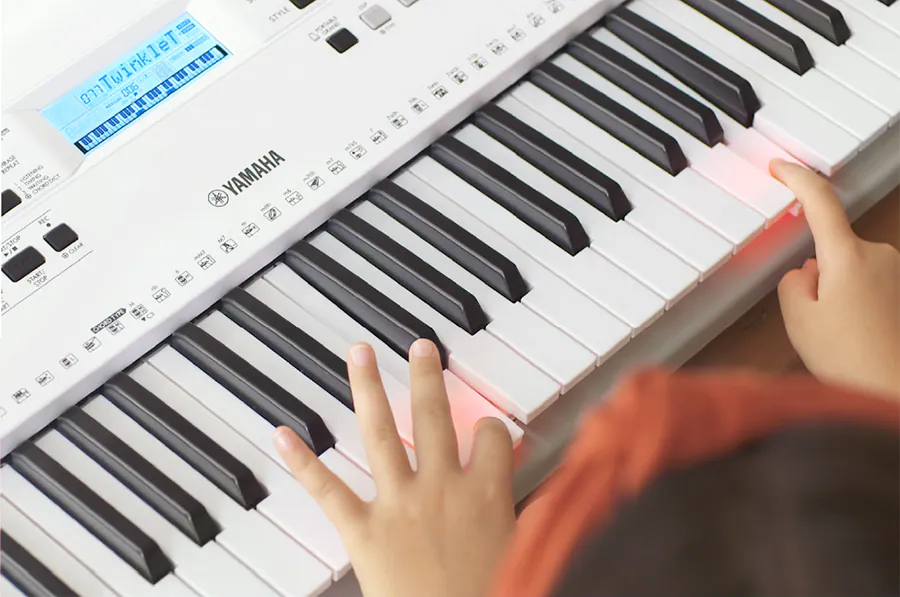
    Yamaha EZ300 61-Key Portable Keyboard with Lighted Keys and PA130 Power Adapter There’s something captivating about the soft glow of keys in a dimly lit room that invites you to create music, and our experience with the Yamaha EZ300 has been just that – inviting. As beginners taking our first steps into the world of keyboards, the lighted keys have been a revelation, guiding our fingers to the right notes and making learning incredibly intuitive.

    We found the “Keys to Success” feature especially useful, allowing us to tackle songs piece by piece, at a pace that suits us. It’s like having a patient teacher by your side, waiting for you to get it right. Even with minimal experience, we were making music in no time!


    The lessons on dynamics offered by the “Touch Tutor” mode brought a new dimension to our play, teaching us the subtlety of soft and loud, which we loved. Additionally, the Smart Chord and accompaniment styles have opened up a world where we can have a full backing band at our fingertips, making us feel like we’re leading our own mini-orchestra.

    Bottom Line

    The Yamaha EZ300 is more than just a keyboard – it’s a musical companion that grows with you, from your first timid note to confident, full-blown performances.

    If you’re looking to embark on your own musical journey, this could be the perfect starting point.

    Ready to light up your musical path? Click here to get your hands on the Yamaha EZ300 and start your journey today!

    Yamaha EZ300 61-Key Portable Keyboard Overview

    When we got our hands on the Yamaha EZ300, the first thing that struck us was its elegant silver-white finish which definitely catches the eye. This lightweight and compact keyboard boasts touch-sensitive, lighted keys which make learning to play much less daunting. Yamaha has designed this model with beginners in mind, providing a suite of educational features like the Keys to Success and Touch Tutor modes, which help beginners understand the dynamics of piano playing step-by-step.

    The EZ300 isn’t just about the basics though. It comes loaded with a staggering 622 instrument voices that include actual samples of a grand piano. The sounds are convincing and add to the enjoyment, whether you’re just practicing or trying out your own compositions. The Smart Chord feature is particularly handy for those of us who want to add depth to our music without having gotten the hang of complex chord structures yet.

    Sometimes, playing alone can feel a bit lonely, so the accompaniment styles are a welcome addition that act like a backing band. We’ve had a lot of fun experimenting with these – they’re surprisingly versatile and supportive of different music genres. It’s been great seeing progress by incorporating these dynamic styles into practice sessions and performances.

    Even though the EZ300 is packed with features, we should note that its speakers might not be powerful enough for large or noisy spaces. In such cases, you might want to connect it to an external sound system. That aside, we’ve found the EZ300 to be a fantastic tool for budding pianists looking to polish their skills on an intuitive and friendly instrument.

    Touch-Sensitive Lighted Keys

    When we first laid our hands on the keys, the immediate standout feature was their touch sensitivity. It’s a game-changer for beginners as each key lights up, guiding you through your learning process. The response to touch is well-calibrated, allowing for a dynamic playing experience that emulates the feel of an acoustic piano.

    What’s particularly helpful is the visual feedback these lighted keys provide. As we played, the illumination helped us correct our finger placement, which is invaluable when you’re starting out and not yet used to the key positions. However, it’s not all glowing reviews here; the visual aid might be distracting for some, especially when transitioning to a traditional keyboard without lighted keys.

    In essence, the touch-sensitive lighted keys are a feature that bridges the gap between novice enthusiasm and developing skill. Although seasoned players might find them unnecessary, for anyone at the beginning of their musical journey, they’re a supportive tool that can make practice sessions both effective and fun.

    Yamaha EZ300 61-Key Portable Keyboard with Lighted Keys and PA130 Power Adapter

    Lesson Modes

    When we got our hands on the EZ300, we quickly discovered the joy and challenges of its lesson modes. The lighted keys are incredibly helpful, especially for beginners like us who sometimes struggle to remember note placements. They light up to show the correct notes, which is a fantastic visual aid for learning new pieces.

    We found the “Keys to Success” mode particularly useful, as it allows us to tackle songs in manageable sections at a pace comfortable for us. Progressing through a song step-by-step made the learning experience a lot less intimidating.

    “Touch Tutor” became one of our favorites for developing a feel for the keyboard’s dynamics. It’s one thing to hit the right notes, but another to master the strength of each keystroke. This mode provides valuable feedback on our playing velocity, adding a layer of nuance to our performances.

    Although we all aren’t virtuosos, the “Smart Chord” feature made us feel like we could be. Playing complicated jazz chords with just a few fingers gave us a sense of accomplishment and inspired us to explore more diverse musical styles.

    And if you ever want to feel like you’re leading a band, the accompaniment styles are a blast. These modes add a backing band to our playing, which made our rendition of favorite tunes both full and lively, while still keeping us in control of the chords and arrangement. The lesson modes strike a balance between fun and education, enhancing our playing experience without overwhelming us.

    Smart Chord Function

    We’ve had the opportunity to get our hands on the EZ300’s Smart Chord feature and honestly, it’s impressive how it simplifies the process of playing chords. Even if you’re new to playing the keyboard, with Smart Chord, a single finger can produce complex harmony that sounds like it’s coming from a seasoned player. We found it particularly enjoyable that you don’t have to memorize various chord structures to start with; you can dive into playing accompaniments almost immediately.

    However, it’s worth noting that while this feature is fantastic for beginners and getting quick results, it might not offer the depth required by more advanced players who wish to explore and experiment with chords on their own. But in our experience, for anyone who’s playing more casually or just starting their musical journey, the Smart Chord function on the EZ300 is a genuine advantage. It allows us to focus less on the technicalities and more on the enjoyment of making music.

    Accompaniment Styles

    We’ve ordered two of the EZ300, and one of the aspects we found really fun to play with was the Accompaniment Styles feature. It truly gives you the feeling of having a backing band at your fingertips. Whether you’re going for a pop vibe or something with a jazz flair, the keyboard’s got you covered. We tried playing a few chords, and with just minimal effort, we got these lush accompaniments that made our simple melodies sound rich and full.

    This isn’t a mere digital replication; the chord progressions sound authentic and the transitions are impressively smooth. What stood out for us was the control we had—switching up the arrangements or changing chords didn’t interrupt the flow. However, if you’re looking for ultra-specific genre accompaniments, the options can feel a bit limited. Still, for spontaneous jam sessions or adding a polished sound to your performances, this feature is a win. It’s not perfect, but it certainly elevates the playing experience.

    Pros and Cons

    Pros

    After spending some time with the Yamaha EZ300, we noticed a handful of features that really made our experience enjoyable. The lighted keys are a standout, making it a breeze for us to start playing and learning new songs right away, especially helpful for beginners. We appreciated the Keys to Success lesson mode, which offers a self-paced learning experience, allowing us to grasp songs piece by piece.

    The Touch Tutor lesson mode is a neat addition, too. It gave us insight into the dynamics of playing, since it reacts to the strength with which the keys are hit. We were also having fun with the Smart Chord feature that turned our modest efforts into impressive-sounding chords with minimal finger gymnastics – fantastic for newbies aiming to sound more sophisticated.

    And, with Accompaniment Styles, we felt like we had our own backup band, jazzing up practice sessions and making the learning process more engaging.

    Cons

    On the flip side, while the keyboard offers a robust set of features, experienced musicians may find the 61-Key range a bit limiting for more complex pieces. Although we could play most of the stuff we wanted to, those used to full 88-key pianos might miss the extra notes.

    Though loud, the built-in speakers may not satisfy everyone. While we found them decent for personal practice, in larger rooms, or for performances, one might need to hook up external speakers.

    Lastly, while the educational features are top-notch, those who are already familiar with playing may not find them as useful. Yes, they are great for beginners and intermediates, but seasoned players might not benefit as much from these learning tools.

    To sum up, we had a real blast with the Yamaha EZ300. It’s friendly to newcomers, offers a solid array of features, and has that signature Yamaha build quality. Yet, it’s worth considering the keyboard’s range and on-board speaker volume depending on your skill level and intended use.

    Design and Portability

    When we first got our hands on the EZ300, its sleek silver-white finish immediately caught our eye. It’s one of those pieces that don’t just blend in; it enhances the space it’s in. Weighing just over 15 pounds, it’s not the lightest keyboard out there, but we found it portable enough to take from home to practice sessions without any hassle.

    One of the coolest design features has to be the lighted keys. They’re not only touch-sensitive, which adds an authentic piano feel, but they also light up to guide you through songs. This is a godsend for beginners like us, making learning those tricky new tunes less daunting.

    Although it’s a bit too bulky to be considered ultra-portable, we reckon its features make up for that. It doesn’t feel like a toy; there’s a sturdy feel to it that gives us confidence it can handle being moved around. The integrated lessons and variety of sounds mean we’ve been playing non-stop, barely noticing how quickly time flies. It’s become quite a favorite for evening jams and laid-back learning sessions.

    I bought a padded case for this product and it traveled well internationally. I think the case weighed more than the keyboard LOL!

    Customer Reviews

    We’ve been noticing a trend of sheer satisfaction among folks who’ve picked up the EZ300. Many describe it as a hit for both novice and intermediate keyboard enthusiasts. The light-up keys are a standout feature, especially for beginners eager to learn new songs without the steep learning curve. What surprises us is even seasoned musicians seem to give it a nod for its impressive feature set and sound quality.

    Some of us are new to playing keyboards, and we agree that the EZ300 is encouragingly user-friendly. Starting something new at any age can be daunting, and this keyboard seems to understand that, making the learning process engaging and less intimidating.

    From our experience, the robust sound from the speakers complements the authentic feel of the instrument sounds. And for learners, included perks like the free flowkey subscription offer a solid value-add, propelling users to dive into music education. There’s a sense of durability and quality that resonates with us, echoing the trustworthiness of the Yamaha brand.

    Yes, it’s as good as they say – a keyboard that feels like it’s been designed with real users in mind, balancing quality, features, and the joy of music-making.

    Conclusion

    Wrapping up our experience with the Yamaha EZ300, it’s easy to see why it’s a hit with both beginners and intermediate players. We especially love how the light-up keys assist in learning songs, a feature that’s as helpful as it is entertaining. While navigating through the vast array of sounds and learning modes, we found the keyboard is capable of providing a rich learning experience for newbies and enough advanced options for seasoned users to enjoy.

    The sound quality didn’t disappoint; it’s what you’d expect from a brand as reputable as Yamaha, clear and robust. The built-in speakers have a powerful output, making practice sessions a delight without needing external equipment. We appreciate the free flowkey offer, although you’ll have to stay on top of the promotional details.

    Sturdiness? Check. Quality? Absolutely. The build feels durable, meaning you can expect longevity from this piece of equipment. While we revelled in the authenticity of the instrument sounds, some of us have taken a particular shine to the learning features, noting how they refine our playing skills.

    Some minor cons include a learning curve for completely new users, but that’s a given with any musical instrument. Overall, the Yamaha EZ300 stands out as a well-rounded investment for anyone looking to embark on a musical journey or enhance their existing skills.

    I have purchased two of these Keyboards already and the sound is exceptional. Order yours today


    As an Amazon Associate I may earn a commision on qualifying purchases

  • Top Keyboards for Pop Songs: Find the Best from Beginner to Pro

    Top Keyboards for Pop Songs: Find the Best from Beginner to Pro

    Finding the perfect keyboard to play pop songs is like searching for the missing piece in your musical puzzle. It’s about blending versatility, sound quality, and ease of use into one seamless experience. Whether you’re a budding musician or a seasoned pro, the right keyboard can elevate your pop performances to new heights.

    With the vast array of options out there, it can be overwhelming to choose. But fear not! We’ve sifted through the noise to bring you the top picks that hit all the right notes for pop song enthusiasts. From rich tones to intuitive features, these keyboards are sure to inspire your next musical masterpiece.

    Factors to Consider when Choosing a Keyboard

    When venturing into the realm of pop music, finding the right keyboard is akin to discovering the perfect dance partner; it should move with you, adapt to your style, and help you stand out. Keyboards are not one-size-fits-all, and several critical factors can significantly impact your musical journey. Here’s what to keep in mind:

    Sound Quality

    At the heart of any musical performance, especially pop music, lies the quest for crystal clear, vibrant sound. Pop songs often encompass a wide range of tones, from the deepest bass to the highest treble. Therefore, a keyboard that offers a rich, full range of sound can truly bring a pop song to life. Look for keyboards with built-in high-quality speakers and those that provide a variety of instrument voices for creative flexibility.

    Touch Sensitivity

    The expression in pop music isn’t just about the notes you play but how you play them. Keyboards with touch sensitivity respond to the force behind each stroke, allowing for nuanced performance and a dynamic sound. This feature is invaluable for pop music enthusiasts looking to convey emotion and intensity through their playing.

    Connectivity Options

    In today’s digital age, the ability to connect your keyboard to external devices and software has become paramount. Whether it’s for recording, arranging, or even performing with other digital instruments, a keyboard that offers USB, MIDI, and other connectivity options can dramatically expand your musical capabilities.

    Portability

    Pop musicians often find themselves on the move, whether it’s to gigs, rehearsals, or simply sharing their music with friends. A lightweight, portable keyboard that doesn’t compromise on quality is essential. This ensures that your music can travel with you, anytime, anywhere.

    Budget

    Budget undoubtedly plays a crucial role in the decision-making process. It’s important to balance cost with features and durability. Thankfully, there are keyboards available at various price points, ensuring that both beginners and seasoned musicians can find an option that meets their needs without breaking the bank.

    Feature Importance
    Sound Quality High
    Touch Sensitivity High
    Connectivity Medium-High
    Portability Medium
    Budget Variable

    When searching for the perfect keyboard to play pop songs, taking the time to consider these factors can make all the difference. From the nuances of sound quality to the practicalities of portability and budget, every detail contributes to the overall experience.

    Key Features to Look for in a Keyboard for Playing Pop Songs

    When diving into the realm of pop music, identifying the right keyboard becomes a journey of matching one’s musical aspirations with the instrument’s capabilities. For those set on mastering pop tunes, there are distinct features that stand out as essential for an enriching playing experience.

    Sound Quality is paramount. The ability of a keyboard to produce clear, rich sounds determines how effectively it can mimic an acoustic piano and other instruments used in pop compositions. High-quality sound samples and built-in speakers that offer depth and clarity are crucial for capturing the essence of pop music.

    Touch Sensitivity plays a critical role as well. This feature allows the keyboard to respond to the player’s touch – softer for quieter notes and harder for louder ones. It’s indispensable for adding dynamics and emotion to pop performances, enabling the musician to convey the subtle nuances of the genre with finesse.

    Connectivity options benefit musicians in multifaceted ways, especially in today’s digital age. Keyboards equipped with MIDI or USB ports facilitate easy integration with computer software, recording equipment, and other electronic instruments. For pop musicians who often layer tracks or incorporate digital elements, these connectivity features expand creative possibilities and streamline the production process.

    Portability is another significant aspect, particularly for those who perform live or wish to play in various locations. Lightweight keyboards that are easy to transport without compromising on sound quality or range of features are highly sought after. Portability ensures musicians can bring their unique sound everywhere, from intimate venues to rehearsals with bandmates.

    Lastly, the Budget cannot be overlooked. With keyboards available across a wide price spectrum, recognizing the balance between cost and desired features becomes a vital part of the selection process. Affordable models that still meet the essential requirements can serve beginners well, while more advanced players might consider investing in high-end keyboards that offer extensive sound libraries, better build quality, and more nuanced touch response.

    Here’s a quick summary of the key features to consider:

    • Sound Quality: Clear, rich sounds that mimic an acoustic piano and other instruments.
    • Touch Sensitivity: The keyboard responds to different pressures for dynamic playing.
    • Connectivity: MIDI or USB ports for interfacing with other devices and software.
    • Portability: Easy to transport for performers who play at multiple locations.
    • Budget: Finding the right balance between cost and desired features.

    Top Keyboards for Playing Pop Songs

    When searching for the best keyboard to play pop songs, musicians have a plethora of options to choose from. Each keyboard offers unique features tailored to different requirements and skill levels. Let’s dive into some of the top keyboards that stand out in the market today for playing pop songs.

    Firstly, the Yamaha P-125 is renowned for its remarkable sound quality and touch sensitivity. It’s designed to mimic the acoustic piano feel, making it a perfect choice for pop musicians who crave that authentic sound. Additionally, its sleek design and portability ensure you can take your music wherever you go.

    Next on the list is the Casio Privia PX-160. This keyboard shines with its excellent built-in speakers, providing a rich sound experience. It also boasts a range of digital effects that allow musicians to experiment with their sound, making it ideal for pop songs’ dynamic range. Plus, its connectivity options mean you can easily connect it to computers or other devices for recording and producing music.

    For those on a tighter budget, the Alesis Recital offers great value. It features full-sized semi-weighted keys, adjustable touch response, and an impressive array of sounds and modes tailored for beginners to intermediate players. It’s lightweight, making it highly portable for gigs or practice sessions.

    If you’re looking for cutting-edge technology, the Roland Juno-DS88 is hard to overlook. It steps up with its powerful synthesis engine, enabling musicians to tweak and layer sounds effortlessly. The keyboard’s intuitive interface and expansive sound library cater exceptionally well to pop music creators. Furthermore, its versatility in connectivity options supports a wide range of music production tasks.

    • Sound Quality: Essential for mimicking various instruments vividly.
    • Touch Sensitivity: Allows dynamic expression suited for the nuances of pop music.
    • Connectivity: MIDI and USB ports for integration with other devices.
    • Portability: Easy to transport for gigs or practice.
    • Budget: Balancing cost with desired features is crucial.

    For those looking to dive deeper into music production, keyboards that offer extensive software integration and recording capabilities might be more appealing. Features like these enable artists to not only play but also produce and refine their music, turning their keyboard into a multifunctional instrument.

    Comparison of Keyboards in Different Price Ranges

    When searching for the perfect keyboard to play pop songs, budget plays a crucial role. From affordable options ideal for beginners to high-end models suited for professionals, the market offers a wide range of keyboards across various price ranges. To help demystify the options, let’s dive into a comparison of keyboards catering to different financial plans.

    Entry-Level Keyboards

    At the entry-level, keyboards like the Alesis Recital stand out for their balance between affordability and functionality. With 88 semi-weighted keys, it’s designed for those new to playing or with a limited budget, without sacrificing the range a pop song performer might need.

    Feature Alesis Recital
    Price Under $300
    Keys 88 semi-weighted
    Polyphony 128 notes
    Sounds 5 built-in voices
    Connectivity USB-MIDI, 1/4″ Headphone

    Mid-Range Keyboards

    Moving up the scale, the Casio Privia PX-160 offers a noticeable improvement in sound quality and touch response, making it a favorite among intermediate players. Its Tri-Sensor Scaled Hammer Action Keyboard II and impressive sound projection system place it a notch above many in its class, catering to those ready to invest a bit more for enhanced touch and tone.

    Feature Casio Privia PX-160
    Price Under $500
    Keys 88 fully-weighted
    Polyphony 128 notes
    Sounds 18 built-in tones
    Connectivity USB-MIDI, Line Out

    High-End Keyboards

    For the serious musician looking to make a significant investment in their craft, the Roland Juno-DS88 emerges as a robust choice. Beyond its stellar sound engine and weighted-action keys, it offers extensive sound customization and performance features. It’s particularly fitting for those who value versatility and cutting-edge technology in their instrument.

    Feature Roland Juno-DS88
    Price Under $1000
    Keys 88 weighted-action
    Polyphony 128 notes
    Sounds Over 1200 presets

    Conclusion

    Choosing the right keyboard for playing pop songs boils down to personal preference and playing level. Whether you’re just starting out or looking for a professional upgrade, there’s a keyboard out there that fits your needs. From the Alesis Recital’s beginner-friendly features to the Roland Juno-DS88’s advanced capabilities, each model offers something unique. Remember to consider what’s most important to you—be it key action, sound quality, or connectivity options. Happy playing!

  • Top Picks: Best Roland Beginner Keyboard Models for Every Musician

    Top Picks: Best Roland Beginner Keyboard Models for Every Musician

    Starting your musical journey can be thrilling, and choosing the right instrument is crucial. For those diving into the world of keyboards, Roland’s beginner options stand out as a harmonious blend of quality, innovation, and user-friendliness. They’re not just instruments; they’re your first step into a vast musical universe.

    Roland has long been synonymous with excellence in the music world, crafting keyboards that cater to the needs of both seasoned musicians and beginners. If you’re on the hunt for the perfect starter keyboard, Roland’s lineup promises a range of options that combine ease of use with the ability to grow with you as you sharpen your skills. Let’s explore why a Roland keyboard might just be the best choice for your musical debut.

    Understanding Roland Keyboards

    Roland, a name synonymous with musical innovation, has been at the forefront of developing keyboards that cater to musicians of all skill levels. For beginners, navigating the diverse range of options can feel overwhelming. Yet, understanding the key features that Roland keyboards offer can simplify this process dramatically.

    Roland’s beginner keyboards are distinguished by their exceptional sound quality and user-friendly interfaces. These instruments are designed to foster a love for music, making them an excellent choice for those starting their musical journey. One of the standout features of Roland keyboards is their use of SuperNATURAL Sound Technology. This innovation delivers highly realistic sounds, mimicking acoustic instruments so closely that players can experience the nuanced differences in tone and dynamics, just as they would on a traditional instrument.

    In addition to sound quality, Roland places a strong emphasis on the learning experience. Many models come equipped with built-in tutorials and exercises that are specifically aimed at beginners. This focus ensures that users not only enjoy playing but also make consistent progress in their skills. Features like the DigiScore display, found on select models, show music notation and animations to guide users through lessons, making practice both effective and engaging.

    Another aspect where Roland keyboards excel is their versatility. Even entry-level models come with a wide range of sounds and styles. From grand pianos to strings and beyond, users can explore different musical genres without the need for multiple instruments. This versatility extends to connectivity options as well, with many keyboards offering USB and Bluetooth capabilities, allowing players to connect to computers and mobile devices for expanded functionality.

    Let’s look at some key considerations when choosing a Roland keyboard:

    • SuperNATURAL Sound Technology: For unmatched sound quality.
    • Learning Tools: Built-in tutorials and exercises to support beginners.
    • Versatility: A wide range of sounds and connectivity options.

    Exploring the range of keyboards from Roland reveals models that are not only accessible for beginners but also have the potential to accompany them on their musical journey well into the future. With a focus on quality and innovation, Roland ensures that every musician can find the right keyboard to match their ambitions.

    Features to Look for in a Beginner Keyboard

    When diving into the musical journey, selecting the right beginner keyboard is paramount. Roland’s range offers a plethora of options, but knowing what features to look for can make all the difference. Key elements not only enhance the learning experience but ensure the journey is engaging and fun.

    Touch Response Keys are crucial for a beginner. They mimic the action of an acoustic piano, offering a heavier touch in the lower notes and a lighter touch in the higher ones. This feature helps in developing proper finger technique and dynamics from the start. Roland’s keyboards are celebrated for their realistic touch response, making them a top choice for beginners.

    The Range of Sounds a keyboard offers can significantly impact a learner’s exploration of music. With a wide array of sounds, beginners can experiment with different genres and styles, keeping their practice sessions fresh and exciting. Roland keyboards shine in this aspect, providing a variety of sounds from grand pianos to orchestral instruments, thanks to their SuperNATURAL Sound Technology.

    Another key feature is the Built-in Learning Tools. Many Roland keyboards come equipped with tutorials, exercises, and games designed to make learning both effective and enjoyable. These tools offer immediate feedback and help build necessary skills, all without leaving the keyboard.

    Connectivity Options like USB and Bluetooth are also vital. They allow beginners to connect their keyboard to computers and mobile devices, opening up a world of educational apps and software. This connectivity encourages interactive learning and provides access to a vast library of sheet music, lessons, and more.

    Lastly, the Size of the Keyboard is something to consider. A full 88-key keyboard offers a complete range, similar to an acoustic piano, which is beneficial for learning. However, for those with space constraints or younger learners, a smaller keyboard might be more appropriate. Roland caters to this need with models ranging in size, ensuring there’s a fit for every learner.

    Feature Benefit
    Touch Response Keys Develops finger technique and understanding of dynamics
    Range of Sounds Encourages musical exploration across genres
    Built-in Learning Tools Offers effective and enjoyable learning experiences
    Connectivity Options Facilitates access to educational apps and software
    Size of the Keyboard Ensures a match for every space and learner’s need

    Exploring Roland’s Entry-Level Models

    When venturing into the world of keyboards, beginners might find themselves overwhelmed by the plethora of options available. However, Roland stands out with its entry-level models designed to make the learning curve as smooth as butter. These instruments are not just keyboards; they’re gateways to musical exploration, tailored for those taking their first steps in music.

    Roland’s beginner models include features that cater specifically to new learners. Touch response keys are a standout, enabling users to experience the nuanced dynamics of piano playing right from the start. This feature ensures that even the most subtle touches are captured, making every practice session an opportunity for growth and refinement.

    In addition to touch sensitivity, Roland keyboards are known for their rich sound quality. They come loaded with a variety of sounds, ranging from grand pianos to synth pads, allowing beginners to experiment with different genres and styles. This diversity not only keeps practice sessions engaging but also encourages users to explore their musical tastes and inclinations.

    Here are a few Roland models often recommended for beginners:

    • Roland GO:KEYS – This model is perfect for those who want to jump straight into playing music. With its loop mix function, beginners can start creating music instantly, even without any formal training.
    • Roland FP-10 – Offering the feel of a real acoustic piano with its hammer-action keys, the FP-10 also features Bluetooth connectivity, making it possible to use apps and online tutorials for self-teaching.
    • Roland E-X20 – Designed for easy transportation and setup, this keyboard is ideal for young learners or musicians on the move. Its authentic sounds and built-in rhythms provide a solid foundation for developing musical skills.
    Model Key Feature Ideal For
    Roland GO:KEYS Loop Mix Function Immediate musical creation
    Roland FP-10 Hammer-action keys & Bluetooth Learning with a traditional feel & tech
    Roland E-X20 Portable design Young learners & mobile musicians

    Comparison of Roland Beginner Keyboards

    When venturing into the world of music through the keys of a keyboard, Roland offers a fascinating range of beginner models, each with its unique set of features designed to enhance the learning experience. The GO:KEYS, FP-10, and E-X20 stand out as flagship models for novices. Here, we delve into a detailed comparison to help budding musicians make an informed choice.

    Roland GO:KEYS

    The Roland GO:KEYS keyboard is a gateway to creativity for those itching to start their musical journey without getting bogged down in complex functionality. It’s renowned for its Loop Mix function, allowing users to build songs by simply triggering loop phrases from the keyboard. This feature not only introduces newcomers to composition in an engaging way but also instills a deep understanding of musical layers.

    • Touch Response Keys: Provides a dynamic playing experience.
    • Bluetooth Audio/MIDI Support: Easily connect with music apps on smartphones and tablets.
    • Integrated Speakers: Ensures high-quality sound without the need for external speakers.

    Roland FP-10

    Diving deeper into more traditional piano territory, the FP-10 by Roland combines the feel of an acoustic piano with the flexibility of modern technology. It boasts the PHA-4 Standard Keyboard, featuring escapement and Ivory Feel keys. This model is designed to replicate the touch response and feel of a grand piano, making it a fantastic choice for students committed to developing classical piano skills. Additionally, the FP-10’s SuperNATURAL Piano Sound engine delivers premium sound quality, further enhancing the authentic playing experience.

    • Bluetooth Connectivity: Allows for wireless connection to music education and composition apps.
    • Compact Design: Ideal for small spaces.
    • Headphone Jack: Facilitates silent practice sessions.

    Roland E-X20

    The E-X20 caters to the needs of young learners and mobile musicians. Its Arranger Keyboard feature is packed with auto-accompaniment styles that globally inspire. This keyboard is designed for portability and ease of use, making it a stellar choice for families and musicians on the go. With a range of built-in sounds and rhythms, the E-X20 encourages exploration in various musical genres.

    • Portable Design: Lightweight and battery-operated for musicians on the move.
    • Education Features: Built-in lessons and practice functions to support beginners.
    • Diverse Sound Library: Offers a range of sounds suitable for any

    Tips for Choosing the Best Roland Beginner Keyboard

    When embarking on the musical journey, picking the right keyboard is a pivotal first step. Roland’s range of beginner keyboards offers something for everyone, but how does one decide which model is the best fit? Below are some crucial pointers to keep in mind.

    Firstly, assess your musical goals. Different keyboards cater to various learning paths. For instance, if composing and layering sounds intrigue you, the GO:KEYS with its Loop Mix function might be your ally. On the other hand, those leaning towards classical training could find the FP-10’s traditional piano feel more beneficial. Understanding your musical aspirations can greatly narrow down the choices.

    Next, it’s important to consider portability and space. Keyboards such as the E-X20 are designed with mobility in mind, perfect for young learners or musicians on the go. Space constraints in your home might also make compact models like the FP-10 more appealing. Always measure the space you have available against the keyboard dimensions before making a decision.

    Connectivity features should not be overlooked. In today’s digital age, having a keyboard that can connect to other devices via Bluetooth or USB can open a world of educational resources and software opportunities. This can enhance the learning experience, making it engaging and multifaceted.

    Sound quality and variety is another essential aspect. Roland keyboards are renowned for their rich sound libraries, but they do vary from model to model. Delve into the sound options available in each keyboard. More sounds mean more room for exploration and fun during practice sessions.

    Lastly, consider the key action and touch response. This might seem technical, but it’s crucial for developing proper technique. The FP-10, for example, boasts a hammer action that emulates the touch of an acoustic piano, invaluable for beginners intent on building a solid foundation.

    Choosing the right beginner keyboard is a blend of aligning your musical goals with the features that will best support your journey. Roland’s beginner keyboards cater to a broad spectrum of needs, ensuring that every new musician can find a model that feels like it was tailored just for them. Remember, the right keyboard not only fits your current needs but also grows with you as you progress in your musical adventure.

    Conclusion

    Choosing the right Roland beginner keyboard is a pivotal step in any musician’s journey. Whether it’s the versatility of the GO:KEYS, the classical touch of the FP-10, or the E-X20’s ease of transport, there’s a model that perfectly aligns with every aspiration. It’s all about finding that sweet spot where functionality meets future growth. So take the plunge, pick a keyboard that resonates with your musical dreams, and let the journey begin. After all, the right instrument is not just a tool but a companion on the path to mastery.

  • Best Keyboard Setup for Beginners Learning Classical Music

    Best Keyboard Setup for Beginners Learning Classical Music

    Stepping into the world of classical music can be both exhilarating and daunting for beginners. The right keyboard can make all the difference, turning initial attempts into a journey of musical discovery. It’s not just about having 88 keys; it’s about finding a keyboard that speaks to the heart, encouraging those first tentative steps into Bach, Beethoven, and beyond.

    Choosing the perfect keyboard for classical music isn’t just about the specs; it’s about the feel, the sound, and the inspiration it brings. For beginners, the vast array of options can seem overwhelming. Yet, with a little guidance, finding that perfect match becomes less of a challenge and more of an exciting quest. Let’s dive into what makes a keyboard ideal for those starting their classical music adventure.

    Understanding the Key Features

    When beginners embark on their journey to play classical music, understanding the key features of a keyboard becomes crucial. Keyboards differ greatly in terms of functionality and quality, and for classical music, certain attributes stand out as particularly important.

    Firstly, weighted keys are a must. They mimic the resistance and response of a traditional piano, an essential aspect for beginners to build proper finger strength and technique from the start. This feature allows for a more expressive performance, which is vital for the dynamics and emotion in classical music.

    Another critical consideration is the sound quality. A keyboard that offers a range of sounds including the grand piano, with nuanced tonal variations, can significantly enhance the learning experience. It’s not just about having a sound that’s close to an acoustic piano, but also about the quality of the sound through the speakers. Good sound quality can truly motivate beginners by making practice sessions more enjoyable and rewarding.

    The number of keys on the keyboard is also important, with the standard being 88 keys, just like an acoustic piano. This feature allows beginners to explore a wide range of classical pieces without limitation. However, for some, space or budget constraints might make keyboards with fewer keys, like 61 or 76, a practical starting point. It’s important to note, though, that as one progresses, having the full range becomes more critical.

    Furthermore, the touch sensitivity feature reflects the dynamics in one’s playing depending on how hard or soft the keys are pressed. This capability is crucial for expressing the nuances in classical music. Not all keyboards come with adjustable touch sensitivity, so looking for one that does provide this functionality is beneficial for a more detailed and dynamic learning experience.

    Lastly, beginners should consider connectivity options such as USB or MIDI ports, which allow the keyboard to connect to computers and other devices. This can be incredibly useful for using educational apps, recording music, or even updating the keyboard’s firmware.

    Feature Why It’s Important
    Weighted Keys Mimics acoustic piano, builds proper technique
    Sound Quality Enhances learning, makes practice enjoyable
    Number of Keys Allows exploration of a wide range of pieces
    Touch Sensitivity Reflects dynamics, crucial for nuance in playing
    Connectivity Options  

    Types of Keyboards for Beginners

    When choosing a keyboard for a beginner to play classical music, understanding the different types of keyboards available on the market is crucial. Each type offers unique features and benefits suited to different aspects of learning and playing classical music.

    Digital Pianos

    Digital pianos are designed to closely mimic the sound and feel of an acoustic piano. They often come with 88 weighted keys, making them an excellent choice for beginners aiming to develop a proper technique and touch. Many digital pianos also feature realistic sound samples of grand pianos, providing beginners with an inspiring sound quality. They’re an ideal type for those who have space constraints but don’t want to compromise on the acoustic piano experience. Some popular models even include built-in learning tools and exercises tailored for classical music learners.

    MIDI Controllers

    While not traditional keyboards, MIDI controllers are versatile tools for those interested in exploring classical music composition or arranging alongside playing. MIDI controllers lack built-in sounds; instead, they’re designed to trigger virtual instruments on a connected computer or external sound module. This setup offers endless sound possibilities, including authentic classical instrument samples, making it a valuable tool for experimentation and learning. MIDI controllers come in various sizes, but for classical music, those with 88 weighted keys are most beneficial.

    Synthesizers

    Synthesizers offer a broad range of sounds and capabilities beyond traditional piano tones, including orchestral and choral sounds that can enrich a beginner’s experience of classical music. They’re equipped with various features like touch sensitivity and, sometimes, weighted keys. Synthesizers encourage beginners to explore sound creation and understand musical textures, proving to be a fun and educational tool. However, for purely classical training, they might not be the primary choice but rather a supplementary instrument for broadening musical knowledge and creativity.

    Portable Keyboards

    Portable keyboards are lightweight and usually more affordable, making them an attractive option for beginners. Though they typically have fewer keys than an acoustic piano, many models offer 61 to 76 keys with touch sensitivity, which can be sufficient for starters. Portable keyboards have various sounds and built-in rhythms, enabling beginners to practice classical music pieces in different instrumental tones. This variety can make practice sessions more engaging and enjoyable. However, the key experience might differ from digital pianos as they often lack weighted action.

    Importance of Touch Sensitivity

    When delving into the realms of classical music, the importance of touch sensitivity in keyboards can’t be overstated. Touch sensitivity, or the way a keyboard responds to the speed and pressure of a player’s fingertips, plays a crucial role in molding a beginner’s capability to express emotions through music. It’s what allows musicians to convey subtleties in loudness and softness, mirroring the expressive depth found in acoustic pianos.

    Without touch sensitivity, every note sounds the same, regardless of how softly or forcefully it’s played. This monotony stands in stark contrast to the dynamic richness that classical music demands. Hence, keyboards equipped with good touch sensitivity offer a canvas that’s far more reflective of the nuanced expressions found in classical compositions. This feature becomes an instrumental part of a beginner’s learning journey, enabling them to explore and develop their musical expressiveness from the outset.

    Graded Hammer Action

    To further enhance the learning experience, some keyboards mimic the feel of an acoustic piano through Graded Hammer Action. This technology simulates the weighted feeling of hammer strikes on strings, with keys heavier in the lower octaves and lighter in the higher ones. This replication isn’t just about authenticity; it’s about training finger strength and agility in a way that’s consistent with traditional piano playing. This feature ensures that transitioning from a digital medium to an acoustic piano is as seamless as possible, fostering a more comprehensive development in students’ playing techniques.

    Velocity Layers

    Another aspect closely tied to touch sensitivity is the concept of Velocity Layers. High-quality keyboards often come equipped with multiple samples for each key, triggered by different levels of pressure. This means that a soft press might elicit a gentle sound, while a hard press brings forth a more intense tone. The availability of these layers greatly enriches the auditory feedback beginners receive, encouraging a more delicate control over their touch and further aligning their practice with the expressive demands of classical music.

    By integrating touch sensitivity, Graded Hammer Action, and velocity layers into their practice, beginners are not only learning to play notes but are also stepping into the complex world of musical expression. This immersion into the sensory and emotional aspects of music from an early stage nurtures a profound connection with the classical genre. It allows learners to appreciate the depth and breadth of musical dynamics, setting a solid foundation for their future growth as musicians.

    Selecting the Right Sound Options

    When embarking on the journey to master classical music on a keyboard, selecting an instrument with the right sound options is pivotal. For beginners, the plethora of sounds available in digital keyboards can be overwhelming yet exhilarating. The key is to find a balance between quality and variety to foster musical growth while keeping the experience enjoyable.

    Most quality keyboards offer a range of sounds that replicate various instruments, essential for playing and understanding classical compositions. However, the focus for beginners should primarily be on finding a keyboard that offers authentic piano sounds. A rich and dynamic piano tone allows learners to immerse themselves fully in the nuances of classical music, making practice sessions more productive and gratifying.

    Why Sound Quality Matters

    The quality of sound has a profound impact on a learner’s ability to discern and appreciate the subtleties in classical music. Digital keyboards with high-quality samples and adequate polyphony ensure that notes sound true to life and blend seamlessly, mirroring the acoustic experience. Polyphony refers to the number of notes a keyboard can produce at once. A minimum of 64-note polyphony is recommended for beginners, but opting for 128-note polyphony or higher can offer a more future-proof choice.

    Exploring Built-in Features

    In addition to basic piano sounds, exploring keyboards with built-in features such as reverb and chorus effects can enhance playing experiences significantly. Reverb adds depth, making it sound as though one is playing in a concert hall, while chorus effects can enrich the sound, providing a symphonic feel that is particularly beneficial when playing complex classical pieces.

    Here’s a table that summarizes the minimum desired features for beginners interested in classical music:

    Feature Minimum Recommended
    Polyphony 64 notes
    Key Sensitivity 3 levels
    Sound Quality High-quality samples
    Additional Features Reverb, Chorus

    Importance of Experimentation

    It’s important for beginners to experiment with different sound settings to find what best suits their style and the piece they are playing. Many keyboards come with the ability to record and playback, which can be incredibly useful. Beginners can listen to their performance and understand how different sound options affect the mood and expression of the music.

    Setting Up for Success

    When diving into the realms of classical music with a keyboard, the setup is just as critical as the instrument itself. A conducive environment and the right accessories can significantly enhance the learning curve for beginners. They’ll need more than just a keyboard to unlock their full potential.

    Ergonomics plays a crucial role in learning and practicing classical music. Beginners should invest in a stable stand and an adjustable bench, ensuring they maintain a proper posture. An incorrect posture not only affects performance but can lead to long-term physical strain. The height of the keyboard and bench should allow the player’s arms to be parallel to the floor, promoting ease of movement across the keys.

    Good lighting is essential. It helps in reading sheet music clearly without straining the eyes. A flexible desk lamp can direct light exactly where it’s needed, making practice sessions more efficient and enjoyable.

    The type of headphones used can make a big difference. For those living in shared spaces or practicing during odd hours, high-quality headphones that faithfully reproduce sounds are indispensable. They allow for an immersive experience without external distractions, letting beginners focus on the nuances of the pieces they’re learning.

    Practice Tools and Apps have revolutionized the way beginners learn classical music on keyboards. Metronomes, both standalone and apps, are vital for developing a strong sense of timing and rhythm. In addition, there are numerous apps available for smartphones and tablets that offer interactive lessons and sheet music tailored to all levels. These tools provide valuable feedback, including timing and note accuracy, which are fundamental when playing classical music.

    Recording Equipment can be a game-changer. Recording practice sessions doesn’t require elaborate setups; even a smartphone can capture playbacks that are crucial for self-review. Listening to one’s playing can reveal subtleties and mistakes not noticed in the moment, offering opportunities for self-improvement.

    Lastly, integrating Educational Materials into the setup can expedite the learning process. Books and online resources specifically designed for classical music learners offer insights into techniques, music theory, and compositions ideal for beginners. These materials often include practice pieces that progressively increase in difficulty, catering to the learner’s growing skills.

    Conclusion

    Embarking on the journey of learning classical music on a keyboard is an exciting endeavor. With the right setup, from a stable stand and adjustable bench to good lighting and quality headphones, beginners are well on their way to mastering the art. Incorporating tools like metronomes, interactive lessons, and educational materials further enriches the learning experience. Recording one’s practice sessions offers invaluable insights for improvement. By following these guidelines, beginners can look forward to a rewarding musical journey filled with growth and enjoyment.


  • Top 3 Best Budget Yamaha Keyboards for Beginners: A 2024 Guide

    Top 3 Best Budget Yamaha Keyboards for Beginners: A 2024 Guide

    Stepping into the world of music can be as thrilling as it is daunting, especially when it comes to choosing the right instrument. For beginners, finding that perfect keyboard that balances quality, features, and affordability is key. Yamaha, a brand synonymous with excellence in music, offers a range of keyboards that fit the bill perfectly for novices.

    Navigating through Yamaha’s lineup, one might wonder which keyboard stands out as the best budget option for beginners. It’s not just about hitting the right notes; it’s about starting a musical journey with confidence. Let’s dive into the world of Yamaha keyboards, where quality meets affordability, ensuring every beginner starts on the right key.

    Understanding Yamaha Keyboards

    Yamaha, a company revered for its musical excellence, offers a diverse range of keyboards designed to cater to musicians at every skill level. For beginners, navigating the vast selection of Yamaha keyboards can initially seem daunting. However, understanding a few key aspects can make the selection process much smoother and more rewarding.

    At the core, Yamaha keyboards are celebrated for their rich sound quality and durability. These instruments are built to last, ensuring that novices can explore their musical journey without fretting over frequent replacements or repairs. Yamaha’s commitment to quality is evident in even their most budget-friendly models, which boast features that are designed to aid learning and spark creativity.

    When considering a Yamaha keyboard, beginners should pay particular attention to:

    • Key Count: Most Yamaha keyboards come with either 61, 76, or 88 keys. Beginners might find a 61-key keyboard sufficient to start, but an 88-key model emulates the full range of a traditional piano, offering a more comprehensive learning experience.
    • Touch Sensitivity: This feature allows the volume of the note to change based on how hard the key is pressed, mirroring the dynamics of an acoustic piano. It’s a crucial feature for those seeking to develop expressive playing skills.
    • Built-in Learning Tools: Yamaha keyboards often include features like built-in lessons, a metronome, and song libraries which can significantly enhance practice sessions. Some models also offer connectivity to smartphone apps for interactive learning experiences.
    • Sound Quality and Variety: Even on a budget, Yamaha keyboards offer excellent sound quality. They also provide a range of voices and rhythms that allow beginners to experiment across various musical styles.

    Affordability Without Compromise

    Finding a keyboard that balances cost and quality is essential for beginners. Yamaha has managed to incorporate advanced features into their budget-friendly models, ensuring that price doesn’t deter anyone from pursuing their passion for music. This inclusivity has made Yamaha a favored brand among aspiring musicians.

    • Yamaha PSR-E273: This is an ideal starting point for novices. It offers 61 keys, 400 voices, and 130 auto accompaniment styles. It also comes with a quiz mode to make learning fun and engaging.
    • Yamaha YPT-260: Similar to the PSR

    Key Features to Consider for Beginners

    When embarking on a musical journey, beginners might find the vast array of Yamaha keyboards a bit overwhelming. However, understanding specific key features can significantly simplify this choice. Yamaha, known for its quality instruments, offers several features tailored to support and enhance the learning process for novices.

    Key Count and Size matter greatly for beginners. A standard piano has 88 keys, but beginners might not need all of them. A keyboard with 61 to 76 keys is often more than sufficient for those just starting out. The keys should also be full-sized to ensure an easy transition to an acoustic piano in the future.

    Touch Sensitivity is an essential feature that allows the volume of the sound to change depending on how hard or soft the keys are pressed, mimicking the dynamics of an acoustic piano. This feature can greatly influence expression in playing, making it crucial for developing a beginner’s musical ear and technique.

    Built-In Learning Tools can be particularly beneficial for self-learners. Features such as built-in songs, lesson modes, and light-up keys guide novices through the basics, allowing them to practice and improve even without a teacher present. Yamaha keyboards often come equipped with various educational features that make learning both effective and fun.

    Sound Quality is not to be overlooked. High-quality sounds can greatly motivate beginners by making their practice sessions more enjoyable and rewarding. Yamaha keyboards are renowned for their exceptional sound quality, thanks to their advanced sampling technology. This ensures that even entry-level models produce rich and authentic sounds that closely mimic an acoustic piano.

    Budget-friendly Yamaha keyboards, like the PSR-E273 and YPT-260, come packed with these features, ensuring that beginners don’t have to compromise on quality for affordability. They strike an excellent balance, offering an impressive array of functions that cater well to beginner needs without overwhelming them.

    Feature PSR-E273 YPT-260
    Key Count 61 61
    Touch Sensitivity No Yes
    Built-In Learning Tools Yes Yes
    Sound Quality High High

    These keyboards also offer a variety of sounds and rhythms that can keep practice interesting and inspire creativity in beginners. The variety encourages exploration and experimentation, key components in developing musicality and a love for playing.

    Top Picks for Best Budget Yamaha Keyboards

    When embarking on the journey of learning keyboard, finding the right instrument that blends quality with affordability is crucial. Yamaha, a brand synonymous with musical excellence, offers several models that stand out for beginners who are mindful of their budgets.

    The PSR-E273 and YPT-260 have already been mentioned for their balance of features and affordability. However, there are other models in the Yamaha lineup that deserve attention. The PSR-E363 and PSR-EW300 are two such keyboards that cater to the budding musician with features that go a step beyond the basics, without stretching the budget too thin.

    The PSR-E363 offers a dynamic and expressive touch with 61 touch-sensitive keys, making it a perfect step up for beginners ready to experience a more realistic playing feel. It’s packed with 574 voices, including grand pianos, guitars, and brass, ensuring that learners have a wide range of sounds to explore and play with. Moreover, its duo mode function allows the keyboard to be split into two halves, essentially enabling two players to play in the same octave at the same time – a fantastic feature for lessons or duets.

    On the other hand, the PSR-EW300 brings something slightly different to the table with its 76 keys, offering a broader range and more room for musical growth. Like the PSR-E363, it includes touch-sensitive keys and a plethora of voices – 574 in total. Additionally, it boasts an impressive 165 auto-accompaniment styles that provide beginners with full-band backing tracks, based on the chords they play. This feature is invaluable for developing timing and playing in various musical styles.

    For those focused on enhancing their playing technique and reading music, both models come with Yamaha’s Education Suite. This built-in feature offers practice and learning tools, such as listening, timing, and waiting exercises that can cater to the pace of learner progress.

    Another noteworthy mention is the Yamaha PSR-F51. Simple and user-friendly, the PSR-F51 is designed for absolute beginners. It includes 61 keys and offers 120 voices and 114 rhythms, covering a broad spectrum of music styles. Its main selling point is its ease of use, with a straightforward interface and a focus on getting beginners playing right away.

    Here’s a quick comparison of the top picks:

    |

    Comparison of Budget Yamaha Keyboards

    When venturing into the world of music with a Yamaha keyboard, beginners have several budget-friendly options to choose from. Each model offers different features tailored to various needs, making it crucial to compare them to find the best fit.

    PSR-E273

    The Yamaha PSR-E273 stands out as an excellent entry point for novices. It’s praised for its simplicity and the variety it offers. With 61 non-weighted keys, it’s designed to make the initial learning phase as smooth as possible. 400 high-quality voices and 130 auto-accompaniment styles fuel creativity and make practice sessions engaging. It’s also equipped with the Yamaha Education Suite (YES), offering built-in lessons that progress with the learner.

    PSR-E363

    Moving up slightly in functionality and price, the PSR-E363 presents itself as a versatile option for those seeking more from their instrument. What distinguishes this model is its 61 touch-sensitive keys, offering a more expressive playing experience as it responds to the force of touch. With 574 voices and 165 styles, it significantly broadens musical possibilities. It also incorporates the YES feature and has a “Duo mode” for side-by-side practice, making it a strong choice for interactive learning.

    PSR-EW300

    For beginners looking to step into a wider range of play, the PSR-EW300 is the go-to with its 76 keys. This extended range allows for more complex compositions as skills grow. Its touch-sensitive keys, 574 voices, and 165 auto-accompaniment styles are similar to the PSR-E363 but with more space for musical exploration. This model aims to keep players engaged as they advance, effectively bridging the gap between beginner and intermediate levels.

    PSR-F51

    Designed with the absolute beginner in mind, the Yamaha PSR-F51 focuses on ease of use. This model offers 61 keys, 120 voices, and 114 rhythms, making it a straightforward choice for those just starting. It’s extremely user-friendly, with simple controls and an intuitive interface that encourages experimentation from day one. The PSR-F51’s emphasis on fun and accessibility makes it an ideal candidate for younger musicians or those looking for a no-fuss introduction to keyboards.

    Here’s a quick comparison to sum up the discussed models:

    |

    Making the Right Choice

    When diving into the world of music, choosing the right keyboard can feel like navigating through a maze. With Yamaha offering several budget-friendly options for beginners, it’s essential to weigh the features against your musical aspirations. Whether you’re a budding musician or a parent looking for the perfect starter instrument, understanding the key differences between models can help you make an informed decision.

    Each Yamaha keyboard mentioned— the PSR-E273, PSR-E363, PSR-EW300, and PSR-F51— caters to different needs. For a pure beginner with no prior experience, ease of use is paramount. In this regard, the PSR-F51 shines due to its straightforward interface and no-fuss setup. Its simplicity doesn’t compromise versatility, providing an ample range of voices and rhythms to explore.

    On the other hand, if the player is intrigued by the possibility of a more expressive performance, the PSR-E363, with its 61 touch-sensitive keys, becomes a compelling choice. Touch sensitivity brings dynamics into play, allowing the volume to change based on how hard or soft the keys are pressed. This feature, combined with a diverse selection of voices and styles, offers a more interactive learning experience.

    For those who envision their musical journey to continue growing, the PSR-EW300 might be the ideal pick. It’s not just about having more keys—76 compared to the 61 on most beginner models—but about the opportunities these extra keys unlock. More keys mean more range to practice and perform more complex pieces of music, bridging the beginner and intermediate stages smoothly.

    However, the sheer number of features in a keyboard shouldn’t be the sole deciding factor. Consideration must also be given to portability and the available practice space. The compact and lightweight design of the PSR-E273, for instance, makes it a suitable option for those who might need to move their instrument regularly or who have limited space at home.

    Moreover, the learning tools provided by some models can drastically affect the learning curve for beginners. Features such as built-in lessons, duet modes, and compatibility with educational apps can bolster the learning experience and keep the user engaged.

    To succinctly present the key features that influence the decision-making process for beginners, here’s a comparison:


    Conclusion

    Choosing the right Yamaha keyboard as a beginner doesn’t have to be daunting. Whether it’s the simplicity and user-friendliness of the PSR-F51, the expressive touch-sensitive keys of the PSR-E363, or the broader range of the PSR-EW300, there’s a keyboard that’s just right for starting your musical journey. Remember, it’s not just about the number of keys or features but finding a balance that meets your musical aspirations and learning needs. With the right Yamaha keyboard, you’re setting the stage for a rewarding musical adventure that grows with you.


  • How To Play Fm On Piano

    How To Play Fm On Piano

    The F minor piano chord is a beautiful, darker-sounding triad commonly found in many popular songs and classical pieces.

    Mastering the F minor chord will broaden your repertoire of chords, deepen your understanding of music theory and harmony, and introduce you to new and exciting sounds.

    If you’re new to the world of piano, then learning about the Fm piano chord can seem daunting. Understanding hand and finger positioning for the chord can also be challenging.

    But don’t worry, as I’m here to help!

    In this article, I’ll explain how Fm (F minor) chord is built and how to play the Fm chord on a piano. I’ll break down all the essential details, from fingerings to inversions, to help you play this basic piano chord with confidence and control.

    So, let’s get started!

    What is an Fm Chord?

    An Fm is a piano chord that consists of three notes: F, A♭, and C. The F is the root note, A♭ is the minor third, and C is the perfect fifth. This piano chord is also written as F minor, Fmin, or F – (F followed by a minus sign). “F-” is less commonly used.

    The Fm chord is a minor triad, meaning it follows the intervallic formula of a minor third followed by a major third.

    In other words, the distance between the root note (F) and the minor third (A♭) is three half steps or semitones, and the distance between the minor third and the perfect fifth (C) is four half steps or semitones.

    Note: All minor chords (triads) follows the same intervallic formula of a minor third (three half steps) followed by a major third (four half steps).

    A minor third interval is F to Ab, while a major third interval is Ab to C. In music, the minor third interval is three-half steps higher than a given note, while the major third interval is four-half steps higher than the note.

    In terms of the scale degree formula, the Fm chord follows the pattern 1 – ♭3 – 5. The Fm triad is written as follows:

    F – A♭ – C

    That means the root note (F) is the first degree of the scale, the minor third (A♭) is the flat third degree of the scale, and the perfect fifth (C) is the fifth degree of the scale.

    How to play Fm on the piano

    You now know what the F minor piano chord is. In this section, I’ll explain how to play F minor chord on a piano with the right hand and left hand.

    But before we learn how this minor chord is played, let’s quickly understand the Fm piano chord finger positions!

    Fm Piano Chord Finger Positions

    For starters, the fingers on each hand are numbered from 1 to 5.

    The thumb is number 1, the index finger is 2, the middle finger is 3, the ring finger is 4, and the pinky finger (little finger) is 5. Remember these numbers as you position your fingers to play the chord.

    In the root position of the F minor chord, the right-hand finger position is 1 – 3 – 5. The thumb (finger 1) plays the F note, the middle finger (finger 3) plays the Ab note, and the little finger (finger 5) plays the C note.

    In the first inversion, the finger positions of the F minor chord are 1 – 2 – 5. That means the thumb plays Ab, the index finger (finger 2) plays C, and the pinky finger plays F.

    In the second inversion, the fingering of the Fm piano chord is 1 – 3 – 5. That means your thumb plays C, the middle finger plays F, and the pinky finger plays Ab.

    Playing the Fm Chord with the Right Hand

    To play the Fm chord in the root position with your right hand, use the following fingers:

    • F – First finger (1)
    • A♭ – Third finger (3)
    • C – Fifth finger (5)

    To play the F minor chord with the right hand, place your thumb on F, the middle finger on Ab, and the pinky finger on C. At this point, the Fm chord is at its root position.

    For the correct finger placements to play an F minor chord with the right hand, see the image below:

    You’ll hear the Fm piano chord when you press all three keys simultaneously.

    Playing the Fm Chord with the Left Hand

    To play the Fm chord in the root position with your left hand, use the following fingers:

    • F – Fifth finger (5)
    • A♭ – Third finger (3)
    • C – First finger (1)

    Put your pinky on F (bass note), middle finger on Ab, and thumb on C to play the F minor chord with the left hand. Once you have positioned your hand correctly on your piano keyboard, press down all three keys simultaneously.

    Play this minor piano chord several times until you are comfortable with the fingering and sound.

    The F minor chord has two inversions in addition to its root position. So, let’s take a look at the first and second inversions of the Fm chord.

    How to Play the First Inversion of the Fm Piano Chord

    If you want to play the 1st Inversion of the Fm chord, lower the middle note (Ab). So, the Ab is the lowest note in the 1st inversion of F minor. Use the following fingers on your right hand to play the inversion:

    • A♭ – First finger (1)
    • C – Second finger (2)
    • F – Fifth finger (5)

    After placing your fingers correctly, press all the notes at once to play the first inversion of the piano chord. And then practice for a few minutes to get comfortable with it.

    How to Play the Second Inversion of the Fm Piano Chord

    If you want to play F minor in its 2nd inversion, put C as the bass note (lowest note). If you want to play the inversion with your right hand, use these fingers:

    • C – First finger (1)
    • F – Third finger (3)
    • A♭ – Fifth finger (5)

    Again, play these notes simultaneously and enjoy the sound of this piano chord in the second inversion.

    FAQs

    What Is The Difference Between A Minor Triad And A Major Triad?

    Minor and major piano chords differ based on the interval between the notes that make up the chord.

    A major chord (triad) consists of a root note, a major third, and a perfect fifth. The interval between the root note and the major third is four half steps or semitones, while the interval between the major third and the perfect fifth is three half steps or semitones.

    On the other hand, a minor triad consists of a root note, a minor third, and a perfect fifth. The interval between the root note and the minor third is three half steps or semitones, while the interval between the minor third and the perfect fifth is four half steps or semitones.

    In summary, a major triad and a minor triad are just the opposite of each other. A major triad is composed of a major third followed by a minor third, while a minor triad is composed of a minor third followed by a major third.

    Can I Use F Minor Chord In Different Music Styles?

    You can use the F minor chord (Fm) in various music styles. The key signature F Minor is one of the most common minor keys used in music composition.

    It works well in slower, more emotionally charged songs because the Fm chord has a sad, reflective quality. However, you can also use it to add contrast and variety to more upbeat and energetic music. You can also use it in more upbeat and energetic music to add more contrast and variety.

    The Fm chord is commonly used in flok, rock, and blues music styles. It is also popular in jazz, classical, and many other music styles.

    Are There Any Songs That Use The Fm Chord On The Piano?

    Yes, many songs use the Fm chord on the piano. Some examples include:

    • “Bohemian Rhapsody” by Green Day
    • “All of Me” by John Legend
    • “Army” by Ben Folds Five
    • “ET” by Katy Perry
    • “Michelle” by The Beatles
    • “Animals” by Martin Garrix
    • “Halo” by Beyonce
    • “First of the Year” by Skrillex

    Conclusion

    In conclusion, the Fm chord is a popular and valuable chord to know how to play on the piano. It is a minor chord consisting of the notes F, Ab, and C, and you can play it with either your right or left hand.

    You can use the Fm chord in many types of music, and it adds depth and emotion to your playing.

    Following the steps outlined in this blog post and practicing regularly, you can quickly and easily learn to play the Fm chord.

    Whether you are a beginner or an experienced musician, it is worth the time and effort to master the Fm chord.

    So, grab your best piano keyboard and practice the F minor piano chord!

    Read More

  • How To Play em7 On Piano

    How To Play em7 On Piano

    Do you want to learn How To Play Em 7 Chord On Piano? If so, you’ve come to the right place!

    The Em7 chord is a very popular chord used in many popular songs and styles of music. It is also an essential piano chord to learn for any budding pianist. Fortunately, understanding how to play the Em7 chord on piano is relatively easy.

    In this blog post, I will explain what the Em7 chord is and provide you with a step-by-step guide on how to play it on the piano.

    So let’s get started!

    What is an Em7 Chord?

    An Em7 chord is a minor seventh chord built on the E minor scale. It consists of four notes E, G, B, and D. This piano chord is called Em7, E minor 7, and E min7.

    To understand the intervals that make up an Em7 chord, let’s break it down step by step. The Em7 chord consists of three intervals: a minor third, a major third, and a minor third.

    Between the notes E and G, it’s a minor third interval made up of one and a half tones or half steps. To find this interval, start on the root of the chord (E), skip two half steps (F and F#), and land on the 3rd half step, which is the minor third of the chord (G).

    Between the notes G and B, it’s a major 3rd made up of two tones. To find this interval, start on G, skip three half steps (G#, A, and A#), and land on the fourth half step (B).

    Between B and D, there’s also a minor third made up of one and a half tones. To find this interval, start on B, skip one and a half steps (C and C#), and land on the flat seventh of the major scale (D).

    To play an E minor 7th chord on the piano, you’ll need to locate the keyboard’s E, G, B, and D keys and play them simultaneously with your right hand.

    How To Play Em7 Chord On Piano

    Now that we’ve explained what an Em7 chord is on a piano, it’s time to learn how to play it!

    But before we learn to play the Em7 piano chord, we must first understand piano finger numbers. Piano players use piano finger numbers to identify which fingers to use to press the piano keys.

    On either hand, the thumb represents the number 1, two represents the index finger, three represents the middle finger, four represents the ring finger, and five represents the pinky finger.

    Now let’s learn to play the Em7 piano chord!

    Let’s first look at the root position of the Em7 chord. When a chord is in the root position, it means that the keynote of the chord (in our case, E) is the lowest note of the chord.

    You should use your thumb (first finger), 2nd, 3rd, and 5th fingers to play the notes E (right above middle C), G, B, and D.

    Often, the Em7 piano chord acts as the second degree to an A7 chord.

    In the root position, the notes of the Em7 chord are in the sequence E – G – B – D.

    To play the chord with the right hand in the root position, you will need to place your fingers on the keys as follows: E with finger 1 (thumb), G with finger 2, B with finger 3, and D with finger 5. Using the correct fingerings is essential, as this will help you play the chord smoothly and accurately.

    There are several other voicings or inversions for the Em7 chord that you can explore.

    In the first inversion, the notes of the Em7 piano chord are in the sequence G – B – D – E. In this voicing, the note E is one octave higher than the root position.

    To play the first inversion of the Em7 chord, you’ll need to place your fingers on the keys as follows: G with finger 1 (thumb), B with finger 2, D with finger 3, and E with finger 5.

    In the second inversion, the note sequence is B – D – E – G. To play this voicing; you will need to raise the note G one octave higher and place your fingers on the keys as follows: B with finger 1 (thumb), D with finger 2, E with finger 3, and G with finger 5.

    Now let’s learn how to play a third inversion of the Em7 chord. To do this, you will need to raise the B note by one octave, resulting in the note sequence D – E – G – B.

    To play this voicing, you will need to place your fingers on the keys: D with finger 1 (thumb), E with finger 2, G with finger 3, and B with finger 5.

    Note: You can watch this video to learn how to play the piano E minor seventh (Em7) chord.

    As you can see, the E minor 7 chord has several voicings and inversions you can explore on the piano. By practicing each of these voicings and becoming comfortable with them, you will be able to add more depth and variety to your music.

    FAQs

    Can I Use Em7 Chords In Any Musical Style?

    The em7 (E minor seventh) chord can be used in various musical styles, including jazz, blues, funk, and pop. They can add a sense of tension and resolution to a song and create different moods and emotions.

    Can I Play the Em7 Chord with the Left Hand Instead of the Right Hand?

    Yes, you can play the Em7 chord with either hand, depending on what sounds best in the context of your music. When playing the Em7 chord with the left hand, you will need to use a different finger placement than when playing with the right hand.

    To play the first inversion of the Em7 chord with the left hand, you’ll need to place your fingers on the keys as follows: G with finger 5 (pinky finger), B with finger 3, D with finger 2, and E with finger 1.

    Can I Play the Em7 Chord in Different Octaves?

    Yes, you can play the Em7 chord in different octaves depending on what sounds best in the context of your music. Playing the chord in a different octave can add variety and interest to your music.

    To play the Em7 chord in a higher octave, you will need to find the notes E, G, B, and D on the keyboard higher up from their original positions. You will need to find the notes lower down on the keyboard to play the chord in a lower octave.

    Conclusion

    Learning how to play the Em7 chord on the piano is easy. Following the steps outlined in this article, you can easily learn how to play the Em7 chord in the root position and its various inversions and voicings.

    With practice and dedication, you can master this chord and use it to enhance your musical creations. Practice and dedication will help you become an expert at playing piano chords.

    Whether you are playing a solo piece or accompanying a singer, the Em7 chord adds depth and emotion to your music.

    So, start playing and see what magic you can create with the Em7 chord on the piano!