Category: Choosing Gear

  • Sennheiser Momentum 4 Wireless Headphones Review: My Favorite

    Sennheiser Momentum 4 Wireless Headphones Review: My Favorite

    We just bought the Sennheiser Momentum 4 wireless headphones, and there’s a lot to like. From the comfort of the padded headband to the crystal-clear sound quality, these headphones are great for long listening sessions. The adaptive noise cancellation is impressive, providing a quiet escape even in noisy environments.

    Sennheiser Momentum 4

    One of our favorite features is the customizable sound settings through the Sennheiser Smart Control app. You can tweak the audio to match your mood or listening preferences. The battery life is also phenomenal, lasting up to 60 hours on a single charge, which means less time charging and more time enjoying music.

    Bottom Line

    If you’re looking for high-quality wireless headphones, the Momentum 4 might be the perfect fit. Enjoy top-notch sound, long battery life, and exceptional comfort.

    Don’t miss out; click here to purchase the Momentum 4 today!

    Sennheiser Momentum 4 Wireless Headphones Overview

    We’ve spent some quality time with the Momentum 4 headphones and here’s what we found. The first thing that stands out is the sound quality. These headphones deliver rich, clear audio, making music feel incredibly immersive. The adaptive noise cancellation helps block out distractions, so you can stay focused whether you’re at work or on a noisy commute.

    Comfort is another big plus. They’re lightweight and have well-padded ear cups, so we could wear them for hours without any discomfort. The battery life is impressive too, lasting up to 60 hours on a single charge. That’s a lot of listening time!

    On the flip side, we noticed that the sound leans a bit bass-heavy. While this might be great for bass lovers, others might find it a bit much. The design is also fairly minimalist, which some may not find as stylish as previous models.

    Pros:

    • Exceptional sound quality
    • Long battery life
    • Effective noise cancellation
    • Comfortable for long wear

    Cons:

    • Bass might be overpowering for some
    • Simplistic design might not appeal to everyone

    Sennheiser Signature Sound

    We were blown away by the sound quality of the Sennheiser Momentum 4. The 42mm transducer system and aptX Adaptive make for some truly amazing audio. Instruments and vocals come through clearly, with a balanced mix that doesn’t overwhelm.

    For those who love a lot of bass, these headphones deliver without drowning out the mids and highs. We found the music to be rich and full, making for an immersive listening experience.

    On the downside, some songs seemed a bit too bass-heavy, but we adjusted that through the Sennheiser Smart Control App. This app lets us personalize the sound exactly how we like it, which is a fantastic feature.

    In terms of clarity, these headphones do not disappoint. Whether you’re listening to classical music or your favorite rock band, you’ll love the depth and detail these headphones bring out.

    Smart Control App Customization

    We had a lot of fun customizing the Sennheiser Smart Control App. With this app, we got to tweak the sound to fit our taste. The integrated equalizer provided presets and sound modes that made it easy for us to find the perfect balance.

    We were able to save our favorite settings, which was handy for switching between different music genres. It was also simple to update the headphones through the app to keep them running smoothly. The app interface was user-friendly, so even those of us that aren’t tech-savvy could navigate it without a hitch.

    On the downside, we noticed that the initial setup took a bit of time. Yet, once we got everything up and running, it was smooth sailing. The app greatly enhanced our experience with the Momentum 4, making it well worth the effort.

    Adaptive Noise Cancellation & Transparency Mode

    When we tried out the Momentum 4, the Adaptive Noise Cancellation impressed us. It blocks out distracting sounds, making it perfect for commutes or busy offices. We felt completely immersed in our music, with no interruptions.

    The Transparency Mode also works well. It allows outside sounds in, so we didn’t miss important announcements or conversations. Switching between the two modes was seamless and enhanced our listening experience greatly.

    On the flip side, we noticed that adjusting to Transparency Mode could be a bit jumpy at times. Still, this feature provides a fine balance between staying aware of our surroundings and enjoying our music without distractions. Overall, these features make the Momentum 4 a versatile choice for various situations.

    Comfort & Design

    The Momentum 4 feels light and easy to wear. The headband is padded well, so it doesn’t dig into our heads, even after hours of use. The ear cups fit snugly without being too tight, and the deep cushioning is a bonus.

    The folding design makes it convenient to store and carry. We appreciate the sleek look and the overall construction. On the downside, some of us noticed that they can feel a bit warm during long listening sessions.

    In short, these headphones blend a cool style with great comfort, making them a solid choice for long-term wear.

    Long Battery Life

    We were amazed by how long the battery lasted on the Momentum 4. We used the headphones all week without needing to recharge. It really came in handy on long trips and workdays.

    The 60-hour battery life gave us full confidence in the Momentum 4’s performance. No rushing to find a charger or worrying about the battery dying mid-song.

    However, we did notice it took about 2 hours to recharge fully. It’s a minor inconvenience but something to keep in mind if you’re in a rush.

    Overall, the long battery life makes these headphones a reliable choice for anyone who needs extended listening time.

    Call Quality

    We’ve been using the Momentum 4 Wireless Headphones for a few weeks now, and the call quality is impressive. Voices come through crisp and clear, making it easy to understand each other even in bustling environments. We’ve tried making calls both indoors and outdoors, and the adaptive noise cancellation does an excellent job of reducing background noise.

    On the downside, the built-in microphones sometimes pick up wind noise when you’re outside, but it’s minor and doesn’t seriously affect the conversation. The overall clarity during calls is a standout feature, and we’ve received positive feedback from the people on the other end.

    In short, these headphones provide a pleasant calling experience that matches their reputation for audio quality.

    Pros and Cons

    Pros

    One of the best things about these headphones is the sound quality. The audio is rich and clear, with a nice balance of highs and lows. We were impressed by how crisp and detailed everything sounded, especially when listening to various genres of music. The Adaptive Noise Cancellation feature is also excellent, allowing us to stay focused without background noise interfering.

    The comfort level of these headphones is another big plus. They are lightweight, foldable, and come with deeply cushioned ear pads, making long listening sessions easy on the ears. With up to 60 hours of battery life, we didn’t have to worry about constantly recharging them, which is a huge convenience.

    Another standout feature is the customizable sound. Using the Sennheiser Smart Control app, we could easily tweak the sound settings to match our preferences. Whether you like more bass or crisper treble, the flexibility here is fantastic.

    For those who use headphones for calls, the four digital beamforming microphones ensure our voice was clear and free from wind noise. This made conversations smooth and hassle-free.

    Cons

    Despite the many positives, there are a few drawbacks. The styling update from the previous model might not be to everyone’s taste. Some of us found the new design less appealing compared to the old one.

    While the sound is generally very good, it can lean towards being a bit too bass-heavy for some listeners. If you prefer a more neutral sound profile, this could be a slight letdown.

    The noise cancellation is effective but not perfect. We noticed that very loud sounds could still penetrate, which might be disruptive in very noisy environments.

    Lastly, the price might be a bit steep for some. While the quality justifies the cost, it’s still a significant investment. If you’re on a tight budget, you might need to think twice before making the purchase.

    Customer Reviews

    We’ve had the chance to use the Momentum 4 ourselves, and it’s clear that many customers share our thoughts. Most users praise the top-notch sound quality and impressive battery life. These headphones are especially favored for their adaptive noise cancellation, which works wonders in noisy environments.

    On the flip side, a few users felt the design wasn’t as stylish compared to previous models, but they agreed it makes up for it in comfort. Some also mentioned the sound might be a bit heavy on the bass for their taste. Overall, with a rating of 4.1 out of 5 and almost 4,800 reviews, it’s clear that the Momentum 4 has a lot of very happy users.

    Conclusion

    Using the Momentum 4 Wireless Headphones has been a comfortable and impressive experience. The adaptive noise cancellation works wonders in noisy environments, letting us focus on our music or calls without distractions. The 60-hour battery life is incredibly convenient, meaning fewer charges and more listening time.

    On the flip side, the sound might be a bit too bass-heavy for some, potentially overwhelming the mids and highs. The design change from Momentum 3 to 4 might not be to everyone’s taste, though we found them comfortable for extended wear.

    Overall, these headphones blend great sound quality and long battery life. If you’re okay with the bass emphasis and design, the Momentum 4 is a strong contender.

    Frequently Asked Questions

    What are the improvements over the Momentum 3 in the latest model?

    The Momentum 4 brings some great upgrades compared to the Momentum 3. The most noticeable change is the battery life; now, we can enjoy up to 60 hours of playback, which is almost double what we got before. The noise cancellation has also been enhanced to keep outside disturbances at bay. Comfort-wise, the redesigned headband and ear pads make a significant difference, making these headphones perfect for long listening sessions.

    How does the sound quality of Momentum 4 compare to Sony WH-1000XM5?

    Both the Momentum 4 and the Sony WH-1000XM5 are top-tier when it comes to sound quality, but they do have their differences. The Momentum 4 offers a slightly more balanced and natural sound, which can be adjusted via the Sennheiser Smart Control App. On the other hand, the Sony model provides a punchier bass. So, if you prefer a more neutral sound profile, the Momentum 4 might be the better choice for you.

    Can the Momentum 4 handle exposure to rain or moisture?

    While the Momentum 4 does not carry an official IP rating for water resistance, they can handle light rain or a bit of sweat without any issues. We wouldn’t recommend using them in heavy downpours or exposing them to continuous moisture, though. It’s always a good idea to err on the side of caution to ensure longevity.

    Are there any known sound leakage issues with the Momentum 4 headphones?

    From our experience, the Momentum 4 performs well in terms of sound leakage. They do a great job of keeping the music in, so you can listen at higher volumes without disturbing people around you. However, like most over-ear headphones, a bit of sound might escape at maximum volume, but nothing too noticeable during regular use.

    What has been the audiophile community’s response to Momentum 4’s audio performance?

    The audiophile community has generally responded positively to the Momentum 4’s audio performance. Many appreciate the clear, detailed sound and the customizable settings through the Sennheiser Smart Control App. Some audiophiles noted that the headphones are a little bass-heavy, but this can be adjusted to personal preferences. Overall, the audio quality has impressed many listeners who value precision and clarity in their sound.

    How long is the battery life on a full charge for the Momentum 4?

    One of the standout features of the Momentum 4 is its impressive battery life. We can get up to 60 hours of playback time on a full charge. This means fewer interruptions for charging and more time enjoying music, calls, and other audio content. Plus, the fast-charging capability is a handy feature if you ever find yourself needing a quick boost.

    Based on my own personal experience, these headphones make music come alive! Buy a pair now.

    I am an Amazon Affiliate and if you purchase these headphone by clicking on a link I will make a commission.
  • Yamaha EZ300 Review: Top Choice for Beginners?

    Yamaha EZ300 Review: Top Choice for Beginners?

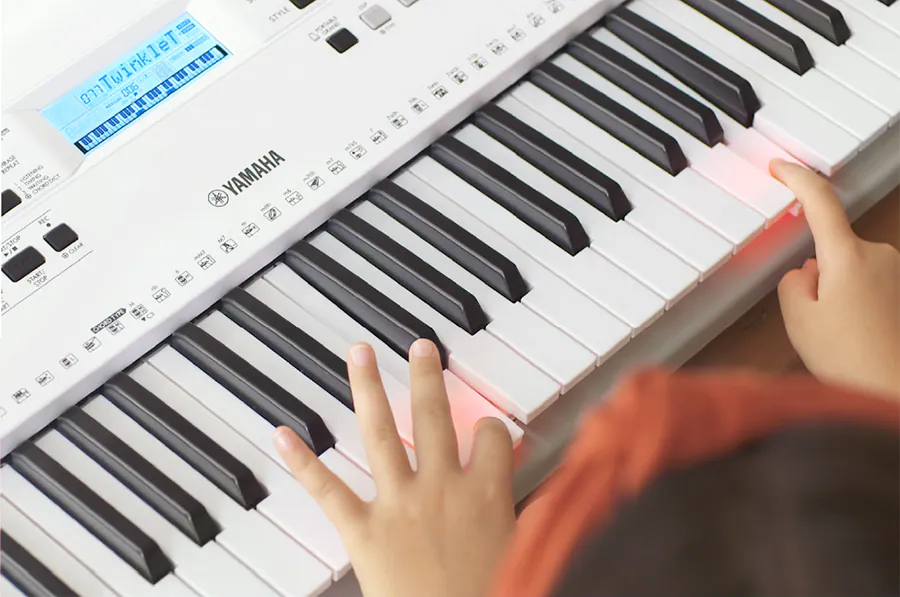
    Yamaha EZ300 61-Key Portable Keyboard with Lighted Keys and PA130 Power Adapter There’s something captivating about the soft glow of keys in a dimly lit room that invites you to create music, and our experience with the Yamaha EZ300 has been just that – inviting. As beginners taking our first steps into the world of keyboards, the lighted keys have been a revelation, guiding our fingers to the right notes and making learning incredibly intuitive.

    We found the “Keys to Success” feature especially useful, allowing us to tackle songs piece by piece, at a pace that suits us. It’s like having a patient teacher by your side, waiting for you to get it right. Even with minimal experience, we were making music in no time!


    The lessons on dynamics offered by the “Touch Tutor” mode brought a new dimension to our play, teaching us the subtlety of soft and loud, which we loved. Additionally, the Smart Chord and accompaniment styles have opened up a world where we can have a full backing band at our fingertips, making us feel like we’re leading our own mini-orchestra.

    Bottom Line

    The Yamaha EZ300 is more than just a keyboard – it’s a musical companion that grows with you, from your first timid note to confident, full-blown performances.

    If you’re looking to embark on your own musical journey, this could be the perfect starting point.

    Ready to light up your musical path? Click here to get your hands on the Yamaha EZ300 and start your journey today!

    Yamaha EZ300 61-Key Portable Keyboard Overview

    When we got our hands on the Yamaha EZ300, the first thing that struck us was its elegant silver-white finish which definitely catches the eye. This lightweight and compact keyboard boasts touch-sensitive, lighted keys which make learning to play much less daunting. Yamaha has designed this model with beginners in mind, providing a suite of educational features like the Keys to Success and Touch Tutor modes, which help beginners understand the dynamics of piano playing step-by-step.

    The EZ300 isn’t just about the basics though. It comes loaded with a staggering 622 instrument voices that include actual samples of a grand piano. The sounds are convincing and add to the enjoyment, whether you’re just practicing or trying out your own compositions. The Smart Chord feature is particularly handy for those of us who want to add depth to our music without having gotten the hang of complex chord structures yet.

    Sometimes, playing alone can feel a bit lonely, so the accompaniment styles are a welcome addition that act like a backing band. We’ve had a lot of fun experimenting with these – they’re surprisingly versatile and supportive of different music genres. It’s been great seeing progress by incorporating these dynamic styles into practice sessions and performances.

    Even though the EZ300 is packed with features, we should note that its speakers might not be powerful enough for large or noisy spaces. In such cases, you might want to connect it to an external sound system. That aside, we’ve found the EZ300 to be a fantastic tool for budding pianists looking to polish their skills on an intuitive and friendly instrument.

    Touch-Sensitive Lighted Keys

    When we first laid our hands on the keys, the immediate standout feature was their touch sensitivity. It’s a game-changer for beginners as each key lights up, guiding you through your learning process. The response to touch is well-calibrated, allowing for a dynamic playing experience that emulates the feel of an acoustic piano.

    What’s particularly helpful is the visual feedback these lighted keys provide. As we played, the illumination helped us correct our finger placement, which is invaluable when you’re starting out and not yet used to the key positions. However, it’s not all glowing reviews here; the visual aid might be distracting for some, especially when transitioning to a traditional keyboard without lighted keys.

    In essence, the touch-sensitive lighted keys are a feature that bridges the gap between novice enthusiasm and developing skill. Although seasoned players might find them unnecessary, for anyone at the beginning of their musical journey, they’re a supportive tool that can make practice sessions both effective and fun.

    Yamaha EZ300 61-Key Portable Keyboard with Lighted Keys and PA130 Power Adapter

    Lesson Modes

    When we got our hands on the EZ300, we quickly discovered the joy and challenges of its lesson modes. The lighted keys are incredibly helpful, especially for beginners like us who sometimes struggle to remember note placements. They light up to show the correct notes, which is a fantastic visual aid for learning new pieces.

    We found the “Keys to Success” mode particularly useful, as it allows us to tackle songs in manageable sections at a pace comfortable for us. Progressing through a song step-by-step made the learning experience a lot less intimidating.

    “Touch Tutor” became one of our favorites for developing a feel for the keyboard’s dynamics. It’s one thing to hit the right notes, but another to master the strength of each keystroke. This mode provides valuable feedback on our playing velocity, adding a layer of nuance to our performances.

    Although we all aren’t virtuosos, the “Smart Chord” feature made us feel like we could be. Playing complicated jazz chords with just a few fingers gave us a sense of accomplishment and inspired us to explore more diverse musical styles.

    And if you ever want to feel like you’re leading a band, the accompaniment styles are a blast. These modes add a backing band to our playing, which made our rendition of favorite tunes both full and lively, while still keeping us in control of the chords and arrangement. The lesson modes strike a balance between fun and education, enhancing our playing experience without overwhelming us.

    Smart Chord Function

    We’ve had the opportunity to get our hands on the EZ300’s Smart Chord feature and honestly, it’s impressive how it simplifies the process of playing chords. Even if you’re new to playing the keyboard, with Smart Chord, a single finger can produce complex harmony that sounds like it’s coming from a seasoned player. We found it particularly enjoyable that you don’t have to memorize various chord structures to start with; you can dive into playing accompaniments almost immediately.

    However, it’s worth noting that while this feature is fantastic for beginners and getting quick results, it might not offer the depth required by more advanced players who wish to explore and experiment with chords on their own. But in our experience, for anyone who’s playing more casually or just starting their musical journey, the Smart Chord function on the EZ300 is a genuine advantage. It allows us to focus less on the technicalities and more on the enjoyment of making music.

    Accompaniment Styles

    We’ve ordered two of the EZ300, and one of the aspects we found really fun to play with was the Accompaniment Styles feature. It truly gives you the feeling of having a backing band at your fingertips. Whether you’re going for a pop vibe or something with a jazz flair, the keyboard’s got you covered. We tried playing a few chords, and with just minimal effort, we got these lush accompaniments that made our simple melodies sound rich and full.

    This isn’t a mere digital replication; the chord progressions sound authentic and the transitions are impressively smooth. What stood out for us was the control we had—switching up the arrangements or changing chords didn’t interrupt the flow. However, if you’re looking for ultra-specific genre accompaniments, the options can feel a bit limited. Still, for spontaneous jam sessions or adding a polished sound to your performances, this feature is a win. It’s not perfect, but it certainly elevates the playing experience.

    Pros and Cons

    Pros

    After spending some time with the Yamaha EZ300, we noticed a handful of features that really made our experience enjoyable. The lighted keys are a standout, making it a breeze for us to start playing and learning new songs right away, especially helpful for beginners. We appreciated the Keys to Success lesson mode, which offers a self-paced learning experience, allowing us to grasp songs piece by piece.

    The Touch Tutor lesson mode is a neat addition, too. It gave us insight into the dynamics of playing, since it reacts to the strength with which the keys are hit. We were also having fun with the Smart Chord feature that turned our modest efforts into impressive-sounding chords with minimal finger gymnastics – fantastic for newbies aiming to sound more sophisticated.

    And, with Accompaniment Styles, we felt like we had our own backup band, jazzing up practice sessions and making the learning process more engaging.

    Cons

    On the flip side, while the keyboard offers a robust set of features, experienced musicians may find the 61-Key range a bit limiting for more complex pieces. Although we could play most of the stuff we wanted to, those used to full 88-key pianos might miss the extra notes.

    Though loud, the built-in speakers may not satisfy everyone. While we found them decent for personal practice, in larger rooms, or for performances, one might need to hook up external speakers.

    Lastly, while the educational features are top-notch, those who are already familiar with playing may not find them as useful. Yes, they are great for beginners and intermediates, but seasoned players might not benefit as much from these learning tools.

    To sum up, we had a real blast with the Yamaha EZ300. It’s friendly to newcomers, offers a solid array of features, and has that signature Yamaha build quality. Yet, it’s worth considering the keyboard’s range and on-board speaker volume depending on your skill level and intended use.

    Design and Portability

    When we first got our hands on the EZ300, its sleek silver-white finish immediately caught our eye. It’s one of those pieces that don’t just blend in; it enhances the space it’s in. Weighing just over 15 pounds, it’s not the lightest keyboard out there, but we found it portable enough to take from home to practice sessions without any hassle.

    One of the coolest design features has to be the lighted keys. They’re not only touch-sensitive, which adds an authentic piano feel, but they also light up to guide you through songs. This is a godsend for beginners like us, making learning those tricky new tunes less daunting.

    Although it’s a bit too bulky to be considered ultra-portable, we reckon its features make up for that. It doesn’t feel like a toy; there’s a sturdy feel to it that gives us confidence it can handle being moved around. The integrated lessons and variety of sounds mean we’ve been playing non-stop, barely noticing how quickly time flies. It’s become quite a favorite for evening jams and laid-back learning sessions.

    I bought a padded case for this product and it traveled well internationally. I think the case weighed more than the keyboard LOL!

    Customer Reviews

    We’ve been noticing a trend of sheer satisfaction among folks who’ve picked up the EZ300. Many describe it as a hit for both novice and intermediate keyboard enthusiasts. The light-up keys are a standout feature, especially for beginners eager to learn new songs without the steep learning curve. What surprises us is even seasoned musicians seem to give it a nod for its impressive feature set and sound quality.

    Some of us are new to playing keyboards, and we agree that the EZ300 is encouragingly user-friendly. Starting something new at any age can be daunting, and this keyboard seems to understand that, making the learning process engaging and less intimidating.

    From our experience, the robust sound from the speakers complements the authentic feel of the instrument sounds. And for learners, included perks like the free flowkey subscription offer a solid value-add, propelling users to dive into music education. There’s a sense of durability and quality that resonates with us, echoing the trustworthiness of the Yamaha brand.

    Yes, it’s as good as they say – a keyboard that feels like it’s been designed with real users in mind, balancing quality, features, and the joy of music-making.

    Conclusion

    Wrapping up our experience with the Yamaha EZ300, it’s easy to see why it’s a hit with both beginners and intermediate players. We especially love how the light-up keys assist in learning songs, a feature that’s as helpful as it is entertaining. While navigating through the vast array of sounds and learning modes, we found the keyboard is capable of providing a rich learning experience for newbies and enough advanced options for seasoned users to enjoy.

    The sound quality didn’t disappoint; it’s what you’d expect from a brand as reputable as Yamaha, clear and robust. The built-in speakers have a powerful output, making practice sessions a delight without needing external equipment. We appreciate the free flowkey offer, although you’ll have to stay on top of the promotional details.

    Sturdiness? Check. Quality? Absolutely. The build feels durable, meaning you can expect longevity from this piece of equipment. While we revelled in the authenticity of the instrument sounds, some of us have taken a particular shine to the learning features, noting how they refine our playing skills.

    Some minor cons include a learning curve for completely new users, but that’s a given with any musical instrument. Overall, the Yamaha EZ300 stands out as a well-rounded investment for anyone looking to embark on a musical journey or enhance their existing skills.

    I have purchased two of these Keyboards already and the sound is exceptional. Order yours today


    As an Amazon Associate I may earn a commision on qualifying purchases

  • Best Beginner Keyboards for Small Hands: Top Picks & Playing Tips

    Best Beginner Keyboards for Small Hands: Top Picks & Playing Tips

    Selecting the perfect beginner keyboard for small hands can seem like a daunting task, but it’s crucial for ensuring a comfortable and enjoyable learning experience. With the right instrument, those early stages of musical exploration become much more accessible and fun.

    Manufacturers have recognized the need for more inclusive designs, and today’s market offers a variety of keyboards tailored to smaller hands. These models often feature narrower keys and a more compact layout, making it easier for beginners to reach chords and melodies without strain. Whether it’s for a young child or an adult with petite hands, finding the right keyboard can make all the difference in sparking a lifelong passion for music.

    Understanding the needs of small-handed players

    Selecting the right keyboard for beginners with small hands isn’t just about the size; it’s about ensuring a comfortable and enjoyable experience that encourages continuous learning and practice. Small-handed players, be they children or adults, face unique challenges that can impact their learning curve and overall interest in music. Understanding these challenges is key to making an informed choice.

    Firstly, the stretch required for octave plays or complex chords on a standard keyboard can lead to discomfort or even strain for those with smaller hands. This struggle can deter learners, making practices less effective and, over time, diminishing their zeal to continue. Keyboards designed with a more compact layout address this issue by reducing the distance between keys, thereby making it easier for small hands to navigate complex musical pieces without unnecessary strain.

    Another aspect to consider is the weight of the keys. Beginners, particularly children, might find the weighted keys of a traditional piano too hard to press down. Keyboards with lighter, more responsive keys can make a significant difference in playability, allowing for easier and more nuanced control over the music.

    Manufacturers have recognized these needs and have begun to offer models that cater specifically to this demographic. Features like reduced key sizes, lighter action, and slim profiles not only accommodate the physical constraints of smaller hands but also help in building confidence and skill over time.

    Key Characteristics to Look For

    When shopping for the perfect beginner keyboard for small hands, keep an eye out for the following features:

    • Reduced key size: Slightly narrower keys can make a big difference in playability for small hands.
    • Lighter key action: Keyboards with a lighter touch response are easier to play, especially for young learners.
    • Compact design: A slimmer profile and reduced width can help small-handed players reach all keys comfortably.
    Feature Benefit for Small-Handed Players
    Reduced key size Easier chord and melody play
    Lighter key action Less finger strain, more nuanced control
    Compact design Comfortable reach for both hands

    Factors to consider when choosing a beginner keyboard

    When selecting a beginner keyboard for small hands, it’s essential to consider several key factors that can significantly impact a learner’s experience. Understanding these aspects will help ensure that the keyboard not only fits the player’s physical needs but also supports their musical development.

    Key Size and Action

    The size of the keys and their action—how they respond to touch—are crucial for small-handed individuals. Standard keyboards might pose a challenge, as their keys could be too wide and heavy, making it difficult for a learner to play comfortably.

    • Reduced Key Size: Look for keyboards with slightly smaller keys. This adjustment can make a world of difference, enabling easier reach and less strain.
    • Lighter Key Action: Keyboards with a lighter touch require less force to press the keys. This is especially beneficial for beginners who might not yet have developed strong finger muscles.

    Compact Design

    A keyboard’s overall design plays a significant role in accessibility and comfort. Compact models are more suited for learners with small hands, as they often include a smaller keybed and a more manageable overall size, ensuring that players can reach the entire range without overstretching.

    • Number of Keys: Beginner keyboards typically range from 61 to 76 keys, fewer than the 88 keys of a standard piano. This reduction not only makes the instrument more compact but also less daunting for new players.

    Additional Features to Enhance Learning

    Beyond the physical characteristics of the keyboard, certain features can make learning more enjoyable and efficient for beginners.

    • Built-In Lessons: Some keyboards come equipped with interactive learning tools, such as built-in lessons or light-up keys, to guide beginners through their first songs.
    • Headphone Jack: For learners, being able to practice without worrying about disturbing others can be a bonus. A headphone jack allows for private practice sessions, encouraging more practice time.
    • Recording Capability: Being able to record and playback one’s playing can be incredibly beneficial for progress tracking and self-evaluation.
    • High-Quality Sounds: Quality sound can make practice sessions more rewarding and enjoyable, encouraging learners to spend more time with their instrument.
    • Variety of Voices: Having a range of instrument voices and sound effects can keep practice engaging and fun, allowing beginners to

    Top beginner keyboards designed for small hands

    When embarking on the musical journey, beginners with smaller hands should consider keyboards specifically designed to accommodate their unique needs. Manufacturers have recognized the importance of creating instruments that cater to a broader range of players, including younger individuals or those with petite hand sizes. This section highlights some of the best beginner keyboards suitable for small hands, ensuring that the path to becoming a proficient pianist is as comfortable and enjoyable as possible.

    Yamaha Piaggero NP-12

    One of the standout options is the Yamaha Piaggero NP-12. This keyboard features a slim and lightweight design, making it ideal for small spaces and easy transport. With 61 keys, it provides a reduced key size which is perfect for players with smaller hand spans. Despite its compact size, the NP-12 doesn’t compromise on quality. It boasts Yamaha’s Advanced Wave Memory Stereo Sampling, delivering rich and expressive sounds that inspire beginners to keep practicing.

    Casio SA-76

    For those seeking a budget-friendly option, the Casio SA-76 is an excellent choice. It is specifically designed for children and beginners, featuring 44 mini-sized keys that are perfect for small fingers. The SA-76 doesn’t skimp on features, offering 100 tones, 50 rhythms, and 10 integrated songs for varied practice sessions. Its simple operation and playful design encourage consistent practice and exploration.

    Roland GO:KEYS GO-61K

    The Roland GO:KEYS GO-61K is another fantastic option that caters to beginners with small hands. This innovative keyboard introduces a unique approach to playing and learning music. It comes equipped with 61 touch-sensitive keys with a reduced size, making it easier for small hands to navigate. What sets the GO:KEYS apart is its loop mix function, allowing players to build songs by simply triggering looped phrases and beats. This interactive feature brings an element of fun and creativity to practice sessions, making learning an engaging experience.

    Tips for optimal playing experience

    Choosing the right beginner keyboard for small hands is just the first step in a musical journey. Beyond the selection of an instrument, adopting proper techniques and practices can significantly enhance the playing experience. When embarking on this path, beginners should consider the following advice to ensure they’re not only comfortable but also making the most of their practice sessions.

    Proper Posture and Keyboard Placement

    A foundational aspect of playing the keyboard effectively, especially with smaller hands, is maintaining good posture. Sitting upright, yet relaxed, allows players to reach keys more easily without straining. The keyboard should be positioned at a height where the forearms are parallel to the floor when the hands are on the keys. This alignment helps in reducing fatigue and improving accuracy during playing.

    Adjustable Benches and Pedals

    Investing in an adjustable bench can make a significant difference in finding the right playing position. It allows players of all sizes to adjust their seating height to the optimal level for easy access to the entire keyboard. Similarly, beginners with small hands may find pedal extenders useful. These devices help in comfortably reaching the pedals without having to stretch or adopt awkward positions.

    Hand Positioning and Finger Techniques

    For those with small hands, mastering hand positioning and finger techniques is crucial. They’re advised to:

    • Keep their fingers curved, as if holding a small ball.
    • Use the tips of their fingers to press the keys, avoiding flat finger playing.
    • Practice scales and exercises designed to improve finger strength and dexterity, which can make playing more fluid and reduce the effort needed to press the keys.

    Utilizing Keyboard Features

    Modern beginner keyboards come equipped with features designed to support learning and make playing easier. Here are a few functionalities to look for:

    • Touch sensitivity: Adjusting touch sensitivity can help players with smaller hands not to have to press as hard to produce sound.
    • Key lighting: Some keyboards have keys that light up to show players which notes to play, providing visual guidance.

    Regular Practice and Patience

    Consistency is key in mastering any new skill, and learning to play the keyboard is no exception. Regular practice sessions, even if they’re short, can lead to steady progress. Break up practice into focused sessions targeting specific skills or pieces. And remember, patience is essential. Progress might seem slow at first, but with time and dedication, improvement will become noticeable.

    Conclusion

    Choosing the right beginner keyboard for small hands can make a world of difference in a budding musician’s journey. With options like the Yamaha Piaggero NP-12, Casio SA-76, and Roland GO:KEYS GO-61K, there’s a perfect fit out there for everyone. Remember, it’s not just about the instrument but also how you use it. Embracing proper posture, adjusting your setup, and mastering hand positioning are key to a comfortable and rewarding playing experience. And let’s not forget the power of practice and patience. With these insights, you’re well on your way to making beautiful music that feels as good as it sounds.

  • Top Good Beginner Keyboards for Music Recording: Unlock Your Potential

    Top Good Beginner Keyboards for Music Recording: Unlock Your Potential

    Starting your musical journey can be thrilling, especially when it comes to recording your own music. For beginners, finding the right keyboard to kickstart this journey is crucial. It’s not just about the keys and sounds; it’s about finding a keyboard that’ll grow with you as your skills flourish.

    Choosing the perfect beginner keyboard for recording doesn’t have to be daunting. With the right information, you can find a keyboard that offers the best blend of features, ease of use, and value for money. Whether you’re looking to lay down your first track or simply want to experiment with sounds, the right keyboard can make all the difference.

    Factors to Consider When Choosing a Beginner Keyboard

    When diving into the world of music recording, the keyboard serves as the beginner’s first point of contact with their musical expressions. It’s not just an instrument; it’s a companion on the journey toward musical fluency. So, taking the time to select the right keyboard is crucial. Here are key factors that every budding musician should consider.

    Key Count and Size

    The number of keys on a keyboard can significantly impact a beginner’s learning curve and comfort. Standard keyboards have 88 keys, but for beginners, especially those short on space or budget, keyboards with 61 or 76 keys are more manageable and still offer a broad range of octaves for exploration.

    • 61 keys are suitable for basic learning and compact spaces.
    • 76 keys provide a middle ground, offering more octaves while still being manageable in size.

    Touch Sensitivity

    Touch sensitivity is a feature that allows the keyboard to respond to the force with which the keys are pressed, mimicking the acoustic piano’s responsiveness. This is essential for expressing dynamics in music. Beginners will find that playing on a touch-sensitive keyboard greatly enhances their expressiveness and technique from the start.

    Built-in Learning Tools

    Many keyboards now come equipped with features and tools designed to assist beginners in their learning journey. These can include:

    • Built-in lessons covering the basics of music theory, keyboard playing, and even specific song tutorials.
    • Light-up keys that guide finger placement for learning songs.
    • Apps and software compatibility for interactive learning experiences.

    Sound Quality and Variety

    A beginner’s keyboard should inspire creativity and passion for music. High-quality sound samples and a variety of instrument voices can make practice sessions more enjoyable and productive. From grand pianos to strings and percussion, the sound variety can also fuel a beginner’s exploration of different music genres.

    Connectivity Options

    For those looking to record music, connectivity options are a non-negotiable aspect. USB and MIDI (Musical Instrument Digital Interface) ports are vital for connecting the keyboard to computers and other recording equipment. This connectivity not only facilitates recording but also opens up a world of digital learning and music production software.

    Here’s a brief comparison of essential features to look for:

    Feature Importance
    Key Count and Size Choose based on space available and the range of music you wish to explore.
    Touch Sensitivity

    Top Features to Look for in a Beginner Keyboard

    When stepping into the world of music recording, selecting the right keyboard can be a pivotal decision for beginners. It’s not just about finding any keyboard but rather one that aligns with their learning curve and recording needs. Here are the key features to keep an eye out for when shopping for a beginner keyboard.

    Key Count and Size

    A standard acoustic piano has 88 keys, but beginners may not need the full range immediately. Keyboards with 61 to 76 keys are often more than sufficient for those just starting out. They offer enough octaves to explore a variety of music genres without feeling overwhelmed. Additionally, the size of the keys is critical. Full-size keys provide a smoother transition to playing an acoustic piano later on.

    Feature Ideal Specification
    Key Count 61 to 76 keys
    Key Size Full-size keys

    Touch Sensitivity

    Touch sensitivity is a vital feature that allows the keyboard to respond to the pressure of the fingers, mimicking the expressiveness of an acoustic piano. Beginners will benefit greatly from a touch-sensitive keyboard as it aids in developing dynamics in their playing from the start.

    Built-in Learning Tools

    Modern keyboards come equipped with built-in learning tools that are incredibly helpful for beginners. From light-up keys to step-by-step lessons, these features guide learners through the basics of music theory and technique. Some keyboards even offer apps that learners can use to further their skills at their own pace.

    Sound Quality and Variety

    High sound quality is essential for creating recordings that beginners can be proud of. A good beginner keyboard should offer a range of sounds or voices, from different types of pianos to orchestral instruments, which can inspire creativity. Having a variety of high-quality sounds at their fingertips allows beginners to explore different music styles and find their unique sound.

    Feature Ideal Specification
    Sound Quality High
    Sound Variety Wide range of voices

    Connectivity Options

    Connectivity is another crucial factor to consider. A beginner keyboard should have options for connecting to computers, smartphones, or other MIDI devices. This connectivity allows for easy recording, editing, and sharing of music. USB and MIDI ports are common in many models, making them compatible with a variety of music software and recording setups.

    • USB Ports
    • MIDI Ports

    Best Beginner Keyboards for Recording Music

    When stepping into the world of music recording, finding the right keyboard can make all the difference. Beginners should look for instruments that not only appeal to their musical tastes but also support their learning journey. Here’s a glance at some of the top choices that blend quality, features, and value.

    Yamaha PSR-EW300

    The Yamaha PSR-EW300 is a standout among beginner keyboards, offering 76 touch-sensitive keys for expressive playing. It strikes a perfect balance between functionality and affordability, making it an excellent choice for those starting their musical journey. Notably, the PSR-EW300 comes with a robust selection of 574 instrument voices, allowing beginners to explore various sounds and genres. With its built-in education suite, learners can practice at their own pace using the included lessons on chords, techniques, and music theory.

    • Key Features:
    • 76 touch-sensitive keys
    • 574 instrument voices
    • Built-in education suite
    • USB connectivity for easy recording

    Casio CTK-2550

    Another great starter option is the Casio CTK-2550, a compact keyboard with 61 keys. It’s designed to be easily portable while still offering a rich set of features. With 400 high-quality tones and 150 built-in rhythms, it provides a variety of musical exploration paths. The CTK-2550 doesn’t skimp on educational resources either, as it includes access to the free Chordana Play app, which helps beginners learn to play their favorite songs with a smartphone or tablet.

    • Key Features:
    • 61 keys
    • 400 tones, 150 rhythms
    • Chordana Play app compatibility
    • Dance music mode for creating and remixing electronic tracks

    Alesis Melody 61 MKII

    For those looking for an all-in-one package, the Alesis Melody 61 MKII is a compelling choice. This keyboard not only comes with 61 full-size keys but also includes accessories such as a stand, bench, headphones, and a microphone for singing along. It features 300 built-in sounds and 40 demo songs, alongside an easy-to-use record feature for capturing creative moments. The Melody 61 MKII is perfect for beginners who want everything they need to start playing right out of the box.

    • Key Features:
    • 61 full

    Tips for Getting the Most Out of Your Beginner Keyboard

    Embarking on a musical journey with a beginner keyboard opens a world of possibilities. Whether it’s the Yamaha PSR-EW300, Casio CTK-2550, or Alesis Melody 61 MKII, maximizing the potential of these instruments involves more than just pressing keys. Here are some strategies and practices that can significantly enhance the learning and recording experience.

    Firstly, exploring the full range of sounds and features inherent in these keyboards ignites creativity and broadens musical horizons. Each model mentioned comes packed with a variety of instrument voices and rhythm patterns. Spending time to explore these sounds not only familiarizes beginners with different musical genres but also provides a comprehensive toolkit for creating unique compositions.

    In addition, leveraging the educational tools and apps that accompany these keyboards can dramatically improve proficiency and understanding of music theory. For instance, the Yamaha PSR-EW300 and Casio CTK-2550 offer access to software that guides beginners through lessons, helping them learn songs and techniques at their own pace. This blend of technology and traditional learning accelerates growth and builds a solid foundation in music.

    Recording and listening back to one’s performances should become a regular practice. Most beginner keyboards feature easy recording options that allow musicians to capture and review their playing. This not only helps in identifying areas of improvement but also tracks progress over time. It’s an excellent way for learners to critique their own work, understand timing, and focus on dynamics that they might overlook during the act of playing.

    Setting realistic goals and challenges for oneself ensures steady progress and keeps motivation high. Whether it’s mastering a new song, experimenting with composing, or exploring the use of different instrument voices, setting milestones can make the learning journey exciting and rewarding.

    Lastly, connecting with a community of fellow musicians can provide invaluable support and inspiration. Online forums, social media groups, and music classes offer platforms where beginners can share experiences, ask for advice, and collaborate with others. This sense of community not only encourages learning through sharing but also opens up opportunities for feedback from more experienced musicians.

    By embracing these approaches, beginners can unlock the full potential of their keyboards. It’s not just about having the right equipment but also about adopting the right mindset and practices to foster musical growth. Each step taken is a step closer to realizing one’s musical aspirations, making every moment spent at the keyboard profoundly rewarding.

    Conclusion

    Choosing the right beginner keyboard like the Yamaha PSR-EW300, Casio CTK-2550, or Alesis Melody 61 MKII is just the start of an exciting musical journey. By diving into the features these keyboards offer and leveraging educational tools, beginners can rapidly enhance their skills. It’s about more than just practicing; it’s about exploring music’s vast possibilities and connecting with others who share the same passion. So grab your keyboard, set some goals, and start making music that expresses your unique voice. The world of music awaits and it’s filled with endless opportunities for growth and creativity.

  • Top Beginner Keyboards with Weighted Keys: Find Your Perfect Match

    Top Beginner Keyboards with Weighted Keys: Find Your Perfect Match

    Stepping into the world of music can be as thrilling as it is daunting, especially for beginners looking for the perfect instrument to start their journey. For those drawn to the piano, choosing the right keyboard is crucial. It’s not just about the brand or the price, but the feel of the keys under your fingers that can make all the difference.

    Enter the realm of weighted keys, a feature that mimics the resistance and touch of an acoustic piano. For beginners, a keyboard with weighted keys can be a game-changer, offering a more authentic playing experience and smoother transition to an acoustic piano down the line. Let’s dive into why starting with a weighted keyboard could be the best decision for any budding pianist.

    Understanding Weighted Keys

    When beginners set out to learn the piano, the type of keyboard they choose can significantly impact their learning curve and overall playing experience. One critical feature that can make all the difference is whether or not the keyboard has weighted keys. Weighted keys aim to mimic the resistance and tactile feedback of an acoustic piano’s keys, which are heavier due to the mechanical action required to produce sound.

    Weighted keys come in various forms, each offering a slightly different playing feel. The most common types are:

    • Semi-Weighted Keys: These provide a mild resistance and are a midpoint between unweighted synth-action keys and fully weighted piano keys.
    • Hammer Action Keys: Designed to replicate the hammer mechanism of an acoustic piano, these keys offer a resistance that closely matches that of a traditional piano.
    • Graded Hammer Action: This type mirrors the nuanced weight difference across an acoustic piano’s keyboard—lighter in the upper registers and heavier in the lower ones.

    Investing in a keyboard with weighted keys can offer several benefits for beginners. Firstly, it fosters proper finger strength and technique from the outset. Learning on weighted keys encourages the development of the subtle finger movements required for dynamic playing, something that’s essential for advancing to more complex pieces and ultimately, performing on an acoustic piano.

    Moreover, the tactile response of weighted keys aids in ear training. By producing a sound that’s more akin to an acoustic piano, students can better discern the nuances of their playing, tuning their ear to the quality of the note produced rather than just its pitch.

    Feature Benefit
    Semi-Weighted Keys Mild resistance; good for transitioning
    Hammer Action Keys Close to acoustic piano feel
    Graded Hammer Action Replicates weight variation across keys
    Overall Weighted Keys Builds finger strength and technique

    For those pondering whether to opt for a keyboard with weighted keys, it’s crucial to consider not just the current stage of learning but also future goals. If the aspiration is to eventually transition to an acoustic piano or to perform pieces with expressive depth and dynamism, starting on a keyboard with weighted keys lays a solid foundation.

    Benefits of Weighted Keys for Beginners

    When beginners choose a keyboard with weighted keys, they’re setting themselves up for success in their musical journey. Weighted keys mimic the resistance and tactile feedback found in acoustic pianos, creating a more authentic playing experience. This detail may seem small, but its impact on learning and skill development is profound.

    Enhanced Finger Strength and Technique

    Playing a keyboard that lacks the resistance found in an acoustic piano can lead to underdeveloped finger strength and poor hand posture. In contrast, weighted keys require a deliberate touch and pressure, which naturally leads to stronger fingers and better technique. Over time, this ensures that beginners are not just playing notes but expressing music with confidence and control.

    Improved Ear Training and Musical Expression

    Weighted keys offer a dynamic range that is crucial for developing a refined musical ear. They respond to the force with which they are pressed, meaning the sound can be soft or loud depending on the player’s touch. This responsiveness encourages players to experiment with dynamics, thus enhancing their ear training and ability to express themselves musically.

    Seamless Transition to Acoustic Pianos

    Many beginners aspire to play on an acoustic piano someday. A keyboard with weighted keys makes this transition smoother. Since the playing feel is similar, students can move to an acoustic piano with minimal adjustment, ensuring continuity in their progress and technique.

    Types of Weighted Keys

    Understanding the types of weighted keys can help beginners make an informed decision:

    • Semi-weighted keys: Offer a lighter touch. Suitable for beginners not ready for the full weight of hammer action but seeking some resistance.
    • Hammer action keys: Mimic the mechanism of an acoustic piano, providing a heavier, more realistic touch.
    • Graded hammer action: Offers varying weights across the keyboard, heavier in the low end and lighter in the high end, closely resembling the feel of an acoustic piano.
    Type Resistance Level Suitability
    Semi-weighted Keys Light Beginners
    Hammer Action Keys Heavy Intermediate Players
    Graded Hammer Action Variable Advanced and Beginners

    Features to Look for in a Beginner Keyboard

    When embarking on the journey to find the perfect beginner keyboard with weighted keys, there are several features beyond the key action itself that are crucial to consider. These features not only enhance the learning experience but also ensure the player can develop their skills effectively.

    Touch Sensitivity: A key aspect of a beginner keyboard is touch sensitivity. This feature allows the volume of the sound to change depending on how hard or soft the keys are pressed, mirroring the dynamics of an acoustic piano. It’s an invaluable tool for fostering expressive playing and an understanding of musical nuance.

    Number of Keys: Most acoustic pianos have 88 keys, but beginners might not need all of them at first. Keyboards with 61 or 76 keys can still offer a comprehensive learning experience and are often more manageable and budget-friendly. However, choosing a keyboard with 88 keys prepares a beginner for the eventual use of all the octaves found in classical and modern compositions.

    Built-in Learning Tools: Many modern keyboards come equipped with built-in lessons and songs that help beginners learn the basics of piano playing. Features like split keyboard mode, where the keyboard is divided into two parts with the same pitch range, allow for duet playing or teacher-student interaction, making the learning process much more engaging and effective.

    Connectivity: In today’s digital age, connectivity options such as USB and MIDI are essential. They allow the keyboard to connect to computers and mobile devices, enabling the use of various educational apps and software which can significantly enhance the learning experience. Recording capabilities are also a plus, as they let students listen back to their performances to identify areas for improvement.

    Important Considerations

    While searching for the right keyboard, it’s essential to strike a balance between features and budget. Beginners should prioritize:

    • Weighted keys for a realistic playing feel
    • Touch sensitivity for expressive capability
    • An adequate number of keys for learning and growth
    • Built-in lessons to facilitate self-teaching
    • Connectivity options for extended functionality and learning opportunities

    However, they shouldn’t be swayed by unnecessary features that inflate the cost without substantially contributing to the learning process. A simple, well-built keyboard with the key features listed above can often provide a more focused and effective learning path than a high-end model overloaded with gadgets and gizmos.

    Top Recommended Beginner Keyboards with Weighted Keys

    When embarking on the musical journey of learning the piano, selecting the right instrument is crucial. For beginners looking for keyboards with weighted keys, several models stand out for their quality, features, and affordability. Weighted keys offer a simulation of the feel of an acoustic piano, making them an excellent choice for students who aim to transition to traditional pianos in the future.

    Yamaha P-45 Digital Piano

    The Yamaha P-45 is a top choice for beginners, offering a realistic piano experience without breaking the bank. Featuring 88 fully-weighted keys and Yamaha’s classic sound engine, this keyboard provides a rich tone and responsive touch that closely mimics an acoustic piano.

    • Key Features:
    • 88 weighted keys
    • Advanced Wave Memory (AWM) sampling
    • Compact and lightweight

    Ideal for those who have limited space, the P-45’s sleek design fits well in small rooms or apartments. Its USB connectivity also allows for easy connection to a variety of music education apps.

    Casio Privia PX-160BK

    Another excellent option for beginners is the Casio Privia PX-160BK. Known for its outstanding touch response and natural piano sound, the PX-160BK is a perfect match for students who are serious about learning.

    • Key Features:
    • Tri-Sensor Scaled Hammer Action Keyboard
    • 18 built-in tones
    • Duet Mode for side-by-side practice

    The Privia PX-160BK also features dual headphone outputs, making it ideal for quiet practice sessions or duets. Its slim design not only saves space but also comes at a friendly price point.

    Korg B1SP Digital Piano

    For beginners who appreciate the full package, the Korg B1SP offers an attractive solution. With its 88 natural weighted keys, built-in speaker system, and included stand and pedal unit, this keyboard provides everything a new pianist needs to start playing immediately.

    • Key Features:
    • Natural Weighted Hammer Action (NH) keyboard
    • MFB (Motional Feedback) technology
    • Includes stand and pedal unit

    Although it may be a bit pricier than other options, the Korg B1SP packs value with its all-inclusive setup, making it a solid investment for the aspiring pianist.

    Conclusion

    Choosing the right beginner keyboard with weighted keys is a crucial step in starting a musical journey on the right note. The Yamaha P-45, Casio Privia PX-160BK, and Korg B1SP stand out for their quality, affordability, and beginner-friendly features. They’re not just instruments; they’re gateways to the world of music, offering a solid foundation for anyone eager to learn. Whether it’s the authentic touch or the rich soundscapes these keyboards provide, beginners are in for a treat. With these options, diving into piano lessons feels less daunting and more like an exciting adventure.

  • Keyboard vs Digital Piano for Beginners: Which to Choose?

    Keyboard vs Digital Piano for Beginners: Which to Choose?

    Deciding between a keyboard and a digital piano can be a bit of a head-scratcher for beginners. Both instruments offer unique benefits, but it’s their differences that will ultimately help you hit the right note in your musical journey. Whether you’re dreaming of serenading with classical pieces or rocking out with modern hits, choosing the right instrument is crucial.

    Keyboards are celebrated for their versatility and portability, appealing to those who love experimenting with different sounds and rhythms. On the flip side, digital pianos aim to closely mimic the touch and feel of acoustic pianos, making them a favorite among classical music enthusiasts and those seeking an authentic piano experience. Let’s dive into the world of keys and hammers to discover which instrument strikes a chord with beginners.

    Understanding Keyboard Features

    When stepping into the world of music, beginners often find themselves mesmerized by the range of features keyboards offer. Unlike digital pianos that focus on emulating the acoustic piano experience, keyboards shine in their versatility and array of functions, making them an adventure playground for those who love to explore different sounds and rhythms.

    One of the key attractions of keyboards is their built-in library of sounds and instruments. Players can switch from grand piano tones to strings, brass, and even synths with the press of a button. This variety not only enriches the playing experience but also opens up a world of musical genres for beginners to explore. Whether it’s jazz, rock, or electronic music, there’s a sound for every style hidden within the keyboard’s digital arsenal.

    Another feature that sets keyboards apart is their portability. Unlike the bulky digital pianos, keyboards are generally lightweight and compact, making them perfect for musicians on the go. This portability encourages beginners to practice anytime, anywhere, which can significantly boost their learning curve.

    Rhythm and Accompaniment Features are also pivotal in keyboards, offering beginners an opportunity to play along with pre-recorded drum beats and backing tracks. This not only makes practice sessions more engaging but also helps in developing timing and rhythm skills. For those who aspire to write their own music, these features can be invaluable tools for composing and arranging.

    Here’s a look at some common features found in most keyboards:

    • Multiple Instrument Sounds: From pianos to strings and drums, keyboards offer a range of sounds.
    • Built-in Rhythms and Accompaniments: Background tracks to play along with.
    • Recording Functionality: Allows players to record and playback their performances.
    • MIDI Compatibility: Enables the keyboard to connect with computers and other MIDI devices for music production.

    The inclusion of educational features in many keyboards is another boon for beginners. With built-in lessons, light-up keys, and interactive apps, learning to play has never been easier. These tools are designed to make the learning process both effective and enjoyable, paving the way for beginners to progress quickly in their musical journey.

    Moreover, keyboards often come equipped with a range of effects like reverb and chorus, allowing players to experiment with their sound. This not only enhances the musical experience but also fosters creativity and personal expression.

    Exploring Digital Piano Advantages

    When considering the options for a beginner musician, digital pianos offer remarkable advantages that cater specifically to those aiming to learn and master the piano. Unlike keyboards, which are known for their versatility and array of sounds, digital pianos focus on emulating the acoustic piano experience with precision. This approach to design provides learners with a true-to-life piano feel, which is essential for developing the proper techniques from the start.

    One of the most notable benefits of digital pianos is their weighted keys feature. Weighted keys mimic the resistance felt when pressing the keys of an acoustic piano, providing an authentic playing experience. This is crucial for beginners who are building their finger strength and dexterity, as it allows them to transition to an acoustic piano with ease should they choose to in the future.

    Sound quality in digital pianos is another area where they shine. Manufacturers of digital pianos invest heavily in sampling technology to ensure that the sound produced is as close as possible to that of a grand piano. This means beginners can enjoy a rich and resonant sound that inspires continuous practice and improvement. Moreover, the ability to connect headphones allows students to practice without disturbing others, making it perfect for home use.

    Digital pianos also come equipped with a variety of learning tools and features designed to aid beginners. Many models include built-in metronomes, record and playback functions, and even lesson programs. These features enhance the learning experience, allowing beginners to monitor their progress and work on areas that need improvement without the constant need for a teacher’s presence.

    The aesthetic appeal of digital pianos cannot be overlooked either. They often resemble traditional pianos, lending an air of seriousness and sophistication to any room they occupy. For beginners, having an instrument that feels and looks professional can be incredibly motivating, reinforcing their commitment to learning and practicing regularly.

    Finally, the maintenance aspect of digital pianos is considerably less demanding compared to their acoustic counterparts. There’s no need for regular tuning, and the risk of damage from environmental factors like humidity and temperature is significantly reduced. This reliability means beginners can focus solely on their practice without worrying about the instrument’s condition deteriorating over time.

    Digital pianos represent a focused choice for beginners passionate about learning the piano. They offer a blend of authenticity, functionality, and convenience that not only supports but also encourages the musical journey from the outset.

    Key Differences in Sound Quality

    When beginners are choosing between a keyboard and a digital piano, one of the most significant considerations is the sound quality. While both instruments are electronic, their sound production and quality vary greatly, affecting the learning and playing experience.

    Digital pianos are designed to emulate the sound of an acoustic piano as closely as possible. They incorporate sampled sounds from real grand pianos, offering a rich and authentic tone. Advanced digital pianos use sophisticated technology to replicate the nuances of acoustic piano sounds, including the resonance of the strings and the depth of the hammer action. This results in a sound that’s not only beautiful but also dynamically responsive to the player’s touch.

    In contrast, keyboards often prioritize a wide array of sounds and effects over replicating the sound of a traditional piano. They come with hundreds, sometimes thousands, of different tones and rhythms ranging from orchestral instruments to modern electronic sounds. While this variety can be fun and encourage creativity, it’s worth noting that the piano tones in keyboards might not have the same depth and realism as those in digital pianos. They often rely on simpler sound synthesis methods, which can result in less nuanced piano sounds.

    The sound output mechanism also plays a role in the overall sound quality. Digital pianos typically feature built-in speakers that are larger and offer better sound projection compared to keyboards. This difference means that digital pianos can produce a fuller, more resonant sound even at lower volumes. Keyboards, with their more compact and portable design, have smaller speakers. As a result, the sound might seem thinner and less satisfying, especially for beginners who are still developing their ear for piano tones.

    For learners who aim to develop a serious understanding and appreciation of piano music, the superior sound quality of digital pianos provides a more inspiring and authentic experience. On the other hand, beginners with a keen interest in exploring a variety of musical genres and sounds may find the diverse offerings of keyboards more appealing.

    Both digital pianos and keyboards offer unique benefits in terms of sound quality. It’s essential for beginners to consider what aspects of sound are most important to them in their learning and playing journey. Whether it’s the authenticity and depth of a digital piano or the versatility and variety of a keyboard, choosing the right instrument can significantly influence a beginner’s motivation and progress in mastering the piano.

    Portability and Durability Comparison

    When considering a musical instrument like a keyboard or digital piano, beginners often overlook portability and durability. However, these factors can significantly influence a musician’s practice routines and performance opportunities. Keyboards are generally lighter and more compact compared to digital pianos, making them a favorite for musicians on the move.

    Keyboards, with their streamlined design, weigh significantly less than most digital pianos. This makes them easier to transport from one location to another. They can be effortlessly packed into a carry case and taken to lessons, gigs, or even on vacation. This portability allows beginners to practice anywhere, which can greatly enhance their learning curve.

    Digital pianos, on the other hand, are designed to emulate the feel and sound of an acoustic piano. This often means they come with a heavier build to accommodate the necessary technology and weighted keys. Weighted keys are crucial for developing the correct finger technique and dynamics in piano playing. While this aspect favors the authenticity and quality of the play, it does make digital pianos less portable.

    To put things into perspective, here’s a basic comparison of weights between typical keyboards and digital pianos:

    Type Average Weight
    Keyboard 10-20 lbs
    Digital Piano 100-300 lbs

    Durability is another critical factor. Keyboards tend to be made from lighter materials, which, while contributing to their portability, may not always offer the same level of durability as digital pianos. The plastic components of a keyboard can be susceptible to damage if not handled with care. On the contrary, digital pianos are constructed to be more robust. With wooden or metal frames, they are designed to withstand more rigorous use. This makes them a suitable option for those looking for an instrument that can endure years of practice.

    However, it’s essential to note that the durability of an instrument also greatly depends on how it’s treated. Regular maintenance and careful handling can extend the life of both keyboards and digital pianos significantly.

    • Keyboards offer convenience in terms of easy mobility but might require more delicate handling.
    • Digital pianos provide a more authentic playing experience with their weighted keys and are built to last but are less convenient to transport.

    Making the Right Choice as a Beginner

    Choosing between a keyboard and a digital piano can be a pivotal moment for beginners. It’s not merely about selecting an instrument; it’s about picking a partner for the musical journey ahead. For novices, understanding the nuances between keyboards and digital pianos helps tailor the learning experience to individual needs and goals.

    Keyboards stand out for their ease of use and accessibility. They’re often the go-to for beginners due to their versatility and the variety of sounds and rhythms they offer. With features like built-in lesson modes and light-up keys, keyboards present an engaging learning path for those just starting out. They’re also more budget-friendly, which is crucial for beginners not yet ready to invest heavily in an instrument.

    On the flip side, digital pianos provide a more authentic playing experience, closely mimicking the touch and feel of an acoustic piano. For beginners whose aim is to develop strong foundational skills, particularly in classical or jazz music, the weighted keys of a digital piano can be invaluable. They simulate the resistance of an acoustic piano, offering a better understanding of dynamics and finger strength.

    Here’s a quick comparison to help beginners weigh their options:

    Feature Keyboard Digital Piano
    Portability Lightweight and easy to transport Heavier and less portable
    Feel and Response Light and unweighted keys Weighted keys for an authentic feel
    Variety of Sounds Hundreds of options Fewer, more piano-focused sounds
    Cost Generally more affordable Higher initial investment

    When making the decision, beginners should consider their space, budget, and the kind of music they’re drawn to. Those with limited space or who envision themselves playing in various locations might find keyboards more appealing. Meanwhile, learners with a dedicated space and a passion for classical music might benefit more from the qualities of a digital piano.

    Another crucial factor is the learning curve. Keyboards can offer a fun and less intimidating start with their plethora of sounds and interactive learning features. However, digital pianos, with their focus on piano sounds and weighted keys, encourage skill development that’s transferable to acoustic pianos.

    Conclusion

    Choosing between a keyboard and a digital piano ultimately boils down to what a beginner values most in their musical journey. If they’re after something portable, budget-friendly, and with a variety of sounds, keyboards are the way to go. However, for those focused on building a strong foundation with a feel closer to an acoustic piano, digital pianos offer that authentic experience. It’s about balancing needs and preferences. Whatever the choice, the important thing is to start playing and enjoy the process of making music.

  • Top Arranger Keyboards for Beginners: Yamaha, Casio, Korg, & Roland Reviewed

    Top Arranger Keyboards for Beginners: Yamaha, Casio, Korg, & Roland Reviewed

    Stepping into the world of music, especially for beginners, can be both thrilling and a tad overwhelming. With an array of instruments to choose from, it’s the arranger keyboard that often stands out as the perfect starting point. They’re versatile, packed with features, and designed to grow with you as you master the art of music.

    Choosing the best arranger keyboard for beginners isn’t just about finding an instrument. It’s about discovering a companion that makes learning fun, engaging, and incredibly rewarding. Whether it’s the variety of sounds, the built-in learning tools, or the ability to record your first masterpiece, the right arranger keyboard can open up a universe of musical possibilities. Let’s dive into what makes these keyboards a top pick for those just starting their musical journey.

    Understanding Arranger Keyboards

    When beginners embark on their musical journey, they often encounter a range of instruments, each with its unique charm. However, arranger keyboards stand out not just for their versatility but for how they cater to those new to music. At its core, an arranger keyboard is a powerful instrument designed to be both a solo entertainer’s dream and a beginner’s best friend. It’s teeming with features that simplify the learning process, making music creation accessible and fun.

    Arranger keyboards distinguish themselves with their built-in accompaniment features. These instruments are equipped with a variety of rhythms and styles that can back a player in real-time, providing a full band experience even when one is playing solo. From pop ballads to rock grooves, these keyboards have settings that mimic a wide range of musical genres. This diversity allows learners to explore different styles, fostering a deeper understanding and appreciation of music.

    Another standout feature of arranger keyboards is their intuitive design. Manufacturers often incorporate educational tools directly into these instruments. For example, built-in lessons, easy-to-follow lighting guide systems, and step-by-step song teaching functionalities are common. These features are especially beneficial for beginners, as they offer a structured learning path that can accelerate skill development. Additionally, many arranger keyboards feature large, user-friendly screens that display chords, notation, and even lyrics, further enhancing the learning experience.

    The ability to record and playback is also a significant advantage of arranger keyboards. Beginners can easily record their performances, a tool that’s invaluable for practice and improvement. By listening to their recordings, they can identify areas of strength and those needing improvement. Moreover, recording tracks is not only beneficial for self-assessment but also ignites creativity, encouraging users to experiment with composing their music.

    Lastly, the range of sounds and voices offered by arranger keyboards is unparalleled. They house a vast library of instrument voices, from pianos and strings to synthesizers and drums. This variety is particularly appealing to beginners, as it allows them to experiment with different sounds and find their musical voice. The ability to layer these sounds or split the keyboard into different zones further expands the creative possibilities.

    Feature Benefit
    Built-in Rhythms Provides a full band experience
    Intuitive Design Facilitates learning with educational tools
    Record and Playback Allows for self-assessment and ignites creativity

    Key Considerations for Beginners

    When venturing into the world of music with an arranger keyboard, it’s crucial for beginners to consider several factors that can significantly influence their learning experience and enjoyment of the instrument. Understanding these key considerations can help novices make an informed decision, ensuring they choose an arranger keyboard that best suits their needs and aspirations.

    Ease of Use

    One of the primary considerations for beginners is the ease of use. Arranger keyboards come with a variety of features and functions, but for someone just starting out, a straightforward interface with intuitive controls is essential. Beginners should look for keyboards that offer:

    • A user-friendly layout
    • Clear labeling of buttons and functions
    • A well-organized screen display

    These features can help reduce the learning curve, allowing beginners to focus more on making music and less on navigating complex menus.

    Educational Features

    Learning to play the keyboard is an exciting journey, and having the right educational tools can make all the difference. Beginners should consider arranger keyboards that include:

    • Built-in lessons covering basics to advanced techniques
    • Interactive learning modes that provide real-time feedback
    • Accompaniment features that adjust to the player’s skill level

    These educational features not only enhance the learning experience but also keep beginners engaged and motivated throughout their musical journey.

    Sound Quality and Variety

    The quality and variety of sounds an arranger keyboard can produce are vital for inspiring creativity and keeping practice sessions enjoyable. Beginners should look for keyboards that offer:

    • High-quality sound samples
    • A wide range of instrument voices and styles

    Having access to a broad selection of sounds allows beginners to experiment with different music genres and find their unique musical style.

    Price

    While price should not be the sole factor in choosing an arranger keyboard, it’s certainly a consideration for beginners who may not be ready to invest heavily in a new hobby. They should seek a balance between cost and quality, focusing on keyboards that offer:

    • Good value for the price
    • Essential features without overwhelming complexity

    Considering these factors can help beginners find an arranger keyboard that fits their budget while still providing a rewarding and enjoyable learning experience.

    Factor Why It’s Important
    Ease of Use Reduces learning curve, allowing focus on music
    Educational Features Enhances learning, keeps users engaged
    Sound Quality Inspires creativity, makes practice enjoyable
    Price

    Top Features to Look For

    When beginners step into the vast world of music with the aim of selecting an arranger keyboard, the myriad of features can be overwhelming. However, focusing on a handful of essential aspects can simplify the decision-making process and ensure they get the most out of their musical journey.

    First and foremost, ease of use is paramount. Beginners should look for keyboards that offer intuitive interfaces and straightforward navigation. This means clear labeling, accessible menus, and ideally, a touchscreen for seamless operation. Instruments that require a steep learning curve just to perform basic functions may deter novices from persisting with their practice.

    Another critical feature to consider is the range of built-in rhythms and accompaniments. These are the backbone of an arranger keyboard, allowing users to explore different musical styles and genres. Beginners will benefit from a wide selection that includes everything from pop and rock to jazz and classical. This diversity not only enriches the learning experience but also encourages exploration and creativity.

    Educational tools cannot be overstated in their importance. Keyboards equipped with built-in lessons, chord dictionaries, and interactive learning modes provide invaluable resources for beginners. Some models even offer connectivity with smartphones and tablets, enabling access to online tutorials and apps that enhance the learning process.

    The quality of sound reproduction is another critical factor. Beginners might not initially distinguish subtle sound nuances, but high-quality sound samples make a significant difference in motivation and enjoyment. Arranger keyboards that feature realistic instrument voices ensure that every practice session is both rewarding and stimulating.

    Connectivity options such as USB and MIDI ports offer additional versatility. They allow beginners to connect their keyboards to computers and other devices, facilitating music recording, composition, and even software-based learning. This feature opens up a world of possibilities for expanding musical knowledge and skills.

    Lastly, the inclusion of a built-in recording function can be incredibly beneficial. It enables learners to record their sessions, which is crucial for tracking progress, self-evaluation, and sharing performances with others. This feature can serve as a powerful motivational tool, encouraging continuous improvement.

    • Ease of Use: Intuitive interfaces, touchscreen for seamless operation.
    • Built-in Rhythms and Accompaniments: Wide selection across genres.
    • Educational Tools: Lessons, chord dictionaries, interactive modes.
    • Sound Quality: High-quality sound samples and realistic instrument voices.
    • Connectivity: USB, MIDI ports for recording and software learning.
    • Recording Function:

    Best Arranger Keyboards for Beginners

    Choosing the right arranger keyboard as a beginner can be a daunting task given the plethora of options available in the market. However, some models stand out due to their user-friendly design, comprehensive features, and excellent value for money. This section highlights a few arranger keyboards that are ideal for beginners, keeping in mind the crucial aspects discussed earlier, such as ease of use, built-in rhythms, educational tools, sound quality, and connectivity options.

    Yamaha PSR-EW310

    The Yamaha PSR-EW310 is renowned for its impressive sound quality and expansive library of voices and styles. It offers:

    • A 76-key touch response keyboard
    • 622 high-quality voices
    • 205 auto-accompaniment styles
    • Built-in lessons and a duo mode for simultaneous learning

    Its USB to HOST audio and MIDI connectivity allows for straightforward recording and music production, making it a great tool for beginners eager to track their progress.

    Casio CT-X700

    Casio’s CT-X700 is another excellent choice for novices. Highlights include:

    • A 61-key touch response keyboard
    • AiX Sound Source technology for rich, realistic tones
    • 600 built-in tones and 195 rhythms
    • Integrated step-up lesson system

    With a USB port for MIDI connections and a music rest for tablets and smartphones, the CT-X700 presents an all-in-one solution for beginners.

    Korg EK-50

    The Korg EK-50 is designed for immediate musical gratification with its auto-accompaniment function that lets even novices sound like seasoned professionals. This keyboard features:

    • A 61-key keyboard with velocity sensitivity
    • Over 702 sounds and 280 styles
    • Onboard recording and song playback features
    • Battery operation for portability

    Its intuitive interface and versatile features ensure a smooth learning curve for budding musicians.

    Roland E-X20A

    The Roland E-X20A combines premium sounds with great affordability, making it a solid choice for beginners. Its specifications include:

    • Authentic sounds and rhythms from various genres
    • A 61-note keyboard with high-quality Roland voices
    • Battery operation for mobile use
    • Easy to use and carry for young musicians

    It offers beginners a straightforward way to start their musical journey with confidence.

    Conclusion

    Choosing the right arranger keyboard as a beginner can significantly influence one’s musical journey. With options like the Yamaha PSR-EW310, Casio CT-X700, Korg EK-50, and Roland E-X20A, beginners have a solid lineup to consider. Each of these keyboards brings something unique to the table, from touch response keys and a vast array of sounds to comprehensive connectivity options for further exploration. They’re not just instruments; they’re gateways to mastering music, offering a blend of fun and education. So whether it’s diving into different genres or connecting with other devices for music production, there’s an arranger keyboard out there that’s the perfect fit for every beginner.

  • Top Keyboards for Beginner Singer-Songwriters: Features & Comparisons

    Top Keyboards for Beginner Singer-Songwriters: Features & Comparisons

    Embarking on the journey of a singer-songwriter is thrilling, but it’s also filled with decisions, especially when it comes to choosing the right instruments. For beginners, finding that perfect keyboard that feels like an extension of their soul can be a bit of a maze. It’s not just about the keys; it’s about the connection, the feel, and the inspiration it brings.

    In the world of music, the right tools can make all the difference. That’s why we’re diving into the best keyboards for singer-songwriters who are just starting out. Whether you’re looking for something portable, budget-friendly, or packed with features to explore your creativity, we’ve got you covered. Let’s find the keyboard that’ll be your companion on this exciting musical journey.

    Portable Keyboards for Singer Songwriters Beginners

    When embarking on the musical journey of singer-songwriting, portability becomes a crucial factor for artists on the move. Singer songwriters often find inspiration in the most unexpected places, and having a keyboard that’s easy to carry around can make all the difference. Portable keyboards are designed with this lifestyle in mind—offering the perfect blend of functionality and mobility.

    Features That Matter

    For beginners, understanding which features are essential in a portable keyboard can streamline the buying process. Here’s what to look for:

    • Weight and Size: Ideally, the keyboard should be lightweight and compact enough to carry without hassle.
    • Battery Operation: The ability to run on batteries is a must for true portability, ensuring songwriters can play and compose anywhere.
    • Touch Sensitivity: Keys that respond to touch intensity add expressive possibilities to your performance.
    • Built-in Speakers: Good quality built-in speakers save the need for external amplification during impromptu sessions.

    Top Choices for Beginners

    Navigating through the plethora of options available can be daunting. However, some models stand out for their portability and beginner-friendly features:

    Keyboard Model Weight Touch Sensitive Keys Battery Operated Built-in Speakers
    Yamaha PSR-E263 Light Yes Yes Yes
    Casio CT-S300 Light Yes Yes Yes
    Roland GO:KEYS GO-61K Light Yes Yes Yes

    Each of these options brings something unique to the table for singer songwriters. The Yamaha PSR-E263 is renowned for its user-friendly interface, making it ideal for beginners. Meanwhile, the Casio CT-S300 not only offers great portability but also features a dance music mode, perfect for experimenting with different genres. The Roland GO:KEYS GO-61K stands out for its innovative loop mix function, allowing creators to build songs by simply playing notes on the keyboard.

    • A sturdy keyboard bag or case ensures your instrument is protected during transport.
    • A portable stand is indispensable for setting up your keyboard anywhere with ease

    Budget-Friendly Options to Consider

    When venturing into the world of music creation, singer-songwriters, especially beginners, often face the challenge of finding high-quality instruments without breaking the bank. Fortunately, there are several budget-friendly keyboards that cater to the needs of budding musicians without compromising on essential features.

    First on the list is the Alesis Recital 61. With 61 full-sized keys, touch sensitivity, and an array of sounds, this keyboard stands out as an excellent choice for those who are just starting their musical journey. Its user-friendly interface ensures that beginners can navigate through its features with ease. Additionally, the Alesis Recital 61 offers the convenience of battery power, making it a fantastic pick for writers who find inspiration outside traditional settings.

    Next, the Casio SA-76 provides another economical option for singer-songwriters. While it’s more compact with 44 mini-sized keys, it doesn’t skimp on features valuable for learning and exploring music. Its 100 tones, 50 rhythms, and 10 integrated songs to play along with make it an engaging instrument for practicing songwriting. The Casio SA-76 is particularly suitable for those with limited space, offering the essence of portability and simplicity.

    For those who favor technology integration, the M-Audio Keystation 49 Mk3 proves to be a remarkable choice. It’s a MIDI controller that connects directly to your computer or tablet, harnessing the power of digital audio workstations (DAWs) for limitless sound possibilities. With 49 velocity-sensitive keys, it provides a responsive platform for expression. Its plug-and-play setup means that beginners won’t have to worry about complex installations.

    To help make an informed decision, here’s a quick comparison of these budget-friendly keyboards:

    Keyboard Model Key Count Key Type Battery Operable Additional Features
    Alesis Recital 61 61 Full-sized Yes Touch sensitivity, user-friendly interface
    Casio SA-76 44 Mini-sized Yes 100 tones, 50 rhythms, compact design
    M-Audio Keystation 49 Mk3 49 Full-sized No MIDI controller, velocity-sensitive keys, plug-and-play

    Feature-Rich Keyboards to Enhance Your Creativity

    For singer-songwriters who are just starting out but ready to dive deeper into their musical journey, choosing a keyboard with a wealth of features can drastically enhance their creative process. While budget-friendly options provide a solid foundation, investing in a feature-rich keyboard can unlock new realms of possibility.

    One standout choice is the Yamaha PSR-E373. It’s known for its versatility and ability to cater to both beginners and intermediate players. With 622 voices and a wealth of backing tracks, it allows songwriters to explore various genres and styles. Yamaha’s Education Suite, combined with touch-sensitive keys, ensures that even as you play, you’re learning and improving your skills.

    Another great option is the Roland GO:KEYS. This keyboard is perfect for those who want to experiment with creating their own music from scratch. It features Loop Mix, letting you build songs by simply playing notes on the keyboard, without any musical knowledge needed. Plus, with Bluetooth connectivity, integrating it into your digital setup is a breeze.

    Creativity often strikes when least expected, and that’s where the Casio CT-S300 comes into play. Its portability, combined with 400 tones and 77 rhythms, makes it an ideal choice for songwriters on the move. The built-in carrying handle and battery power option means you can take your creativity anywhere.

    Below is a comparison table summarizing the key features of these keyboards to aid in making an informed decision:

    Keyboard Model Number of Voices Key Features Connectivity Options Portable
    Yamaha PSR-E373 622 Yamaha Education Suite, Touch-sensitive USB to Host
    Roland GO:KEYS 500+ Loop Mix, Bluetooth MIDI and Audio Bluetooth, USB ✔️
    Casio CT-S300 400 Built-in carrying handle, Dance Music Mode USB ✔️

    Finding the Right Keyboard to Inspire Your Music

    Selecting the perfect keyboard is a pivotal decision that can significantly influence a singer-songwriter’s creative journey. Whether they’re just starting out or looking to upgrade their current setup, understanding what makes a keyboard inspire can be the key to unlocking their potential. The vast array of features, such as voice options, connectivity capabilities, and portability, plays a crucial role in feeding a musician’s creativity.

    When it comes to voice options, beginners should look for keyboards that offer a wide range of sounds. Instruments like the Yamaha PSR-E373, which boasts 622 voices, give musicians the flexibility to experiment with different genres and styles. This versatility ensures that a singer-songwriter can find the right sound, no matter the musical direction they wish to pursue.

    Connectivity is another important aspect to consider. Keyboards such as the Roland GO:KEYS not only offer a variety of sounds but also feature Bluetooth connectivity and interactive apps. These tools allow musicians to explore new realms of music creation, from looping their own sounds to working with tracks from their favorite artists. It’s an exciting way for beginners to dive into music production without feeling overwhelmed.

    Portability should not be overlooked either. For singer-songwriters who are always on the move, instruments like the Casio CT-S300 are designed to be lightweight and easy to transport. Having a portable keyboard means they can practice, write, or perform wherever they are inspired, be it backstage or on a mountain top.

    Here’s a quick comparison of the keyboards mentioned:

    Keyboard Model Number of Voices Connectivity Options Portability
    Yamaha PSR-E373 622 USB to Host Moderate
    Roland GO:KEYS Loop Mix Function Bluetooth & App Integration High
    Casio CT-S300 400 USB & Audio In Very High

    In addition to these features, educational tools can be incredibly beneficial for beginners. The Yamaha PSR-E373, for example, offers a suite of learning functions that can help musicians improve their skills more efficiently. This is particularly useful for those who are teaching themselves and might need extra support to progress.

    Conclusion

    Choosing the perfect keyboard is a significant first step for any beginner singer-songwriter. It’s not just about the music they can create today but the journey they’re embarking on. With options like the Yamaha PSR-E373, Roland GO:KEYS, and Casio CT-S300, there’s a keyboard out there that meets the unique needs of every aspiring musician. Whether they’re looking for a variety of voices to explore, connectivity for expanded musical creation, or portability for inspiration anytime anywhere, these keyboards offer something special. They don’t just serve as instruments; they’re tools that nurture creativity, skill development, and the joy of music making. So here’s to finding the right keyboard and to the beautiful music that awaits.

  • Top Beginner Synth Keyboards for Learning: Tips & Picks

    Top Beginner Synth Keyboards for Learning: Tips & Picks

    Diving into the world of music with a synth keyboard can be both exhilarating and a bit daunting for beginners. It’s like stepping into a new universe where the possibilities of creating sound are endless. But with the right beginner synth keyboard, learning the ropes can be more of an exciting adventure than a steep challenge.

    Choosing the perfect starter synth doesn’t have to be a puzzle. It’s all about finding that sweet spot between user-friendly features and the ability to grow with you as your skills flourish. Whether you’re dreaming of producing electronic masterpieces or simply looking to add a new dimension to your musical repertoire, the journey starts with that first keystroke.

    Understanding Synth Keyboards

    Entering the realm of synth keyboards opens up a fascinating world of musical exploration and creativity. For beginners, understanding the basic components and functionalities of these instruments is crucial for a fulfilling learning experience.

    Synth keyboards, at their core, are electronic instruments designed to generate sound. They do this through various methods such as analog synthesis, digital synthesis, and sometimes a hybrid of both. The beauty of synthesis lies in its ability to produce a vast range of sounds—from emulating traditional instruments like pianos and strings to creating entirely new, never-before-heard auditory experiences.

    One key aspect beginners should grasp is the difference between analog and digital synths:

    • Analog Synths generate sounds through analog circuitry and often have a warmer, more ‘organic’ tone.
    • Digital Synths use digital signal processing (DSP) to create sounds and offer greater versatility and stability.

    For those starting, digital synths might be more appealing due to their preset sounds and built-in learning features like step sequencers and tutorials. These tools can greatly assist in understanding music theory and composition.

    Another critical factor for beginners is the keyboard’s layout and the number of keys. Most beginner synth keyboards come in sizes ranging from 25 keys (2 octaves) to 61 keys (5 octaves). While smaller keyboards are more portable and cost-effective, larger keyboards provide a fuller range, allowing for more complex compositions. Here’s a quick reference:

    Number of Keys Octaves Best For
    25 2 Portability and simplicity
    37 3 Balance of range and size
    49 4 Intermediate compositions
    61 5 Full range and complexity

    Touch sensitivity is another feature that can greatly impact the playing experience. Keyboards with this capability can respond to the force of your touch, producing louder sounds when played hard and softer sounds when played gently, similar to an acoustic piano. This dynamic control is essential for expressing emotions through music.

    Connectivity options are also vital for modern musicians. Many beginner synth keyboards come equipped with USB MIDI connections, allowing them to easily interface with computers and other digital devices. This connectivity enables beginners to explore music production software, expanding their creative possibilities.

    Key Features to Look For

    When embarking on the journey to find the perfect beginner synth keyboard, there are several key features that one should keep an eye out for. These features not only make learning more manageable but also ensure that the instrument can grow with the user as they advance in skill.

    Polyphony is one of the first aspects to consider. Polyphony refers to the number of notes a synth can play at once. Beginners might not need a high polyphony count right off the bat, but having a keyboard that offers a decent range ensures that as one’s skills develop, they won’t be immediately limited by their instrument.

    Feature Ideal Range
    Polyphony 8 to 32 notes
    Keys 61-88 keys
    Connectivity USB, MIDI, Audio Out

    Another critical factor is the number of keys. Most full-size keyboards come with 88 keys, mimicking a traditional piano layout. However, beginners might find smaller options, such as 61 or 76 keys, more manageable and less intimidating. These sizes still offer plenty of range for learning and practice, plus they’re more portable.

    The type of keys also plays a pivotal role. Weighted or semi-weighted keys can provide a more realistic piano feel, which can be beneficial for beginners who later wish to transition to playing an acoustic piano. On the other hand, synth-action keys might be lighter and easier for creating dynamic electronic music.

    Connectivity options shouldn’t be overlooked, either. A synth with USB, MIDI, and audio out connections offers flexibility for recording, live performances, and integrating other gear into one’s setup. It’s also handy for accessing digital learning resources and software that can enrich the learning experience.

    Beginners should also look for synths that offer a range of built-in sounds and effects. These features allow for experimentation and can help keep practice sessions engaging and fun. The ability to layer sounds and use effects can greatly enhance the creativity of the music-making process, making it more enjoyable and rewarding.

    Lastly, don’t forget the importance of learning and practice features. Many beginner synth keyboards come with built-in lessons, metronomes, and songs. These tools can be incredibly valuable for self-learners, providing structured guidance and helping to develop timing and rhythm skills.

    • Built-in Lessons: Assist in learning fundamentals.
    • **Metronome

    Best Beginner Synth Keyboards on the Market

    When venturing into the world of synthesizers, the array of options can be overwhelming. However, there are a few standout beginner synth keyboards that strike the perfect balance between functionality, ease of use, and affordability. These selections not only cater to budding musicians’ needs but also offer room for growth and exploration.

    Yamaha Reface CS is a popular choice among beginners due to its intuitive layout and rich sound palette. With its 8-note polyphony, this compact synth allows for layered sounds and complex chords. The Reface CS shines in its simplicity, making it an ideal learning tool while providing enough depth for creative exploration. It boasts a range of onboard sounds and effects, eliminating the need for immediate additional equipment.

    The Roland JD-Xi combines analog and digital synthesis in one machine, offering a powerful, versatile tool for learners. With a 37-mini key layout, it’s easily portable yet packed with features. The JD-Xi includes a built-in drum machine and vocal FX, allowing beginners to experiment with composing full tracks. Its 128-note polyphony ensures that learners won’t quickly outgrow the synth.

    For those leaning towards software integration, the Novation MiniNova is an excellent fit. It’s not just its 37 synth-action keys that make it great for learners, but its extensive connectivity options including USB, MIDI in/out, and audio out make it ideal for those looking to dive into recording and production. The MiniNova comes with a massive range of sounds, and its Vocoder functionality adds an exciting layer to vocal processing.

    Here are a few standout features of these beginner synth keyboards:

    Feature Yamaha Reface CS Roland JD-Xi Novation MiniNova
    Polyphony 8 Notes 128 Notes Depends on Patches
    Number of Keys 37 Mini 37 Mini 37 Synth-Action
    Connectivity MIDI, USB MIDI, USB MIDI, USB, Audio Out
    Built-in Sounds Yes Yes Yes
    Portability High Medium High

    Tips for Learning and Improving Your Skills

    For those embarking on the journey of learning the synth keyboard, some fundamental practices can significantly enhance the learning curve. Understanding that each musician’s journey is unique, these tips aim to provide a holistic approach underpinning skill development and creativity.

    Start with the Basics

    It’s easy to jump ahead to complex compositions and soundscapes, but mastering the foundations is key. Begin with simple melodies and chords. They don’t just help in building muscle memory but also in understanding the relationship between different sounds and how they come together to create music. Grasping the basics strengthens your ability to explore and innovate as your skills advance.

    Practice Regularly

    Consistency is the cornerstone of mastery. Setting aside time each day for practice doesn’t only solidify what you’ve learned but also encourages continuous improvement. Even short, focused sessions are more beneficial than sporadic, lengthy ones. They’ve made practice less overwhelming and more a part of daily routine, gradually building both confidence and capability.

    Explore Different Genres

    The versatility of synth keyboards allows for exploration across various musical genres, each with its unique sound palette and playing techniques. Diving into genres outside of your comfort zone can unlock new creative potentials and broaden your understanding of musicality. It’s not just about playing different sounds, but about experiencing and integrating diverse emotional expressions and rhythmic patterns into your playing.

    Utilize Online Resources and Tutorials

    We live in an age where a vast array of learning materials is readily accessible. Online tutorials, forums, and courses offer insights from seasoned musicians and connect you with a community of learners. These resources can provide novel techniques, inspiration for sound design, and practical advice for troubleshooting common challenges. They’re invaluable for self-taught musicians and those seeking to supplement formal lessons.

    Experiment with Sound Design

    Synthesizers are not just instruments but also powerful tools for sound creation. Experimenting with different settings, waveforms, and effects can lead to the discovery of unique sounds and textures. It’s a process that encourages creativity and a deeper understanding of the synth’s capabilities. Engaging in sound design not only makes your music more personal but also enhances your technical proficiency with the instrument.

    Exploring Advanced Features

    Once beginners have mastered the essentials of playing synth keyboards, delving into the advanced features these instruments offer can significantly enhance their playing and sound design capabilities. Many beginner synth keyboards come equipped with a range of functions beyond the basic keys and sounds, which, when explored, can open up a whole new realm of musical creativity.

    Advanced Sound Manipulation

    One of the most exciting aspects of synthesizers is the ability to tweak and manipulate sounds to create something truly unique. Beginner models like the Yamaha Reface CS and Novation MiniNova provide users with options to alter waveforms, apply filters, and adjust envelopes. Learning how these parameters affect the sound can give budding musicians a deeper understanding of synthesis.

    • Waveforms control the basic character of the sound
    • Filters can remove certain frequencies to shape the sound
    • Envelopes influence how the sound behaves over time

    Spending time experimenting with these features, even on a smaller, more affordable keyboard, can significantly improve one’s ability to craft personalized sounds.

    Sequencers and Arpeggiators

    Sequencers and arpeggiators are tools that automate note patterns and rhythms, adding complexity to compositions with minimal effort. For example, the Roland JD-Xi comes with a built-in sequencer that can record and playback note sequences, making it a powerful feature for both learning and composition. Arpeggiators, on the other hand, take chords and automatically play the individual notes in a sequence, offering a quick way to create dynamic and engaging soundscapes.

    Understanding how to use these tools effectively can add depth to one’s music, fostering both compositional and performance skills.

    Connectivity and Integration

    In today’s digital age, the ability to connect a synth keyboard to external devices and software can greatly expand its functionality. Most beginner synth keyboards offer some form of connectivity, whether it’s through traditional MIDI ports or USB connections. This allows for integration with digital audio workstations (DAW), enabling recording, sound editing, and even access to virtual instruments.

    Exploring software integration can also introduce beginners to the world of music production, further broadening their musical capabilities. It’s fascinating to discover how a simple keyboard can transform into an entire studio setup with the right tools and understanding.

    Conclusion

    Choosing the right beginner synth keyboard is a journey that opens up a world of musical possibilities. With options like the Yamaha Reface CS, Roland JD-Xi, and Novation MiniNova, there’s a perfect fit for every aspiring musician’s needs and preferences. The journey doesn’t stop at the purchase, though. It’s about diving into the basics, committing to regular practice, and constantly pushing the boundaries of creativity and technical skill. By exploring various genres, delving into sound design, and leveraging technology, learners can transform their musical ideas into reality. The path from beginner to proficient synth player is filled with discovery, growth, and the joy of creating music that resonates. So, grab a synth and start this exciting musical adventure today!

  • 5 Tips for Mastering a Beginner Keyboard with Built-In Speakers

    5 Tips for Mastering a Beginner Keyboard with Built-In Speakers

    Stepping into the world of music can be as thrilling as it is daunting, especially for those just beginning their journey. A beginner keyboard with built-in speakers offers a gateway into this world, combining convenience with the joy of creating music. It’s the perfect starting point for anyone looking to tickle the ivories without the commitment of a grand piano.

    These keyboards are not just about hitting the right notes; they’re about exploration and fun. With a variety of sounds and rhythms at their fingertips, beginners can experiment and find their musical voice. It’s an inviting first step that promises the thrill of music-making to novices and seasoned enthusiasts alike.

    Benefits of a Beginner Keyboard with Built-in Speakers

    When embarking on a musical journey, having the right equipment can make all the difference. Beginner keyboards with built-in speakers offer numerous advantages that can significantly enhance the learning experience. These instruments are designed with the novice in mind, blending functionality with ease of use to create an environment where creativity and exploration flourish.

    One of the foremost benefits of opting for a keyboard with built-in speakers is the elimination of extra gear. Typically, playing an electronic keyboard requires an external amplifier or speakers to produce sound. However, with built-in speakers, learners can dive straight into practice without worrying about additional connections or equipment. This not only simplifies the setup process but also makes the keyboard highly portable. Learners can play anywhere, from their bedroom to a friend’s house, without lugging around heavy equipment.

    Moreover, these keyboards often come with a variety of pre-programmed sounds and rhythms, allowing beginners to experiment with different musical styles. Whether it’s jazz, classical, or rock, learners can explore various genres at the touch of a button. This exposure is crucial in developing a broad musical palate and can inspire a deeper interest in music.

    In addition to sounds, many beginner keyboards offer built-in learning tools. Features such as light-up keys, step-by-step lessons, and integration with music learning apps provide an interactive experience that can accelerate the learning process. For those who prefer self-teaching, these tools can be invaluable, offering guidance and feedback without the need for a personal tutor.

    Feature Benefit
    Built-in Speakers Eliminates the need for external equipment
    Variety of Sounds Encourages exploration of different musical styles
    Learning Tools Facilitates self-teaching and speeds up learning

    Financially, these keyboards represent a cost-effective entry point into the world of music. Investing in a full-sized piano or a high-end keyboard can be quite expensive, especially for beginners who are still gauging their interest in music. A beginner keyboard with built-in speakers provides the essential features needed to start playing at a fraction of the cost. This makes starting a musical hobby more attainable and less daunting.

    Features to Look for in a Beginner Keyboard

    When venturing into the world of musical exploration, selecting the right beginner keyboard can be pivotal. Among a myriad of options, certain features stand out for their ability to enhance the learning experience. Understanding these can make the decision process smoother and ensure that budding musicians have everything they need to start on the right note.

    Built-In Speakers are at the top of the list. They remove the hassle of external attachments, making it easy for learners to practice anytime, anywhere. The quality of these speakers varies, so it’s worth looking for keyboards that offer clear and loud enough sound for a fulfilling practice session.

    Touch Sensitive Keys present another critical feature. They respond to the pressure applied, mimicking the dynamics of an acoustic piano. This responsiveness is crucial for developing expressive playing and understanding the subtleties of soft and loud playing.

    A Wide Range of Sounds and Rhythms allows learners to explore different musical genres, from classical to pop, jazz to electronic. This variety not only keeps practice sessions engaging but also introduces learners to the vast world of music, aiding in the development of a well-rounded musical taste.

    An often-overlooked feature is the Integration of Learning Tools. Keyboards that come with light-up keys, built-in lessons, or apps can accelerate the learning process. They offer a visual aid and step-by-step guidance that can be especially beneficial for self-taught musicians.

    Feature Benefit
    Built-In Speakers Eliminates need for external gear, enhances portability
    Touch Sensitive Keys Mimics acoustic piano, develops expressive playing
    Varied Sounds/Rhythms Encourages exploration of genres, broadens musical scope
    Learning Tools Facilitates self-teaching, accelerates learning curve

    Connectivity options such as USB/MIDI ports might not seem crucial at first glance, but they offer significant advantages. They allow the keyboard to connect to computers and mobile devices, opening up a world of digital learning resources and recording possibilities. This feature ensures that as learners advance, their keyboard can still serve as a valuable tool, bridging the gap between beginner and intermediate levels.

    Top Beginner Keyboard Models with Built-in Speakers

    When stepping into the world of music, having the right instrument can make all the difference. For beginners, keyboards with built-in speakers offer the convenience of portability and the immediacy of sound without needing extra equipment. Here are some top models that strike the perfect harmony between quality, features, and price.

    Yamaha PSR-E273

    Known for its rich features and excellent sound quality, the Yamaha PSR-E273 is an ideal choice for novices. It boasts a wide array of 400 voices and 130 styles, making it incredibly versatile for its price point. The Quiz Mode turns learning into an engaging game, enhancing the beginners’ experience. Moreover, it’s equipped with Yamaha’s own Ultra-Wide Stereo technology, ensuring a grand sound from its modestly sized built-in speakers.

    Casio CT-S300

    Casio’s CT-S300 stands out for its touch-sensitive keys, a crucial feature for those aspiring to play the piano seriously. It’s particularly friendly for beginners with its dance music mode that allows users to create and remix electronic dance music effortlessly. The built-in carry handle, lightweight design, and strap pins for playing on the go highlight its ultimate portability.

    Alesis Recital 61

    The Alesis Recital 61 offers 61 full-sized keys and is powered by Alesis’s acclaimed sound engine, featuring 10 premium voices. What makes it unique is its 20W built-in speakers, delivering a powerful sound that is uncommon in keyboards aimed at beginners. Additionally, its Lesson Mode divides the keyboard into two areas with the same pitch and voice, facilitating instructor-student or parent-child learning.

    RockJam RJ761

    The RockJam RJ761 is a complete package for those starting their musical journey. It includes a keyboard stand, stool, and sustain pedal, making it ready to use right out of the box. The RJ761 features 200 rhythms and 50 demo songs, plus it comes with a month’s free membership to JoyTunes’ Simply Piano app. This coupling of physical and digital learning resources can significantly boost a beginner’s progress.

    Model Key Features Voices Rhythms Special Features
    Yamaha PSR-E273 Ultra-Wide Stereo, Quiz Mode 400 130 Game-like Learning

    Tips for Getting Started with a Beginner Keyboard

    Venturing into the world of music through a keyboard is an exciting journey. To make the most out of this experience, beginners should consider several practical tips that can significantly enhance their learning curve.

    First and foremost, setting a regular practice schedule is key. Just like any new skill, consistency is crucial. Ideally, they should aim for at least 20 to 30 minutes of practice per day. This doesn’t have to be a daunting task. Breaking it into shorter, manageable sessions can make practice feel less overwhelming and more enjoyable.

    Secondly, beginners should explore the different voices and rhythms their keyboard offers. Most beginner keyboards come with an array of pre-set sounds and backing tracks. Experimenting with these can not only be fun but also inspirational, allowing learners to discover various musical styles and sounds. This exploration can also spark creativity and a deeper understanding of music composition.

    Another helpful practice is to utilize online resources and apps. There’s a wealth of free and paid tutorials, lesson plans, and interactive games designed to complement physical practice. These resources are not just supplementary; for many beginners, they’re a crucial part of their learning, offering visual and auditory guidance that can accelerate the understanding of music theory and technique.

    For learners who prefer a structured approach, considering a teacher or a music course might be beneficial. A good teacher can provide personalized feedback, help set realistic goals, and address specific areas of improvement. While self-teaching is entirely possible, guided instruction can often lead to faster progress and a more solid foundation.

    Lastly, beginners shouldn’t overlook the importance of having the right accessories. A sturdy stand, a comfortable bench, and quality headphones can make practice sessions more comfortable and productive. Additionally, investing in a metronome, either digital or mechanical, can greatly help with rhythm training and tempo control.

    Diving into keyboarding with a clear plan and the right resources can make the learning process both effective and delightful. Beginners should embrace the journey, celebrate small victories, and remain patient and persistent in their practice.

    Conclusion

    Embarking on the journey of learning to play the keyboard is both exciting and rewarding. With the right approach and tools, beginners can make significant strides in their musical education. Remember, the key to mastering any instrument lies in dedication and the willingness to explore and experiment. By following the tips outlined, learners are well-equipped to navigate the early stages of their musical journey. Let’s embrace the adventure with enthusiasm, knowing that every practice session brings us one step closer to our goals. Happy playing!