Category: Choosing Gear

  • Best Quiet Keyboards for Nighttime Practice: A Beginner’s Guide

    Best Quiet Keyboards for Nighttime Practice: A Beginner’s Guide

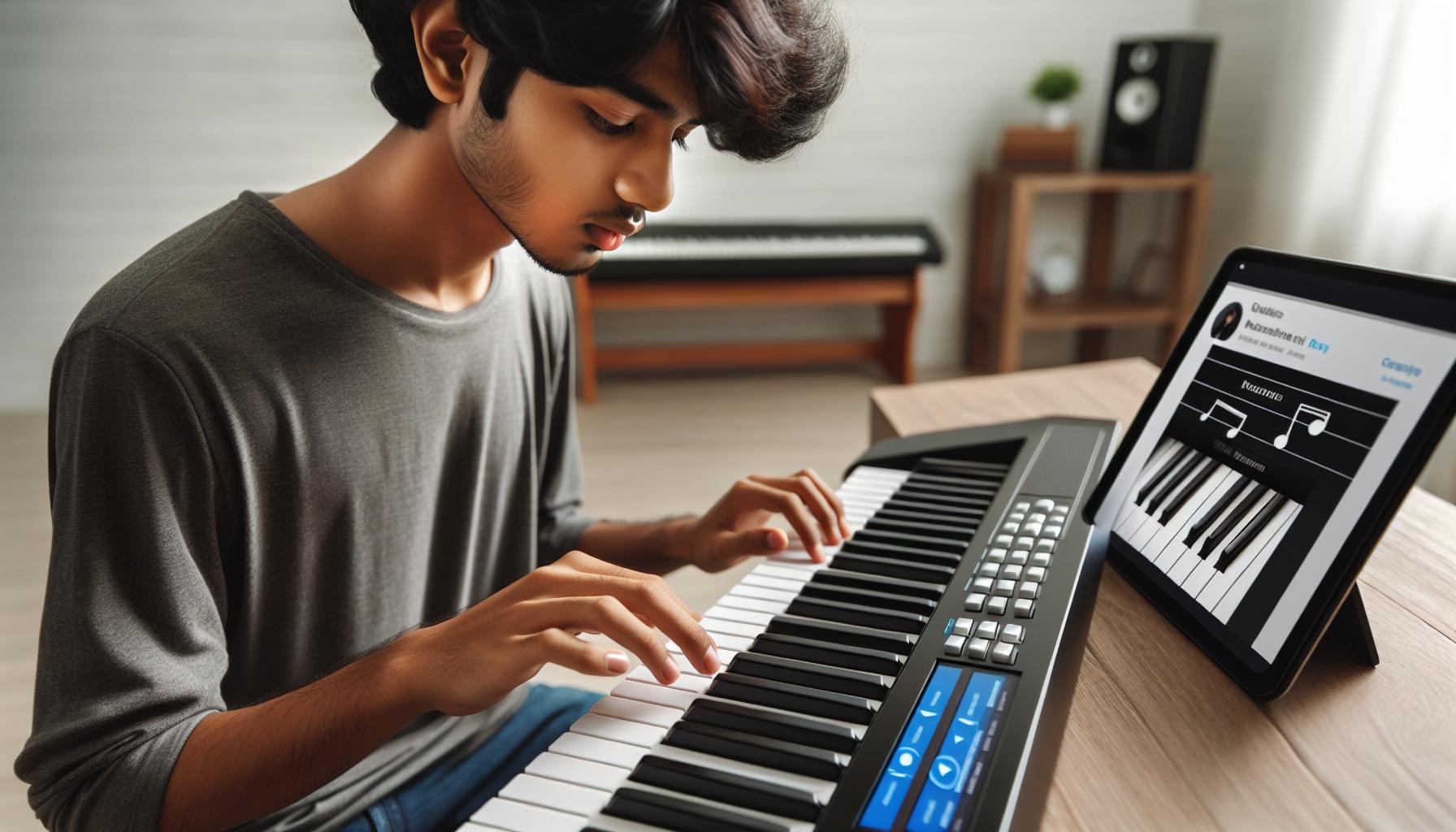
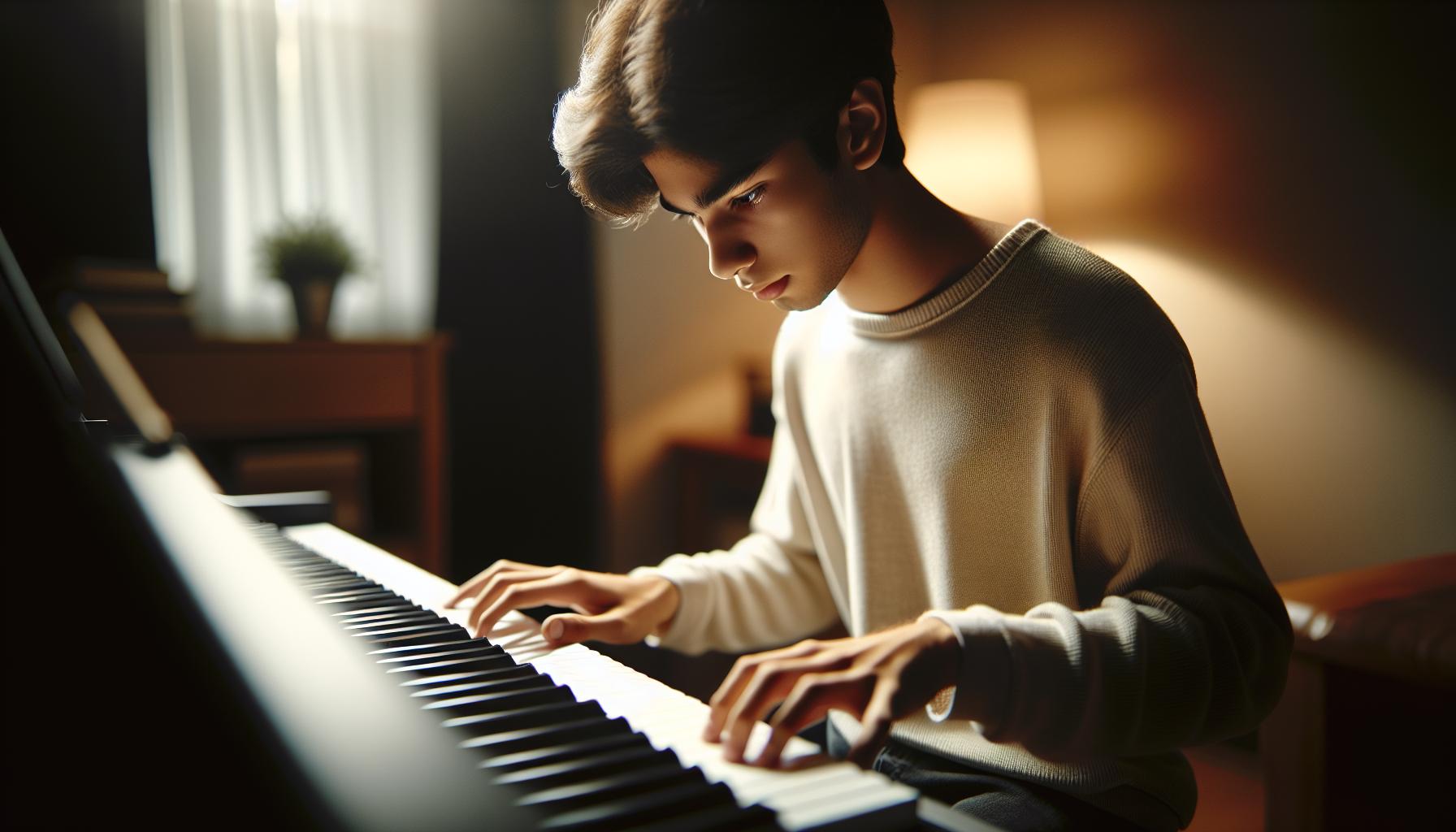
    For beginners eager to dive into the world of music without disturbing the peace, finding the right keyboard can be a game-changer. Practicing at night has its challenges, especially when you’re trying to keep the noise to a minimum. That’s where a quiet keyboard steps in, offering a solution that keeps both the musician and their neighbors happy.

    Quiet keyboards are designed with silent practice in mind, ensuring that every note played is heard only by the person playing it. They’re perfect for those late-night practice sessions when inspiration strikes but the rest of the world is asleep. Whether you’re living in a crowded apartment complex or just don’t want to wake the family, a quiet keyboard is your ticket to uninterrupted practice and progress.

    Understanding the Need for a Quiet Keyboard

    In today’s fast-paced world, finding time to practice and hone musical skills can be a challenge, especially for beginners. Many find the nighttime to be the perfect quiet period for practice, when the distractions of the day have subsided. However, traditional keyboards, with their natural volume, can quickly become a source of tension in shared living spaces, making it difficult for aspiring musicians to practice without disturbing others. This is where the need for a quiet keyboard emerges as an essential tool for beginners wanting to practice at night.

    Quiet keyboards are specifically designed to minimize sound output without compromising the quality of practice. This innovation in musical equipment allows musicians to play with the full expression and dynamics they would on a standard keyboard but without the volume that could potentially disturb others. They achieve this through various means, such as weighted keys that absorb sound, digital output for headphone use, and advanced sound dampening technologies. The primary goal is to create an environment where musicians can practice freely at any hour.

    One of the most significant advantages of a quiet keyboard is its Benefits for Shared Living Spaces. In apartments, dormitories, or family homes, noise can easily travel, and what seems like a soft melody in one room can be an unwelcomed disturbance in another. By investing in a quiet keyboard, musicians eliminate the risk of noise complaints from neighbors or waking up family members late at night. This peace of mind is invaluable, allowing them to focus solely on their practice.

    In addition to fostering harmonious living conditions, a quiet keyboard also aids in Personal Development and Focus. Nighttime practice on a quiet keyboard can enhance a musician’s focus as they’re less worried about the volume of their playing. This heightened concentration can lead to more productive practice sessions, where the nuances of music and technique receive the full attention they deserve.

    Moreover, Health Benefits shouldn’t be overlooked. Practicing music has been shown to reduce stress and anxiety, but these benefits can be negated if the musician is constantly worried about disturbing others. With a quiet keyboard, musicians can immerse themselves in their practice as a form of relaxation and stress relief, anytime they need it, without the worry of creating noise.

    • Minimized Sound Output: Allows for practice without disturbing others.
    • Enhanced Focus: Musicians can concentrate better without noise concerns.
    • Stress Relief: Practice becomes a more effective

    Features to Look for in a Quiet Keyboard

    When searching for the perfect quiet keyboard to practice with during the late hours, there are several key features musicians should keep an eye out for. Weighted keys and adjustable volume stand out as two of the most significant attributes, offering a realistic feel and the ability to control sound output precisely.

    Weighted Keys

    One of the primary features that contribute to a keyboard’s ability to mimic the tactile response of an acoustic piano are weighted keys. This feature is critical for beginners as it aids in developing finger strength and technique that are crucial for transitioning to traditional pianos. Weighted keys also contribute significantly to reducing sound levels, as they absorb some of the force used to press them, resulting in a quieter practice session.

    Adjustable Volume or Headphone Jack

    An adjustable volume control or a headphone jack is another must-have feature. It enables musicians to practice at any hour without disturbing others. By integrating a headphone jack, beginners can immerse themselves in their music, ensuring no sound leaks into their surroundings. Similarly, adjustable volume aids in maintaining a low sound profile when headphones are not in use, allowing for versatility in practice environments.

    Sound Quality

    Despite the lower sound output, the quality of the sound produced should not be compromised. Look for keyboards with high-quality sound samples that provide a close approximation to an acoustic piano. This ensures that students can develop an ear for tone and dynamics even when playing quietly.

    Touch Sensitivity

    Touch sensitivity is the keyboard’s ability to detect and respond to different pressures applied to the keys, producing varying volumes. This feature is vital for expressing music dynamics and for a more realistic playing experience. It allows musicians to explore the full range of their expressiveness without being limited by a uniform volume.

    Battery Operation

    Keyboards that can operate on batteries offer the ultimate convenience, especially for those who might want to practice in places where power outlets are not readily available. This feature not only makes the keyboard portable but also ensures that practice sessions are never cut short due to power constraints.

    Durability and Portability

    Durability is crucial for beginners who need a reliable instrument that can withstand regular practice. At the same time, portability is key for musicians who travel or prefer to play in different settings. Lightweight designs that do not sacrifice the quality of sound or the presence of the aforementioned features are ideal.

    Benefits of Practicing with a Quiet Keyboard at Night

    Late-night practice sessions can be a peaceful sanctuary for beginners eager to hone their skills without the interruptions and pressures of the day. With a quiet keyboard, aspiring musicians find a unique set of advantages that can accelerate their learning curve and enhance their musical journey.

    Flexibility and Convenience are at the top of the list. Nighttime offers a quiet, uninterrupted space where beginners can focus deeply on their practice. However, traditional acoustic pianos or standard keyboards may not be suitable for this time of day due to the noise they produce. A quiet keyboard sidesteps this issue, allowing learners to practice at any hour without worrying about disturbing others. Whether it’s a shared apartment or a sleeping household, everyone’s peace remains undisturbed.

    Another significant benefit is enhanced focus and less stress. During the night, the lack of external distractions means learners can immerse themselves fully in their music. This undivided attention to practice can result in more productive sessions, as players are not just going through the motions but are deeply engaged with the material. The reduced fear of making noise also alleviates performance anxiety, a common obstacle for beginners. In a quiet, stress-free environment, they’re free to make mistakes, experiment, and learn at their own pace.

    Improvement in technique and sound control is another key advantage. With the volume control or headphones that quiet keyboards offer, players can hear themselves play very clearly. This immediate feedback is invaluable for correcting mistakes and fine-tuning technique. It also ensures that beginners develop a good ear for dynamics and sound quality early on in their journey.

    Practicing with a quiet keyboard at night also offers health benefits. It’s a relaxing activity that can significantly reduce stress and anxiety from the day. The calming effect of playing music helps to prepare the body and mind for a restful sleep. Moreover, the practice doesn’t just calm the player; it benefits the entire household by maintaining a serene atmosphere.

    Lastly, privacy plays a crucial role. For those just starting out, there can be a bit of self-consciousness when practicing. The quiet keyboard offers a solution by providing a personal space where beginners can practice without feeling exposed. This privacy encourages experimentation and self-expression, critical components in the development of any musician.

    The benefits of nighttime practice with a quiet keyboard extend beyond mere convenience. They touch on important aspects of learning, health, and personal growth.

    Tips for Choosing the Best Quiet Keyboard for Night Practice

    When embarking on the journey to find the perfect quiet keyboard for night-time practice, beginners may feel overwhelmed by the vast array of options. To make this process easier, here are some essential tips to keep in mind.

    Assess the Sound Level
    The sound level is, of course, a critical factor. Modern keyboards come with various sound settings, but it’s important to choose one that can be adjusted to a very low volume without losing clarity. Some keyboards are equipped with a headphone jack, allowing for silent practice, which is invaluable for undisturbed nighttime sessions.

    Consider Touch Sensitivity
    Keyboards with touch-sensitive keys adjust the volume based on how hard they’re pressed, much like an acoustic piano. This feature not only enables dynamic playing but also allows beginners to practice with a full range of expression without making too much noise. Touch sensitivity ensures learners can retain the feel of playing a traditional piano, even at low volumes.

    Look for Weighted Keys
    Weighted keys mimic the resistance of an acoustic piano, providing a more authentic playing experience and facilitating technique development. Although keyboards with fully weighted keys tend to be on the higher side of the price spectrum, they’re worth the investment for those serious about honing their skills.

    Built-in Learning Tools
    Many modern keyboards include built-in lessons, games, and exercises tailored for beginners. Such features can be particularly helpful for nighttime practice, as they offer structured learning that’s accessible without additional noise or disturbance.

    Portability and Space
    Considering the available space is vital, especially in shared living areas where night practice is a necessity. Keyboards are available in a range of sizes, from compact models that are easy to store away when not in use to full 88-key versions for those with more room.

    Here are some key factors to remember when seeking out the optimal quiet keyboard:

    Factor Importance
    Sound Level Critical
    Touch Sensitivity High
    Weighted Keys Medium
    Built-in Learning Tools Beneficial
    Portability and Space Variable

    Conclusion

    Choosing the right quiet keyboard for beginner nighttime practice doesn’t have to be a daunting task. By focusing on sound levels, touch sensitivity, weighted keys, built-in learning tools, and the keyboard’s portability and space requirements, beginners can find an instrument that not only allows for peaceful practice sessions but also enhances their learning experience. It’s all about finding that perfect balance between quietness and quality to ensure progress doesn’t disturb the peace. Happy practicing!
  • Choosing the Perfect Keyboard for Your Child: An Educational Guide

    Choosing the Perfect Keyboard for Your Child: An Educational Guide

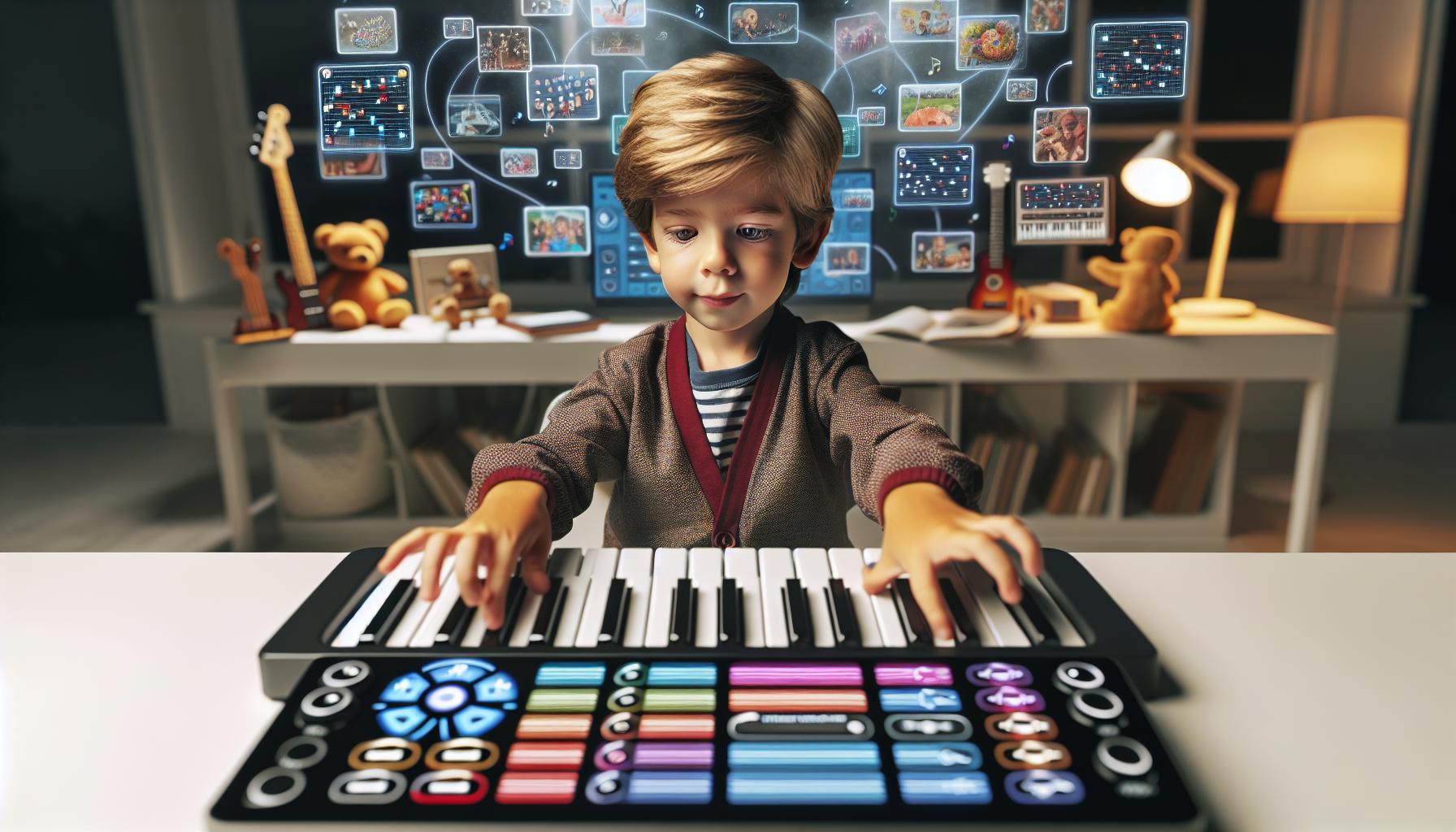
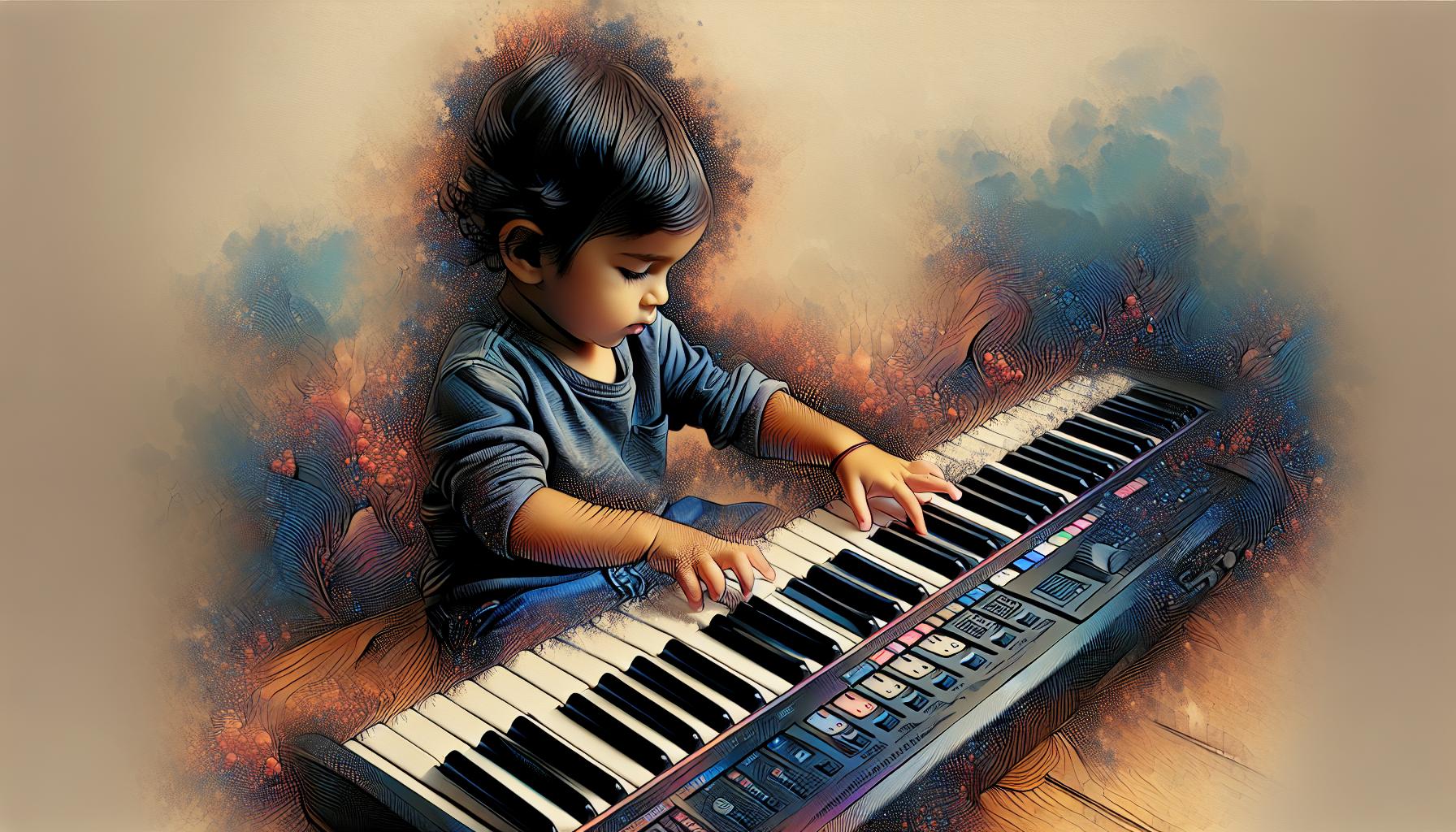
    Choosing the right keyboard for a beginner child can feel like navigating through a maze of keys and buttons. It’s not just about finding an instrument; it’s about unlocking a world of creativity and expression for your little one. With so many options out there, it’s easy to feel overwhelmed. But don’t worry, we’ve got you covered.

    Selecting the perfect keyboard involves more than just price and brand. It’s about understanding your child’s needs, interests, and the features that will help them not just learn, but love playing music. Whether they’re aspiring to be the next classical prodigy or a superstar in their own right, finding the right keyboard is the first step on their musical journey. Let’s dive into how you can make a choice that hits all the right notes.

    Understanding Your Child’s Musical Interests

    Delving into a child’s musical world is a journey filled with surprises and discoveries. It’s essential to recognize that every child has unique musical interests and inclinations. Some may be drawn to classical melodies that fill the air with elegance and grace, while others might find their heartbeat syncing with the energetic rhythms of pop or rock music. Understanding these preferences is a cornerstone in selecting the right keyboard.

    The initial step involves observation and engagement. Parents are encouraged to note the types of music their child naturally gravitates towards during various activities like movie watching, car rides, or when they’re simply humming to themselves. This observation could reveal a pattern or preference that can guide the keyboard selection process.

    Another effective method is direct engagement. Engage in conversations with your child about their favorite songs, artists, or music genres. This not only strengthens the bond between the parent and child but also provides clear insights into the child’s musical world. Encouraging them to explore music through apps or children’s musical programs can further broaden their understanding and appreciation for different types of music.

    Once a parent has a good grasp of their child’s musical preferences, they can start looking for keyboards that complement these interests. For instance, if a child shows a keen interest in creating and composing their own music, a keyboard with a wide variety of sounds and the ability to record may be more suitable. On the other hand, if a child enjoys singing along while playing, a keyboard with a built-in microphone or connectivity options for external ones could be ideal.

    Here is a breakdown of key features to consider based on musical interests:

    Child’s Interest Suggested Keyboard Feature
    Creating Music Wide variety of sounds, ability to record
    Singing Along Built-in microphone, connectivity for external microphone
    Learning Songs Pre-loaded songs, light-up keys for guidance
    Exploring Sounds Diverse instrument sounds, effects

    Choosing a keyboard that aligns with a child’s musical tastes not only makes the learning process more enjoyable but also ensures that the child remains motivated and engaged. It’s a delicate balance between offering them an instrument that meets their current interests, while also providing room for growth and exploration as their musical journey evolves.

    Key Features to Consider

    When selecting a keyboard for a beginner child, several key features stand out as essential to foster their musical journey. Parents should be aware that not all keyboards are created equal, and the right features can significantly enhance the learning experience.

    Size and Number of Keys

    Most standard keyboards come with 88 keys, mimicking a traditional piano. However, for children, a 61-key keyboard is often more than sufficient and can be less intimidating for small fingers. It’s a manageable size that still allows for a broad range of notes and musical exploration.

    • Full-size keys are preferable to ensure a smooth transition to other keyboard instruments in the future.

    Weighted Keys

    Weighted keys replicate the feel of an acoustic piano, where the lower notes require a bit more pressure than the higher ones. This feature is crucial for building finger strength and technique from the get-go.

    • For beginners, semi-weighted keys may offer a good balance, making it easier for small hands to play.

    Built-in Lessons

    Many modern keyboards come equipped with built-in lessons tailored for beginners. These lessons can range from simple note recognition exercises to full song tutorials.

    • Interactive features like lighting up keys can guide the child through lessons, making learning both fun and effective.

    Sound Variety

    A keyboard that offers a wide variety of sounds can keep a child’s interest piqued. Different instrument voices, from strings to percussion, allow children to explore various musical styles and sounds, encouraging creativity and exploration.

    • Look for a keyboard with at least 100 different sounds or voices.

    Connectivity

    In today’s digital age, the ability to connect a keyboard to a computer or tablet can be highly beneficial. This connectivity allows for the use of educational apps and software, which can further enhance the learning experience.

    • USB or MIDI ports are standard features that facilitate this connection.

    Durability

    Children can be enthusiastic learners, which sometimes means a less than gentle touch. Thus, selecting a durable keyboard that can withstand vigorous use is vital.

    • Brands known for their build quality should be preferred to ensure the keyboard lasts through the learning phases.
    Feature Importance for Beginners Notes
    Size and Number of Keys High 61 keys sufficient
    Weighted Keys Medium to High Semi-weighted for ease
    Built-in Lessons High Interactive features a plus

    Finding the Right Size and Weight

    When embarking on the musical journey of finding the perfect keyboard for a beginner child, understanding the significance of the instrument’s size and weight is crucial. Unlike professional-grade keyboards, which often boast 88 keys and substantial weight, keyboards for beginners, especially younger children, should be more manageable and easier to navigate.

    Key Size and Number

    Keyboards come in various sizes, typically ranging from 61 to 76 keys for learners. While a full-sized 88-key piano might seem appealing for its completeness, it’s important to consider the child’s hand size and reach. A keyboard with 61 keys still offers ample range for beginners to explore musical concepts without feeling overwhelmed.

    • 61 Keys: Ideal for small hands and basic learning
    • 76 Keys: Offers more range while still manageable

    Choosing the right key size enhances the child’s comfort and ability to grasp musical patterns effectively.

    Weighted Keys

    Another pivotal consideration is whether the keyboard has weighted keys. Weighted keys mimic the resistance found in acoustic pianos, providing a more realistic touch and helping in the development of finger strength and technique. For beginners, semi-weighted keys might serve as a happy medium, offering some resistance without the heaviness of fully weighted keys. This feature is fundamental in transition to more advanced piano play.

    Key Type Description
    Non-weighted Light touch, easier for beginners
    Semi-weighted Some resistance, good for learning
    Fully weighted Mimics acoustic piano, best for technique building

    Portability and Durability

    For families on the move or children who might want to take their keyboard to lessons, the weight and durability of the instrument also play a vital role. Lighter keyboards are more portable but may lack the robustness needed for enthusiastic play. Manufacturers often strike a balance, offering models that are both light enough to carry and durable enough to withstand the rigors of learning.

    • Lightweight: Easier to transport to lessons or friends’ houses
    • Durable: Can withstand enthusiastic usage from children

    It’s essential to strike the right balance between portability and durability, ensuring the keyboard can accompany the child wherever their musical journey may lead.

    Ensuring Educational Value

    When selecting a keyboard for a beginner child, it’s not just about the physical aspects of the instrument. Beyond size, weight, and key characteristics, the educational value of the keyboard plays a pivotal role in fostering a child’s musical journey. Integrated learning tools like built-in lesson programs, educational games, and apps significantly enhance the learning experience.

    Many modern keyboards come equipped with interactive learning features that guide children step by step through the basics of playing piano. These features can include follow-along light-up keys, a variety of built-in songs for practice, and even compatibility with smartphone or tablet apps designed for music education. Such tools not only make learning more engaging for children but also allow for self-paced progression, which is crucial in the early stages of music education.

    Importance of a Wide Range of Sounds and Rhythms

    The variety of sounds and rhythms available on a keyboard can greatly influence a child’s interest and motivation to learn. Keyboards that offer a wide range of voices and backing tracks allow children to explore different musical styles and genres, which in turn helps in developing a broader musical taste and understanding. From classic piano tones to strings, brass, and percussion, the ability to experiment with different sounds can keep the learning experience fresh and exciting.

    Furthermore, the inclusion of rhythm and accompaniment features encourages young learners to play along with different beats and patterns, improving their timing and rhythmic skills. It’s beneficial for children to be exposed to a variety of musical elements early on, as it lays a solid foundation for future musical exploration and creativity.

    Encouraging Practice Through Recording and Playback

    Another valuable feature to look for in a beginner’s keyboard is the ability to record and playback performances. This function not only allows children to listen back to their playing and identify areas for improvement but also provides a sense of achievement when they hear their own music. The feature serves as an educational tool, fostering critical listening and self-assessment skills.

    Recording capabilities can also encourage creative experimentation with music composition and arrangement, even at a basic level. Children can overlay multiple tracks, exploring how different sounds and melodies interact, which is a fantastic way to stimulate musical creativity and understand the structure of music.

    Conclusion

    Choosing the right keyboard for a beginner child can be a delightful journey into the world of music. By focusing on instruments that offer educational tools, a variety of sounds, and interactive features like recording and playback, parents can provide their child with a comprehensive learning experience. These elements not only make the learning process more enjoyable but also foster a deeper love and understanding of music. With the right keyboard, the musical journey of a child can be as enriching as it is exciting.

  • Top Keyboards for Pop Songs: Find the Best from Beginner to Pro

    Top Keyboards for Pop Songs: Find the Best from Beginner to Pro

    Finding the perfect keyboard to play pop songs is like searching for the missing piece in your musical puzzle. It’s about blending versatility, sound quality, and ease of use into one seamless experience. Whether you’re a budding musician or a seasoned pro, the right keyboard can elevate your pop performances to new heights.

    With the vast array of options out there, it can be overwhelming to choose. But fear not! We’ve sifted through the noise to bring you the top picks that hit all the right notes for pop song enthusiasts. From rich tones to intuitive features, these keyboards are sure to inspire your next musical masterpiece.

    Factors to Consider when Choosing a Keyboard

    When venturing into the realm of pop music, finding the right keyboard is akin to discovering the perfect dance partner; it should move with you, adapt to your style, and help you stand out. Keyboards are not one-size-fits-all, and several critical factors can significantly impact your musical journey. Here’s what to keep in mind:

    Sound Quality

    At the heart of any musical performance, especially pop music, lies the quest for crystal clear, vibrant sound. Pop songs often encompass a wide range of tones, from the deepest bass to the highest treble. Therefore, a keyboard that offers a rich, full range of sound can truly bring a pop song to life. Look for keyboards with built-in high-quality speakers and those that provide a variety of instrument voices for creative flexibility.

    Touch Sensitivity

    The expression in pop music isn’t just about the notes you play but how you play them. Keyboards with touch sensitivity respond to the force behind each stroke, allowing for nuanced performance and a dynamic sound. This feature is invaluable for pop music enthusiasts looking to convey emotion and intensity through their playing.

    Connectivity Options

    In today’s digital age, the ability to connect your keyboard to external devices and software has become paramount. Whether it’s for recording, arranging, or even performing with other digital instruments, a keyboard that offers USB, MIDI, and other connectivity options can dramatically expand your musical capabilities.

    Portability

    Pop musicians often find themselves on the move, whether it’s to gigs, rehearsals, or simply sharing their music with friends. A lightweight, portable keyboard that doesn’t compromise on quality is essential. This ensures that your music can travel with you, anytime, anywhere.

    Budget

    Budget undoubtedly plays a crucial role in the decision-making process. It’s important to balance cost with features and durability. Thankfully, there are keyboards available at various price points, ensuring that both beginners and seasoned musicians can find an option that meets their needs without breaking the bank.

    Feature Importance
    Sound Quality High
    Touch Sensitivity High
    Connectivity Medium-High
    Portability Medium
    Budget Variable

    When searching for the perfect keyboard to play pop songs, taking the time to consider these factors can make all the difference. From the nuances of sound quality to the practicalities of portability and budget, every detail contributes to the overall experience.

    Key Features to Look for in a Keyboard for Playing Pop Songs

    When diving into the realm of pop music, identifying the right keyboard becomes a journey of matching one’s musical aspirations with the instrument’s capabilities. For those set on mastering pop tunes, there are distinct features that stand out as essential for an enriching playing experience.

    Sound Quality is paramount. The ability of a keyboard to produce clear, rich sounds determines how effectively it can mimic an acoustic piano and other instruments used in pop compositions. High-quality sound samples and built-in speakers that offer depth and clarity are crucial for capturing the essence of pop music.

    Touch Sensitivity plays a critical role as well. This feature allows the keyboard to respond to the player’s touch – softer for quieter notes and harder for louder ones. It’s indispensable for adding dynamics and emotion to pop performances, enabling the musician to convey the subtle nuances of the genre with finesse.

    Connectivity options benefit musicians in multifaceted ways, especially in today’s digital age. Keyboards equipped with MIDI or USB ports facilitate easy integration with computer software, recording equipment, and other electronic instruments. For pop musicians who often layer tracks or incorporate digital elements, these connectivity features expand creative possibilities and streamline the production process.

    Portability is another significant aspect, particularly for those who perform live or wish to play in various locations. Lightweight keyboards that are easy to transport without compromising on sound quality or range of features are highly sought after. Portability ensures musicians can bring their unique sound everywhere, from intimate venues to rehearsals with bandmates.

    Lastly, the Budget cannot be overlooked. With keyboards available across a wide price spectrum, recognizing the balance between cost and desired features becomes a vital part of the selection process. Affordable models that still meet the essential requirements can serve beginners well, while more advanced players might consider investing in high-end keyboards that offer extensive sound libraries, better build quality, and more nuanced touch response.

    Here’s a quick summary of the key features to consider:

    • Sound Quality: Clear, rich sounds that mimic an acoustic piano and other instruments.
    • Touch Sensitivity: The keyboard responds to different pressures for dynamic playing.
    • Connectivity: MIDI or USB ports for interfacing with other devices and software.
    • Portability: Easy to transport for performers who play at multiple locations.
    • Budget: Finding the right balance between cost and desired features.

    Top Keyboards for Playing Pop Songs

    When searching for the best keyboard to play pop songs, musicians have a plethora of options to choose from. Each keyboard offers unique features tailored to different requirements and skill levels. Let’s dive into some of the top keyboards that stand out in the market today for playing pop songs.

    Firstly, the Yamaha P-125 is renowned for its remarkable sound quality and touch sensitivity. It’s designed to mimic the acoustic piano feel, making it a perfect choice for pop musicians who crave that authentic sound. Additionally, its sleek design and portability ensure you can take your music wherever you go.

    Next on the list is the Casio Privia PX-160. This keyboard shines with its excellent built-in speakers, providing a rich sound experience. It also boasts a range of digital effects that allow musicians to experiment with their sound, making it ideal for pop songs’ dynamic range. Plus, its connectivity options mean you can easily connect it to computers or other devices for recording and producing music.

    For those on a tighter budget, the Alesis Recital offers great value. It features full-sized semi-weighted keys, adjustable touch response, and an impressive array of sounds and modes tailored for beginners to intermediate players. It’s lightweight, making it highly portable for gigs or practice sessions.

    If you’re looking for cutting-edge technology, the Roland Juno-DS88 is hard to overlook. It steps up with its powerful synthesis engine, enabling musicians to tweak and layer sounds effortlessly. The keyboard’s intuitive interface and expansive sound library cater exceptionally well to pop music creators. Furthermore, its versatility in connectivity options supports a wide range of music production tasks.

    • Sound Quality: Essential for mimicking various instruments vividly.
    • Touch Sensitivity: Allows dynamic expression suited for the nuances of pop music.
    • Connectivity: MIDI and USB ports for integration with other devices.
    • Portability: Easy to transport for gigs or practice.
    • Budget: Balancing cost with desired features is crucial.

    For those looking to dive deeper into music production, keyboards that offer extensive software integration and recording capabilities might be more appealing. Features like these enable artists to not only play but also produce and refine their music, turning their keyboard into a multifunctional instrument.

    Comparison of Keyboards in Different Price Ranges

    When searching for the perfect keyboard to play pop songs, budget plays a crucial role. From affordable options ideal for beginners to high-end models suited for professionals, the market offers a wide range of keyboards across various price ranges. To help demystify the options, let’s dive into a comparison of keyboards catering to different financial plans.

    Entry-Level Keyboards

    At the entry-level, keyboards like the Alesis Recital stand out for their balance between affordability and functionality. With 88 semi-weighted keys, it’s designed for those new to playing or with a limited budget, without sacrificing the range a pop song performer might need.

    Feature Alesis Recital
    Price Under $300
    Keys 88 semi-weighted
    Polyphony 128 notes
    Sounds 5 built-in voices
    Connectivity USB-MIDI, 1/4″ Headphone

    Mid-Range Keyboards

    Moving up the scale, the Casio Privia PX-160 offers a noticeable improvement in sound quality and touch response, making it a favorite among intermediate players. Its Tri-Sensor Scaled Hammer Action Keyboard II and impressive sound projection system place it a notch above many in its class, catering to those ready to invest a bit more for enhanced touch and tone.

    Feature Casio Privia PX-160
    Price Under $500
    Keys 88 fully-weighted
    Polyphony 128 notes
    Sounds 18 built-in tones
    Connectivity USB-MIDI, Line Out

    High-End Keyboards

    For the serious musician looking to make a significant investment in their craft, the Roland Juno-DS88 emerges as a robust choice. Beyond its stellar sound engine and weighted-action keys, it offers extensive sound customization and performance features. It’s particularly fitting for those who value versatility and cutting-edge technology in their instrument.

    Feature Roland Juno-DS88
    Price Under $1000
    Keys 88 weighted-action
    Polyphony 128 notes
    Sounds Over 1200 presets

    Conclusion

    Choosing the right keyboard for playing pop songs boils down to personal preference and playing level. Whether you’re just starting out or looking for a professional upgrade, there’s a keyboard out there that fits your needs. From the Alesis Recital’s beginner-friendly features to the Roland Juno-DS88’s advanced capabilities, each model offers something unique. Remember to consider what’s most important to you—be it key action, sound quality, or connectivity options. Happy playing!

  • Top Picks: Best Roland Beginner Keyboard Models for Every Musician

    Top Picks: Best Roland Beginner Keyboard Models for Every Musician

    Starting your musical journey can be thrilling, and choosing the right instrument is crucial. For those diving into the world of keyboards, Roland’s beginner options stand out as a harmonious blend of quality, innovation, and user-friendliness. They’re not just instruments; they’re your first step into a vast musical universe.

    Roland has long been synonymous with excellence in the music world, crafting keyboards that cater to the needs of both seasoned musicians and beginners. If you’re on the hunt for the perfect starter keyboard, Roland’s lineup promises a range of options that combine ease of use with the ability to grow with you as you sharpen your skills. Let’s explore why a Roland keyboard might just be the best choice for your musical debut.

    Understanding Roland Keyboards

    Roland, a name synonymous with musical innovation, has been at the forefront of developing keyboards that cater to musicians of all skill levels. For beginners, navigating the diverse range of options can feel overwhelming. Yet, understanding the key features that Roland keyboards offer can simplify this process dramatically.

    Roland’s beginner keyboards are distinguished by their exceptional sound quality and user-friendly interfaces. These instruments are designed to foster a love for music, making them an excellent choice for those starting their musical journey. One of the standout features of Roland keyboards is their use of SuperNATURAL Sound Technology. This innovation delivers highly realistic sounds, mimicking acoustic instruments so closely that players can experience the nuanced differences in tone and dynamics, just as they would on a traditional instrument.

    In addition to sound quality, Roland places a strong emphasis on the learning experience. Many models come equipped with built-in tutorials and exercises that are specifically aimed at beginners. This focus ensures that users not only enjoy playing but also make consistent progress in their skills. Features like the DigiScore display, found on select models, show music notation and animations to guide users through lessons, making practice both effective and engaging.

    Another aspect where Roland keyboards excel is their versatility. Even entry-level models come with a wide range of sounds and styles. From grand pianos to strings and beyond, users can explore different musical genres without the need for multiple instruments. This versatility extends to connectivity options as well, with many keyboards offering USB and Bluetooth capabilities, allowing players to connect to computers and mobile devices for expanded functionality.

    Let’s look at some key considerations when choosing a Roland keyboard:

    • SuperNATURAL Sound Technology: For unmatched sound quality.
    • Learning Tools: Built-in tutorials and exercises to support beginners.
    • Versatility: A wide range of sounds and connectivity options.

    Exploring the range of keyboards from Roland reveals models that are not only accessible for beginners but also have the potential to accompany them on their musical journey well into the future. With a focus on quality and innovation, Roland ensures that every musician can find the right keyboard to match their ambitions.

    Features to Look for in a Beginner Keyboard

    When diving into the musical journey, selecting the right beginner keyboard is paramount. Roland’s range offers a plethora of options, but knowing what features to look for can make all the difference. Key elements not only enhance the learning experience but ensure the journey is engaging and fun.

    Touch Response Keys are crucial for a beginner. They mimic the action of an acoustic piano, offering a heavier touch in the lower notes and a lighter touch in the higher ones. This feature helps in developing proper finger technique and dynamics from the start. Roland’s keyboards are celebrated for their realistic touch response, making them a top choice for beginners.

    The Range of Sounds a keyboard offers can significantly impact a learner’s exploration of music. With a wide array of sounds, beginners can experiment with different genres and styles, keeping their practice sessions fresh and exciting. Roland keyboards shine in this aspect, providing a variety of sounds from grand pianos to orchestral instruments, thanks to their SuperNATURAL Sound Technology.

    Another key feature is the Built-in Learning Tools. Many Roland keyboards come equipped with tutorials, exercises, and games designed to make learning both effective and enjoyable. These tools offer immediate feedback and help build necessary skills, all without leaving the keyboard.

    Connectivity Options like USB and Bluetooth are also vital. They allow beginners to connect their keyboard to computers and mobile devices, opening up a world of educational apps and software. This connectivity encourages interactive learning and provides access to a vast library of sheet music, lessons, and more.

    Lastly, the Size of the Keyboard is something to consider. A full 88-key keyboard offers a complete range, similar to an acoustic piano, which is beneficial for learning. However, for those with space constraints or younger learners, a smaller keyboard might be more appropriate. Roland caters to this need with models ranging in size, ensuring there’s a fit for every learner.

    Feature Benefit
    Touch Response Keys Develops finger technique and understanding of dynamics
    Range of Sounds Encourages musical exploration across genres
    Built-in Learning Tools Offers effective and enjoyable learning experiences
    Connectivity Options Facilitates access to educational apps and software
    Size of the Keyboard Ensures a match for every space and learner’s need

    Exploring Roland’s Entry-Level Models

    When venturing into the world of keyboards, beginners might find themselves overwhelmed by the plethora of options available. However, Roland stands out with its entry-level models designed to make the learning curve as smooth as butter. These instruments are not just keyboards; they’re gateways to musical exploration, tailored for those taking their first steps in music.

    Roland’s beginner models include features that cater specifically to new learners. Touch response keys are a standout, enabling users to experience the nuanced dynamics of piano playing right from the start. This feature ensures that even the most subtle touches are captured, making every practice session an opportunity for growth and refinement.

    In addition to touch sensitivity, Roland keyboards are known for their rich sound quality. They come loaded with a variety of sounds, ranging from grand pianos to synth pads, allowing beginners to experiment with different genres and styles. This diversity not only keeps practice sessions engaging but also encourages users to explore their musical tastes and inclinations.

    Here are a few Roland models often recommended for beginners:

    • Roland GO:KEYS – This model is perfect for those who want to jump straight into playing music. With its loop mix function, beginners can start creating music instantly, even without any formal training.
    • Roland FP-10 – Offering the feel of a real acoustic piano with its hammer-action keys, the FP-10 also features Bluetooth connectivity, making it possible to use apps and online tutorials for self-teaching.
    • Roland E-X20 – Designed for easy transportation and setup, this keyboard is ideal for young learners or musicians on the move. Its authentic sounds and built-in rhythms provide a solid foundation for developing musical skills.
    Model Key Feature Ideal For
    Roland GO:KEYS Loop Mix Function Immediate musical creation
    Roland FP-10 Hammer-action keys & Bluetooth Learning with a traditional feel & tech
    Roland E-X20 Portable design Young learners & mobile musicians

    Comparison of Roland Beginner Keyboards

    When venturing into the world of music through the keys of a keyboard, Roland offers a fascinating range of beginner models, each with its unique set of features designed to enhance the learning experience. The GO:KEYS, FP-10, and E-X20 stand out as flagship models for novices. Here, we delve into a detailed comparison to help budding musicians make an informed choice.

    Roland GO:KEYS

    The Roland GO:KEYS keyboard is a gateway to creativity for those itching to start their musical journey without getting bogged down in complex functionality. It’s renowned for its Loop Mix function, allowing users to build songs by simply triggering loop phrases from the keyboard. This feature not only introduces newcomers to composition in an engaging way but also instills a deep understanding of musical layers.

    • Touch Response Keys: Provides a dynamic playing experience.
    • Bluetooth Audio/MIDI Support: Easily connect with music apps on smartphones and tablets.
    • Integrated Speakers: Ensures high-quality sound without the need for external speakers.

    Roland FP-10

    Diving deeper into more traditional piano territory, the FP-10 by Roland combines the feel of an acoustic piano with the flexibility of modern technology. It boasts the PHA-4 Standard Keyboard, featuring escapement and Ivory Feel keys. This model is designed to replicate the touch response and feel of a grand piano, making it a fantastic choice for students committed to developing classical piano skills. Additionally, the FP-10’s SuperNATURAL Piano Sound engine delivers premium sound quality, further enhancing the authentic playing experience.

    • Bluetooth Connectivity: Allows for wireless connection to music education and composition apps.
    • Compact Design: Ideal for small spaces.
    • Headphone Jack: Facilitates silent practice sessions.

    Roland E-X20

    The E-X20 caters to the needs of young learners and mobile musicians. Its Arranger Keyboard feature is packed with auto-accompaniment styles that globally inspire. This keyboard is designed for portability and ease of use, making it a stellar choice for families and musicians on the go. With a range of built-in sounds and rhythms, the E-X20 encourages exploration in various musical genres.

    • Portable Design: Lightweight and battery-operated for musicians on the move.
    • Education Features: Built-in lessons and practice functions to support beginners.
    • Diverse Sound Library: Offers a range of sounds suitable for any

    Tips for Choosing the Best Roland Beginner Keyboard

    When embarking on the musical journey, picking the right keyboard is a pivotal first step. Roland’s range of beginner keyboards offers something for everyone, but how does one decide which model is the best fit? Below are some crucial pointers to keep in mind.

    Firstly, assess your musical goals. Different keyboards cater to various learning paths. For instance, if composing and layering sounds intrigue you, the GO:KEYS with its Loop Mix function might be your ally. On the other hand, those leaning towards classical training could find the FP-10’s traditional piano feel more beneficial. Understanding your musical aspirations can greatly narrow down the choices.

    Next, it’s important to consider portability and space. Keyboards such as the E-X20 are designed with mobility in mind, perfect for young learners or musicians on the go. Space constraints in your home might also make compact models like the FP-10 more appealing. Always measure the space you have available against the keyboard dimensions before making a decision.

    Connectivity features should not be overlooked. In today’s digital age, having a keyboard that can connect to other devices via Bluetooth or USB can open a world of educational resources and software opportunities. This can enhance the learning experience, making it engaging and multifaceted.

    Sound quality and variety is another essential aspect. Roland keyboards are renowned for their rich sound libraries, but they do vary from model to model. Delve into the sound options available in each keyboard. More sounds mean more room for exploration and fun during practice sessions.

    Lastly, consider the key action and touch response. This might seem technical, but it’s crucial for developing proper technique. The FP-10, for example, boasts a hammer action that emulates the touch of an acoustic piano, invaluable for beginners intent on building a solid foundation.

    Choosing the right beginner keyboard is a blend of aligning your musical goals with the features that will best support your journey. Roland’s beginner keyboards cater to a broad spectrum of needs, ensuring that every new musician can find a model that feels like it was tailored just for them. Remember, the right keyboard not only fits your current needs but also grows with you as you progress in your musical adventure.

    Conclusion

    Choosing the right Roland beginner keyboard is a pivotal step in any musician’s journey. Whether it’s the versatility of the GO:KEYS, the classical touch of the FP-10, or the E-X20’s ease of transport, there’s a model that perfectly aligns with every aspiration. It’s all about finding that sweet spot where functionality meets future growth. So take the plunge, pick a keyboard that resonates with your musical dreams, and let the journey begin. After all, the right instrument is not just a tool but a companion on the path to mastery.

  • Best Keyboard Setup for Beginners Learning Classical Music

    Best Keyboard Setup for Beginners Learning Classical Music

    Stepping into the world of classical music can be both exhilarating and daunting for beginners. The right keyboard can make all the difference, turning initial attempts into a journey of musical discovery. It’s not just about having 88 keys; it’s about finding a keyboard that speaks to the heart, encouraging those first tentative steps into Bach, Beethoven, and beyond.

    Choosing the perfect keyboard for classical music isn’t just about the specs; it’s about the feel, the sound, and the inspiration it brings. For beginners, the vast array of options can seem overwhelming. Yet, with a little guidance, finding that perfect match becomes less of a challenge and more of an exciting quest. Let’s dive into what makes a keyboard ideal for those starting their classical music adventure.

    Understanding the Key Features

    When beginners embark on their journey to play classical music, understanding the key features of a keyboard becomes crucial. Keyboards differ greatly in terms of functionality and quality, and for classical music, certain attributes stand out as particularly important.

    Firstly, weighted keys are a must. They mimic the resistance and response of a traditional piano, an essential aspect for beginners to build proper finger strength and technique from the start. This feature allows for a more expressive performance, which is vital for the dynamics and emotion in classical music.

    Another critical consideration is the sound quality. A keyboard that offers a range of sounds including the grand piano, with nuanced tonal variations, can significantly enhance the learning experience. It’s not just about having a sound that’s close to an acoustic piano, but also about the quality of the sound through the speakers. Good sound quality can truly motivate beginners by making practice sessions more enjoyable and rewarding.

    The number of keys on the keyboard is also important, with the standard being 88 keys, just like an acoustic piano. This feature allows beginners to explore a wide range of classical pieces without limitation. However, for some, space or budget constraints might make keyboards with fewer keys, like 61 or 76, a practical starting point. It’s important to note, though, that as one progresses, having the full range becomes more critical.

    Furthermore, the touch sensitivity feature reflects the dynamics in one’s playing depending on how hard or soft the keys are pressed. This capability is crucial for expressing the nuances in classical music. Not all keyboards come with adjustable touch sensitivity, so looking for one that does provide this functionality is beneficial for a more detailed and dynamic learning experience.

    Lastly, beginners should consider connectivity options such as USB or MIDI ports, which allow the keyboard to connect to computers and other devices. This can be incredibly useful for using educational apps, recording music, or even updating the keyboard’s firmware.

    Feature Why It’s Important
    Weighted Keys Mimics acoustic piano, builds proper technique
    Sound Quality Enhances learning, makes practice enjoyable
    Number of Keys Allows exploration of a wide range of pieces
    Touch Sensitivity Reflects dynamics, crucial for nuance in playing
    Connectivity Options  

    Types of Keyboards for Beginners

    When choosing a keyboard for a beginner to play classical music, understanding the different types of keyboards available on the market is crucial. Each type offers unique features and benefits suited to different aspects of learning and playing classical music.

    Digital Pianos

    Digital pianos are designed to closely mimic the sound and feel of an acoustic piano. They often come with 88 weighted keys, making them an excellent choice for beginners aiming to develop a proper technique and touch. Many digital pianos also feature realistic sound samples of grand pianos, providing beginners with an inspiring sound quality. They’re an ideal type for those who have space constraints but don’t want to compromise on the acoustic piano experience. Some popular models even include built-in learning tools and exercises tailored for classical music learners.

    MIDI Controllers

    While not traditional keyboards, MIDI controllers are versatile tools for those interested in exploring classical music composition or arranging alongside playing. MIDI controllers lack built-in sounds; instead, they’re designed to trigger virtual instruments on a connected computer or external sound module. This setup offers endless sound possibilities, including authentic classical instrument samples, making it a valuable tool for experimentation and learning. MIDI controllers come in various sizes, but for classical music, those with 88 weighted keys are most beneficial.

    Synthesizers

    Synthesizers offer a broad range of sounds and capabilities beyond traditional piano tones, including orchestral and choral sounds that can enrich a beginner’s experience of classical music. They’re equipped with various features like touch sensitivity and, sometimes, weighted keys. Synthesizers encourage beginners to explore sound creation and understand musical textures, proving to be a fun and educational tool. However, for purely classical training, they might not be the primary choice but rather a supplementary instrument for broadening musical knowledge and creativity.

    Portable Keyboards

    Portable keyboards are lightweight and usually more affordable, making them an attractive option for beginners. Though they typically have fewer keys than an acoustic piano, many models offer 61 to 76 keys with touch sensitivity, which can be sufficient for starters. Portable keyboards have various sounds and built-in rhythms, enabling beginners to practice classical music pieces in different instrumental tones. This variety can make practice sessions more engaging and enjoyable. However, the key experience might differ from digital pianos as they often lack weighted action.

    Importance of Touch Sensitivity

    When delving into the realms of classical music, the importance of touch sensitivity in keyboards can’t be overstated. Touch sensitivity, or the way a keyboard responds to the speed and pressure of a player’s fingertips, plays a crucial role in molding a beginner’s capability to express emotions through music. It’s what allows musicians to convey subtleties in loudness and softness, mirroring the expressive depth found in acoustic pianos.

    Without touch sensitivity, every note sounds the same, regardless of how softly or forcefully it’s played. This monotony stands in stark contrast to the dynamic richness that classical music demands. Hence, keyboards equipped with good touch sensitivity offer a canvas that’s far more reflective of the nuanced expressions found in classical compositions. This feature becomes an instrumental part of a beginner’s learning journey, enabling them to explore and develop their musical expressiveness from the outset.

    Graded Hammer Action

    To further enhance the learning experience, some keyboards mimic the feel of an acoustic piano through Graded Hammer Action. This technology simulates the weighted feeling of hammer strikes on strings, with keys heavier in the lower octaves and lighter in the higher ones. This replication isn’t just about authenticity; it’s about training finger strength and agility in a way that’s consistent with traditional piano playing. This feature ensures that transitioning from a digital medium to an acoustic piano is as seamless as possible, fostering a more comprehensive development in students’ playing techniques.

    Velocity Layers

    Another aspect closely tied to touch sensitivity is the concept of Velocity Layers. High-quality keyboards often come equipped with multiple samples for each key, triggered by different levels of pressure. This means that a soft press might elicit a gentle sound, while a hard press brings forth a more intense tone. The availability of these layers greatly enriches the auditory feedback beginners receive, encouraging a more delicate control over their touch and further aligning their practice with the expressive demands of classical music.

    By integrating touch sensitivity, Graded Hammer Action, and velocity layers into their practice, beginners are not only learning to play notes but are also stepping into the complex world of musical expression. This immersion into the sensory and emotional aspects of music from an early stage nurtures a profound connection with the classical genre. It allows learners to appreciate the depth and breadth of musical dynamics, setting a solid foundation for their future growth as musicians.

    Selecting the Right Sound Options

    When embarking on the journey to master classical music on a keyboard, selecting an instrument with the right sound options is pivotal. For beginners, the plethora of sounds available in digital keyboards can be overwhelming yet exhilarating. The key is to find a balance between quality and variety to foster musical growth while keeping the experience enjoyable.

    Most quality keyboards offer a range of sounds that replicate various instruments, essential for playing and understanding classical compositions. However, the focus for beginners should primarily be on finding a keyboard that offers authentic piano sounds. A rich and dynamic piano tone allows learners to immerse themselves fully in the nuances of classical music, making practice sessions more productive and gratifying.

    Why Sound Quality Matters

    The quality of sound has a profound impact on a learner’s ability to discern and appreciate the subtleties in classical music. Digital keyboards with high-quality samples and adequate polyphony ensure that notes sound true to life and blend seamlessly, mirroring the acoustic experience. Polyphony refers to the number of notes a keyboard can produce at once. A minimum of 64-note polyphony is recommended for beginners, but opting for 128-note polyphony or higher can offer a more future-proof choice.

    Exploring Built-in Features

    In addition to basic piano sounds, exploring keyboards with built-in features such as reverb and chorus effects can enhance playing experiences significantly. Reverb adds depth, making it sound as though one is playing in a concert hall, while chorus effects can enrich the sound, providing a symphonic feel that is particularly beneficial when playing complex classical pieces.

    Here’s a table that summarizes the minimum desired features for beginners interested in classical music:

    Feature Minimum Recommended
    Polyphony 64 notes
    Key Sensitivity 3 levels
    Sound Quality High-quality samples
    Additional Features Reverb, Chorus

    Importance of Experimentation

    It’s important for beginners to experiment with different sound settings to find what best suits their style and the piece they are playing. Many keyboards come with the ability to record and playback, which can be incredibly useful. Beginners can listen to their performance and understand how different sound options affect the mood and expression of the music.

    Setting Up for Success

    When diving into the realms of classical music with a keyboard, the setup is just as critical as the instrument itself. A conducive environment and the right accessories can significantly enhance the learning curve for beginners. They’ll need more than just a keyboard to unlock their full potential.

    Ergonomics plays a crucial role in learning and practicing classical music. Beginners should invest in a stable stand and an adjustable bench, ensuring they maintain a proper posture. An incorrect posture not only affects performance but can lead to long-term physical strain. The height of the keyboard and bench should allow the player’s arms to be parallel to the floor, promoting ease of movement across the keys.

    Good lighting is essential. It helps in reading sheet music clearly without straining the eyes. A flexible desk lamp can direct light exactly where it’s needed, making practice sessions more efficient and enjoyable.

    The type of headphones used can make a big difference. For those living in shared spaces or practicing during odd hours, high-quality headphones that faithfully reproduce sounds are indispensable. They allow for an immersive experience without external distractions, letting beginners focus on the nuances of the pieces they’re learning.

    Practice Tools and Apps have revolutionized the way beginners learn classical music on keyboards. Metronomes, both standalone and apps, are vital for developing a strong sense of timing and rhythm. In addition, there are numerous apps available for smartphones and tablets that offer interactive lessons and sheet music tailored to all levels. These tools provide valuable feedback, including timing and note accuracy, which are fundamental when playing classical music.

    Recording Equipment can be a game-changer. Recording practice sessions doesn’t require elaborate setups; even a smartphone can capture playbacks that are crucial for self-review. Listening to one’s playing can reveal subtleties and mistakes not noticed in the moment, offering opportunities for self-improvement.

    Lastly, integrating Educational Materials into the setup can expedite the learning process. Books and online resources specifically designed for classical music learners offer insights into techniques, music theory, and compositions ideal for beginners. These materials often include practice pieces that progressively increase in difficulty, catering to the learner’s growing skills.

    Conclusion

    Embarking on the journey of learning classical music on a keyboard is an exciting endeavor. With the right setup, from a stable stand and adjustable bench to good lighting and quality headphones, beginners are well on their way to mastering the art. Incorporating tools like metronomes, interactive lessons, and educational materials further enriches the learning experience. Recording one’s practice sessions offers invaluable insights for improvement. By following these guidelines, beginners can look forward to a rewarding musical journey filled with growth and enjoyment.


  • Top 3 Best Sounding Keyboards Under $200: A Sound Quality Review

    Top 3 Best Sounding Keyboards Under $200: A Sound Quality Review

    In the world of mechanical keyboards, finding the perfect blend of quality sound and affordability can be a challenge. Yet, for those on a budget, it’s not impossible. The quest for the best sounding keyboard under $200 is a journey filled with surprises, offering a variety of options that don’t skimp on performance.

    With a plethora of switches, materials, and designs, these keyboards promise to elevate your typing experience without breaking the bank. Whether you’re a gamer, a writer, or just someone who appreciates the satisfying clack of a good keyboard, there’s something out there for you. Let’s dive into the world of affordable mechanical keyboards and discover which ones hit the sweet spot between cost and acoustic pleasure.

    Understanding Keyboard Switches

    When venturing into the realm of mechanical keyboards, especially when the quest revolves around finding the best sounding keyboard under $200, it’s imperative to grasp the basics of keyboard switches. These tiny mechanisms beneath each key not only influence the tactile feedback but play a crucial role in the keyboard’s acoustic signature. Essentially, switches are the backbone of a mechanical keyboard’s performance and feel.

    There are mainly three types of mechanical switches: linear, tactile, and clicky. Each type caters to different preferences in sound and feel.

    • Linear switches offer a smooth keystroke with no tactile bump or noise aside from the key bottoming out. They’re often favored by gamers for their swift and silent action.
    • Tactile switches provide a noticeable bump at the actuation point, giving typists a confirmation of a keypress without having to bottom out. This results in a quieter experience compared to clicky switches, yet with satisfying feedback.
    • Clicky switches are renowned for their audible click sound at the point of actuation, accompanying the tactile bump. Typing enthusiasts and those who enjoy auditory feedback often prefer them, though they might not be the best choice for shared spaces due to their noise level.

    Here’s a quick overview of how these switches impact the typing experience:

    Switch Type Tactile Feedback Sound Level
    Linear No Low
    Tactile Yes Medium
    Clicky Yes High

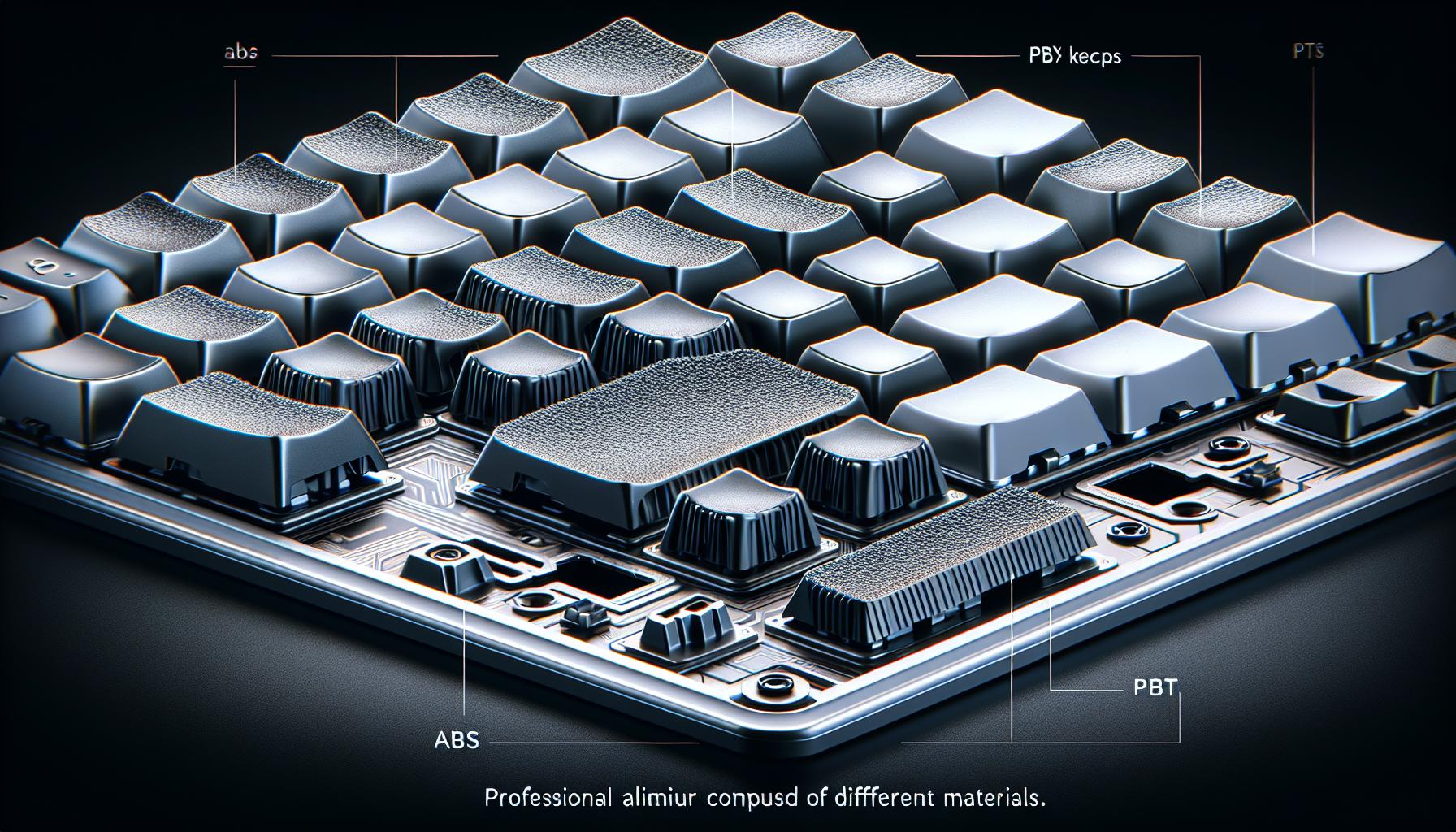
    The materials used in constructing switches also contribute to the keyboard’s sound profile. For instance, switches with plastic housings tend to produce a higher-pitched sound compared to those with metal housings. Additionally, the choice of keycaps, whether made of ABS (acrylonitrile butadiene styrene) or PBT (polybutylene terephthalate), can affect sound transmission and durability, with PBT keycaps being denser and less prone to becoming shiny with use.

    Materials Matter: Build Quality and Sound

    When venturing into the realm of the best sounding keyboards under $200, it’s crucial to consider not just the switches but also the materials used in the construction of the keyboard. The choice of materials can greatly affect both the build quality and the sound profile of the keyboard, making it an essential factor for potential buyers to consider.

    Firstly, the keyboard frame itself can be made from various materials, including plastic, aluminum, or even steel. Each material offers its own set of benefits. For example, aluminum frames are renowned for their sturdiness and ability to provide a more resonant typing sound, which many users find appealing. On the other hand, keyboards with plastic casings are often lighter and more affordable, though they may not offer the same level of acoustic satisfaction or durability.

    Another critical aspect is the keycap material. ABS (Acrylonitrile Butadiene Styrene) and PBT (Polybutylene Terephthalate) are the two most common types of materials used for keycaps. ABS keycaps are softer and may develop a shiny patina over time due to wear, whereas PBT keycaps are more durable, resistant to shine, and generally provide a slightly different, often preferred, sound profile when typing.

    Impact of Materials on Sound

    The difference in sound between ABS and PBT keycaps can be subtle yet significant for users who prioritize typing sound. PBT keycaps tend to produce a thockier and more solid sound, while ABS keycaps often result in a lighter and clackier noise. This variance in sound is due to the different densities and textures of the materials.

    Build Quality and Lifespan

    The materials used not only impact the sound but also the overall build quality and lifespan of the keyboard. A keyboard with an aluminum frame and PBT keycaps, for instance, is likely to withstand heavy use and last longer than a keyboard with a plastic frame and ABS keycaps. This durability is something to consider for anyone looking for a long-term investment.

    Design Elements that Influence Sound

    When embarking on the journey to find the best sounding keyboard under $200, it’s crucial to consider not just the materials used in construction but also the specific design elements that play a significant role in shaping the sound profile. These aspects include the keyboard’s structure, the plate material, and the mounting style, each offering a unique contribution to the auditory experience.

    Keyboard Structure

    The overall structure of a keyboard, including its case and frame, significantly impacts its sound. Keyboards with a solid and heavy frame, such as those made from aluminum, tend to produce a resonant and richer sound. In contrast, keyboards with lighter plastic frames might not offer the same depth of sound, but they have their own appeal with a brighter and sharper acoustic signature. The case’s shape and size also influence sound resonance, with larger cases often enhancing the echo and depth of each keystroke.

    Plate Material

    Within the keyboard, the plate material holds a pivotal role in sound modulation. The plate is where the switches are mounted, and it can be made from various materials including:

    • Aluminum
    • Steel
    • Brass
    • Polycarbonate

    Each material offers a distinct sound experience. For instance:

    Material Sound Characteristic
    Aluminum Crisp and resonant
    Steel Brighter and louder
    Brass Warm and full-bodied
    Polycarbonate Soft and dampened

    Mounting Style

    Another essential design element is the mounting style, or how the switches are attached to the keyboard’s plate and case. The most common mounting styles include:

    • Top Mount – where the plate is mounted to the top of the case, leading to a firm typing experience.
    • Bottom Mount – attaches the plate to the bottom of the case, offering a softer feel.
    • Gasket Mount – involves the use of gaskets that cushion the plate and case connection, resulting in a flexible and muted sound profile.

    Top Picks for Best Sounding Keyboards Under $200

    When it comes to finding the best sounding keyboards under $200, it’s not just about the price. It’s about the value you get in terms of sound quality, build, and overall typing experience. The market is flooded with numerous options, but a few stand out due to their superior acoustics, quality construction, and user satisfaction. Here are some top picks that have earned their spots for being the best in class without breaking the bank.

    Keychron K8

    The Keychron K8 takes the lead for its versatility and splendid sound profile. Designed for typists, gamers, and professionals alike, this mechanical keyboard offers a unique combination of tactile feel and auditory bliss. It features a hot-swappable option allowing users to switch between Gateron switches, known for their smooth keystrokes and pleasing sound. Its aluminum frame and dense plastic body contribute to a resonant, yet not overwhelming, sound signature. What sets the K8 apart is its ability to cater to both Mac and Windows users, offering flexibility in connectivity with both wired and Bluetooth options.

    Tecware Phantom 87

    For those who favor a compact design without sacrificing sound or functionality, the Tecware Phantom 87 emerges as a top contender. This tenkeyless mechanical keyboard is praised for its exceptional build quality at an affordable price point. It comes with Outemu switches, which are perfect for users looking for a clicky or tactile feedback. The Phantom 87’s dual-layer PCB and plate-mounted switches add to its durability while enhancing the keyboard’s overall sound. Its customizable RGB lighting is just icing on the cake, allowing users to personalize their setup while enjoying a robust typing experience.

    Glorious GMMK Compact

    The Glorious GMMK Compact deserves a mention for its modular design and impressive sound. This 60% keyboard is a dream for enthusiasts who crave customization. It’s fully hot-swappable, meaning users can experiment with different switches to find their desired sound and feel without any soldering required. The GMMK Compact comes with a sturdy aluminum faceplate, ensuring a solid base that aids in producing a clean, satisfying sound upon each keystroke. Whether it’s for gaming or typing, this keyboard offers a blend of performance, aesthetics, and sonic pleasure.


    Comparing Acoustic Performance

    When diving into the world of mechanical keyboards under $200, acoustic performance often plays a crucial role in a user’s satisfaction and overall experience. Each keyboard model brings its unique sound signature to the table, influenced by factors such as the switch type, build material, and design nuances. This section explores how the Keychron K8, Tecware Phantom 87, and Glorious GMMK Compact stand up against each other in terms of acoustic qualities.

    Starting off with the Keychron K8, this keyboard earns high marks for its warm and rich sound profile. Thanks to its hot-swappable Gateron switches, users have the flexibility to tailor the acoustic output to their liking. Whether it’s the clicky feedback of Gateron Blues or the quieter, softer bump of Gateron Browns, the K8’s aluminum frame amplifies the chosen sound in a most satisfying way. Furthermore, its ability to dampen unwanted vibrations contributes to a clean and focused audio experience during long typing sessions.

    Moving on to the Tecware Phantom 87, it’s praised for its sharp and precise acoustics. Outfitted with Outemu switches known for their distinct tactile feedback, the Phantom 87 delivers a snappy and energetic typing noise that can be quite invigorating. Its compact design, alongside the dual-layer PCB, work together to enhance the sound quality, ensuring durability doesn’t come at the cost of acoustics. Each keystroke produces a satisfying click, making it a joy for users who appreciate audible confirmation of their input.

    Last but not least, the Glorious GMMK Compact stands out due to its modular design and the sheer variety of sounds it can produce. With its hot-swappable feature, users can experiment with an array of switches without the need for soldering, making it a playground for sound enthusiasts. The sturdy aluminum faceplate of the GMMK Compact plays a significant role in its sound signature, giving it a robust and resonant sound that differs significantly from the more muted tones of keyboards with plastic cases.

    Feature Keychron K8 Tecware Phantom 87 Glorious GMMK Compact
    Switch Type Gateron Outemu Any (Hot-Swappable)

    Conclusion

    Finding the perfect mechanical keyboard under $200 that doesn’t compromise on sound quality is definitely achievable. The Keychron K8, Tecware Phantom 87, and Glorious GMMK Compact each offer a unique auditory experience that caters to different preferences. Whether it’s the warm tones of the K8, the precision of the Phantom 87, or the versatility of the GMMK Compact, there’s something for everyone. These keyboards prove that excellent sound and performance can come without a hefty price tag, making them ideal choices for users who prioritize both.

  • Top Beginner’s Pick: Best 61-Key Keyboard for 2023 – Yamaha vs Casio

    Top Beginner’s Pick: Best 61-Key Keyboard for 2023 – Yamaha vs Casio

    Starting your musical journey can be thrilling, yet picking the right instrument is crucial. For beginners, a 61-key keyboard offers the perfect balance between range and manageability, making it an ideal choice for those just stepping into the world of music.

    Navigating through the sea of options can be overwhelming, but fear not! Whether it’s for a budding pianist or someone looking to dabble in music production, finding the best 61-key keyboard doesn’t have to be a chore. With the right guidance, anyone can find a keyboard that not only fits their needs but also inspires their musical journey.

    Considerations when choosing a 61-key keyboard

    Choosing the perfect 61-key keyboard involves not just walking into a store or clicking on the first product one sees online. It’s about understanding what makes a keyboard a great fit for one’s musical journey. For beginners, navigating through the vast options can be daunting, yet certain factors can simplify this decision.

    Key Sensitivity and Action play a pivotal role in emulating the feel of an acoustic piano. Keyboards with weighted keys offer a resistance similar to that of a traditional piano, beneficial for those looking to switch between digital and acoustic pianos seamlessly. On the other hand, semi-weighted keys provide a lighter touch, easier for those exploring various music genres.

    Sound Quality is another critical aspect. High-quality sound samples and the ability to modify tones allow for a more enriching playing experience. Beginners might not discern the subtle differences at first, but as one’s ear develops, having a keyboard that produces rich, authentic sounds becomes invaluable.

    Here’s a breakdown of features often sought in beginner keyboards:

    Feature Importance
    Key Action Essential for developing proper technique
    Sound Quality Crucial for musical development and enjoyment
    Learning Tools Helpful for independent practice and skill building
    Connectivity Enables expansion and use with music software

    Learning Tools, such as built-in lessons and play-along songs, offer an interactive way to develop skills while having fun. Some keyboards also feature apps that can connect to the device, providing more in-depth tutorials and tracking progress.

    Connectivity Options like USB and MIDI ports allow the keyboard to interface with computers and mobile devices. This opens up a world of possibilities for recording, using educational software, or even dabbling in music production.

    Portability and Size might seem less critical but for someone with limited space or who values mobility, a compact and lightweight keyboard is a blessing. Additionally, for younger players, a less overwhelming size encourages regular use and practice.

    Lastly, Budget often dictates the final choice, but it’s worth noting that investing in a slightly more expensive keyboard can offer better longevity and playability. While it’s tempting to go for the cheapest option, considering long-term goals and potential growth can lead to a more satisfying purchase.

    Top features to look for in a beginner-friendly keyboard

    When stepping into the world of music with a 61-key keyboard, beginners should keep an eye out for certain features that can make their learning journey not only smoother but also more enjoyable. These features not only enhance the playing experience but also support skill development over time.

    Key Sensitivity and Action

    Key sensitivity and action are critical for mimicking the feel of an acoustic piano. Most digital keyboards come with touch-sensitive keys, which means the volume changes depending on how hard the key is pressed, mirroring the dynamic control you’d have on a traditional piano. For beginners, this feature is invaluable as it aids in developing expressiveness in playing. Additionally, weighted or semi-weighted keys can offer a more realistic touch, further enhancing muscle memory and technique from the start.

    Sound Quality

    High-quality sound reproduction is essential for keeping students motivated and engaged. Begin with a keyboard that offers a rich and authentic piano tone. Advanced models also provide a range of other instrument sounds, which can be fun to explore and play with. Sound quality can significantly vary across different models, so it’s worth trying out a few to find one that truly captures the beauty of the music you’re aspiring to play.

    Built-In Learning Tools

    Many beginner keyboards come equipped with learning tools and features designed to facilitate the learning process. This can include:

    • Built-in Lessons: Step-by-step lessons that guide users through songs and exercises.
    • Light-Up Keys: Visual aids that show the correct notes to play during a piece of music.
    • Dual Mode: Allows the keyboard to be split into two identical zones, enabling teachers and students to play together side by side.

    These tools can supplement traditional lessons and provide valuable practice aids that reinforce learning in between sessions.

    Connectivity

    In today’s digital age, connectivity is a boon for music learners. USB MIDI connectivity allows the keyboard to connect to computers and mobile devices, offering access to a wide range of music software and apps. This can include everything from interactive tutorials to recording software, expanding the resources available to beginners for practice and exploration. Some keyboards also feature Bluetooth connectivity, making it easier to use with wireless devices.

    Comparison of popular 61-key keyboards for beginners

    When embarking on the journey to master the keyboard, beginners are met with a plethora of options. Among these, certain 61-key keyboards stand out for their beginner-friendly features, quality, and value.

    Yamaha PSR-E373 and Casio CT-S300 are two such instruments that often find themselves at the top of recommendation lists. Both offer a blend of usability and functionality that cater well to novice players. Let’s dive into a detailed comparison to help those new to the instrument make an informed choice.

    Key Sensitivity and Action:
    The Yamaha PSR-E373 boasts touch-sensitive keys, allowing for a dynamic playing experience that can mimic the nuanced expressions of an acoustic piano. The Casio CT-S300, on the other hand, also features touch-sensitive keys but with a slightly different feel due to its unique key action technology.

    Sound Quality:
    Yamaha is renowned for its high-quality sound, and the PSR-E373 is no exception. It features a comprehensive library of over 600 voices, providing a wide auditory palette for experimentation. The Casio CT-S300, while offering a more modest 400 tones, delivers clear and vibrant sounds that are more than sufficient for beginners to explore various music genres.

    Learning Tools:
    Both models come equipped with built-in lessons and challenges that guide beginners through the fundamentals of piano playing. However, the Yamaha boasts a “Keys to Success” feature offering a more structured learning path, while the Casio uses its “Step-Up Lesson System” to provide similar guidance.

    Connectivity:
    In today’s digital age, connectivity is crucial. Both keyboards offer USB MIDI connections, allowing students to connect to computers and mobile devices for expanded learning with apps and software. Bluetooth connectivity is absent in both models, yet this does not significantly detract from their overall value in educational features.

    Below is a tabulated summary of their features for easy comparison:

    Feature Yamaha PSR-E373 Casio CT-S300
    Key Sensitivity Touch-Sensitive Touch-Sensitive
    Sound Quality Over 600 Voices 400 Tones
    Learning Tools Keys to Success Step-Up Lesson System
    Connectivity USB MIDI USB MIDI

    Tips for getting started with your new keyboard

    Embarking on the journey of learning to play the keyboard is an exciting endeavor, and having the right approach can make all the difference. Whether you’ve chosen the Yamaha PSR-E373 with its touch-sensitive keys and vast voice library, or the Casio CT-S300 known for its unique key action and tones, these tips will help you get started on the right note.

    First and foremost, familiarize yourself with your instrument. Spend some time exploring the different voices, rhythms, and built-in lessons available on your keyboard. Understanding the functionalities and features at your disposal can greatly enrich your playing experience. For instance, experimenting with the various sound effects can inspire creativity and make practice sessions more enjoyable.

    Next, implement a practice schedule. Consistency is key when learning a new instrument. Aim to practice for a certain amount of time each day, even if it’s just for a few minutes. Short, daily sessions are more effective than longer, less frequent ones as they help to build and maintain muscle memory more efficiently. It’s also beneficial to set small, achievable goals for each practice session to keep motivation levels high.

    Utilize the learning tools that come with your keyboard. Both the Yamaha PSR-E373 and Casio CT-S300 offer built-in lessons that are designed to help beginners grasp the basics. These tools can serve as a valuable complement to traditional keyboard lessons or online tutorials. They allow you to learn at your own pace and provide immediate feedback, which can accelerate the learning process.

    Additionally, exploring music theory can vastly improve your understanding and playing ability. Basic knowledge of chords, scales, and reading music can open up a new world of possibilities and make it easier to learn and memorize songs. There are many free resources available online that are geared towards beginners, ensuring you have access to quality educational material without additional cost.

    Take advantage of technology. With USB MIDI connectivity, both keyboards can be connected to computers and mobile devices. This opens up a plethora of software and apps designed to assist in learning and making music. From virtual piano lessons to applications that track your progress, technology can be a valuable ally in your musical journey.

    Conclusion

    Choosing the right 61 key keyboard as a beginner is a crucial step in embarking on a musical journey. Whether one opts for the Yamaha PSR-E373 or the Casio CT-S300, it’s essential to dive into the adventure with enthusiasm. By familiarizing oneself with the instrument, committing to a regular practice schedule, and embracing the wealth of resources available, beginners can lay a solid foundation for their musical education. Remember, the journey of learning music is as rewarding as the destination. So pick up that keyboard and let the melodies guide you to new heights.

  • Top Best Keyboards for Piano Beginners: Yamaha, Casio, & More

    Top Best Keyboards for Piano Beginners: Yamaha, Casio, & More

    Embarking on the journey to learn piano basics can be thrilling yet daunting. It all starts with finding the perfect keyboard that not only fits your budget but also makes learning enjoyable and effective. With countless options out there, it’s easy to feel overwhelmed.

    That’s where we come in. We’ve sifted through the noise to bring you the top keyboards that are ideal for beginners. Whether you’re looking for something portable, budget-friendly, or packed with learning features, we’ve got you covered. Let’s dive into the world of music together and find the keyboard that’ll set the stage for your musical journey.

    Key Considerations for Choosing a Keyboard

    When diving into the world of piano, selecting the right keyboard is a crucial step that can significantly impact a learner’s journey. A well-chosen keyboard not only makes the learning process more pleasant but also helps in mastering the basics with greater ease. Here are some essential factors to consider when choosing the best keyboard for learning piano basics.

    Size and Key Weight play a pivotal role in transitioning to an acoustic piano in the future. Beginners should look for keyboards with 88 keys and weighted action to mimic the feel of a traditional piano. This not only aids in finger strength development but also ensures a more authentic playing experience.

    Sound Quality is another vital aspect. A good keyboard should offer a sound that is as close to an acoustic piano as possible. High-quality samples and a decent speaker system can make practice sessions more enriching and enjoyable for beginners.

    Learning Features such as built-in lessons, light-up keys, and integration with learning apps can significantly enhance the learning experience. These features provide an interactive platform, making it easier for beginners to grasp complex concepts and techniques.

    Connectivity options are often overlooked but are essential for a modern music learning experience. A keyboard with MIDI or USB ports allows learners to connect with music software and apps, offering a broader range of learning materials and opportunities to record and edit their performances.

    Below is a comparison of three popular beginner keyboards, showcasing their key features:

    Keyboard Model Key Size and Weight Sound Quality Features Learning Features Connectivity
    Yamaha P125 88 weighted keys Pure CF Sound Engine Duo mode for side-by-side learning USB to Host
    Casio CTK-2550 61 touch-sensitive keys AHL sound source Step-up learning system No MIDI
    Roland GO:PIANO 61 full-size keys Roland’s acclaimed piano sounds Bluetooth MIDI for apps Bluetooth Audio/MIDI

    Accessibility should not be overlooked. Keyboards are available at a range of price points, so it’s important to find one that offers the best value for one’s budget. Investing in a slightly higher-priced model might offer better long-term value due to enhanced features and durability.

    Portable Keyboards for On-the-Go Learning

    In today’s fast-paced world, the ability to learn on the move has become increasingly important. For those embarking on their piano learning journey, portable keyboards offer the perfect solution. These instruments are designed to provide flexibility and convenience, allowing students to practice anytime and anywhere. Lightweight and often compact, portable keyboards can easily be transported, making them ideal for travelers or individuals with limited space.

    One of the key benefits of portable keyboards is their versatility. Despite their smaller size, many of these keyboards come equipped with a range of features similar to their full-sized counterparts. This includes a variety of voices, built-in rhythms, and even recording capabilities. For beginners, this means they don’t have to compromise on the quality of their practice sessions, regardless of where they are.

    Key Considerations for Choosing a Portable Keyboard

    When selecting a portable keyboard for learning piano basics, several factors come into play:

    • Size and Number of Keys: Most portable keyboards have fewer than 88 keys. However, for beginners, a 61-key keyboard is often sufficient to start learning the basics. It’s compact yet offers enough range for initial lessons.
    • Weighted Keys: While rare in highly portable models, finding a keyboard with semi-weighted keys can provide a closer feel to an acoustic piano. This feature is crucial for developing proper finger strength and technique.
    • Battery Operation: The ability to run on batteries is a must-have for a truly portable keyboard. It ensures that learners can practice even in places without easy access to power outlets.
    • Learning Tools: Integrated learning systems, such as built-in lessons or connectivity with smartphone apps, enhance the learning experience on the go.

    Top Picks for Portable Keyboards

    To help narrow down the choices, here are three recommended portable keyboards for beginners:

    Keyboard Model Number of Keys Key Type Battery Operated Additional Features
    Yamaha PSR-E263 61 Unweighted Yes 400 voices, 130 styles
    Casio CTK-2550 61 Unweighted Yes 400 tones, 150 rhythms, Dance Music Mode
    Roland GO:KEYS 61 Semi-weighted Yes Bluetooth connectivity, Loop Mix Function

    Budget-Friendly Options without Compromising Quality

    Finding a budget-friendly keyboard that doesn’t cut corners on quality is crucial for beginners who are just embarking on their musical journey. Affordability doesn’t have to mean compromise, especially when it comes to learning the piano basics. There are several options out there that provide a great learning experience without breaking the bank.

    First up, it’s important to note that weighted keys play a significant role in simulating the feel of an acoustic piano. Fortunately, some budget keyboards offer semi-weighted or touch-sensitive keys that come close to this experience while remaining cost-effective. Additionally, having built-in learning tools like lesson modes and song libraries can make practice sessions more engaging and productive.

    Here’s a quick comparison of three budget-friendly keyboards that are perfect for beginners:

    Keyboard Model Number of Keys Key Type Battery Operated Additional Features
    Yamaha PSR-E273 61 Touch Sensitive Yes Learning mode, 400 voices
    Casio CTK-2550 61 Touch Responsive Yes Step-up learning system, Dance Music Mode
    Alesis Recital 88 Semi-Weighted No 5 voices, Educational Features

    Each of these models offers a great balance between price and features, making them ideal for learners who are serious about picking up the essentials of piano playing without spending too much upfront. The Yamaha PSR-E273, for instance, includes a learning mode that breaks down songs into smaller, manageable parts, aiding beginners in grasping the basics more effectively. On the other hand, the Casio CTK-2550’s Dance Music Mode can make practice sessions more fun and engaging, offering learners a break from traditional exercises without stepping away from the keyboard.

    The Alesis Recital stands out for its 88 semi-weighted keys, providing an experience closer to that of an acoustic piano. This makes it an excellent choice for students who are ready to transition to more serious practice but are still looking for an affordable option. While not battery operated, its comprehensive educational features justify its place in a learner’s arsenal, especially for those prioritizing the feel of the keys.

    Key Learning Features to Look for in a Beginner Keyboard

    Choosing the right keyboard for learning piano basics means looking beyond just the price and the number of keys. It’s about pinpointing the learning features that can genuinely enhance a beginner’s journey from novice to skilled pianist. These features not only make learning more interactive but also ensure that the process is engaging and efficient. Here are some pivotal learning features to consider:

    Built-in Lessons and Modes

    Many beginner keyboards come with pre-loaded lessons that guide users through the basics of piano playing, from reading music to finger positioning. These lessons are particularly beneficial as they allow learners to practice at their own pace without the constant need for a teacher’s presence. Keyboards equipped with various playing modes – such as the split mode, which divides the keyboard into two halves, allowing teacher and student to play side by side – offer valuable hands-on experience. This feature is instrumental in helping beginners understand timing and harmony in a practical setting.

    Touch Sensitivity

    While it might seem like a feature reserved for more expensive models, touch sensitivity is crucial for beginners. It makes a keyboard respond differently to the force used to press the keys, closely mimicking the dynamics of an acoustic piano. This helps learners develop a nuanced touch and better control of their dynamics early on. Playing on a touch-sensitive keyboard encourages students to focus on the expression and emotion in their playing, not just the notes they hit.

    Recording and Playback

    The ability to record and playback performances is invaluable for learners. This feature assists beginners in evaluating their playing, identifying areas for improvement, and tracking their progress over time. By listening to themselves, students can catch nuances and mistakes in their performances that they might not notice while playing.

    Metronome and Other Tools

    A built-in metronome is a must-have for any beginner keyboard. It helps learners keep a steady tempo – a foundational skill in music that supports everything from practicing scales to performing complex pieces. Additionally, keyboards that offer visual aids such as LED lights that guide finger placement or display on-screen sheet music can significantly reduce the learning curve for beginners.

    Top Picks for the Best Keyboards for Learning Piano Basics

    When starting the journey of learning piano basics, the right keyboard can make all the difference. With the plethora of options available, finding the perfect fit that aligns with a beginner’s needs might feel daunting. However, there are a few standout models that are frequently recommended by music teachers and seasoned pianists alike for their comprehensive learning features and quality.

    The Yamaha PSR-E363 is often at the top of many lists. It’s well-loved for its touch-sensitive keys, which mimic the response of an acoustic piano, allowing for expressive play. This keyboard also shines with its built-in lessons covering a wide range of styles and techniques, offering beginners a solid foundation in music theory and practice. Its ability to connect to a computer or mobile device for expanded learning with apps is a significant plus.

    Another great option is the Casio CTK-2550. It doesn’t skimp on learning features despite its affordable price tag. The Step-Up Lesson System is ideal for beginners, breaking down songs into smaller, learnable parts. Additionally, the 400 onboard tones and 150 rhythms provide ample opportunities for experimentation and developing musical ear.

    For those looking for something that closely mimics the feel of an acoustic piano, the Roland GO:PIANO is a fantastic choice. It boasts 88 full-size keys with standard spacing and real piano feel, thanks to its high-quality keyboard action. The Roland GO:Piano also offers Bluetooth connectivity for using with educational apps and a minimalistic interface that keeps learners focused on playing rather than navigating complicated menus.

    No discussion about beginner keyboards would be complete without mentioning the Alesis Recital. It’s a feature-packed model with 88 semi-weighted keys offering adjustable touch response. Beginners will appreciate the lesson modes that divide the keyboard into two zones with the same pitch and voice. This is especially helpful for side-by-side practice sessions. The Alesis Recital also provides an impressive range of sounds and built-in effects to play with, letting students explore various musical genres and styles.

    Here’s a quick comparison of the key features of these top picks:

    Model Key Count Key Type Built-in Lessons Touch Sensitivity Connectivity Options
    Yamaha PSR-E363 61 Touch-Sensitive

    Conclusion

    Choosing the right keyboard to start your piano journey is crucial. The Yamaha PSR-E363, Casio CTK-2550, Roland GO:PIANO, and Alesis Recital each offer unique features tailored to beginners. Whether it’s touch-sensitive keys for a more dynamic playing experience, built-in lessons to guide your practice, or connectivity options for interactive learning, these keyboards are designed to make your introduction to piano as enriching and enjoyable as possible. It’s about finding the one that best suits your learning style and musical aspirations. With any of these top picks, you’re well on your way to mastering the basics and beyond.

  • Choosing Your First Keyboard: 88 Key vs 61 Key for Beginners

    Choosing Your First Keyboard: 88 Key vs 61 Key for Beginners

    Choosing the right keyboard can feel like navigating a maze, especially for beginners. It’s not just about the brand or the sound quality; the number of keys plays a crucial role too. Most newbies find themselves torn between the 88 key and the 61 key keyboards, each offering its own set of advantages.

    The 88 key keyboard, mirroring a traditional piano, offers a wide range of octaves, making it ideal for those aiming to play classical music or jazz. On the flip side, the 61 key keyboard, with its compact size and fewer keys, might be less intimidating for beginners, offering a more manageable starting point. It’s all about finding the right fit for your musical journey.

    Pros and Cons of 88 Key Keyboards

    When considering the choice between 88 key and 61 key keyboards, it’s crucial to weigh the advantages and disadvantages of each. 88 key keyboards, mirroring the traditional piano, come with their own set of pros and cons tailored to the beginner’s journey in music.

    Pros:

    • Full Range: The 88 key keyboard encompasses the full range of a standard piano, offering seven octaves plus a minor third, from A0 to C8. This expansive range is essential for classical and jazz music, where a wide variety of notes and octaves are often utilized.
    • Versatility: With the complete set of keys at their disposal, learners can easily transition into different genres of music without limitations. This versatility makes it an excellent choice for those who aim to explore a broad spectrum of musical styles.
    • Touch and Feel: Most 88 key keyboards come with weighted keys that aim to replicate the touch and feel of an acoustic piano. This feature is instrumental in developing proper finger technique and dynamics, laying a solid foundation for serious piano students.
    • Dynamics and Expression: The ability to convey a wide range of dynamics and expressions is crucial in music. The weighted keys of an 88 key keyboard allow for nuanced control over volume and articulation, enabling musicians to convey emotions more effectively.
    • Size and Portability: One of the primary drawbacks of the 88 key keyboard is its size. Being the same length as a traditional piano, it requires considerable space and is not as portable as smaller keyboards.
    • Price Point: Typically, 88 key keyboards are more expensive than their 61 key counterparts. The added expense can be a significant consideration for beginners who are uncertain about their long-term commitment to learning the piano.
    • Complexity for Beginners: For some beginners, starting with 88 keys can be overwhelming. The wide range of keys and the complexity of managing them can make the learning process more challenging.
    88 Key Keyboard Pros Cons
    Range Full 7 octaves plus a minor third
    Versatility Suitable for a wide range of music genres
    Touch and Feel Weighted keys replicate acoustic piano
    Dynamics Enables nuanced control
    Size

    Pros and Cons of 61 Key Keyboards

    When it comes to choosing between 88 key and 61 key keyboards for beginners, understanding the pros and cons of the latter is crucial. A 61 key keyboard, while smaller than its 88 key companion, holds its ground with a unique set of advantages and challenges that cater to different needs and preferences.

    One of the major advantages of 61 key keyboards is their compact size and portability. For beginners who might not have a lot of space or who value the ability to easily transport their instrument, a 61 key keyboard is significantly lighter and more manageable. This makes it an ideal choice for those living in small apartments or for younger players whose families need to move the instrument regularly for lessons or performances.

    Furthermore, 61 key keyboards often come with a lower price point. This is a particularly attractive feature for those just starting their musical journey. Investing a smaller amount in the initial stages can ease the financial burden, offering an accessible entry point for beginners. Additionally, these keyboards frequently include a variety of built-in learning tools and features such as light-up keys, pre-recorded songs, and even lesson functions. These features can significantly aid in the early stages of music education, making learning both engaging and fun.

    However, there are some downsides to consider. One of the most significant is the limited range. A 61 key keyboard covers five octaves, which is sufficient for most beginners but may become restrictive as players advance and wish to explore a wider repertoire. This limitation can hinder the development of certain skills and prevent players from performing complex classical or jazz pieces that require a full seven octaves plus a minor third.

    Moreover, while many 61 key keyboards offer touch sensitivity, they rarely include weighted keys. The absence of weighted keys means that players don’t experience the resistance of an acoustic piano, which can be crucial for developing proper finger technique and dynamic control. This aspect might necessitate a transition to a more sophisticated keyboard or digital piano as the player progresses, entailing additional costs and adjustments.

    Finally, some argue that beginning on a 61 key keyboard might lead to a narrowed perception of piano playing. Without the full range of keys, beginners may not fully appreciate the instrument’s versatility or understand how to navigate the transitions between different octaves efficiently. This could potentially limit their overall musical development and understanding.

    | Pros of 61 Key Keyboards |

    Differences in Sound Range

    When comparing 88 key keyboards to their 61 key counterparts, the Differences in Sound Range stand out as a significant factor for beginners to consider. An 88 key keyboard offers a full piano range, from the deep, resonant lows of the bass notes to the crystal-clear highs of the treble notes. This range is not just about more notes but about the capability to express a wider variety of music genres and compositions. Classical pieces, in particular, often require the full range that only an 88 key keyboard can provide.

    Conversely, a 61 key keyboard, while sufficiently covering the mid-range notes, misses out on the extreme ends of the piano’s spectrum. This limitation means that beginners might not be able to play some of the more expansive pieces of music without adapting them to fit the smaller range. However, it’s worth noting that many modern and pop music pieces can be comfortably played within this range. For beginners focusing on these genres, the 61 key keyboard might not feel as limiting.

    The impact of the sound range on learning and enjoyment can’t be understated. Beginners on an 88 key keyboard have the potential to explore a broader repertoire of music. This exploration not only makes the learning process more enjoyable but also provides a more comprehensive understanding of musical theory and composition. On the flip side, beginners might find the 61 key keyboards less intimidating and more approachable, allowing for a gradual introduction to music playing.

    Keyboard Type Key Count Sound Range
    Full-size Keyboard 88 keys Full range
    Smaller Keyboard 61 keys Limited range

    Despite the differences, both types of keyboards offer unique advantages. The 61 key keyboards are ideal for musicians who prioritize portability and simplicity. It’s particularly beneficial for those who have space constraints or are always on the move. On the other hand, the 88 key keyboards are unmatched in their ability to provide a full and authentic piano experience, making them a better choice for students who are serious about pursuing music in the long term.

    Portability and Space Considerations

    When choosing between an 88 key and a 61 key keyboard, especially for beginners, the aspects of portability and space cannot be overstated. Those with limited living space or those who value mobility might find the compact size of the 61 key keyboard particularly appealing. Its lighter weight and smaller footprint make it an ideal choice for musicians on the move or for those living in tight quarters.

    On the other hand, 88 key keyboards, which mimic the full range of an acoustic piano, are significantly larger and often heavier. This makes them less portable and requires a dedicated space, not just for the instrument itself but also for a proper seating arrangement that allows for comfortable practice sessions. For someone with ample space and a fixed location where the keyboard can remain set up, the 88 key option is undoubtedly appealing for its extensive musical range and authenticity. However, it’s important to consider whether the physical demands of housing such a large instrument align with one’s lifestyle and space availability.

    The decision between the two types of keyboards also extends beyond the individual’s current living situation and touches on future intentions. For beginners who aim to transition to classical piano playing or wish to delve into music genres that demand a broad range of notes, the 88 key keyboard presents a wise long-term investment. Conversely, those seeking to explore music production, electronic music, or simply enjoy the portability of their instrument may find the 61 key variant to suit their needs perfectly.

    Moreover, the market today offers innovative solutions to the portability challenge of 88 key keyboards. Certain models are designed to be more compact, with some even featuring detachable sections or foldable designs to aid in transportation and storage. While these features can make an 88 key keyboard more manageable, they might also come with a higher price tag, adding another layer to the decision-making process.

    For beginners, it’s crucial to weigh these factors carefully. The choice between a 61 key and an 88 key keyboard hinges not just on immediate preferences but on long-term goals and the practicality of instrument size and portability. Whether it’s the need for a wide musical range or the flexibility to make music anywhere, there’s a keyboard out there that’s the right fit for every beginner’s journey in music.

    Which Keyboard is Right for You?

    Deciding between an 88 key and a 61 key keyboard comes down to personal needs, aspirations, and constraints. For beginners, the journey into music should be as enjoyable and frictionless as possible. It’s crucial to consider what each type of keyboard offers and how it aligns with one’s musical journey.

    Assessing Your Musical Goals

    First, reflect on your long-term musical goals. If classical piano mastery is the dream, an 88 key keyboard is indispensable. The full range offers a comprehensive learning experience, ensuring that no piece is beyond reach due to limited keys. However, if the goal is to delve into genres like pop, rock, or electronic music, a 61 key keyboard can be more than sufficient. These genres often don’t require the full range of an acoustic piano, and the 61 key layout can offer a more manageable learning curve for beginners.

    Space and Portability

    For those with limited living space or who value the ability to easily transport their instrument, the size and weight of the keyboard are key considerations. Here, 61 key keyboards have a clear advantage:

    Feature 88 Key Keyboard 61 Key Keyboard
    Weight Heavy Light
    Size Large Compact
    Portability Low High

    The lighter and more compact nature of 61 key keyboards makes them ideal for musicians on the move or those with limited space at home.

    Technological Enhancements

    Today’s keyboards are equipped with an array of features designed to enhance the learning experience. From built-in lesson functions to connectivity with music apps, both 88 and 61 key keyboards come packed with technological advancements. Beginners should explore these features, as they can significantly impact the learning journey.

    Budget Considerations

    Budget is another critical factor. Generally, 88 key keyboards are more expensive than their 61 key counterparts. They also require additional accessories like stands or benches, which add to the initial investment. Beginners might prefer starting with a 61 key keyboard, which offers a more affordable entry point into the world of music.

    Conclusion

    Choosing the right keyboard is a crucial step for any beginner stepping into the world of music. It’s all about finding that perfect balance between your musical aspirations, the space you have available, and what your wallet allows. If classical music captures your heart, an 88 key keyboard will serve you well with its wide range. On the other hand, for those drawn to pop or electronic vibes, a 61 key keyboard might just be your best bet. Not only are they more compact and easier to fit into smaller spaces, but they’re also friendlier on the budget. Remember, both options come packed with features designed to make learning a breeze. So take your pick based on what sings to your soul and your practical needs. Happy playing!
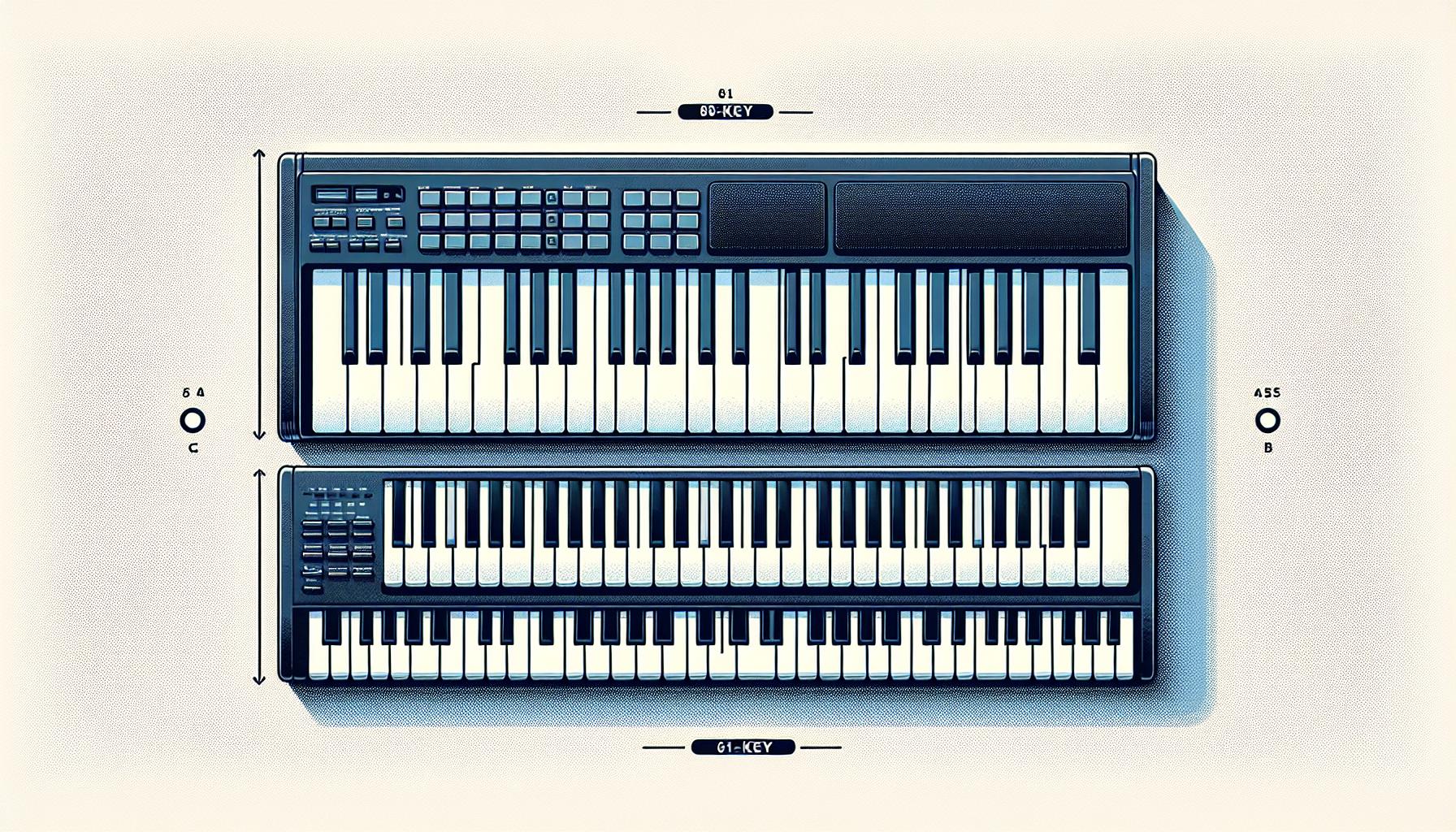
  • Top Affordable Beginner Keyboards Under $150: Maintenance Tips Included

    Top Affordable Beginner Keyboards Under $150: Maintenance Tips Included

    Starting your musical journey can be both exciting and daunting, especially when it comes to finding the right instrument that doesn’t break the bank. For aspiring pianists, getting a good quality beginner keyboard is the first step toward mastering those melodies. But with so many options out there, how do you find one that’s both affordable and high-quality?

    Luckily, you don’t have to spend a fortune to get started. There are plenty of fantastic keyboards available for under $150 that offer great sound, useful features, and the durability a beginner needs. Whether you’re looking for something compact to fit in a small space or a keyboard with a variety of sounds to explore, there’s something out there for everyone.

    Factors to Consider when Choosing a Beginner Keyboard

    When embarking on the journey of learning the piano, selecting the right beginner keyboard is crucial. This choice can significantly influence a learner’s experience and progress. With the market brimming with options, especially under the $150 mark, understanding what to look for becomes essential.

    Size and Key Count are paramount. Most standard pianos have 88 keys, but beginner keyboards often offer fewer to keep costs and size manageable. A keyboard with 61 to 76 keys is typically sufficient for beginners, offering enough range to learn, practice, and grow without overwhelming them.

    Touch Sensitivity is another consideration. Keyboards with touch-sensitive keys respond to the force with which they’re pressed, mimicking the dynamics of an acoustic piano. This feature is incredibly beneficial for beginners as it aids in developing a nuanced playing style from the start.

    Sound Quality and Variety

    Sound quality cannot be overlooked. Even at an entry-level price point, a good beginner keyboard should offer clear, rich tones that inspire continued practice and exploration. Additionally, having a range of Built-In Tones and Voices can make learning more enjoyable. Many keyboards come equipped with various instrument voices, allowing beginners to experiment and find joy in the sounds they create.

    Learning Tools and Features

    The presence of Built-In Learning Aids like lesson modes, metronomes, and even connection capabilities for apps or software can enhance the learning experience. These tools provide beginners with valuable feedback, help maintain rhythm, and can introduce new techniques in an engaging way.

    Portability and Power

    For learners who may not have a permanent space for their instrument, Portability becomes a factor. Lighter keyboards that are easy to store or transport allow practice to take place anywhere. Similarly, the option to power the keyboard with batteries in addition to AC power offers flexibility for where and when learning can occur.

    Durability and Connectivity

    Finally, Durability ensures that the keyboard can withstand the test of time and the enthusiasm of a beginner. Equally crucial is Connectivity. A keyboard with USB or MIDI ports enables learners to connect with educational software and apps, record their performances, and even compose music. This connection to technology not only enriches the learning process but also adapts it to modern educational methods.

    Top Features to Look for in a Budget Keyboard

    When embarking on the musical journey of learning to play the piano, finding a high-quality, budget-friendly keyboard is crucial. A beginner’s keyboard under $150 might seem limiting at first, but there are key features to look for that ensure both an enjoyable and educational experience.

    Size and Key Count play a fundamental role in the transition to more advanced keyboards or even acoustic pianos. Most educators and professionals recommend opting for keyboards that offer a full 88-key range or at least 61 keys to adequately practice scales and compositions. This provides a more comprehensive introduction to the keyboard landscape and prepares learners for future musical endeavors.

    Touch Sensitivity is another vital feature, mimicking the dynamic response of an acoustic piano. It allows for expressive playing, enabling soft and loud notes to be produced based on the pressure applied to the keys. This feature significantly enhances the realism of the playing experience and is essential for developing a nuanced touch and dynamic control.

    The Sound Quality and Variety of tones and voices included in the keyboard also contribute significantly to the learning and playing experience. While budget keyboards may not offer the same richness and depth of sound as their pricier counterparts, many still offer a range of voices that cover the basics like piano, organ, and strings. This variety can keep practice sessions engaging and fun, encouraging beginners to explore different genres and styles.

    Learning Tools such as Lesson Modes, Built-in Metronomes, and Song Libraries are incredibly beneficial for beginners. Lesson modes often break down songs into manageable sections, teaching the notation and timing for each hand separately before combining them. Built-in metronomes help maintain a steady tempo—a crucial skill for any musician. Additionally, having a selection of songs to play along with, right out of the box, offers immediate practice material that is both educational and enjoyable.

    Portability and Power Options matter more than one might think. Keyboards that are lightweight and can run on batteries offer the flexibility to practice anywhere, which is particularly useful for young learners or individuals with limited space. This ease of movement can significantly enhance the frequency of practice sessions, an essential factor in the learning process.

    Best Beginner Keyboards Under $150

    Finding a beginner keyboard that doesn’t break the bank yet offers all the essential features for learning can be challenging. However, there are several models available under $150 that stand out for their value, feature set, and positive feedback from users. This section details a selection of keyboards that provide an ideal starting point for novice pianists on a budget.

    Yamaha PSR-F51 – A standout for its simplicity and functionality, the Yamaha PSR-F51 offers a straightforward user interface, making it perfect for beginners. With 61 full-sized keys, it supports the development of proper finger technique. Moreover, it boasts 120 voices and 114 backing tracks, enriching the learning and practicing experience. Despite its affordability, it doesn’t compromise on sound quality, a testament to Yamaha’s reputable craftsmanship in musical instruments.

    Casio CTK-2550 – Casio is synonymous with producing quality musical instruments that are affordable, and the CTK-2550 is no exception. It features 61 touch-sensitive keys, promoting dynamic playing from the outset. Students can explore a variety of sounds, thanks to its 400 tones and 150 rhythms. Additionally, its integration with the Chordana Play app enables learners to easily pick up songs and provides a fun, interactive way to practice.

    Alesis Melody 61 MKII – Ideal for those who seek an all-in-one package, the Alesis Melody 61 MKII includes everything a beginner might need: a keyboard stand, bench, headphones, music rest, and even a microphone. Beyond accessories, the keyboard itself impresses with 61 responsive keys, 300 built-in sounds, and 300 rhythms, plus 40 demo songs. Its dual power options, battery or AC adapter, ensure flexibility in practice settings, making it a versatile choice for young learners.

    Keyboard Model Key Count Touch Sensitive Keys Voices/Sounds Rhythms/Backing Tracks Additional Features
    Yamaha PSR-F51 61 No 120 114 User-friendly interface, ideal for beginners.
    Casio CTK-2550 61 Yes 400 150 Chordana Play app compatibility, encourages practice.

    Comparison of Keyboards in the Affordable Price Range

    When it comes to selecting the perfect beginner keyboard, the options in the under $150 category boast a surprisingly good mix of features and value. Let’s dive deeper into how the Yamaha PSR-F51, Casio CTK-2550, and Alesis Melody 61 MKII stand against each other in this competitive price range.

    The Yamaha PSR-F51 is renowned for its user-friendly interface. Ideal for beginners, it offers 120 voices and 114 rhythms, which means students won’t quickly run out of sounds to explore. It’s also incredibly portable and operates on batteries, making it easy to take anywhere. However, its keys are not touch-sensitive, which might not appeal to everyone.

    On the other hand, the Casio CTK-2550 takes a step up with its touch-sensitive keys, providing a more dynamic playing experience where the volume changes with the pressure applied to the keys. This feature is crucial for expressive playing and developing a good touch. It also connects to the Chordana Play app, which offers lessons and practice features, enhancing the learning experience. Despite these advantages, some might find its 400 tones and 150 rhythms more than necessary for a beginner.

    The Alesis Melody 61 MKII comes packed with features, including 300 built-in tones and 40 demo songs, plus an easy-to-assemble stand, bench, and headphones, offering a complete package right out of the box. Its keys are not touch-sensitive, but it makes up for this with the inclusion of microphone and headphone jacks, allowing for quiet practice and the ability to sing along. This keyboard also provides both USB and battery power options, adding to its flexibility.

    Here’s a simplified breakdown of the key features of these three keyboards:

    Feature Yamaha PSR-F51 Casio CTK-2550 Alesis Melody 61 MKII
    Keys Full-size Full-size, touch-sensitive Full-size
    Voices/Rhythms 120/114 400/150 300/Scaled
    Power Option Battery/Adapter Adapter Battery/USB
    Accessories None None Stand, bench, headphones
    Additional Features None

    Tips for Maintaining and Extending the Lifespan of Your Keyboard

    When investing in a keyboard for beginners, especially considering budget-friendly options under $150, it’s crucial to know how to maintain and extend its lifespan. Good care can make a significant difference, ensuring the keyboard remains in top condition for years to come.

    Regular Cleaning Is Key

    One of the simplest but most effective practices is to regularly clean the keyboard. Dust and debris can accumulate over time, not just on the surface but also between the keys, which can affect the keyboard’s performance. Here’s a quick guide:

    • Use a soft, dry cloth to wipe down the keys and surface after each use.
    • For a deeper clean, gently use a can of compressed air to remove dust from between the keys.
    • Avoid using wet cloths or harsh cleaning agents, as they can damage the keyboard’s electronic components.

    Mind the Environment

    Where the keyboard is located can impact its condition over time. Consider the following:

    • Keep the keyboard away from direct sunlight and sources of heat, as excessive heat can warp the keys and damage the circuits.
    • Maintain a clean, dry space for the keyboard. Moisture can lead to electronic failure and the growth of mold.
    • Think about investing in a keyboard cover or case, especially if the instrument is frequently moved or stored in dusty areas.

    Handle With Care

    While most keyboards, especially those geared towards beginners, are built to withstand use, it’s important to handle them with care:

    • Gently plug and unplug cables, avoiding force that can damage jacks and connectors.
    • When transporting the keyboard, ensure it’s securely placed in a case or carry bag to protect against bumps and scratches.
    • Never place heavy objects on top of the keyboard, as this can damage both the keys and the underlying mechanisms.

    Regular Updates and Check-ups

    For keyboards that connect to apps or require software:

    • Regularly check for and apply software updates. These can improve functionality, add new features, and resolve known issues.
    • If the keyboard has batteries, check them periodically for leaks or corrosion, which can damage the electronics.
    • If keys become unresponsive or the sound quality diminishes, consult the user manual or contact customer support. Delaying repair can lead to more significant issues.
    • Be aware of

    Conclusion

    Finding the right beginner keyboard shouldn’t be a daunting task, especially with options like the Yamaha PSR-F51, Casio CTK-2550, and Alesis Melody 61 MKII that don’t break the bank. Remember, the journey doesn’t end at the purchase. Taking good care of your keyboard by cleaning it regularly, protecting it from harsh environments, and staying on top of software updates can make all the difference. These steps ensure your instrument stays in perfect harmony, ready for every learning session. Happy playing!