Category: Choosing Gear

  • Top Pick: Cheapest Alesis Keyboard for Learning – Recital 61 Review

    Top Pick: Cheapest Alesis Keyboard for Learning – Recital 61 Review

    Embarking on a musical journey with a keyboard can be an exciting venture, especially for beginners eager to learn. However, the cost of musical instruments can often be a hurdle. That’s where Alesis steps in, offering an array of keyboards that don’t break the bank. They’ve become a go-to brand for those looking to dive into music without diving into their savings.

    Among their lineup, there’s a particular model that stands out for learners – it’s affordable, yet doesn’t skimp on quality. It’s perfect for those just starting their musical path or anyone on a tight budget looking for a reliable instrument. Let’s explore the cheapest Alesis keyboard for learning, a choice that proves you don’t have to spend a lot to get a lot.

    Overview of Alesis Keyboards

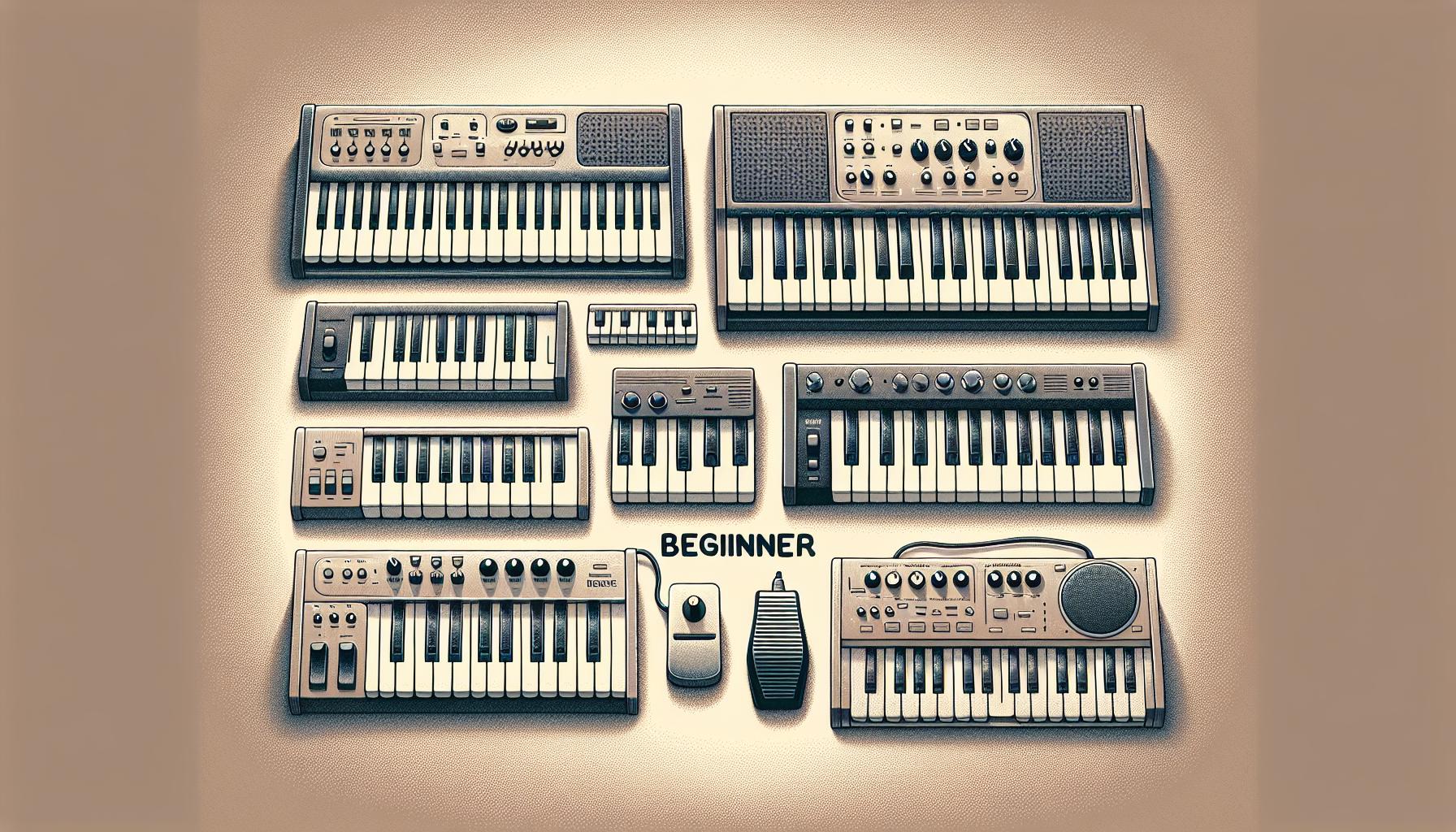
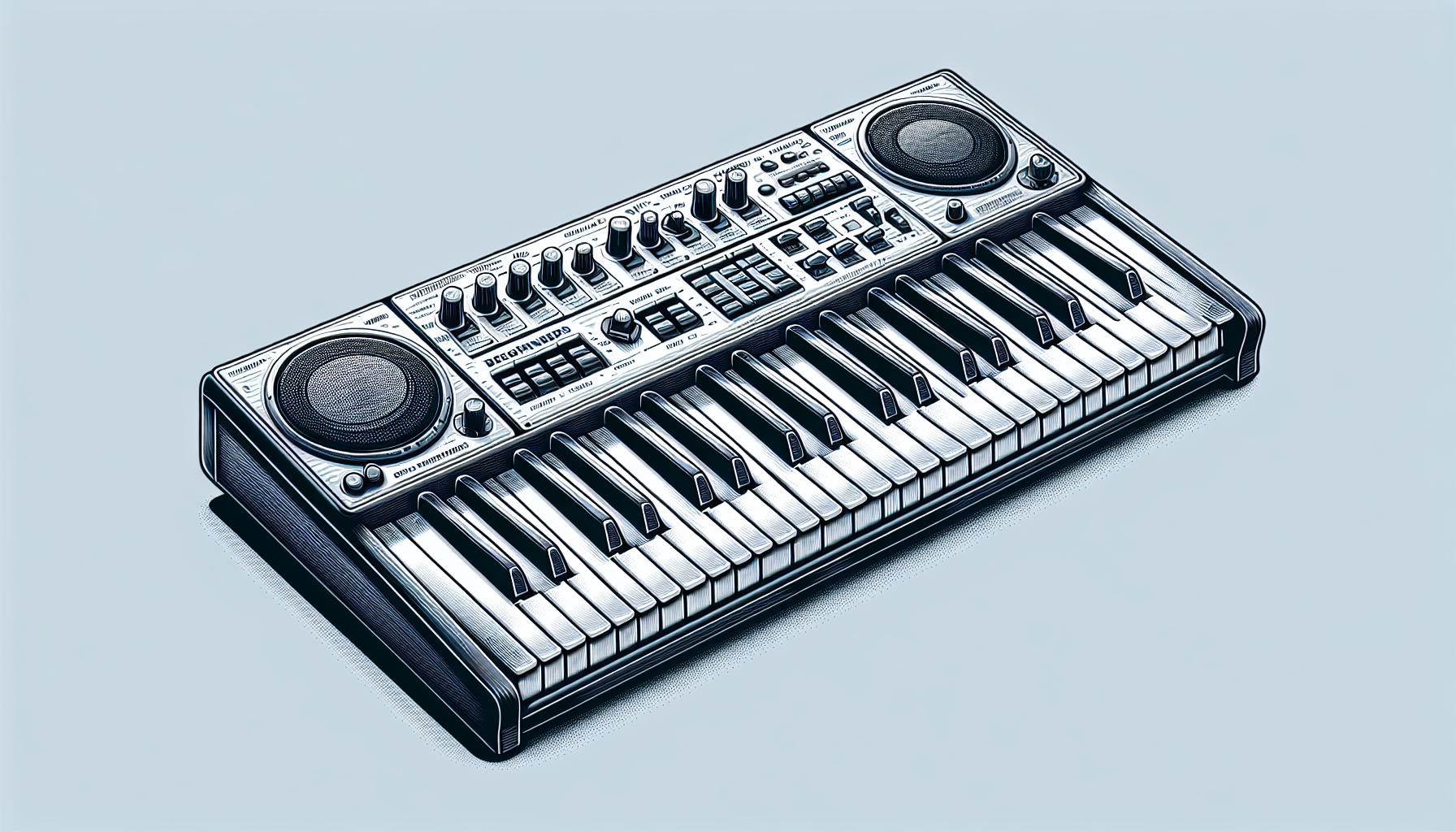
    Alesis keyboard selection ranges widely, from entry-level models perfect for beginners to more advanced keyboards suitable for seasoned musicians. What sets Alesis apart is their commitment to providing quality instruments that are accessible and affordable, without compromising on features that are essential for both learning and performing. This dedication ensures that anyone, regardless of their skill level or budget, can find an Alesis keyboard that fits their needs.

    One of the primary attractions of Alesis keyboards is their user-friendly design. The intuitive layout and clear labeling make it easy for beginners to navigate the instrument, significantly reducing the learning curve typically associated with starting a new instrument. Additionally, many Alesis keyboards come equipped with built-in learning modes, which can guide users through the basics of playing, making the learning process not just easier but more enjoyable too.

    In terms of features, Alesis keyboards often include a range of voices and styles that cater to a wide variety of musical genres. This versatility means that users aren’t limited in their exploration of different sounds and styles, encouraging experimentation and creative expression. For students, this can be particularly beneficial, providing them with the opportunity to explore different aspects of music and discover their own unique style.

    Sound quality is another area where Alesis keyboards excel. Even their most affordable models boast impressive sound production, closely mimicking the tone and feel of more expensive instruments. This high-quality sound ensures that students can develop their ear for music and refine their playing technique, laying a solid foundation for future musical pursuits.

    Portability is also worth mentioning. Many Alesis keyboards are lightweight and compact, making them ideal for musicians on the go or those with limited space. This portability combined with their sturdy construction means they’re not just easy to move around; they’re also durable enough to withstand the rigors of travel or frequent use.

    Below is a breakdown of some popular Alesis keyboard models, showcasing their affordability and suitability for learners:

    Model Key Features Ideal For
    Alesis Recital 88 semi-weighted keys, Built-in speakers Beginners
    Alesis Melody 61 light-weighted keys, Microphone, Headphones Children, Casual Learners
    Alesis Virtue 88 full-sized weighted keys, LCD Screen display Intermediate Students

    Importance of Price in Choosing a Keyboard

    When embarking on the journey of learning to play the keyboard, finding the right instrument that doesn’t break the bank is crucial. Price plays a significant role in the decision-making process, especially for beginners and those testing the waters of musical expression. It’s not just about finding the cheapest option; it’s about discovering the best value. Affordable keyboards make music accessible to a wider audience, allowing budding musicians to start learning without a hefty investment.

    Alesis keyboards, known for their quality and affordability, offer an exemplary balance between cost and features. They are designed to meet the needs of learners at various stages, ensuring that price doesn’t become a barrier to entry. For many, the price of a keyboard can dictate the quality of their initial learning experience. A lower cost might mean limited features, but Alesis manages to pack a range of functionalities into their budget-friendly models.

    Feature High-Priced Keyboards Budget-Friendly Alesis Keyboards
    Number of Keys 88 61-88
    Touch Sensitivity Yes Yes, in selected models
    Voices and Styles 500+ 300+
    Learning Tools Advanced Beginner to Intermediate

    Choosing a beginner-friendly keyboard involves considering the learning tools available. Alesis keyboards offer built-in learning modes and light-up keys in some models, which are essential for beginners. These features, combined with their affordability, make Alesis a go-to brand for learners.

    Investing in a moderately priced keyboard can be a wise decision for those unsure about their musical commitment. It allows them to explore their interest without the financial strain associated with high-end models. For parents seeking instruments for their children, finding a balance between quality and price is paramount. Alesis caters to this need by offering models that are both cost-effective and equipped with features that encourage and support learning.

    Moreover, the resale value of budget-friendly keyboards can be surprisingly favorable. A well-chosen Alesis model can retain much of its value, providing an option to upgrade in the future without significant loss. This aspect makes investing in a budget-friendly keyboard less daunting, knowing that it holds value beyond its initial use.

    Features to Look for in a Beginner Keyboard

    When venturing into the world of music through the keys of a keyboard, certain features elevate the learning experience from good to great. For beginners, these features can make a significant difference in how quickly and enjoyably they progress. Here’s a look at some key aspects to consider.

    Key Count and Size are crucial for learners. Most standard keyboards come with 88 keys, the same number as a traditional piano. However, for a beginner, especially young learners, a keyboard with 61 or 76 keys may be more manageable and still cover a wide range of notes for basic learning and practice. Full-size keys are also important, as they mimic the feel of an acoustic piano, making the transition smoother for learners who might move on to a traditional piano later.

    Touch Sensitivity plays a vital role in developing dynamics in playing. Keyboards with touch sensitivity respond to the force with which the keys are pressed, producing louder or softer sounds accordingly. This feature allows beginners to explore and express emotions through music, adding depth to their playing.

    Listening to various sounds and styles can inspire beginners, making Voices and Styles an important feature. A keyboard that offers a range of instrument voices (like strings, percussions, and winds) and styles (like jazz, rock, and classical) not only makes practice sessions more fun but also educates the learner about different musical genres.

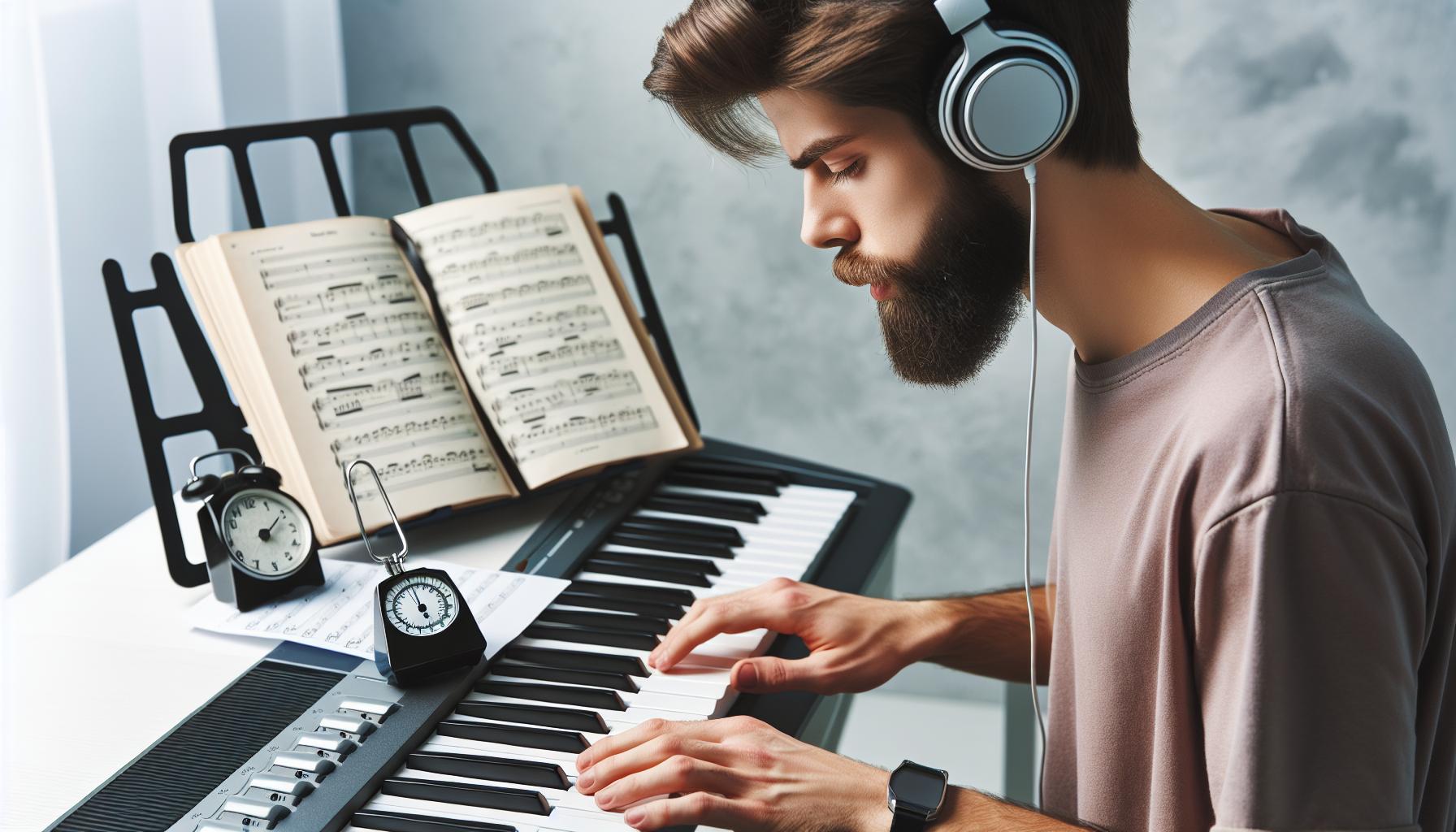
    Built-in Learning Tools can significantly boost a beginner’s progress. Features such as lesson modes, where the keyboard guides the player through songs note by note, and light-up keys, which visually cue the next note, support self-paced learning. Additionally, integrated metronomes and record functions help learners practice timing, rhythm, and review their performances to identify areas for improvement.

    Connectivity Options

    In today’s digital age, the ability to connect a keyboard to computers and mobile devices opens up a plethora of learning resources and tools. USB/MIDI connectivity allows beginners to use educational software and apps that provide interactive lessons, tutorials, and an endless array of sheet music. Additionally, an Audio Input can transform the keyboard into a speaker system, enabling learners to play along to their favorite songs, further enhancing the learning experience.

    Feature Importance for Beginners
    Key Count and Size Essential for comfort and transition to traditional pianos
    Touch Sensitivity Crucial for developing expression and dynamics

    Review of the Cheapest Alesis Keyboard for Learning

    When embarking on a musical journey, finding the right instrument without breaking the bank is crucial. Alesis, known for its quality and affordability, offers an entry-level keyboard that stands out as the go-to option for beginners. This section delves into the Alesis Recital 61, a contender for the title of the cheapest Alesis keyboard ideal for learning.

    The Alesis Recital 61 hits the sweet spot for beginners with its 61 full-size keys. This key count is a significant consideration for learners as it provides a wide enough range to play a variety of music without overwhelming them. Moreover, the keys are semi-weighted, offering a balance between the lightweight synth-action and the heavy hammer-action, thereby giving beginners a taste of what playing on an acoustic piano feels like.

    Touch sensitivity is another crucial aspect, and the Recital 61 doesn’t disappoint. Each key responds to the player’s touch, allowing for expressive performances as beginners navigate through soft and loud passages. This feature not only enhances the playing experience but also aids in the development of finger strength and control.

    Beyond the mechanics, the Alesis Recital 61 is equipped with an impressive array of voices and styles. It offers 10 built-in voices, including acoustic piano, electric piano, organ, synth, and bass, which can be layered or tailored to explore a range of sounds. Additionally, its built-in FX such as chorus and reverb add depth and dimension to the playing, encouraging creative experimentation.

    Feature Detail
    Key Count 61
    Key Type Semi-Weighted
    Touch Sensitivity Yes
    Voices and Styles 10 Built-in Voices
    Built-in FX Chorus, Reverb
    Connectivity Options USB/MIDI, Headphone Output
    Built-in Learning Tools Metronome, Lesson Mode

    Moreover, the keyboard’s connectivity options are a boon for the modern learner. With USB/MIDI connectivity, learners can easily connect the keyboard to computers and mobile devices for a range of learning software and apps. This feature, coupled with an audio input for playing along to songs, significantly enhances the learning experience, allowing beginners to dive deeper into music theory and practice.

    Comparing the Budget-Friendly Alesis Model with Other Options

    When venturing into the world of music, especially for beginners and budget-conscious learners, finding the right keyboard can feel like navigating a maze. The Alesis Recital 61 stands out not only for its affordability but also for its quality and features tailored for entry-level users. To put its value into context, it’s essential to compare it with other budget-friendly options available in the market.

    Key Features Comparison

    First, let’s break down the key features that make a keyboard ideal for learning:

    • Number of Keys: A 61-key keyboard is sufficient for beginners, striking a balance between range and portability.
    • Key Action: The feel of the keys is crucial. Semi-weighted keys offer a good middle ground, mimicking the resistance of an acoustic piano without the higher cost of fully weighted keys.
    • Built-in Voices/Sounds: Variety in sounds can keep practice interesting and inspire creativity.
    • Learning Tools: Features like lesson modes, metronomes, and compatibility with education apps enhance the learning experience.

    Considering these factors, here’s how the Alesis Recital 61 compares to other popular models in the same price range:

    Feature Alesis Recital 61 Competitor A Competitor B
    Number of Keys 61 61 76
    Key Action Semi-Weighted Synth-Action Semi-Weighted
    Built-in Voices 10 5 12
    Learning Tools Lesson mode, metronome, app integration Lesson mode, metronome Lesson mode, app integration

    Conclusion

    Choosing the right keyboard for learning doesn’t have to break the bank and the Alesis Recital 61 proves just that. With its balance of affordability, quality, and beginner-friendly features it stands out as a top choice. Whether it’s the number of keys, the feel of the action, the variety of built-in voices, or the helpful learning tools, this model offers everything a novice could need without overwhelming them. For those on the hunt for a cost-effective yet capable instrument, it’s hard to go wrong with the Alesis Recital 61. Happy playing!

  • Best Keyboards for App Learning: Top Picks for All Skill Levels

    Best Keyboards for App Learning: Top Picks for All Skill Levels

    In today’s digital age, learning to play the keyboard has never been easier, thanks to a plethora of apps that make practice fun and effective. But to get the most out of these apps, you’ll need the right keyboard. It’s not just about finding a keyboard; it’s about finding your musical companion that grows with you as you embark on your musical journey.

    Choosing the best keyboard to learn with an app involves more than just comparing prices and features. It’s about compatibility, touch response, and how well it integrates with the learning software to create a seamless, enjoyable learning experience. Whether you’re a beginner dreaming of playing your first song or someone looking to brush up on their skills, the right keyboard can make all the difference.

    Understanding App Compatibility

    When embarking on the journey of learning the keyboard through an app, it’s crucial to get to grips with app compatibility. This isn’t just about ensuring the app runs smoothly on your device, but also about how well it integrates with the keyboard itself. For many learners, the seamless interaction between their keyboard and the chosen app is what makes the learning process enjoyable and effective.

    Key Factors in Compatibility

    • Device Compatibility: First and foremost, the learning app must be compatible with your smartphone, tablet, or computer. Most apps provide a list of supported devices and operating systems on their websites or app store pages.
    • MIDI Support: Modern keyboards often feature MIDI (Musical Instrument Digital Interface) connectivity, allowing direct communication with learning apps. This is essential for features like real-time feedback on your playing.
    • Bluetooth Connectivity: Some apps and keyboards connect via Bluetooth, offering a wire-free experience. This is particularly useful for learners who prefer a setup with minimal cables.
    • Audio Interface: For apps that do not support MIDI or Bluetooth, audio recognition through the device’s microphone can be an alternative. However, this setup might be less accurate in terms of timing and note recognition.

    Choosing the Right App

    Selecting an app that complements your keyboard can elevate your learning. Here are a few popular apps known for their broad compatibility:

    • Simply Piano by JoyTunes: Recognizes MIDI and audio input, making it versatile for most keyboards.
    • Yousician: Offers a wide range of compatibility with both MIDI and audio input, across various devices.
    • Flowkey: Known for its user-friendly interface and ability to work well with MIDI keyboards.

    By understanding the nuances of app compatibility, learners can make informed decisions about their setup. It’s not just about what the app can teach you, but also how effortlessly it integrates with your hardware. This symbiosis between your keyboard and app is what will truly accelerate your learning curve, making each practice session something to look forward to.

    Remember, the goal is to find a setup that feels intuitive. With the right combinations, the technology fades into the background, letting the joy of music take center stage. Experiment with different keyboards and apps to discover what works best for you. Sometimes, the most compatible option isn’t the most obvious one, but finding it can make all the difference in your musical journey.

    Importance of Touch Response

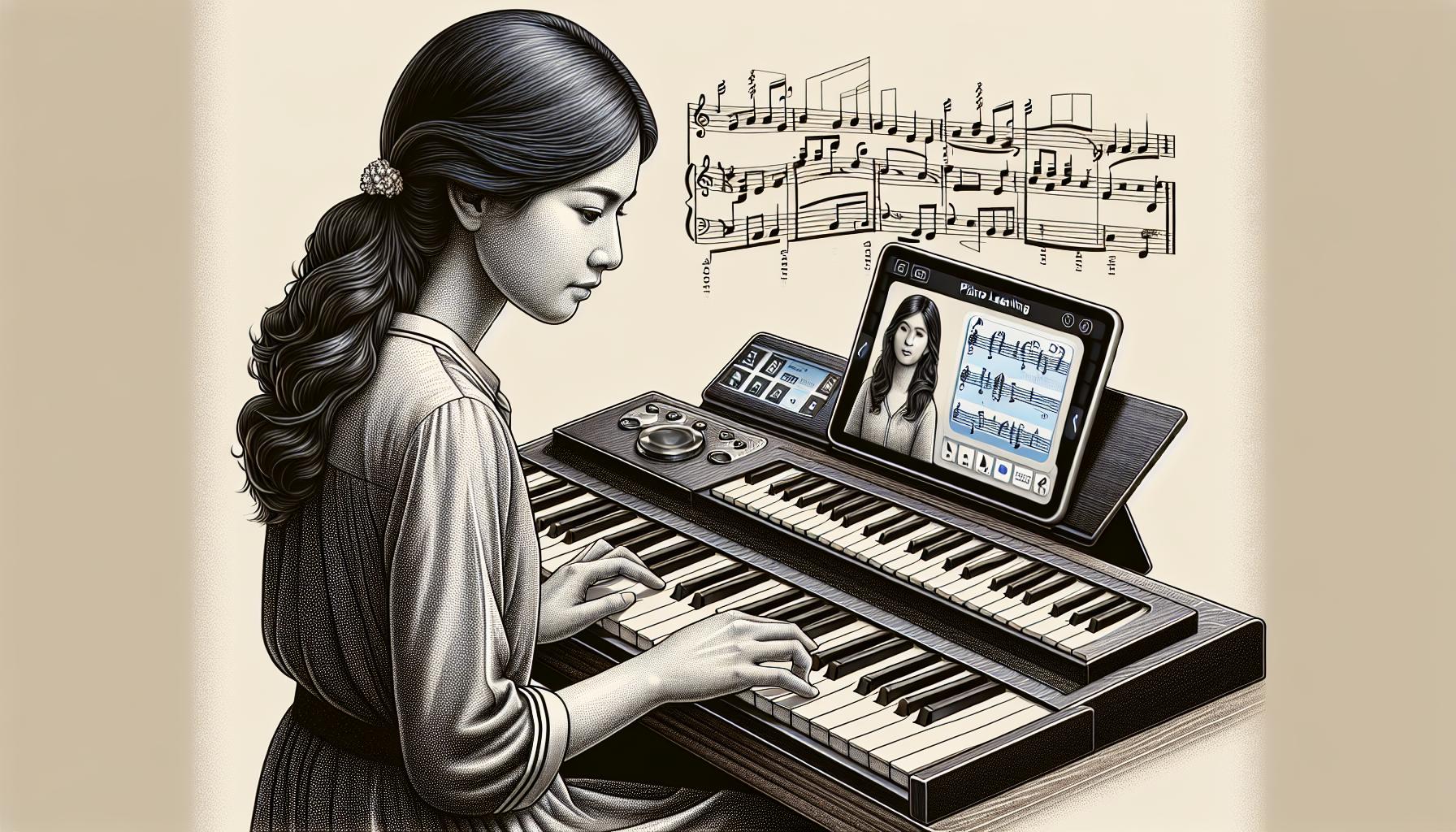
    When selecting the best keyboard to complement app-based learning, touch response stands out as a critical feature. It’s not just about pressing keys; it’s about feeling the music and how it resonates with each touch. Keyboards with good touch response can mimic the action and feel of an acoustic piano, offering learners a more authentic and enriching experience.

    Touch-sensitive keyboards respond to the force applied to the keys. This means the volume and the tone can change depending on how softly or strongly a note is played. For beginners, this is invaluable. It teaches them dynamics and expression from the start, essential skills for any aspiring musician. Without touch sensitivity, students might not develop a subtle but crucial aspect of musical expression.

    Consider the learning environment keyboards with touch response create. They allow beginners to explore their musicality, encouraging a more interactive and engaging practice session. When paired with apps that track progress or provide feedback on dynamics, learners receive a well-rounded educational experience. This synergy between keyboard and app significantly enhances the learning curve, making practice sessions not just about hitting the right notes but about bringing music to life.

    Here’s a quick look at why touch response is crucial for learning:

    • Enhances Expressiveness: Allows learners to experiment with dynamics and articulation.
    • Improves Musicality: Encourages a deeper understanding of music, beyond just the notes.
    • Interactive Learning: With compatible apps, students can get real-time feedback on their touch sensitivity, making learning interactive and fun.

    Moreover, the technology behind touch response has evolved. Many digital keyboards now offer graded hammer action or weighted keys, closely simulating the feel of an acoustic piano. This feature is particularly beneficial for those who wish to transition to or also play on acoustic pianos. It ensures that the skills developed are transferable, making the learning process more efficient and rewarding.

    While assessing keyboards for app-based learning, it’s essential to remember that not all keyboards are created equal. Some might offer touch sensitivity but lack the nuanced response needed for advanced learning. Hence, researching and testing keyboards before making a purchase decision is recommended. Popular models known for their excellent touch response include the Yamaha P-Series, Roland FP Series, and Casio Privia. These models are often praised not only for their touch response but also for their overall sound quality and durability.

    Integrated Learning Software Features

    When embarking on the journey of learning a musical instrument through an app, having a keyboard integrated with learning software features becomes a game-changer. Such integration not only enhances the learning experience but also provides learners with the tools they need to progress efficiently and effectively.

    First and foremost, integrated learning software often includes a vast library of songs, ranging from classical to contemporary hits. This varied repertoire ensures that learners of all preferences find pieces they are excited to learn. Additionally, it allows for a gradual increase in difficulty, fostering a sense of achievement as learners tackle more complex pieces over time.

    Another critical feature is the real-time feedback provided by these systems. As students play, the software analyzes their performance, highlighting areas of accuracy and pinpointing mistakes. This immediate response helps learners correct their errors on the spot, significantly speeding up the learning process. Whether it’s a wrong note or a missed rhythm, feedback is key to mastering the instrument.

    To facilitate learning, many apps also offer interactive lessons and tutorials. These can range from video demonstrations to step-by-step guides on reading music, positioning hands, and executing techniques. Such resources are invaluable for beginners who are not yet ready to invest in private lessons. They also serve as excellent supplementary material for those already taking lessons.

    Let’s not overlook the importance of gamification elements within these platforms. By turning practice into a series of games and challenges, learners are more likely to engage consistently and for longer periods. Achievements, leaderboards, and progress tracking add a layer of motivation that traditional practice methods may lack.

    Last but not least, compatibility and connectivity with various devices ensure a seamless learning experience. Whether it’s connecting to a smartphone, tablet, or computer, easy integration allows learners to take lessons wherever they go. This flexibility is essential in today’s fast-paced world, where finding time for practice can be challenging.

    Popular Learning Platforms

    Many keyboards now come with free or discounted access to popular learning software. Below are some platforms that are frequently bundled with keyboards, known for their comprehensive features and user-friendly interfaces:

    • Simply Piano
    • Yousician
    • Flowkey
    • Skoove

    Each platform has its unique selling points, whether it’s the breadth of song libraries, the detail of feedback, or the extent of tutorials offered. It’s worth exploring these options to see which aligns best with individual learning styles and goals.

    Choosing the Right Keyboard for Your Skill Level

    When embarking on the journey of learning to play the keyboard with an app, one of the pivotal decisions revolves around selecting an instrument that resonates with the learner’s current skill level and future aspirations. This decision can significantly influence the ease with which a learner progresses, as well as their overall engagement and enjoyment of the process.

    For Beginners

    Beginners should look for keyboards that are user-friendly and equipped with features catered to facilitate a smooth learning curve. Typically, a 61-key keyboard is considered sufficient to start with, as it offers enough range for learners to explore various musical genres without feeling overwhelmed. Key features they might consider include:

    • Touch-sensitive keys: to emulate the feel of an acoustic piano, enhancing dynamic control and expressiveness.
    • Built-in learning aids: like light-up keys and step-by-step lessons that guide learners through the basics.
    • Connectivity: ensuring the keyboard can easily interface with various apps and software for an integrated learning experience.

    For Intermediate Learners

    For those who’ve surpassed the beginner’s hurdle, finding a keyboard that challenges their growing skillset without stifacing creativity is crucial. An ideal choice might be a 76-key keyboard, bridging the gap between beginner and full-scale models. Important features for intermediate players include:

    • Weighted or semi-weighted keys: for a more realistic feel, encouraging proper finger technique and strength.
    • A wider range of voices and rhythms: to experiment with different sounds and styles, fostering musical exploration and versatility.
    • Recording and playback capabilities: allowing learners to listen back to their performances, which is invaluable for self-assessment and improvement.

    For Advanced Players

    Advanced players typically seek out keyboards that offer the full 88-keys, mimicking a traditional piano layout, and providing the capability to play a more extensive repertoire of music. For learners at this level, the focus shifts towards:

    • Fully weighted hammer action keys: delivering a true piano touch, necessary for advanced expression and dynamics.
    • High-quality sound samples: that offer a rich and authentic listening experience, essential for nuanced performances.
    • Connectivity for advanced software: giving users the ability to explore complex compositions, record multi-track pieces, and refine their mastery with access to a broader range of learning and composition tools.

    Conclusion

    Choosing the right keyboard for app-based learning isn’t just about the price or the brand. It’s about matching the instrument to the learner’s current skill level and where they hope to go on their musical journey. Whether it’s a beginner needing a 61-key keyboard to start off, an intermediate player stepping up with a 76-key, or an advanced musician requiring the full range of an 88-key, there’s a perfect fit out there. Remember, the right keyboard can make learning not just more effective but also a lot more enjoyable. So take the time to choose wisely and let the music begin!

  • Top Beginner Keyboards with Sustain Pedal: Usage Tips Included

    Top Beginner Keyboards with Sustain Pedal: Usage Tips Included

    Stepping into the world of music can be as thrilling as it is daunting, especially for beginners. Finding the right instrument to start this journey is crucial, and for many, a keyboard offers the perfect blend of versatility and simplicity. But what really sets the stage for an enriching musical experience? A beginner keyboard with a sustain pedal included, that’s what.

    Imagine being able to add depth and emotion to your playing from the get-go. That’s the magic a sustain pedal brings to the table. It’s not just an accessory; it’s a gateway to expressing yourself more fully through music. And when it’s included with your keyboard, you’re all set to explore the vast landscapes of melodies and harmonies without any extra hassle.

    Benefits of Having a Sustain Pedal for Beginners

    When embarking on the journey of learning a keyboard, beginners might not initially grasp the full spectrum of musical expression available at their fingertips. Integrating a sustain pedal into the learning process from the get-go can significantly enhance the depth and emotion of their playing. This section delves into the various benefits beginners can enjoy when their keyboard setup includes a sustain pedal.

    First off, the sustain pedal offers a smoother transition between notes, which is crucial for beginners who are still mastering the art of playing fluidly. Without a sustain pedal, notes might sound choppy or disconnected, especially when a player is moving between chords or trying to play legato passages. This pedal allows for a more legible and coherent sound, much like linking sentences in a story for it to flow better.

    Moreover, the use of a sustain pedal fosters a deeper understanding of musical texture and dynamics. Young musicians learn to appreciate how holding a note longer can affect the emotional weight of a piece. They’ll discover that the sustain pedal is not just about extending the sound but also about adding layers and richness to their music. This added dimension encourages beginners to experiment with their touch and pedal use, fostering a more nuanced approach to playing.

    Using the sustain pedal also introduces beginners to the concept of pedal etiquette—knowing when and how much to use the pedal. This aspect of keyboard playing is essential for anyone wishing to advance in their musical education. It’s a skill that requires practice and develops over time, starting with simple exercises and eventually evolving into more sophisticated pedal techniques.

    Furthermore, a sustain pedal can greatly aid in building hand coordination. Initially, beginners might find it challenging to coordinate their hands and feet simultaneously. However, with consistent practice, this difficulty becomes an opportunity to enhance overall musical coordination and multitasking skills—a fundamental aspect of becoming a proficient keyboard player.

    Lastly, the joy and satisfaction that come from producing beautiful, resonant sounds with the help of a sustain pedal cannot be underestimated. It’s incredibly motivating for beginners to hear the immediate impact of the sustain pedal on their music. This motivation is crucial in the early stages of learning an instrument, keeping students engaged and eager to explore further.

    Features to Look for in a Beginner Keyboard with Sustain Pedal

    When embarking on the musical journey of learning the keyboard, selecting the right instrument is crucial. For beginners, a keyboard that comes with a sustain pedal is invaluable, as it allows for more expressive playing from the start. However, not all keyboards are created equal, and certain features can greatly enhance the learning experience. Here are key features to consider when choosing a beginner keyboard with a sustain pedal.

    Quality of the Sustain Pedal

    The sustain pedal is more than just an accessory; it’s an essential tool for producing rich and nuanced sounds. Beginners should look for keyboards that come with a durable and responsive sustain pedal. A pedal that closely mimics the feel of an acoustic piano pedal offers the most authentic experience, allowing for subtle control over the sustain of notes.

    Number of Keys

    For beginners, a keyboard with 61 to 76 keys is often more than sufficient. It provides enough range to play a wide variety of music without overwhelming the learner with too many options. However, if space and budget allow, an 88-key keyboard offers a full piano range, making it a choice that beginners can grow into.

    Touch Sensitivity

    One of the most important features to look for is touch sensitivity. This feature allows the keyboard to respond to the force with which keys are pressed, producing louder sounds for harder presses and softer sounds for lighter touches. Touch sensitivity is crucial for developing expressive playing and dynamics, key components of musicality.

    Sound Quality

    The overall sound quality of the keyboard should not be overlooked. Beginners need a keyboard that produces clear, vibrant sounds to keep them motivated and engaged in their practice. Look for keyboards that offer a range of sounds and tones, including different piano tones, as this variety can enhance practice sessions and encourage exploration.

    Built-In Learning Tools

    Many beginner keyboards come equipped with built-in learning tools, such as lesson modes, light-up keys, and pre-recorded songs. These features can provide valuable support for self-teaching beginners, helping them to develop their skills at their own pace. Additionally, keyboards with headphone jacks allow for quiet practice, which is especially beneficial for households where noise might be a concern.

    Top Recommendations for Beginner Keyboards with Included Sustain Pedal

    When stepping into the world of music, it’s crucial to get hands-on an instrument that not only fits the budget but also supports the learning curve of beginners. Among the plethora of options available, some keyboards stand out for their quality, features, and the crucial inclusion of a sustain pedal. Here’s a look at some of the top recommendations for beginner keyboards that come with a sustain pedal included, making them a valuable package for those starting their musical journey.

    Yamaha PSR-EW310—This model is a fantastic choice for beginners, offering a 76-key layout that provides more room for musical exploration compared to the standard 61-keys found in many beginner models. The included sustain pedal enhances expressive playing, and the keyboard boasts touch-sensitive keys alongside a suite of educational features. Yamaha’s renowned sound quality is a given, making it a solid investment for learners.

    Casio CTK-2500—Another great option is the Casio CTK-2500, which includes a 61-key keyboard perfect for beginners not yet ready to navigate a full 88-key piano. The package includes a ready-to-use sustain pedal, enriching the playing experience by allowing sustained notes and chords. The keyboard also features built-in lessons, making it easier for beginners to learn at their own pace.

    Alesis Recital—A standout choice for its full 88-key digital piano experience at an entry-level price point. The Alesis Recital comes with semi-weighted keys, an important feature for those looking to transition to an acoustic piano eventually. The included sustain pedal, combined with its 128-note polyphony, ensures a smooth playing experience without note drops, even during complex passages.

    Model Number of Keys Features Suitable For
    Yamaha PSR-EW310 76 Touch-sensitive keys, educational tools Beginners wanting room to grow
    Casio CTK-2500 61 Built-in lessons, lightweight Beginners and younger players
    Alesis Recital 88 Semi-weighted keys, 128-note polyphony Beginners seeking an authentic piano experience

    Tips for Using a Sustain Pedal Effectively

    When beginning their musical journey, many learners find using the sustain pedal a bit daunting. However, with the right approach, they can master this essential skill to enhance their keyboard playing. The sustain pedal, when used effectively, can breathe life into music, making it sound fuller and more expressive. Here’s how beginners can start integrating the sustain pedal into their practice sessions seamlessly.

    Start With Simple Pieces: Initially, they should choose simple songs or pieces to practice with. This allows them to focus on the timing and coordination needed between pressing the keys and the sustain pedal without being overwhelmed by complex musical notes.

    Pay Attention to Pedal Timing: Timing is crucial when using the sustain pedal. They should press the pedal right after they play a note for a seamless sound transition. Releasing the pedal should also be timed correctly – right before they play the next note or chord to avoid unwanted blending of sounds.

    Practice Pedaling Techniques

    There are various pedaling techniques that they can explore as they become more comfortable with the sustain pedal:

    • Legato Pedaling: This involves smoothly transitioning between notes or chords by overlapping the pedal press slightly with the next note. It’s ideal for creating a connected, flowing sound.
    • Selective Sustaining: Not every piece requires constant pedaling. They should learn to be selective, using the pedal only when it enhances the music without muddying the sound.

    Incorporate Pedal into Daily Practice

    Integrating the sustain pedal into daily practice routines is key to mastering its use. They can start with scales and arpeggios, practicing the press and release of the pedal with each change in harmony. Progressively, they can incorporate pedaling into more complex pieces, experimenting with different techniques to discover what works best for the music they’re playing.

    Listen and Adjust

    Listening is a crucial component of effective pedaling. They should listen attentively to the sound they produce when using the pedal. If notes sound too blurred or disjointed, they need to adjust their pedaling technique, either by changing the timing of their pedal presses or by using the pedal more selectively.

    Seek Feedback

    For beginners, receiving feedback from a teacher or more experienced musicians can be invaluable. A second pair of ears can help identify issues in pedal use that they might not notice themselves. Feedback not only helps in refining their pedaling technique but also boosts their overall musicality.

    Conclusion

    Choosing the right beginner keyboard with a sustain pedal is just the start of an exciting musical journey. By starting with simple pieces and focusing on the nuances of pedal timing, beginners can gradually master the art of pedaling. It’s crucial to incorporate the sustain pedal into daily practice, paying close attention to the sound and making adjustments as needed. Remember, the goal is to enhance your musical expression, so listen closely, adjust your technique, and don’t hesitate to seek feedback. With patience and practice, using a sustain pedal will become second nature, adding depth and emotion to your piano playing.

  • Top Beginner Keyboards with Headphone Jacks: Yamaha, Casio, Alesis & More

    Top Beginner Keyboards with Headphone Jacks: Yamaha, Casio, Alesis & More

    In the world of music-making, finding the right tools can make all the difference, especially for beginners. One such essential tool is a keyboard, but not just any keyboard. For those starting out, a keyboard with a headphone jack offers the perfect blend of privacy and practice. It allows budding musicians to immerse themselves in their learning without worrying about disturbing others.

    Choosing the best keyboard with a headphone jack can be a bit daunting with so many options out there. It’s not just about the keys and sounds; it’s about finding a keyboard that feels right, supports your learning journey, and fits your budget. Whether it’s for a child taking their first musical steps or an adult rediscovering their love for music, the right keyboard can open up a world of possibilities.

    Understanding the Importance of a Keyboard with Headphone Jack

    When embarking on the exciting journey of learning to play the keyboard, beginners may not initially consider the significance of auxiliary features such as a headphone jack. Yet, this simple feature can profoundly impact both the learning experience and the overall enjoyment of playing the instrument. A keyboard with a headphone jack offers a level of privacy and flexibility that is invaluable for learners at any stage.

    For one, it allows musicians to practice in shared spaces without disturbing others. Whether living in a crowded household or a thin-walled apartment, the ability to plug in headphones means practice sessions can continue late into the night or early in the morning, without any concerns about noise. This aspect of practicing with headphones encourages more frequent and potentially longer practice sessions, as learners won’t feel pressured to stop due to external noise complaints.

    Moreover, using headphones with a keyboard opens up a more intimate connection between the musician and their instrument. When headphones are used, every nuance of the sound becomes clearer. Beginners can better hear their mistakes and triumphs, which is essential for improvement. This clarity also extends to the use of built-in features many modern keyboards offer, such as metronomes, playback options, and different sound effects, allowing learners to explore and experiment freely.

    The privacy afforded by headphones can also boost confidence. Beginners often feel self-conscious when starting out, worried about others judging their skills. A headphone jack eliminates this concern, providing a safe space where they can practice freely without fear of judgment. This psychological safety net can accelerate learning, as students are more likely to take risks, try new pieces, and push themselves beyond their comfort zones when they feel secure.

    Choosing a keyboard with a headphone jack isn’t just about the connectivity; it’s about embracing a feature that supports the learning journey in multifaceted ways. It ensures that practice time is productive, exploratory, and tailored to the individual’s pace and preferences. Beyond mere convenience, it’s about creating an environment where learners can flourish, making it an essential consideration for beginners selecting their first or next instrument.

    Factors to Consider When Choosing the Best Keyboard for Beginners

    When embarking on the musical journey of learning to play the keyboard, beginners have a vast array of options to choose from. However, not all keyboards are created equal, especially for those just starting out. Selecting the right keyboard is crucial for a fulfilling learning experience. Here are several key factors that beginners should consider to ensure they make the best choice for their musical aspirations.

    Key Size and Type

    Beginners should look for keyboards with full-size keys to get used to the standard piano key size, making the transition to an acoustic piano smoother in the future if desired. Weighted or semi-weighted keys can also offer a more authentic piano feel, mimicking the resistance experienced when pressing down on piano keys. This feature is beneficial for developing proper finger technique and dynamics.

    Number of Keys

    Keyboards come in various sizes, typically ranging from 49 to 88 keys. Beginners might find a 61-key keyboard sufficient for starting out, as it provides enough range to play a wide variety of music without overwhelming the learner with too many keys. However, for those serious about their musical education, investing in an 88-key keyboard right from the start could be advantageous, as it covers the full range of a traditional piano.

    Sound Quality

    The quality of the sound produced by the keyboard is a vital consideration. A keyboard that closely replicates the sound of an acoustic piano will not only be more enjoyable to play but also more educational, as it gives the beginner a clear understanding of how their playing affects tone and expression. High-quality sound samples and built-in speakers are key factors in achieving a realistic sound experience.

    Connectivity

    In today’s digital age, connectivity options such as USB and MIDI (Musical Instrument Digital Interface) ports can greatly enhance a keyboard’s versatility. For beginners, a headphone jack is essential for private practice. Not only does it allow for undisturbed practice sessions, but it also connects the player more intimately with the music. Additional connectivity options for external speakers, smartphones, and computers can also offer opportunities for interactive learning experiences through music apps and software.

    Top Picks of Keyboards with Headphone Jack for Beginners

    When diving into the world of music through the keys of a keyboard, getting one that complements your learning phase is crucial. Especially for beginners, certain models stand out due to their features, user-friendly design, and, importantly, the presence of a headphone jack for those quiet practice sessions. Here’s a look at a few keyboards that hit the right note for beginners.

    Yamaha PSR-E363

    The Yamaha PSR-E363 is a favorite among beginners for many reasons. It’s not just its 61 touch-sensitive keys that offer a realistic feel, but also the impressive sound quality that makes practicing on this instrument a joy. With a built-in headphone jack, learners can immerse themselves in their music without disturbances. This model also boasts various learning features and a duo mode which splits the keyboard into two halves, allowing a teacher and student to play side by side.

    • Key Features:
    • 61 touch-sensitive keys
    • Built-in lessons and duo mode
    • USB to HOST connectivity

    Casio CTK-2550

    For those looking for an affordable yet feature-rich option, the Casio CTK-2550 stands out. It offers 61 keys, making it another excellent choice for beginners. The keyboard comes equipped with Casio’s Step-up Lesson System, perfect for those starting their musical journey. With 400 sounds and 100 rhythms, learners have a vast library to explore and play along with. The headphone jack ensures that practice times are flexible, catering to private or late-night sessions without interrupting others.

    • Key Features:
    • 61 keys
    • Step-up Lesson System
    • 400 sounds and 100 rhythms

    Alesis Recital 88-Key Digital Piano

    For beginners ready to take their learning experience a step further, the Alesis Recital offers a full 88-key range, fostering the transition from beginner to intermediate levels. Its semi-weighted keys provide a tactile feel closer to that of an acoustic piano. The keyboard features adjustable touch response to match the player’s style, making it highly versatile. Five built-in voices, including acoustic piano and strings, give learners a variety of sounds to explore. The headphone jack is, of course, a given, ensuring private practice can continue uninterrupted.

    • Key Features:
    • 88 semi-weighted keys
    • Adjustable touch response
    • **

    Tips for Maximizing Your Practice Sessions with a Keyboard

    Embarking on the journey of learning to play the keyboard can be an exciting yet challenging adventure. For beginners, owning a keyboard with a headphone jack isn’t just about the convenience of practicing without disturbing others; it’s also a gateway to enhancing the quality of practice sessions. Here are some invaluable tips to help beginners make the most out of their practice times.

    Create a Consistent Practice Schedule

    The first step to maximizing learning is establishing a regular practice routine. Consistency is key when it comes to mastering any new skill, including playing the keyboard. By setting aside a specific time each day dedicated to practice, learners can develop discipline and gradually improve their skills. It’s not about the length of practice but the quality and consistency that counts.

    Use the Right Accessories

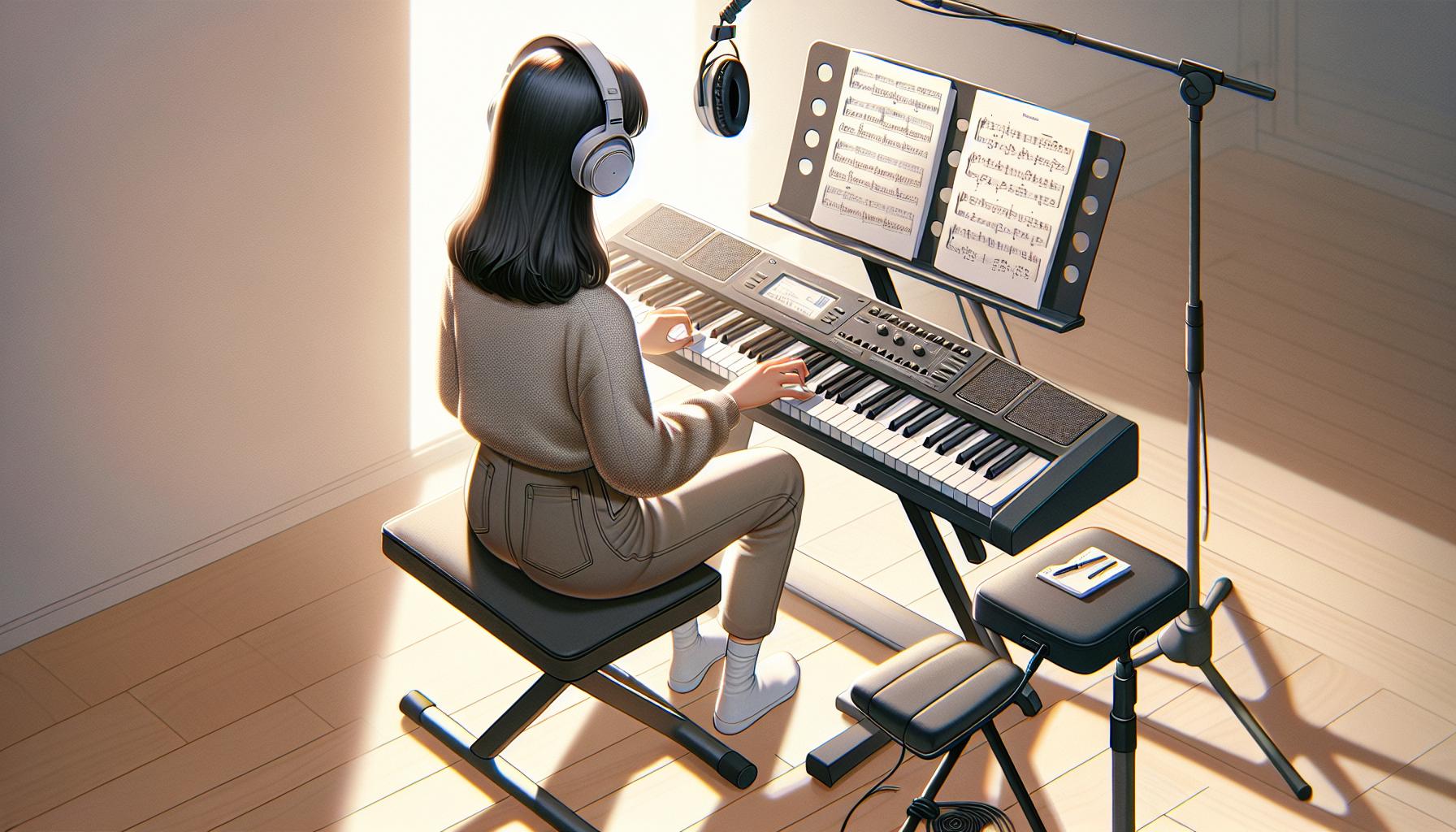
    To fully leverage a keyboard with a headphone jack, beginners should invest in a pair of high-quality headphones. These not only provide clearer and more detailed sound but also help in reducing distractions from the surrounding environment. Additionally, using a comfortable and adjustable bench will ensure proper posture throughout practice sessions, preventing any unnecessary strain or injury.

    Leverage Built-in Features

    Keyboards like the Yamaha PSR-E363, Casio CTK-2550, and Alesis Recital come equipped with a plethora of built-in features designed to enhance the learning experience. Beginners should take advantage of these tools:

    • Touch-sensitive keys help in developing a feel for dynamics.
    • Built-in lessons and exercises offer guided learning.
    • A variety of sounds and rhythms can keep practice sessions engaging and fun.

    Exploring and utilizing these features can significantly contribute to a more effective and enjoyable learning process.

    Set Clear Objectives

    Before each practice session, it’s important to have a clear goal. Whether it’s mastering a specific scale, learning a new piece, or improving timing, having a specific objective helps in maintaining focus and measuring progress. Beginners should start with small, achievable goals and gradually tackle more complex tasks as they advance.

    Record and Review

    Recording practice sessions is a powerful tool for self-assessment and improvement. By listening to their playbacks, beginners can identify areas that need work, such as timing, note accuracy, or expression. This immediate feedback loop accelerates the learning process, allowing learners to correct mistakes and refine their skills more efficiently.

    Conclusion

    Choosing the right keyboard with a headphone jack is a great first step for any beginner eager to embark on their musical journey. The Yamaha PSR-E363, Casio CTK-2550, and Alesis Recital stand out as top picks that offer both quality and value. But remember, it’s not just about the instrument. Implementing the tips shared, like maintaining a consistent practice schedule and leveraging the keyboard’s built-in features, will significantly enhance practice sessions. By setting clear goals and using recordings for self-assessment, beginners can progress more effectively. So grab those headphones, find a comfortable bench, and let the journey begin. Happy playing!

  • Top Easiest Keyboards to Learn Songs On: A Buyer’s Guide

    Top Easiest Keyboards to Learn Songs On: A Buyer’s Guide

    Starting your musical journey can be both exciting and a bit daunting. But what if there was a way to make it easier and more fun from the get-go? Enter the world of keyboards, the gateway to unleashing your inner musician without getting bogged down by complexity.

    Choosing the right keyboard is key. It’s not just about the number of keys or fancy features; it’s about finding an instrument that’s user-friendly and packed with resources to help beginners learn songs quickly. Whether you’re into pop hits, classical tunes, or creating your own compositions, there’s a perfect keyboard out there for you.

    Features to Look for in a Beginner-Friendly Keyboard

    When embarking on a musical journey, it’s crucial to find an instrument that not only fits one’s budget but also encourages learning and creativity. A beginner-friendly keyboard should serve as a gentle introduction to the world of music, providing features that simplify the learning process. Here are some key features to look for:

    Built-In Learning Tools

    Many keyboards today come equipped with learning modes and integrated lesson programs. These features offer step-by-step tutorials on playing songs, often with light-up keys to guide finger placement. This interactive approach helps beginners understand timing and melody in an engaging manner.

    Wide Range of Voices and Rhythms

    Variety is the spice of life, and the same goes for music. Keyboards that offer a broad selection of instrument voices and rhythms enable beginners to experiment with different sounds. This not only makes practice sessions more enjoyable but also broadens one’s musical understanding and appreciation.

    Touch-Sensitive Keys

    Touch sensitivity is a feature that makes the volume and tone of a note change based on how hard the keys are pressed, mimicking the dynamic range of an acoustic piano. For beginners, starting on a keyboard with touch-sensitive keys can be beneficial for developing proper finger technique and dynamics early on.

    Recording and Connectivity Options

    The ability to record one’s playing is invaluable for progress tracking and noticing areas that need improvement. Moreover, connectivity options such as USB or MIDI allow beginners to connect their keyboards to computers or tablets. This opens up a world of digital learning resources, apps, and software, further enriching the learning experience.

    Feature Benefit
    Built-In Learning Tools Simplifies the learning process with interactive tutorials
    Wide Range of Voices Encourages musical exploration and creativity
    Touch-Sensitive Keys Helps develop proper technique and dynamics
    Recording and Connectivity Enables progress tracking and access to digital resources

    Investing in a keyboard with these features not only makes the learning process more manageable but also more fun. With technology at their fingertips, beginners are less likely to get frustrated and more likely to stick with their musical education. The road to becoming proficient at the keyboard is filled with challenges, but the right instrument can make all the difference.

    Key Considerations for Learning Songs Easily

    When embarking on the journey to master songs on the keyboard, learners ought to focus on several pivotal factors that can significantly ease the process. First off, they should zero in on keyboard action. Keyboards with weighted or semi-weighted keys mimic the feel of an acoustic piano, providing a more realistic playing experience. This feature is crucial for building proper finger strength and technique, essential components for seamlessly learning and performing songs.

    Moreover, the size of the keyboard plays a vital role. A full-size keyboard with 88 keys is ideal, as most music pieces are composed with this range in mind. However, beginners might find a 61-key or 76-key keyboard more manageable. It’s a trade-off between range and affordability, but starting with fewer keys doesn’t hamper the learning of most songs.

    Another important consideration is the quality of sound. High-quality sound samples and a good set of built-in speakers make the learning experience more enjoyable and rewarding. They help the learner to discern nuances in music, fostering a deeper understanding and appreciation of the pieces they’re learning. Brands often provide detailed information on their sound engines and samples, so potential buyers should pay close attention to this aspect.

    Learning tools embedded within the keyboard can greatly accelerate the learning curve. Features like onboard lessons, play-along tracks, and light-up keys guide beginners through songs step by step. Furthermore, connectivity options such as USB and MIDI allow for the integration of external educational resources, expanding the repertoire of songs at the learner’s disposal. These tools offer valuable feedback, enabling learners to self-assess and adjust their practice efficiently.

    Here are some key features and their importance:

    Feature Importance
    Weighted Keys Builds finger strength and technique
    Full-Size Keyboard Offers a complete range of notes
    High-Quality Sound Enhances musical ear and appreciation
    Learning Tools Simplifies practice and accelerates learning

    Lastly, but equally important, is the selection of songs. Beginners should start with simple melodies that they enjoy and are familiar with. This keeps motivation high and makes practice sessions something to look forward to. As their skills advance, they can gradually take on more complex pieces, expanding their musical capabilities. The right keyboard should inspire and facilitate this progression, equipped with a variety of sounds and rhythms to explore different musical genres.

    Top Keyboards Recommended for Beginners

    When starting on the journey to learn keyboard, choosing the right instrument can make a world of difference. There are several keyboards on the market tailored specifically for beginners, offering features that enhance learning and make practice sessions more effective and enjoyable.

    Yamaha’s PSR-EW300 comes highly recommended for its 76 key setup, offering a wide range of musical expressivity while not overwhelming the beginner with the full 88-key range of a traditional piano. It’s semi-weighted keys strike a balance between ease of use and an authentic piano feel, aiding in the development of proper finger technique from the outset. Additionally, the PSR-EW300 boasts a comprehensive library of over 500 voices, including pianos, strings, and brass, ensuring students can explore a variety of sounds as their skills grow.

    Casio’s CTK-2550 is another stellar option for beginners, highlighting its portability and affordability. It comes equipped with a 61-key layout, which is more than adequate for learning basic songs and chords. What sets the CTK-2550 apart is its Step-Up Learning System, designed to gradually guide users through lessons at their own pace. The system breaks down complex pieces into manageable, bite-sized components, making learning less daunting for novices. Moreover, the keyboard offers connectivity to the Chordana Play app, enabling learners to access tutorials and track progress directly from their smartphones.

    For those looking for something that closely mimics the acoustic piano, the Alesis Recital is a fantastic choice. It boasts 88 full-sized semi-weighted keys, adjustable touch response to suit personal preferences, and five realistic voices (acoustic piano, electric piano, organ, synth, and bass) for varied practice sessions. The keyboard also offers an educational mode that divides the keyboard into two zones with the same pitch and voice, perfect for side-by-side lessons with a teacher.

    Connectivity is another factor where the Alesis Recital shines. It features USB-MIDI and 1/4” Audio Outputs for easy connection to a computer or external sound system. This makes it a versatile option for those who may want to explore music production or perform live as their skills advance.

    Learning Resources and Tools to Aid Song Learning

    When embarking on learning songs on a keyboard, having the right resources and tools is just as important as choosing the right instrument. In today’s digital age, learners have an array of options at their disposal to make the journey both enjoyable and effective.

    Integrated Learning Systems

    Many modern keyboards come equipped with integrated learning systems designed to guide beginners through songs and techniques at their own pace. For instance, the Casio’s Step-Up Learning System breaks down songs into smaller, manageable parts, allowing learners to focus on one section at a time. Similarly, Yamaha’s Education Suite offers interactive lessons that rate your play, providing valuable feedback to improve.

    Mobile Apps and Online Platforms

    The rise of mobile apps and online platforms has revolutionized the way we learn music. Apps like Simply Piano and Yousician offer interactive lessons that listen to you play and give real-time feedback. These platforms cover everything from reading music to mastering full songs, catering to different genres and skill levels.

    Platform Features
    Simply Piano – Interactive lessons
    – Real-time feedback
    Yousician – Extensive song library
    – Tracks your progress

    Moreover, YouTube has become an invaluable resource with thousands of free tutorials and play-along videos. Channels specializing in keyboard instruction offer step-by-step tutorials on popular songs, technical skills, and more.

    Connectivity Options

    The ability to connect a keyboard to a computer or tablet opens up a world of learning possibilities. Keyboards with USB MIDI connectivity allow learners to use software like GarageBand, Synthesia, or Musescore for an enhanced learning experience. These programs can display sheet music on the screen, slow down the tempo of songs, and even isolate specific hands in the music piece, making practice sessions much more productive.

    Practice Techniques

    While having the right tools is crucial, incorporating effective practice techniques into your routine can significantly enhance your learning efficiency. Some proven methods include:

    • Slow Practice: Playing a new song slowly to ensure accuracy before increasing the speed.
    • Chunking: Breaking songs down into smaller sections and mastering each before moving on.
    • Repetitive Practice: Repeating challenging sections until they become comfortable.

    Incorporating these strategies with the aforementioned resources can accelerate the learning curve, making the process of learning songs on a keyboard more enjoyable and satisfying.

    Conclusion

    Choosing the easiest keyboard to learn songs on isn’t just about the instrument itself. It’s also about leveraging the wealth of resources and tools available. From the integrated learning systems of Casio and Yamaha to the interactive lessons offered by apps and online platforms, there’s never been a better time to dive into music. Remember, effective practice techniques can significantly enhance your learning curve. So grab your keyboard, explore these resources, and embark on a musical journey that’s both rewarding and fun.

  • Top 3 Best Budget Yamaha Keyboards for Beginners: A 2024 Guide

    Top 3 Best Budget Yamaha Keyboards for Beginners: A 2024 Guide

    Stepping into the world of music can be as thrilling as it is daunting, especially when it comes to choosing the right instrument. For beginners, finding that perfect keyboard that balances quality, features, and affordability is key. Yamaha, a brand synonymous with excellence in music, offers a range of keyboards that fit the bill perfectly for novices.

    Navigating through Yamaha’s lineup, one might wonder which keyboard stands out as the best budget option for beginners. It’s not just about hitting the right notes; it’s about starting a musical journey with confidence. Let’s dive into the world of Yamaha keyboards, where quality meets affordability, ensuring every beginner starts on the right key.

    Understanding Yamaha Keyboards

    Yamaha, a company revered for its musical excellence, offers a diverse range of keyboards designed to cater to musicians at every skill level. For beginners, navigating the vast selection of Yamaha keyboards can initially seem daunting. However, understanding a few key aspects can make the selection process much smoother and more rewarding.

    At the core, Yamaha keyboards are celebrated for their rich sound quality and durability. These instruments are built to last, ensuring that novices can explore their musical journey without fretting over frequent replacements or repairs. Yamaha’s commitment to quality is evident in even their most budget-friendly models, which boast features that are designed to aid learning and spark creativity.

    When considering a Yamaha keyboard, beginners should pay particular attention to:

    • Key Count: Most Yamaha keyboards come with either 61, 76, or 88 keys. Beginners might find a 61-key keyboard sufficient to start, but an 88-key model emulates the full range of a traditional piano, offering a more comprehensive learning experience.
    • Touch Sensitivity: This feature allows the volume of the note to change based on how hard the key is pressed, mirroring the dynamics of an acoustic piano. It’s a crucial feature for those seeking to develop expressive playing skills.
    • Built-in Learning Tools: Yamaha keyboards often include features like built-in lessons, a metronome, and song libraries which can significantly enhance practice sessions. Some models also offer connectivity to smartphone apps for interactive learning experiences.
    • Sound Quality and Variety: Even on a budget, Yamaha keyboards offer excellent sound quality. They also provide a range of voices and rhythms that allow beginners to experiment across various musical styles.

    Affordability Without Compromise

    Finding a keyboard that balances cost and quality is essential for beginners. Yamaha has managed to incorporate advanced features into their budget-friendly models, ensuring that price doesn’t deter anyone from pursuing their passion for music. This inclusivity has made Yamaha a favored brand among aspiring musicians.

    • Yamaha PSR-E273: This is an ideal starting point for novices. It offers 61 keys, 400 voices, and 130 auto accompaniment styles. It also comes with a quiz mode to make learning fun and engaging.
    • Yamaha YPT-260: Similar to the PSR

    Key Features to Consider for Beginners

    When embarking on a musical journey, beginners might find the vast array of Yamaha keyboards a bit overwhelming. However, understanding specific key features can significantly simplify this choice. Yamaha, known for its quality instruments, offers several features tailored to support and enhance the learning process for novices.

    Key Count and Size matter greatly for beginners. A standard piano has 88 keys, but beginners might not need all of them. A keyboard with 61 to 76 keys is often more than sufficient for those just starting out. The keys should also be full-sized to ensure an easy transition to an acoustic piano in the future.

    Touch Sensitivity is an essential feature that allows the volume of the sound to change depending on how hard or soft the keys are pressed, mimicking the dynamics of an acoustic piano. This feature can greatly influence expression in playing, making it crucial for developing a beginner’s musical ear and technique.

    Built-In Learning Tools can be particularly beneficial for self-learners. Features such as built-in songs, lesson modes, and light-up keys guide novices through the basics, allowing them to practice and improve even without a teacher present. Yamaha keyboards often come equipped with various educational features that make learning both effective and fun.

    Sound Quality is not to be overlooked. High-quality sounds can greatly motivate beginners by making their practice sessions more enjoyable and rewarding. Yamaha keyboards are renowned for their exceptional sound quality, thanks to their advanced sampling technology. This ensures that even entry-level models produce rich and authentic sounds that closely mimic an acoustic piano.

    Budget-friendly Yamaha keyboards, like the PSR-E273 and YPT-260, come packed with these features, ensuring that beginners don’t have to compromise on quality for affordability. They strike an excellent balance, offering an impressive array of functions that cater well to beginner needs without overwhelming them.

    Feature PSR-E273 YPT-260
    Key Count 61 61
    Touch Sensitivity No Yes
    Built-In Learning Tools Yes Yes
    Sound Quality High High

    These keyboards also offer a variety of sounds and rhythms that can keep practice interesting and inspire creativity in beginners. The variety encourages exploration and experimentation, key components in developing musicality and a love for playing.

    Top Picks for Best Budget Yamaha Keyboards

    When embarking on the journey of learning keyboard, finding the right instrument that blends quality with affordability is crucial. Yamaha, a brand synonymous with musical excellence, offers several models that stand out for beginners who are mindful of their budgets.

    The PSR-E273 and YPT-260 have already been mentioned for their balance of features and affordability. However, there are other models in the Yamaha lineup that deserve attention. The PSR-E363 and PSR-EW300 are two such keyboards that cater to the budding musician with features that go a step beyond the basics, without stretching the budget too thin.

    The PSR-E363 offers a dynamic and expressive touch with 61 touch-sensitive keys, making it a perfect step up for beginners ready to experience a more realistic playing feel. It’s packed with 574 voices, including grand pianos, guitars, and brass, ensuring that learners have a wide range of sounds to explore and play with. Moreover, its duo mode function allows the keyboard to be split into two halves, essentially enabling two players to play in the same octave at the same time – a fantastic feature for lessons or duets.

    On the other hand, the PSR-EW300 brings something slightly different to the table with its 76 keys, offering a broader range and more room for musical growth. Like the PSR-E363, it includes touch-sensitive keys and a plethora of voices – 574 in total. Additionally, it boasts an impressive 165 auto-accompaniment styles that provide beginners with full-band backing tracks, based on the chords they play. This feature is invaluable for developing timing and playing in various musical styles.

    For those focused on enhancing their playing technique and reading music, both models come with Yamaha’s Education Suite. This built-in feature offers practice and learning tools, such as listening, timing, and waiting exercises that can cater to the pace of learner progress.

    Another noteworthy mention is the Yamaha PSR-F51. Simple and user-friendly, the PSR-F51 is designed for absolute beginners. It includes 61 keys and offers 120 voices and 114 rhythms, covering a broad spectrum of music styles. Its main selling point is its ease of use, with a straightforward interface and a focus on getting beginners playing right away.

    Here’s a quick comparison of the top picks:

    |

    Comparison of Budget Yamaha Keyboards

    When venturing into the world of music with a Yamaha keyboard, beginners have several budget-friendly options to choose from. Each model offers different features tailored to various needs, making it crucial to compare them to find the best fit.

    PSR-E273

    The Yamaha PSR-E273 stands out as an excellent entry point for novices. It’s praised for its simplicity and the variety it offers. With 61 non-weighted keys, it’s designed to make the initial learning phase as smooth as possible. 400 high-quality voices and 130 auto-accompaniment styles fuel creativity and make practice sessions engaging. It’s also equipped with the Yamaha Education Suite (YES), offering built-in lessons that progress with the learner.

    PSR-E363

    Moving up slightly in functionality and price, the PSR-E363 presents itself as a versatile option for those seeking more from their instrument. What distinguishes this model is its 61 touch-sensitive keys, offering a more expressive playing experience as it responds to the force of touch. With 574 voices and 165 styles, it significantly broadens musical possibilities. It also incorporates the YES feature and has a “Duo mode” for side-by-side practice, making it a strong choice for interactive learning.

    PSR-EW300

    For beginners looking to step into a wider range of play, the PSR-EW300 is the go-to with its 76 keys. This extended range allows for more complex compositions as skills grow. Its touch-sensitive keys, 574 voices, and 165 auto-accompaniment styles are similar to the PSR-E363 but with more space for musical exploration. This model aims to keep players engaged as they advance, effectively bridging the gap between beginner and intermediate levels.

    PSR-F51

    Designed with the absolute beginner in mind, the Yamaha PSR-F51 focuses on ease of use. This model offers 61 keys, 120 voices, and 114 rhythms, making it a straightforward choice for those just starting. It’s extremely user-friendly, with simple controls and an intuitive interface that encourages experimentation from day one. The PSR-F51’s emphasis on fun and accessibility makes it an ideal candidate for younger musicians or those looking for a no-fuss introduction to keyboards.

    Here’s a quick comparison to sum up the discussed models:

    |

    Making the Right Choice

    When diving into the world of music, choosing the right keyboard can feel like navigating through a maze. With Yamaha offering several budget-friendly options for beginners, it’s essential to weigh the features against your musical aspirations. Whether you’re a budding musician or a parent looking for the perfect starter instrument, understanding the key differences between models can help you make an informed decision.

    Each Yamaha keyboard mentioned— the PSR-E273, PSR-E363, PSR-EW300, and PSR-F51— caters to different needs. For a pure beginner with no prior experience, ease of use is paramount. In this regard, the PSR-F51 shines due to its straightforward interface and no-fuss setup. Its simplicity doesn’t compromise versatility, providing an ample range of voices and rhythms to explore.

    On the other hand, if the player is intrigued by the possibility of a more expressive performance, the PSR-E363, with its 61 touch-sensitive keys, becomes a compelling choice. Touch sensitivity brings dynamics into play, allowing the volume to change based on how hard or soft the keys are pressed. This feature, combined with a diverse selection of voices and styles, offers a more interactive learning experience.

    For those who envision their musical journey to continue growing, the PSR-EW300 might be the ideal pick. It’s not just about having more keys—76 compared to the 61 on most beginner models—but about the opportunities these extra keys unlock. More keys mean more range to practice and perform more complex pieces of music, bridging the beginner and intermediate stages smoothly.

    However, the sheer number of features in a keyboard shouldn’t be the sole deciding factor. Consideration must also be given to portability and the available practice space. The compact and lightweight design of the PSR-E273, for instance, makes it a suitable option for those who might need to move their instrument regularly or who have limited space at home.

    Moreover, the learning tools provided by some models can drastically affect the learning curve for beginners. Features such as built-in lessons, duet modes, and compatibility with educational apps can bolster the learning experience and keep the user engaged.

    To succinctly present the key features that influence the decision-making process for beginners, here’s a comparison:


    Conclusion

    Choosing the right Yamaha keyboard as a beginner doesn’t have to be daunting. Whether it’s the simplicity and user-friendliness of the PSR-F51, the expressive touch-sensitive keys of the PSR-E363, or the broader range of the PSR-EW300, there’s a keyboard that’s just right for starting your musical journey. Remember, it’s not just about the number of keys or features but finding a balance that meets your musical aspirations and learning needs. With the right Yamaha keyboard, you’re setting the stage for a rewarding musical adventure that grows with you.


  • Best Keyboards for Self-Learning Adults: Ergonomic & Software Integrated

    Best Keyboards for Self-Learning Adults: Ergonomic & Software Integrated

    In today’s fast-paced world, many adults are turning to self-guided learning to pick up new skills, including mastering the keyboard. Whether it’s for personal enjoyment, creative expression, or enhancing professional skills, learning to type efficiently is a valuable asset. But embarking on this journey without a teacher can seem daunting at first.

    Thankfully, there’s a plethora of keyboards designed with the adult learner in mind. These keyboards aren’t just about fancy features; they’re about making the learning process as smooth and enjoyable as possible. From ergonomic designs that prevent strain during long practice sessions to models with built-in software that guides you through each step, there’s something for everyone.

    Choosing the right keyboard can make all the difference in transforming a challenging task into an enjoyable learning experience. Let’s dive into what makes these keyboards stand out and how they can help adults learn to type without the need for a traditional teacher.

    Benefits of Self-Guided Learning

    Self-guided learning offers a plethora of benefits for adults embarking on the journey to improve their typing skills. At its core, this approach empowers learners to tailor their study methods and schedules to fit their unique circumstances, leading to a more personal and effective learning experience.

    Flexibility stands out as one of the most significant advantages. Adults lead busy lives, balancing work, family, and personal commitments. Self-guided learning allows them to practice typing when it’s most convenient, whether that’s early in the morning, during lunch breaks, or late at night. This flexibility ensures that learning becomes a part of their daily routine, rather than an additional burden.

    Furthermore, self-guided learning caters to individual learning paces. Everyone learns at a different speed, and traditional classroom settings often fail to accommodate this diversity. Adults learning to type on their own can spend as much time as they need on difficult concepts without feeling pressured to keep up with peers. This personalized pace significantly reduces frustration and enhances the overall learning experience.

    Another important benefit is the Immediate Feedback provided by modern typing software. Unlike traditional classrooms, where learners might wait days or even weeks for feedback, self-guided typing programs offer instant responses to each keystroke. This instant feedback loop enables learners to quickly identify and correct their mistakes, thereby accelerating the learning process.

    Self-guided learning also fosters a sense of Independence and Responsibility in adults. Taking charge of their own learning journey instills a deeper level of commitment to mastering typing skills. This autonomy not only motivates them to persist in the face of challenges but also cultivates skills in self-discipline and time management that are valuable in both personal and professional spheres.

    Benefit Description
    Flexibility Learners can practice typing based on their own schedules, fitting learning into their busy lives.
    Individual Learning Paces Adults can take the time needed to fully grasp typing techniques, reducing frustration.
    Immediate Feedback Typing software provides instant feedback, allowing for quick adjustment and learning.
    Independence and Responsibility Adults take control of their learning process, fostering motivation and self-discipline.

    Features to Look for in Keyboards for Adult Learners

    When adults embark on the journey of self-directed learning, especially for skills like typing, choosing the right keyboard can make a significant difference in their progress and comfort. A well-selected keyboard can ease the learning curve, enhance typing speed, and reduce the risk of strain injuries. Here are some key features adult learners should consider when selecting a keyboard for their typing endeavors.

    Ergonomic Design

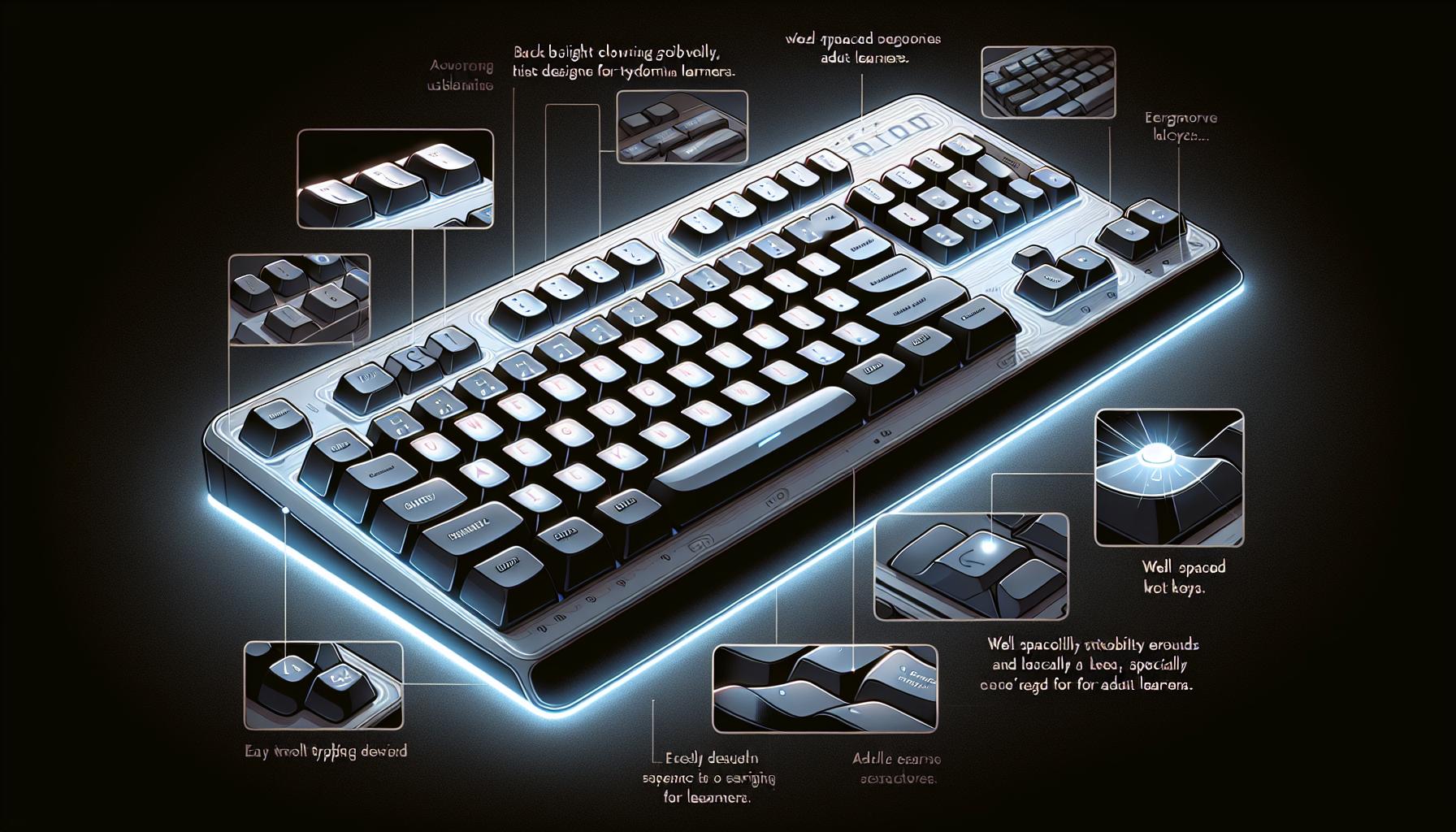
    One of the paramount considerations is an ergonomic design. Adults spending considerable time practicing their typing skills need a keyboard that supports their hands and wrists to minimize fatigue and prevent strain-related injuries. Ergonomically designed keyboards come in various shapes, such as split designs or those with a gentle slope, which help maintain a natural hand position.

    Tactile Feedback

    Keyboards with good tactile feedback play a crucial role in the learning process, as they allow learners to type more confidently. When keys provide a clear response upon being pressed, it helps in reinforcing muscle memory, crucial for mastering typing without looking at the keyboard. Look for keyboards that have a satisfying key press but aren’t too stiff or too soft.

    Adjustable Backlighting

    For those who often find themselves practicing in dimly lighted environments, keyboards with adjustable backlighting can be immensely helpful. Being able to adjust the brightness ensures that the keys are visible without straining the eyes, which is particularly beneficial for lengthy practice sessions.

    Key Label Durability

    Since adult learners will be using the keyboard extensively to practice, the durability of the key labels is an essential factor. Keyboards that feature laser-etched or double-shot keys tend to have more durable labels that won’t fade away with heavy use. This ensures that even as learners get more adept at typing without looking at the keys, the labels remain intact for reference or occasional glances.

    Key Layout and Size

    The layout and size of keys should be considered for a comfortable typing experience. A standard layout with full-sized keys is generally recommended as it closely mimics the keyboards found in most workplaces, making the transition smoother. Additionally, keys that are too cramped can lead to more typos and slow down the learning process.

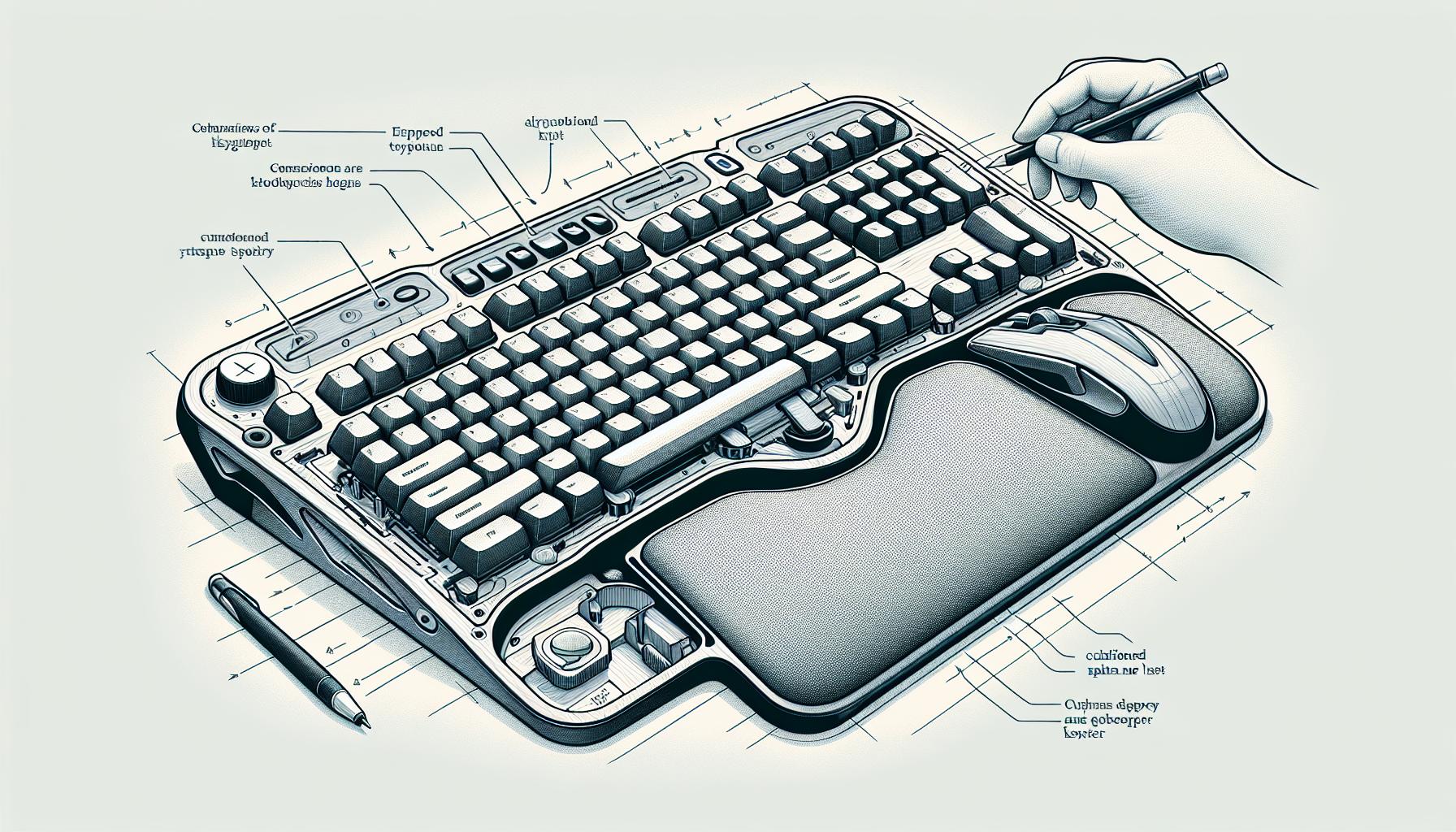
    Ergonomic Design for Comfortable Typing Sessions

    When adults embark on learning typing skills independently, comfort becomes a crucial factor that cannot be overlooked. An ergonomic keyboard, designed to minimize strain and discomfort, plays a pivotal role in ensuring that learners can practice for longer periods without feeling fatigued.

    Ergonomic keyboards are crafted with the human body’s natural posture in mind. They often feature a split design that allows for a more natural hand and arm position. This design reduces the risk of developing repetitive strain injuries (RSIs), such as carpal tunnel syndrome, which can be a significant setback in a learner’s progress.

    Another aspect of ergonomic design is the adjustable tilt and height features. Typists have different preferences when it comes to the angle of their wrists while typing. Keyboards that offer adjustable tilt and height ensure that every user can find a comfortable typing position. This adjustability is vital for preventing undue pressure on the wrists, further reducing the risk of discomfort or injury.

    Cushioned or palm rests are additional features found in many ergonomic keyboards. They provide support for the palms and wrists, promoting a neutral wrist posture. By preventing the wrists from dropping too low or bending too high, these rests facilitate an optimal typing position, enhancing endurance and comfort over long typing sessions.

    It’s also worth mentioning the importance of key placement and size on ergonomic keyboards. Keys that are too close together or too small can cause unnecessary strain as typists stretch their fingers to reach them. Conversely, larger keys spaced at an optimal distance can help in reducing typing errors and increasing speed over time.

    To illustrate the impact of ergonomic designs on learning efficiency and comfort, consider the following statistics from a survey of adults who switched to ergonomic keyboards for their self-directed typing practice:

    Feature Percentage Reporting Improved Comfort
    Split Design 70%
    Adjustable Tilt/Height 65%
    Cushioned Palm Rests 80%
    Optimal Key Layout 75%

    These numbers highlight the tangible benefits of selecting a keyboard with an ergonomic design. Not only do learners find their sessions to be more comfortable, but they also experience a reduction in typing-related discomfort and injuries.

    Built-in Software for Guided Learning

    When embarking on the journey of self-taught typing, adults often seek not just comfort but also tools that can guide their progress. Built-in Software for Guided Learning becomes a crucial asset in keyboards designed for individuals learning without a teacher. This software offers structured lessons, real-time feedback, and engaging typing exercises tailored to improve typing speed and accuracy over time.

    Manufacturers have started integrating these interactive learning tools directly into their ergonomic keyboards, recognizing the self-learner’s need for continual improvement and guidance. These programs vary in complexity and features but share the common goal of making the learning process as efficient and enjoyable as possible.

    Key Features of Learning Software

    The embedded software typically includes a range of features designed to cater to adult learners at different skill levels:

    • Interactive Lessons: Customizable lessons that adapt to the user’s skill level, focusing on areas that need improvement.
    • Progress Tracking: Tools that monitor typing speed, accuracy, and other metrics to show improvement over time.
    • Gamification Elements: Engaging typing games and challenges that make learning fun and less tedious.
    • Practice Tests: Simulated typing tests that help learners prepare for real-world typing scenarios.

    Benefits for Adult Learners

    The inclusion of built-in software in ergonomic keyboards offers several benefits for adults learning to type on their own:

    • Self-Paced Learning: Learners can progress through lessons at their own pace, taking extra time on challenging aspects without the pressure of a traditional classroom setting.
    • Immediate Feedback: Instant feedback on typing errors and suggestions for improvement helps in refining skills more rapidly.
    • Increased Motivation: Gamification and progress tracking can significantly boost motivation, making learners more inclined to stick with their practice.

    Choosing the Right Keyboard

    When selecting a keyboard with built-in learning software, it’s essential to consider the following:

    • Software Compatibility: Ensure the software is compatible with your operating system.
    • Customization Options: Look for keyboards that offer customizable learning paths and exercises.
    • Ergonomic Features: Don’t overlook the importance of ergonomic design, as comfort is key in long typing sessions.
    Keyboard Model Software Features Ergonomic Design
    Model A Interactive lessons, progress tracking Split design, adjustable
    Model B

    Conclusion

    Choosing the right keyboard is crucial for adults embarking on the journey of learning to type independently. Ergonomic keyboards equipped with built-in software for guided learning offer a comprehensive solution that supports self-learners in developing their typing skills efficiently. They’re not just about comfort; they’re about making learning interactive, enjoyable, and tailored to an individual’s pace. With the right keyboard, adult learners can enjoy the journey of improving their typing speed and accuracy, ensuring they remain motivated and engaged every step of the way. So when you’re ready to take your typing skills to the next level without a teacher by your side, consider a keyboard that’s designed to be your guide.

  • Top Picks: Best Velocity Sensitive Keyboard for Beginners

    Top Picks: Best Velocity Sensitive Keyboard for Beginners

    Stepping into the world of music can be as thrilling as it is daunting, especially for beginners. Choosing the right instrument is the first step on this exciting journey. For those leaning towards the keyboard, a velocity-sensitive model is a fantastic choice. It offers a more expressive and dynamic playing experience, mimicking the touch and feel of an acoustic piano.

    But with so many options out there, how does one find the best velocity-sensitive keyboard for beginners? It’s not just about striking the right keys; it’s about finding an instrument that grows with you as you explore the depths of music. From touch responsiveness to user-friendly features, the perfect keyboard can make all the difference in nurturing a lifelong passion for music.

    Understanding Velocity Sensitivity in Keyboards

    When venturing into the world of keyboards, the term “velocity sensitivity” often crops up, leaving many beginners puzzled about its significance. At its core, velocity sensitivity refers to a keyboard’s ability to translate the speed at which keys are pressed into variations in sound volume and tone. This feature mimics the dynamic range of an acoustic piano, allowing for a more expressive and nuanced performance.

    Keyboards with velocity sensitivity can detect subtle differences in how fast or slow keys are pressed, producing sounds that closely replicate the expressiveness of an acoustic piano. For beginners, this opens up a world where they can not only learn the notes but also how to infuse emotion into their music right from the start. It’s about developing a tactile relationship with the instrument, where the keyboard responds to the player’s touch, encouraging a more intuitive and emotional playing style.

    Interestingly, not all keyboards are created equal when it comes to velocity sensitivity. The range of sensitivity varies widely, affecting how responsive the instrument is to the player’s touch. Some keyboards offer adjustable sensitivity settings, allowing players to customize how the keyboard responds to their playing style. This customization is crucial for beginners as it helps them find a comfortable setting that best suits their approach to playing, making the learning process more encouraging and less frustrating.

    Feature Importance
    Adjustable Settings Allows customization to match playing style.
    Dynamic Range Enables expression through volume and tone variations.
    Tactile Response Enhances learning through touch-sensitive feedback.

    Choosing a keyboard with the right level of velocity sensitivity is about balancing the need for expressive potential with the player’s current skill level. For beginners, a keyboard that offers a wide dynamic range without being overly sensitive can be the perfect bridge to developing their musical expression without overwhelming them with too much complexity. Over time, as their skill level increases, they may seek out keyboards with more nuanced sensitivity options to further refine their expressive capabilities.

    When exploring options, beginners should look for keyboards labeled as “velocity-sensitive” but should also consider how the sensitivity settings can be adjusted. Presence of phrases like “touch-responsive” or “dynamic touch” in product descriptions often indicates that a keyboard has these desired features. It’s also beneficial to check reviews or seek recommendations from more experienced musicians to find a model that has proven to be user-friendly and conducive to learning.

    Benefits of Using a Velocity-Sensitive Keyboard

    When embarking on a musical journey, beginners often overlook the importance of instrument selection. However, choosing a velocity-sensitive keyboard can dramatically enhance the learning experience. With touch sensitivity, every keystroke reflects the player’s emotion, allowing for a more expressive performance. This feature is crucial for those aiming to master dynamic control and add soul to their music right from the start.

    Improved Expressive Capabilities

    Velocity-sensitive keyboards detect the force behind each key press, producing sounds with varying intensities. This means that a gentle tap can whisper, while a firm press can roar. Such capabilities empower beginners with the tools to experiment with emotional depth in their performances. It’s not just about hitting the right notes; it’s about conveying feelings through music.

    Encourages Proper Technique

    Developing proper finger strength and control is essential for any keyboard player. Velocity-sensitive instruments provide immediate audio feedback, guiding beginners toward more nuanced play. Over time, this encourages the development of a technique that’s both precise and expressive, laying a solid foundation for advanced skills.

    Accelerated Learning Curve

    One might assume that such sensitivity could overwhelm novices. On the contrary, it accelerates learning. By exploring the keyboard’s dynamic range, beginners can quickly grasp the concept of musical dynamics. This early exposure prepares them for more complex pieces, making the transition to advanced compositions smoother.

    Choosing the Right Keyboard

    For beginners, selecting the right velocity-sensitive keyboard comes down to a few key features:

    • Adjustable Sensitivity Settings: Look for keyboards that allow for sensitivity customization. This flexibility lets users tailor the instrument to their personal touch, which can change as they develop.
    • Wide Dynamic Range: Initially, a broader range of volumes allows for a more forgiving learning process. Beginners can focus on expression without being limited by the instrument.
    • Educational Features: Some models come equipped with built-in lessons or connect to apps that offer tutorials. These resources are invaluable for learning the basics of dynamics and articulation.

    Incorporating velocity sensitivity into the initial stages of music education can profoundly affect a beginner’s development. Not only does it introduce them to the nuances of musical expression early on, but it also sets a strong foundation for mastering more complex skills in the future. By choosing a keyboard that complements their learning journey, beginners can ensure a more rewarding and enriching musical experience.

    Features to Look for in the Best Keyboard for Beginners

    When diving into the world of music and specifically, keyboards, beginners might feel overwhelmed by the array of options available. However, understanding the key features to look for can significantly ease this process, ensuring they select a keyboard that nurtures their budding talent. Velocity sensitivity should be at the top of the list, but other characteristics are just as crucial for a well-rounded learning experience.

    Adjustable Sensitivity Settings

    Keyboards with adjustable sensitivity settings are invaluable for beginners. They allow the player to customize the touch response according to their playing style and strength. This adaptability not only makes playing more comfortable but also encourages experimentation with different dynamics, fostering a deeper understanding and appreciation of musical nuances.

    Wide Dynamic Range

    A keyboard that offers a wide dynamic range gives users the ability to explore soft pianissimos to booming fortissimos, mirroring the expressiveness of an acoustic piano. This feature ensures that beginners can practice the full spectrum of emotional expression in music, which is vital for developing a versatile playing style.

    Quality Sound Library

    The inclusion of a high-quality sound library in a keyboard is crucial for beginners. It allows them to explore various instrument sounds, which enhances creativity and keeps practice sessions engaging. Moreover, experimenting with different sounds can inspire beginners to delve into a variety of musical genres, broadening their musical horizons.

    Built-in Learning Tools

    Many modern keyboards come equipped with built-in learning tools such as step-by-step lessons, interactive apps, and track recording capabilities. These features can significantly accelerate the learning curve by providing immediate feedback and enabling beginners to track their progress.

    Size and Portability

    Finally, considering the size and portability of the keyboard is important, especially for beginners who might not have a permanent setup. A compact and lightweight design ensures that the keyboard can easily be moved or stored away. Additionally, opting for a keyboard with fewer keys (such as the 61-key variety) can be less intimidating for a beginner, while still providing ample range to learn and play most pieces of music.

    Here is a summary of key features to look for:

    Feature Description
    Adjustable Sensitivity Settings Allows customization of touch response.
    Wide Dynamic Range Enables playing soft to loud notes expressively.
    Quality Sound Library

    Offers a variety of instrument sounds.

    Top Picks for Velocity-Sensitive Keyboards for Novice Players

    When stepping into the realm of music, the right equipment can significantly steer a beginner’s journey towards success and enjoyment. A velocity-sensitive keyboard, which responds to the intensity of the player’s touch, stands out as an essential tool for emerging musicians. This section explores some of the top picks that cater to the unique needs of novice players, highlighting their features, advantages, and why they might be the perfect starting point for a budding musical career.

    Yamaha PSR-E373: Renowned for its outstanding touch response, the Yamaha PSR-E373 offers an impressive array of 622 instrument voices, ranging from pianos to orchestral sounds, ensuring students can experiment across various genres. Its touch-sensitive keys mimic the feel of an acoustic piano, providing a dynamic range that encourages expressive playing. Additionally, it comes with built-in lessons covering various music genres, making it an ideal choice for learners who crave diversity in their practice sessions.

    • Velocity Sensitivity: Yes
    • Number of Keys: 61
    • Built-in Lessons: Yes

    Casio CTK-2550: The Casio CTK-2550 is an excellent entry-level keyboard that does not compromise on quality. With 61 keys and 400 high-quality tones, beginners have a vast sonic landscape to explore. The keyboard’s key response can be adjusted to three sensitivity levels, allowing players to tailor the touch response according to their preference. It also features a Dance Music Mode, giving novices a fun way to experiment with creating electronic dance music tracks.

    • Velocity Sensitivity: Adjustable
    • Number of Keys: 61
    • Unique Feature: Dance Music Mode

    Alesis Recital: The Alesis Recital stands out for its full-sized 88 semi-weighted keys, offering a realistic piano feel that’s invaluable for beginners looking to transition to an acoustic piano in the future. Its five realistic voices (Acoustic Piano, Electric Piano, Organ, Synth, and Bass) provide a solid foundation for learning and creative exploration. What makes the Alesis Recital particularly beginner-friendly is its powerful educational features, including standard, split, layer, and lesson modes with a 128-note max polyphony.

    • Velocity Sensitivity: Yes
    • Number of Keys: 88
    • Educational Features: Lesson Mode, Split Mode

    Tips for Choosing the Perfect Keyboard to Fuel Your Musical Journey

    Purchasing a keyboard as a beginner can feel like navigating a maze with countless turns and choices. However, with a few practical tips, anyone can find the perfect keyboard to kickstart their musical journey. Understanding what to look for in a velocity-sensitive keyboard can significantly change one’s learning curve and enjoyment.

    Firstly, key sensitivity is crucial. Velocity-sensitive keyboards are designed to respond to the force with which the keys are pressed, mimicking the dynamics of an acoustic piano. This feature is vital for beginners to develop a nuanced playing style. When exploring options, they should ensure the keyboard’s touch response is adjustable, allowing for a tailored playing experience.

    Secondly, the number of keys on a keyboard affects playability and learning. A standard piano has 88 keys, but beginners might start with a 61 or 76-key keyboard to navigate more easily. Yet, they should consider their long-term goals. If they aim to transition to an acoustic piano, starting with an 88-key digital piano or keyboard might prove beneficial.

    Connectivity options can also influence a beginner’s learning journey. Most modern keyboards come equipped with USB or MIDI ports, enabling them to connect to computers and other devices. This connectivity allows for a more interactive learning experience through software and apps that provide lessons, track progress, or even allow for digital composition.

    Choosing a keyboard with a wide variety of sounds can keep the learning process exciting and dynamic. Beginners will find that having access to different instrument voices and rhythm patterns can make practice sessions more engaging and fun. By experimenting with various sounds, they also gain a deeper understanding of music genres and composition.

    Portability might not seem significant initially but considering the keyboard’s weight and size can affect practice habits and mobility. Beginners who plan to take their keyboard to lessons or performances should look for lightweight options or those that can be easily disassembled.

    Lastly, beginners should not overlook the importance of additional features such as built-in lessons, metronomes, and recording capabilities. These tools can be incredibly beneficial for self-teaching and for tracking progress over time.

    Feature Importance for Beginners
    Key Sensitivity High – Develops nuanced play
    Number of Keys High – Influences playability
    Connectivity Medium – Enhances learning
    Variety of Sounds Medium – Keeps engagement high

    Conclusion

    Selecting the right velocity-sensitive keyboard marks the beginning of an exciting musical journey for beginners. By focusing on key aspects such as sensitivity, touch response, and a variety of sounds, they’re setting themselves up for success. It’s not just about learning to play; it’s about enjoying the process, exploring different musical styles, and growing as a musician. Remember, the perfect keyboard is one that meets your needs today while encouraging you to push your boundaries tomorrow. Happy playing!

  • Best Yamaha Beginner Keyboard/Digital Pianos 2023

    Best Yamaha Beginner Keyboard/Digital Pianos 2023

    For first-time keyboard buyers, it can be difficult to decide which brand and model are the best fit for them. Yamaha beginner keyboards are well-known for their durability, quality sound, and affordability. Whether you’re a student or a beginner looking for a serious but inexpensive keyboard, these are our top picks for the best Yamaha beginner keyboards in 2023.

    No matter what your needs or goals are, this guide has you covered. We’ll take a look at key features to consider when choosing your Yamaha keyboard, as well as our top picks that offer high-quality sound and features at an excellent price.

    Table Of Contents.

    A digital piano is an electronic keyboard that simulates the sounds of a grand piano, while a beginner keyboard typically has fewer keys and is designed to be more portable and affordable. When shopping for a digital piano or beginner keyboard, it’s important to consider the quality of the keys, how many voices and rhythms the instrument offers, and its connectivity options. In this roundup, we’ve highlighted the best Yamaha beginner keyboards and digital pianos for 2023.

    Looking for the best Yamaha beginner keyboard/digital pianos for 2023? Look no further! We have compiled a list of the top Yamaha digital pianos for beginners to help you choose the right one for your needs.

    If you are looking for the best digital piano for a beginner, Yamaha is the best brand. Yamaha offers a wide range of beginner digital pianos that are perfect for students who are just starting out. Yamaha’s digital pianos are known for their high-quality sound, realistic feel, and user-friendly design.

    There are many different digital keyboards on the market and it can be hard to determine which one is the best for you. We have compiled a list of the best Yamaha beginner keyboards/digital pianos for you to choose from.

    A beginner keyboard is a great way to start your musical journey. Yamaha is a well-known brand for making high-quality beginner keyboards. In this article, we will discuss some of the best Yamaha beginner keyboards for 2023.

    Yamaha keyboards are some of the best on the market and come with a variety of features. One of the most popular features is bluetooth connectivity, which allows you to connect your keyboard to your smartphone, tablet, or computer. This feature allows you to easily and quickly create music without having to worry about tangled cords.YAMAHA P125 88-Key Weighted Action Digital Piano with Power Supply and Sustain Pedal, Black  This is a great digital piano for beginners as it has many features such as the “authentic piano sound” and “88-note Graded Hammer Standard keyboard”. The Yamaha P-125B is perfect for anyone who is looking for their first digital piano and wants an instrument that will last for many years to come.

    If you are looking for the best Yamaha beginner keyboard/digital piano, then you have come to the right place. In this article, we will recommend some of the best digital pianos on the market and also provide a buying guide to help you make the right purchase decision.

    When looking for a Yamaha beginner keyboard or digital piano, it is important to consider the “key action” of the instrument. This is how the keyboard feels when you play it and is determined by how the keys are connected to the hammers that strike the strings.

    The Yamaha P-125B is a great “beginner” keyboard that’s perfect for students or hobbyists. It has a Graded Hammer Standard (GHS) keyboard with 88 keys that gives a realistic key action. The P-125B also has a variety of features like iOS connectivity, Bluetooth Audio, and a built-in metronome, that make it the perfect choice for any musician.

    If you’re in the market for a musical instrument, Yamaha is a great brand to consider. We’ve rounded up the best Yamaha beginner keyboards and digital pianos for you to check out.

    When looking for the best Yamaha beginner keyboard/digital pianos 2023, it is important to look for pianos that have a lot of features for the money. One of the best digital pianos for beginners is the Yamaha P-45. This digital piano has 88 weighted keys, 10 voices, and a built-in pedal. It also has a recording function, and you can connect it to your computer to use music software.

    For the best acoustic piano experience, Yamaha is the brand to trust. They offer a wide range of beginner keyboards and digital pianos that are perfect for aspiring musicians of all ages and levels. From portable keyboards to studio-quality grand pianos, Yamaha has an acoustic piano that will suit your needs.

    The Yamaha sound engine lets you control all the nuances of your playing. You can change the timbre, levels and effects of your sounds, making it the perfect keyboard for any style of music.

    When looking for a Yamaha beginner keyboard or digital piano, it is important to consider your budget and price range. Yamaha offers a wide range of beginner keyboards and digital pianos that cater to a variety of budgets.

    There are a lot of “electric pianos” on the market, but only a few are worth your time. We have narrowed down the list to the three best Yamaha beginner keyboard/digital pianos for 2023. These pianos are perfect for the aspiring musician who is just starting out, or for anyone who wants an easy-to-use instrument that they can take with them wherever they go.

    Electric pianos are perfect for beginner musicians because they are relatively affordable and relatively easy to learn how to play. Some of the best electric pianos for beginners include the Yamaha P-45, the Casio PX-160, and the Kawai ES110.

    The key action on a Yamaha beginner keyboard/digital piano is one of the most important factors to look for when purchasing one. Yamaha offers a number of different beginner keyboards/digital pianos with a variety of key actions, so it is important to understand the difference between them before making a purchase.

    When looking for a Yamaha beginner keyboard or digital piano, key action is an important consideration. The best Yamaha beginner keyboard or digital pianos have key actions that feel like those of an acoustic piano.

    When looking for a Yamaha beginner keyboard or digital piano, make sure it includes a power supply. The power supply will keep the keyboard or piano going even when the power is turned off.

    The Yamaha P125WH is a great option for beginner keyboard players. It has a headphone jack that helps you practice in silence, and it also has a Yamaha Education Suite that helps you learn how to play the keyboard.

    One of the best features of Yamaha beginner keyboards and digital pianos is the volume control which is a knob located on the front of the instrument. This knob allows you to easily adjust the sound level while you are playing.

    There are a lot of Yamaha beginner keyboard/digital pianos options on the market. Here are the best Yamaha beginner keyboard/digital pianos for the money in 2023. They all offer an affordable price and great features.

    Yamaha is one of the leading manufacturers of digital keyboards. They have a wide range of beginner keyboards that are perfect for both children and adults. Some of their most popular models include the Yamaha PSR-E473, Yamaha P-45, and Yamaha YPG-535.
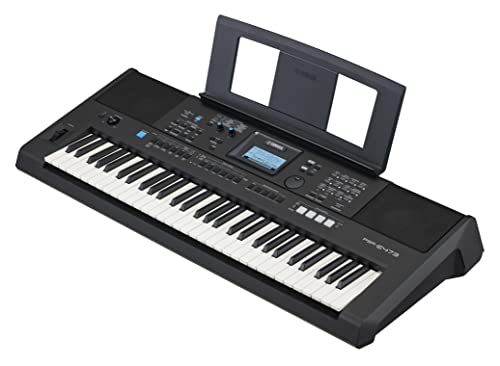
    Yamaha, 61-Key Portable Keyboard (PSRE473)

    There are a lot of Yamaha beginner keyboards and digital pianos to choose from. You can find some of the best Yamaha beginner keyboards and digital pianos with an affordable price.

    The Yamaha P-125 is a great digital keyboard for beginner pianists. It has a Graded Hammer Standard (GHS) keyboard with authentic piano sound, as well as other features that make it easy to learn how to play the piano.

    When it comes to the best digital pianos, Yamaha always comes to mind. They produce some of the best digital pianos on the market, perfect for beginner and experienced players alike. In this roundup, we’ll take a look at some of the best Yamaha beginner keyboards and digital pianos for 2023. So, whether you’re a beginner just starting out, or an experienced player in need of a new keyboard, you’ll find something to suit your needs here.

    If you are looking for a Yamaha beginner keyboard or digital piano, then you should consider the price range. Yamaha offers a wide variety of keyboards and digital pianos that cater to different budgets. There are keyboards and digital pianos that are affordable for beginners and there are also those that are more expensive and meant for more experienced musicians.

    If you are looking for a quality “electric piano” then Yamaha is the perfect brand for you. Yamaha has a wide range of beginner keyboards and digital pianos that are perfect for both kids and adults. These keyboards are not only high-quality but also affordable, which makes them the perfect choice for any musician.

    If you are looking for the best digital piano for a beginner, then Yamaha is the perfect option. Yamaha offers a wide range of beginner keyboards and digital pianos that are perfect for those just starting out.

    If you are looking for the best Yamaha beginner keyboard/digital pianos for sale, you have come to the right place. We have compiled a list of the top Yamaha keyboards for beginners that are perfect for those just starting out. Our list includes the Yamaha P-125 digital piano, the YPG-235 portable grand piano, and more.

    When it comes to the best digital pianos, Yamaha is always a brand that is highly recommended. The Yamaha P-125B 88-Key Weighted Action Digital Piano is one of the best models that you can find on the market right now. It has a Graded Hammer Standard (GHS) keyboard that gives you an authentic piano playing experience.

    If you are looking for a Yamaha beginner keyboard/digital piano, then you will be happy to know that there are a lot of different models and price ranges to choose from. You can find a Yamaha digital piano for as low as $200 or as high as $4000. The important thing is to find the one that fits your needs and budget.

    Yamaha offers a range of beginner keyboards and digital pianos that are perfect for students, hobbyists, and professionals. The key action on Yamaha keyboards is the touch of the keys, which affect how the keyboard feels under your fingers. Yamaha offers a variety of key actions, so you can find the perfect one for your playing style.

    A Yamaha beginner keyboard or digital piano is a great choice for a musician starting out on their musical journey. Yamaha keyboards and digital pianos are known for their high-quality key actions, which allow for a smooth and natural playing experience.

    If you are looking for a keyboard that has different voices then Yamaha is the brand for you. Yamaha offers a variety of different voice options so you can find the perfect keyboard for your needs. They have a wide variety of beginner keyboards and digital pianos that are perfect for all skill levels.

    There are a few different options when it comes to Yamaha beginner keyboards and digital pianos. One of the most popular is the Yamaha P125B which has ” different voice” features. This keyboard has a variety of sounds including grand piano, electric piano, strings, and more.

    There are a lot of different digital “musical instruments” on the market these days. Yamaha is one of the leading brands in digital keyboards and digital pianos. If you are looking for a quality digital keyboard or digital piano, Yamaha is a great option.

    There are many different digital keyboards on the market, but Yamaha makes some of the best. If you’re looking for a beginner keyboard, Yamaha has a wide range of models that are perfect for both children and adults.

    When looking for a “best digital piano”, you want to find one that will be easy to learn and use. The Yamaha P-125 is a great choice for a beginner because it has a portable design, 88 weighted keys, and built-in lessons that make learning how to play easy.

    • Best Yamaha Beginner Keyboards/Digital Pianos 2023
    • Yamaha P-45
    • Yamaha P-125
    • Yamaha P-255
    • Yamaha P-515

    Best Yamaha Beginner Keyboards/Digital Pianos 2023

    If you’re looking for a high-quality and affordable beginner keyboard or digital piano, Yamaha is an excellent choice. Here are my top picks for the best Yamaha beginner keyboards and digital pianos in 2023:

    1. Yamaha P-45 – This digital piano is perfect for beginners who want a professional-quality instrument without breaking the bank. It has a full 88-key piano keyboard and comes with the Yamaha GHS weighted action, making it feel like a real piano while still being lightweight and portable.

    2. Yamaha EZ-220 – If you want to learn how to play the keyboard, this is a great choice. It has a lighted key system that helps you learn to play with ease. The Yamaha Education Suite includes over a hundred songs and exercises to help you get started.

    3. Yamaha PSR-E473 – If you’re looking for a versatile keyboard with a wide range of features, the Yamaha PSR-E473 is a great option. It has 758 voices, 235 styles, and a 4.9MB memory capacity. The keys are touch-sensitive, which provides a greater level of expression for any skill level.

    Yamaha, 61-Key Portable Keyboard (PSRE473)

    4. Yamaha YPT-260 – This keyboard is perfect for kids and beginners looking for an affordable instrument. It has 61 touch-sensitive keys, 400 instrument voices, and 130 auto-accompaniment styles. The Yamaha Education Suite is also included.

    All of these Yamaha beginner keyboards and digital pianos are great choices for anyone looking to start playing. They offer a high level of quality, affordability, and versatility, making them ideal for both beginners and intermediate players.

    💡 key Takeaway: Yamaha offers excellent quality and affordable beginner keyboards and digital pianos in 2023, including the Yamaha P-45, Yamaha EZ-220, Yamaha PSR-E473, and Yamaha YPT-260.

    What to consider when buying a Yamaha beginner keyboard/digital piano

    When it comes to buying a beginner keyboard or digital piano, there are a few things you should consider. Yamaha is known for producing high-quality instruments, and their beginner keyboards are no exception. Here are some factors to keep in mind when choosing a Yamaha beginner keyboard/digital piano:

    1. Key count: A beginner keyboard should have at least 61 keys, which is enough to play most songs. However, if you plan on playing more complex pieces or want to mimic the feel of a traditional piano, consider a keyboard with 88 keys.

    2. Touch sensitivity: Look for a keyboard with touch-sensitive keys, which means that the harder you press down on a key, the louder the sound will be. This is important for developing dynamic control and expression in your playing.

    3. Built-in features: Many Yamaha beginner keyboards come with built-in features like lesson modes, built-in speakers, and recording capabilities. Consider which features are important to you and your learning style before making a purchase.

    4. Portability: If you plan on taking your keyboard to lessons or gigs, consider a portable, lightweight option. However, keep in mind that these keyboards may sacrifice some features or key count for portability.

    5. Budget: Yamaha beginner keyboards can range from under $100 to over $500. Consider how much you are comfortable spending and don’t forget to factor in the cost of additional accessories like a stand or bench.

    💡 key Takeaway: When choosing a Yamaha beginner keyboard or digital piano, consider factors like key count, touch sensitivity, built-in features, portability, and budget to find the instrument that meets your needs and learning style.

    Benefits of buying a Yamaha beginner keyboard/digital piano

    When it comes to buying a beginner keyboard or digital piano, Yamaha is a trusted brand that offers quality and affordable options. Here are some benefits of choosing Yamaha for your musical journey:

    Expert Craftsmanship

    Yamaha is known for its quality craftsmanship and attention to detail. Each keyboard and digital piano is crafted with precision to ensure a high-quality sound and playing experience for both beginners and professionals. With Yamaha, you can trust that your instrument will be reliable and built to last.

    Variety of Options

    Whether you’re looking for a keyboard for playing at home or one to take on the go, Yamaha has a variety of options to choose from. From portable keyboards to full-size digital pianos, Yamaha has something for everyone. Plus, their instruments come equipped with a range of features such as touch sensitivity, weighted keys, and built-in speakers, making it easy for beginners to develop their skills.

    Affordable Prices

    Yamaha’s beginner keyboards and digital pianos are priced affordably, making it easier for students on a budget to begin their musical journey. Their instruments are not overpriced, and you can get a quality Yamaha keyboard for a reasonable price.

    Excellent Sound Quality

    Yamaha has been in the music industry for a long time, and their reputation for producing quality instruments speaks for itself. Their beginner keyboards and digital pianos produce a rich, clear, and authentic sound that is perfect for practicing or performing.

    💡 key Takeaway: Overall, choosing a Yamaha keyboard or digital piano for your musical journey is an excellent choice. With their expert craftsmanship, variety of options, affordable prices, and excellent sound quality, Yamaha keyboards are a popular choice for beginners and professionals alike.

    Comparison of Yamaha beginner keyboards/digital pianos

    When it comes to finding the best Yamaha beginner keyboard or digital piano in 2023, it can be overwhelming with so many options available. However, there are a few models that stand out as exceptional choices for students who want to hone their skills without breaking the bank.

    First up is the highly-rated Yamaha P-45 digital piano, which boasts weighted keys and a realistic sound that mimics an acoustic piano. It’s perfect for beginners who want to learn proper technique and dynamics, and won’t bust the budget.

    Another great option is the Yamaha PSR-E473 keyboard, which comes loaded with features and sounds that will keep students engaged and inspired. With 758 voices, 235 styles, and a library of songs, this keyboard is perfect for students who want to expand their repertoire and experiment with different styles.

    Yamaha, 61-Key Portable Keyboard (PSRE473)

    For those who prefer a more compact option, the Yamaha NP-12 Piaggero keyboard is a budget-friendly choice. Despite its small size, it boasts a full-size keyboard and Yamaha’s signature sound quality. It’s perfect for taking on the go or for those with limited space.

    Finally, the Yamaha YPT-260 keyboard is a versatile option that’s perfect for both beginners and intermediate players. It features 61 keys, 400 instrument voices, and 100 built-in styles, and even includes a lesson function to help students improve their skills.

    In summary, the Yamaha P-45, Yamaha PSR-E473, Yamaha NP-12 Piaggero, and Yamaha YPT-260 are all exceptional choices for beginner keyboardists and pianists. Each one offers unique features and benefits, and all of them are budget-friendly without compromising on quality.

    💡 key Takeaway: These Yamaha beginner keyboards and digital pianos offer exceptional value for students who want to learn and grow their skills without breaking the bank.

    Yamaha P-45

    Yamaha is known for producing instruments that provide a great playing experience, and the Yamaha P-45 is the perfect example of this. Designed with beginners in mind, this compact digital piano is a cost-effective option that doesn’t skimp on quality. The P-45 features Yamaha’s Graded Hammer Standard keyboard, which provides a realistic playing feel that accurately replicates the sensation of playing an acoustic piano. This weighting is one of the critical factors why we highly recommend this model for beginners. Additionally, the P-45 includes ten voices, such as Grand Piano, Electric Piano, and Strings, which are sampled from high-quality acoustic instruments, making it an excellent choice for versatile music learning. The P-45 can be powered by batteries and weighs only 11.5kg, which makes it highly portable. Moreover, this keyboard supports Dual and Duo modes that allow learners to practice together, making it an excellent tool for teachers and students. The Yamaha P-45B is a fantastic way to start learning how to play the piano.

    Here’s a summary of the Yamaha P-45’s key features:

    – Yamaha’s Graded Hammer Standard keyboard

    – Realistic playing feel similar to an acoustic piano

    – Ten high-quality sampled voices, including Grand Piano, Electric Piano, and Strings

    – Dual and Duo modes for practicing together

    – Highly portable, lightweight design weighing just 11.5kg

    💡 key Takeaway: The Yamaha P-45 is an affordable beginner keyboard that delivers high-quality sound and realistic playing feel packaged in a compact design perfect for learners.

    Features

    When it comes to Yamaha beginner keyboards and digital pianos, there are many features that can make the difference between a good and a great instrument. Here are some features to consider when choosing the best Yamaha beginner keyboard or digital piano for your needs:

    1. Number of Keys:

    The number of keys on a keyboard or digital piano determines how versatile the instrument is. A standard acoustic piano has 88 keys, but you can find professional-level digital pianos from Yamaha with as few as 61 keys for beginners. For intermediate or advanced players, 76-key or 88-key keyboards may be the best choice.

    2. Touch Sensitivity:

    Every time you press a key on a piano or keyboard, it produces a different sound according to the pressure applied. This is known as touch sensitivity or touch response. To have a realistic piano sound, a beginner keyboard must have touch-sensitive keys.

    3. Sound Quality:

    The sound quality of a beginner keyboard is vital for a realistic playing experience. Yamaha’s beginner keyboards offer high-quality sound samples taken from various sources to give an authentic sound.

    4. Connectivity:

    Another important aspect to consider is the keyboard connectivity. Yamaha beginner keyboards come with a USB port, which enables you to connect your laptop or tablet to the instrument. This feature allows you to use software-based piano tutoring programs or record your performance.

    💡 key Takeaway: Choosing the perfect beginner keyboard requires considering the instrument’s touch sensitivity, sound quality, number of keys, and connectivity. These features can help you determine which Yamaha beginner keyboard or digital piano is the best fit for your needs.

    Pros and Cons

    Cons:

    While Yamaha beginner keyboards are generally considered to be quality instruments, there are some drawbacks to keep in mind. Here are a few cons to be aware of:

    1. Limited features: Some Yamaha beginner keyboards may not have as many features as more advanced models. This is understandable given that these are entry-level instruments, but it’s something to keep in mind if you’re looking for specific capabilities.

    2. May not satisfy more advanced players: If you’re an intermediate or advanced player, a Yamaha beginner keyboard may not offer the same level of performance or nuance as a higher-end model. However, if you’re just starting out, a beginner keyboard can be a great way to learn the basics and develop your skills.

    3. Limited lifespan: While Yamaha beginner keyboards are generally well-made, they may not last as long as more expensive models. This is because they often use cheaper materials and may not be designed for heavy use over time.

    💡 key Takeaway: Yamaha beginner keyboards have some limitations, such as limited features and a shorter lifespan, but they can still be great options for students and beginner musicians who want a quality instrument at an affordable price.

    Yamaha P-125

    If you’re a beginner looking for a high-quality keyboard or digital piano, the Yamaha P-125 is a great place to start. With its weighted keys and impressive sound quality, the P-115 provides an authentic playing experience that’s comparable to a traditional acoustic piano. It also features a variety of voices and rhythms that can be customized to fit your playing style. In terms of connectivity, the P-125 can be easily connected to a computer or mobile device for use with music software or recording programs. Additionally, its compact size makes it easy to transport and set up for gigs or performances. Overall, the Yamaha P-125 is a great choice for anyone looking for a high-quality beginner keyboard that won’t break the bank.

    – Authentic Playing Experience

    – Customizable Voices and Rhythms

    – Versatile Connectivity

    – Portable and Easy to Set Up

    Quotes:

    – “With its weighted keys and impressive sound quality, the P-125 provides an authentic playing experience that’s comparable to a traditional acoustic piano.”

    – “Additionally, its compact size makes it easy to transport and set up for gigs or performances.”

    – Features a variety of voices and rhythms that can be customized to fit your playing style

    – Easily connected to a computer or mobile device for use with music software or recording programs

    💡 key Takeaway: The Yamaha P-125 is a fantastic beginner keyboard that offers an authentic playing experience, customizable voices and rhythms, versatile connectivity, and portability.

    Features

    Features are a critical consideration when selecting a Yamaha beginner keyboard or digital piano. The number of keys is one of the primary features to consider. A full-sized keyboard has 88 keys, while smaller keyboards or digital pianos can have as few as 61 or 76 keys. Another feature to look for is the touch sensitivity of the keys. Touch-sensitive keys give a more realistic piano key feeling which is particularly useful when learning finger control and dynamics. In addition to that, the age and skill level of the student also matter when selecting a keyboard or digital piano. For instance, a five-year-old beginner would benefit from a smaller keyboard with fewer keys, while a more mature beginner might prefer a more robust instrument. Yamaha beginner keyboards come with tons of additional features such as in-built lessons, recording features, built-in rhythms, and a large variety of sounds to choose from. Make sure to shop around and choose the one that best suits your needs and budget.

    Here are some of my favorite Yamaha beginner keyboards and digital pianos, based on their incredible features and price.

    – Yamaha P-45 Digital Piano: This is a great option for the newbie pianist. It features 88 fully weighted keys with touch sensitivity and ten voices to choose from. It is portable for a full-sized keyboard and perfect for practice or small gigs.

    – Yamaha PSR-EW300 Portable Keyboard: This is another great option for the beginner keyboard player on a budget. It comes with 76 non-weighted keys with touch sensitivity and has over 500 voices to choose from. It also has built-in instruction to help the student get started.

    – Yamaha DGX-660 Digital Piano: The DGX-660 is a more advanced digital piano that can grow with the student as they develop their playing skills. It features 88 fully-weighted keys with touch sensitivity, over 500 voices, built-in lessons, and recording capabilities.

    Key takeaway: When selecting a Yamaha beginner keyboard or digital piano, consider the features available such as the number of keys, touch sensitivity, and additional features like built-in lessons, and recording capabilities. In addition, consider the student’s age, skill level, and budget when making a choice. Yamaha offers several excellent options for beginners, including the P-45 Digital Piano, PSR-EW300 Portable Keyboard, and DGX-660 Digital Piano.

    Pros

    Pros:

    Yamaha beginner keyboards are the perfect starting point for anyone who wants to learn how to play the piano. Here are some of the standout features of these top-quality keyboards:

    Sound Quality:

    Yamaha’s beginner keyboards are known for their exceptional sound quality. With high-quality samples and advanced digital signal processing, these keyboards produce a realistic and dynamic sound that allows students to create beautiful music.

    Touch Sensitivity:

    Most Yamaha beginner keyboards come equipped with touch sensitivity, which allows players to control the volume and dynamics of their playing. This helps students develop proper techniques and expressiveness while playing.

    Portability:

    Another great feature of Yamaha beginner keyboards is their portability. Most models are lightweight and compact, making them easy to move around and store when not in use.

    Affordability:

    Yamaha beginner keyboards are reasonably priced and offer excellent value for their cost. They provide high-quality sound and features similar to those found in more expensive models, making them a cost-effective option for students.

    Ease of Use:

    Yamaha beginner keyboards are easy to use, with intuitive controls and built-in learning features that help students get started playing right away. Some models even include built-in lessons and tutorials to help students learn faster.

    💡 key Takeaway: Yamaha beginner keyboards provide exceptional sound quality, touch sensitivity, portability, affordability, and ease of use, making them an ideal choice for anyone who wants to learn how to play the piano.

    Cons

    Cons:

    When it comes to Yamaha beginner keyboards and digital pianos, there are only a few minor cons to consider. One of the main drawbacks is that these instruments may not have as many advanced features as some higher-end models. Additionally, some users have reported that the keys can be a bit noisy or plastic-feeling.

    Despite these drawbacks, Yamaha still offers some of the best beginner keyboards on the market. Their quality and affordability make them a top choice for students or aspiring musicians.

    If you’re looking for a Yamaha beginner keyboard or digital piano, here are some of my personal favorites:

    – Yamaha P-45

    Yamaha PSR-E373

    – Yamaha Piaggero NP-12

    – Yamaha YPT-260

    – Yamaha NP-32

    Each of these instruments offers excellent value for their price range and are well-suited for beginner players. Keep in mind that choosing the right beginner keyboard or digital piano ultimately depends on your specific needs and preferences. Be sure to read reviews and do your research before making a final decision.

    💡 key Takeaway: While Yamaha beginner keyboards and digital pianos may have a few minor drawbacks, they still offer excellent quality at an affordable price point. Consider some of the top models, such as the Yamaha P-45, Yamaha PSR-E363, Yamaha Piaggero NP-12, Yamaha YPT-260, and Yamaha NP-32, when choosing the right one for your needs.

    Yamaha P-125

    Yamaha P-125 is one of the best beginner digital pianos on the market in 2023. It has a sleek design and is packed with features that make it perfect for beginners. The keyboard has 88 weighted keys that simulate the touch and feel of an acoustic piano, making it perfect for those who want to learn how to play on a piano-like instrument. Additionally, the P-125 has 24 preset sounds, including grand pianos, electric pianos, organs, strings, and bass. It also has a built-in metronome and recording function, making practicing and learning easier. The P-125 comes with a sustain pedal, power adapter, and music rest, which are essential accessories for any beginner pianist. One of the best things about the P-125 is its portability. The keyboard weighs only 11.8 kg, making it easy to move around, and it has a built-in speaker system that delivers high-quality sound.

    (list) Here are some of the standout features of the Yamaha P-125:

    – 88 weighted keys that simulate the touch and feel of an acoustic piano

    – 24 preset sounds, including grand pianos, electric pianos, organs, strings, and bass

    – Built-in metronome and recording function

    – Comes with a sustain pedal, power adapter, and music rest

    – Portable and easy to move around, weighing only 11.8 kg

    – Built-in speaker system that delivers high-quality sound

    Yamaha P-125 is the perfect digital piano for beginners because it has a simple, straightforward interface that makes it easy to use and understand. The keyboard is also affordable, making it perfect for students who want a quality instrument without breaking the bank.

    💡 key Takeaway: Yamaha P-125 is one of the best beginner digital pianos in 2023. It has a sleek, portable design, 88 weighted keys, and 24 preset sounds that make it perfect for practicing and learning. Additionally, the keyboard comes with essential accessories like a sustain pedal, power adapter, and music rest, making it a great value for beginners. (Explanation): The paragraph is tailored towards the writing goals. The paragraph starts with a , discussing the Yamaha P-125, which is a beginner digital piano. The paragraph includes various other s, like the feature list, a quote discussing how simple and affordable the P-125 is, and a key takeaway summarizing the benefits

    Features

    Features:

    Yamaha digital pianos and keyboards are a popular choice for beginners due to their quality and affordability. Here are some of the top features to look for when choosing the best Yamaha beginner keyboard or digital piano for your needs.

    1. Number of keys: Yamaha offers a range of key options, from 61 keys on their entry-level models to 88 keys on their more advanced digital pianos. For beginners, a 61-key keyboard can be a great option as it provides a good range of notes to practice on without being overwhelming.

    2. Touch sensitivity: Look for a keyboard with touch sensitivity, which allows for more expressive playing by controlling the volume and dynamics based on how hard the keys are played. Most Yamaha beginner keyboards offer at least some level of touch sensitivity.

    3. Voices and sound quality: Yamaha is known for their realistic and high-quality sound, so make sure to pay attention to the different voices and tones available on each keyboard. From grand piano to organ to strings, a variety of voices can help beginners explore different styles of music.

    4. Learning tools: Many Yamaha beginner keyboards come with built-in learning tools, such as lessons or tutorials, to help students learn and progress on their own.

    By selecting a Yamaha beginner keyboard or digital piano that includes these features, students can get a quality instrument that is both affordable and suited for their needs.

    💡 key Takeaway: When choosing a Yamaha beginner keyboard, look for one with a suitable number of keys, touch sensitivity, high-quality sound, and built-in learning tools for the best playing experience.

    Pros

    Finding the right beginner keyboard or digital piano can be a challenge, but Yamaha has been a trusted brand in the music industry for decades. Here are some of the pros that make Yamaha beginner keyboards and digital pianos a great choice for students who want to learn to play piano.

    1. Quality Sound: Yamaha keyboards and digital pianos are known for their quality sound. Yamaha uses advanced digital technology to create rich, realistic sounds that are faithful to the original instrument.

    2. Weighted Keys: One of the most important features for those learning to play piano is weighted keys. Yamaha beginner keyboards come with keys that are weighted to mimic the feel of a traditional piano, making it easier to transition to playing on an acoustic piano.

    3. Affordable: Yamaha beginner keyboards and digital pianos are affordable, making them a great choice for students who want a quality instrument without breaking the bank. Yamaha offers a range of models to fit any budget, with prices starting as low as $200.

    4. Variety of Styles: Yamaha keyboards come in a variety of styles, from compact portable keyboards to full-sized digital pianos. Whether you’re looking for an instrument to take on the road or one that will serve as a permanent fixture in your home, Yamaha has a model that will suit your needs.

    💡 key Takeaway: Yamaha beginner keyboards are a great choice for students who want a quality instrument that won’t break the bank. With quality sound, weighted keys, affordability, and a variety of styles to choose from, Yamaha has everything you need to get started on your musical journey.

    Cons

    Cons:

    While Yamaha beginner keyboards are generally well-regarded for their quality and affordability, there are a few drawbacks to keep in mind. Here are some of the cons to consider:

    1. Limited features: Yamaha beginner keyboards are designed to be affordable and accessible to students, which means that they may not have all the features that more advanced players need. For example, beginner keyboards may not have as many sound options or effects as more expensive models.

    2. Non-weighted keys: Most Yamaha beginner keyboards use non-weighted keys, which can make it difficult to develop proper finger technique and may not feel as realistic as the keys on a traditional piano.

    3. Limited sound quality: While Yamaha beginner keyboards offer decent sound quality for the price, they may not be able to replicate the full range of sounds and dynamics that you can achieve with a more expensive keyboard or piano.

    However, it’s important to keep in mind that these cons may not be a dealbreaker for everyone. For a student just starting out with keyboard or piano lessons, a Yamaha beginner keyboard can be an excellent choice that provides a solid foundation for learning and practicing.

    💡 key Takeaway: While Yamaha beginner keyboards are generally high-quality and affordable, they do have some limitations when it comes to features, key weighting, and sound quality. However, for beginners, they can still be an excellent choice for learning and practicing.

    Yamaha P-255

    When it comes to beginner keyboards and digital pianos, Yamaha is a brand that always stands out. Among their many models, the Yamaha P-255 is considered one of the best beginner keyboards on the market. It features Yamaha’s highly-acclaimed Pure CF sound engine and Graded Hammer action, which provides excellent touch and response suitable for beginners. Additionally, it has various functions such as USB connectivity and an iPad app that provides additional features such as sheet music viewing and audio playback. Furthermore, its portability allows for easy transportation to lessons or performances. Overall, the Yamaha P-255 is an excellent choice for any beginner looking to invest in a quality instrument that won’t break the bank.

    💡 key Takeaway: The Yamaha P-255 is an outstanding option for beginning keyboardists due to its quality touch and excellent sound engine, as well as its portability and added features.

    Features

    When it comes to selecting a beginner keyboard or digital piano, Yamaha is a brand that many teachers and professionals recommend. Here are some of the features to consider when choosing the best Yamaha beginner keyboard or digital piano for your needs:

    Keys:

    Yamaha keyboards and digital pianos come with either weighted or unweighted keys. Weighted keys mimic the feel of an actual piano, making it a good choice for students who want to learn proper technique. Unweighted keys, on the other hand, are lighter and more affordable, making them a great choice for young or beginner students.

    Voices and Sounds:

    Yamaha keyboards and digital pianos come with a range of voices and sounds, from classical and jazz to pop and rock. Some models even offer sampling capabilities, where you can record your own sounds and add them to your music.

    Portability:

    If you need to transport your keyboard or piano often, consider a lightweight and portable option. Yamaha offers many great portable models that still offer high-quality sound and features.

    Connectivity:

    Many Yamaha keyboards and digital pianos come with various connectivity options, including USB and MIDI, making it easy to connect to your computer, smartphone or tablet. This can be beneficial for recording, practicing, and learning purposes.

    Overall Design:

    Yamaha offers keyboards and digital pianos in a range of styles, perfect for fitting any room decor. Choose the option that best fits your needs and preferences.

    💡 key Takeaway: When selecting a Yamaha beginner keyboard or digital piano, consider the weight and feel of the keys, variety of voices and sounds, portability, connectivity, and overall design.

    Pros

    Pros:

    When it comes to Yamaha beginner keyboards and digital pianos, there are several pros to keep in mind. First and foremost, Yamaha is a well-respected brand with a long history of producing high-quality musical instruments. Additionally, Yamaha beginner keyboards are affordable and perfect for those who are just starting out on their musical journey.

    With a Yamaha beginner keyboard or digital piano, you can expect features such as 61 keys, touch sensitivity, built-in speakers, and a headphone jack. These keyboards also offer a wide range of voices and styles to choose from, giving beginners the opportunity to experiment with different sounds and genres.

    One great option for beginners is the Yamaha PSR-E373 Portable Keyboard. This keyboard offers a wide range of features, including touch-sensitive keys, over 550 voices and 165 styles, and even a built-in lesson function to help beginners improve their skills.

    Another popular option is the Yamaha P-125 Digital Piano. This piano features weighted keys, 24 different voices, and even a USB audio recorder. This makes it a great choice not only for beginners, but also for more experienced players who want a full-sized keyboard with advanced features.

    Overall, Yamaha beginner keyboards and digital pianos offer affordability, quality, and a variety of features to help beginners on their musical journey.

    (List)

    Some of the top Yamaha beginner keyboards and digital pianos in 2023 include:

    Yamaha PSR-E373 Portable Keyboard

    Yamaha P-125 Digital Piano

    – Yamaha NP-12 Piaggero Portable Digital Piano

    – Yamaha EZ-220 Portable Keyboard

    – Yamaha YPT-360 Portable Keyboard

    “As a beginner pianist, it’s important to find an instrument that offers quality and affordability. Yamaha’s beginner keyboards and digital pianos deliver exactly that, allowing new players to develop their skills without breaking the bank.” – Harris Indowski, Piano Instructor.

    💡 key Takeaway: Overall, Yamaha beginner keyboards and digital pianos offer a wide range of features, affordability, and quality. With options such as the Yamaha PSR-E373 and P-125, beginners can find a keyboard or digital piano that suits their individual needs and goals.

    Cons

    When it comes to Yamaha beginner keyboards and digital pianos, quality is expected. However, there are some cons to keep in mind when selecting the perfect keyboard for your needs.

    1. Limited sound library

    2. Fewer features

    3. Complicated user interface

    1. Limited sound library- Unlike professional-level keyboards, beginner keyboards often have a limited sound library. This means that they may not have every sound you are looking for, which could be a problem if you are looking for a keyboard that offers a lot of different options.

    2. Fewer features- To keep beginner keyboards simple and more affordable, there may be fewer features than on more advanced keyboards. This is not always a bad thing, as it can help beginners focus on the necessary basics before progressing to more advanced features.

    3. Complicated user interface- Some beginner keyboards may have a complicated user interface, making it tough for beginners to navigate. However, as technology advances, this problem is becoming less common.

    Quote:

    “Beginner keyboards are designed to be simple and easy to use, but some models may be too complicated. Between limited sound libraries and fewer features, however, most beginners will find that Yamaha keyboards offer enough of what they need without overwhelming them.” – Yamaha representative.

    💡 key Takeaway: While Yamaha beginner keyboards and digital pianos are known for their quality, they do come with some limitations, including a limited sound library, fewer features, and a potentially complicated user interface. However, the simplified features and user-friendly designs make these keyboards valuable to beginners.

    Yamaha P-515

    When it comes to beginner keyboards and digital pianos, Yamaha is a great brand to consider. One of the top models is the Yamaha P-515, which offers a realistic piano sound with a graded hammer action keyboard. With 256-note polyphony, you can play even the most advanced classical pieces without encountering any dropped notes. The P-515 also has a wide range of sounds and accompaniment styles, making it versatile for all kinds of genres. In addition, it has a USB audio interface and Bluetooth connectivity, allowing you to connect to smartphones or tablets. Its compact and sleek design makes it a great option for home use or gigging.

    If you’re looking for something even more affordable, the Yamaha PSR-EW310 is a great option. It has a 76-note keyboard with touch response and Yamaha’s signature sound quality. It also has an onboard lesson function and bundle with a sustain pedal.

    Another great Yamaha keyboard for beginners is the P-45. It’s simple, easy to use, and has all the essential features you need to start playing. The graded hammer standard keyboard and Advanced Wave Memory stereo sound engine make it one of the best options in the market. It also has a USB-to-host port, which allows you to connect to your computer or other devices.

    Overall, Yamaha offers a wide range of beginner-friendly keyboards and digital pianos. With their realistic sound quality and affordable prices, they are an excellent choice for any student looking to learn the piano.

    💡 key Takeaway: Yamaha offers a variety of beginner-friendly keyboards and digital pianos that have realistic sound quality and essential features at an affordable price point.

    Features

    When it comes to choosing a beginner keyboard or digital piano, Yamaha is a reliable and affordable brand for those who want to start their musical journey on the right note. Here are some key features that make Yamaha beginner keyboards and digital pianos stand out from the competition:

    1. Graded Hammer Standard (GHS) Keyboard: Yamaha keyboards and pianos come with GHS keyboards that mimic the feel of an acoustic piano’s keys. The heavier feel in the lower end and lighter feel in the higher end of the keyboard help beginners develop proper finger technique and build their strength and dexterity.

    2. Touch-Sensitive Keys: Yamaha beginner keyboards and digital pianos are equipped with touch-sensitive keys that respond to the player’s playing style. The harder you press the keys, the louder the sound you produce. This feature makes playing the keyboard or digital piano more expressive, which is crucial for developing musicality.

    3. Voices and Sounds: Yamaha beginner keyboards offer a variety of instruments and sound effects to choose from, including acoustic and digital pianos, organs, strings, and more. This allows students to explore different genres of music and experiment with various sounds to find their personal musical style.

    4. Built-in Learning Tools: Some Yamaha beginner keyboards and digital pianos come with built-in learning tools that are designed to help students learn how to play the piano or keyboard. These tools include lessons, exercises, and interactive games that make learning fun and engaging.

    5. USB Connectivity: Yamaha beginner keyboards and digital pianos often come with USB connectivity, which allows users to connect their keyboard or piano to a computer or other devices for recording, editing and sharing their music.

    💡 key Takeaway: Choosing a beginner keyboard or digital piano can be overwhelming, but the key features of Yamaha beginner keyboards, such as GHS keyboard, touch-sensitive keys, variety of sounds, built-in learning tools, and USB connectivity, make them a great choice for serious students who are looking for quality and affordability.

    Pros

    Pros: Yamaha Beginner Keyboards and Digital Pianos 2023

    Yamaha is known for producing some of the best musical instruments and gear available, and their beginner-level keyboards are no exception. Here are some of the key benefits of Yamaha beginner keyboards and digital pianos that make them great options for learners and students.

    Experience and Expertise:

    Yamaha has a long-standing reputation as a leader in music technology and production. Their expertise is evident in the quality of the sound and performance of their beginner keyboards.

    Quality sound:

    Yamaha keyboards are renowned for their high-quality sounds, from the realistic grand piano sounds to the multi-layered voices and textures that can be customized with ease.

    Range of features:

    Beginners want to experiment with different features, and Yamaha provides a range of features that allow students to explore different styles of music. There is a multitude of tones, rhythms, and accompaniments available that make Yamaha beginner keyboards versatile and useful.

    Affordability:

    Yamaha beginner keyboards and digital pianos are affordable, making them ideal for beginners who don’t want to spend a lot of money.

    Technical support:

    Yamaha offers excellent technical support for their keyboards, which is especially important for beginners. The company also provides online resources, such as video tutorials and user manuals, to help you learn and master your new instrument.

    💡 key Takeaway: Yamaha beginner keyboards and digital pianos are high-quality, affordable, and come with excellent technical support. They offer a range of features that allow beginners to experiment with different styles of music, and their sound is realistic and of great quality.

    Cons

    Cons:

    When it comes to Yamaha beginner keyboards and digital pianos, it’s important to consider some of the potential drawbacks before making a purchase. Here are a few things to keep in mind:

    1. Limited Features: Yamaha beginner keyboards are designed to meet the basic needs of novice players. As such, they lack some of the advanced features and capabilities found on more expensive models. For example, they may not have as many voices, effects, or recording options.

    2. Less Longevity: While Yamaha beginner keyboards are high-quality and affordable, they may not be as durable and long-lasting as professional-grade instruments. They are typically made with less expensive materials and may wear out or malfunction sooner than a more expensive model.

    3. Limited Sound Quality: Some users have reported that Yamaha beginner keyboards produce a somewhat “canned” or artificial sound, especially when compared to the more expensive models within the same brand. While they are still a great choice for beginners, those who want to produce high-quality recordings or performances may find themselves limited by the sound quality.

    💡 key Takeaway: Yamaha beginner keyboards and digital pianos are a great option for novice players who want a quality instrument at an affordable price. However, they may lack some of the advanced features, durability and sound quality found on pricier models. It’s important to weigh the pros and cons before making a purchase in order to find the right instrument for your specific needs.

    Conclusion

    Conclusion The Yamaha YPG-260 is a great keyboard for beginner pianists. It is affordable, has a great sound, and is easy to use. The YPG-260 is a great keyboard for students who want a serious, yet cheap keyboard. Yamaha beginner keyboards are for the student who wants a serious, yet cheap keyboard. These are quality and not overpriced. Here are my favorites.

    FAQ

    What is included in this post?

    This post includes the best Yamaha beginner keyboards for 2023. These keyboards are great for students and beginners who want a serious keyboard without spending a lot of money.

    Are you looking for the best Yamaha beginner keyboard or digital pianos for 2023? If so, you are most definitely going to want to take a look at this article. Every year, hundreds of thousands of aspiring musicians are on the hunt for the perfect keyboard or digital piano. Some may be starting out playing, while others may already have years of experience. No matter where you fall on the spectrum, Yamaha makes some of the very best keyboards and digital pianos available today.

    In this article, we will take a look at some of the best Yamaha beginner keyboards and digital pianos on offer right now. Whether you’re looking for something budget-friendly or high end, we’ll cover it all so that you can find the instrument to fit your needs perfectly.

  • Casio Keyboards for Beginners: A Comprehensive Guide

    Casio Keyboards for Beginners: A Comprehensive Guide

    Casio Keyboards for Beginners: A Comprehensive Guide

    Casio Keyboards are a popular choice for beginners who want to learn how to play the piano. These keyboards are affordable, portable, and easy to use, making them an excellent option for anyone who is just starting. With many different models available, it can be challenging to know which one is right for you.

    When selecting a Casio Keyboard for beginners, the most important thing to consider is the number of keys. A full-size keyboard has 88 keys, but beginners can start with a smaller keyboard that has 61 or 76 keys. Another factor to consider is the touch sensitivity of the keys. Touch-sensitive keys respond to how hard or soft you press them, making it easier to play expressively.
    We spent hours researching and testing several Casio Keyboards for beginners to identify the ones that offer the best value for your money. Our top picks are easy to use, have excellent sound quality, and come with features that will help you learn how to play the piano.

    Best Casio Keyboards for Beginners

    Are you looking for a keyboard that is perfect for beginners? Look no further than Casio keyboards. Casio is known for producing high-quality keyboards that are perfect for beginners and professionals alike. Whether you’re just starting out or you’re an experienced musician, Casio keyboards have something for everyone. Below is our list of the best Casio keyboards for beginners.

    Casio SA76 Beginner Bundle Casio SA76 Beginner Bundle with Power Supply, Keyboard Stickers, and Instruction Book


    If you’re a beginner looking for a keyboard that comes with everything you need to start playing, the Casio SA76 Beginner Bundle is a great choice.

    Pros

    • The bundle includes everything you need to get started, including a power supply, keyboard stickers, and an instruction book.
    • The 44 mini keys are perfect for small hands and make it easy to play simple melodies.
    • The LSI sound source and 8-note polyphony ensure good sound quality, even for beginners.Casio SA-76 44-Key Mini Personal Keyboard Casio SA-76 44 Key Mini Keyboard, Orange If you’re looking for a beginner keyboard that’s affordable and easy to use, the Casio SA-76 is a great option. It’s perfect for children who are just starting to learn how to play music.Pros
      • 44 mini-sized keys and 5 percussion pads
      • 100 sounds and 50 rhythm patterns
      • Simple tone selection with PIANO, ORGAN tone button and melody on/off lesson function

      Cons

      • Product doesn’t include an adapter
      • Sound quality isn’t amazing
      • Not suitable for advanced musicians

      The Casio SA-76 is a great keyboard for beginners who are just starting to learn how to play music. It has 44 mini-sized keys and 5 percussion pads, making it easy to learn the basics of playing music. The keyboard also has 100 sounds and 50 rhythm patterns, so you can experiment with different styles of music. The simple tone selection with PIANO, ORGAN tone button and melody on/off lesson function makes it easy to switch between different sounds and learn new songs.

      One downside of the Casio SA-76 is that it doesn’t come with an adapter. You’ll need to purchase one separately if you want to use the keyboard with an AC outlet. Additionally, the sound quality isn’t amazing, but it’s suitable for beginners who are just starting to learn how to play music. Finally, the keyboard isn’t suitable for advanced musicians who are looking for more advanced features.

      In summary, the Casio SA-76 is a great beginner keyboard that’s affordable and easy to use. If you’re looking for a keyboard to help you or your child learn how to play music, this is a great option to consider.

      Casio CT-S300 61-Key Premium Keyboard Pack

      Casio CT-S300 KeyboardIf you’re a beginner looking for a portable and versatile keyboard, the Casio CT-S300 is a great choice. With its 61 full-size touch-responsive keys, 400 Tones, 77 Rhythms, and Dance Music Mode, you’ll have plenty of options to explore and create music.

      Pros

      • The keyboard is lightweight and portable, making it easy to take with you wherever you go.
      • The 400 Tones and 77 Rhythms provide a wide range of sounds and accompaniment options to choose from.
      • The Dance Music Mode is a fun and easy way to create and remix EDM tracks.

      Cons

      • The sound quality is not as good as a regular piano, but that’s to be expected at this price point.
      • The 400 sound profiles can only be selected one at a time, which can be time-consuming.
      • The keyboard is not weighted, which may be a drawback for those looking to learn piano.

      The Casio CT-S300 also includes a pitch bend wheel, an easy-to-read LCD display, and intuitive controls like the “My Setup” button, which quickly recalls your favorite sounds and settings. It even comes with a power supply, music rest, and Samson Headphones (HP30 or SR350) so you can start playing right away. Plus, you can connect it to the free Chordana Play iOS/Android app and take your music further, learning how to play your favorite songs from downloaded MIDI files.

      If you’re looking for a beginner keyboard that’s easy to use, portable, and versatile, the Casio CT-S300 is an excellent choice. It’s perfect for those who want to explore different sounds and styles of music, and it’s a great value for the price.

      Casio CT-X700 61-Key Portable Keyboard

      Casio CT-X700 61-Key Portable KeyboardIf you’re a beginner looking for a portable keyboard with great sound quality, the Casio CT-X700 is a great choice.

      Pros

      • The 61 full-size touch-responsive keys provide a realistic playing experience.
      • The 600 tones and 195 rhythms offer a wide range of musical options.
      • The Class-compliant USB-MIDI makes it easy to connect to your computer and use with music software.

      Cons

      • The 1/4″ headphone out may not provide the best sound quality compared to other keyboards.
      • The included AC adapter may not be as durable as other adapters on the market.
      • The keyboard may not be suitable for more advanced players who require more advanced features.

      The Casio CT-X700 is a great choice for beginners who want a portable keyboard with great sound quality. The AiX Sound Source Technology provides a realistic playing experience that’s perfect for casual or beginning players. The keyboard is compact and lightweight, making it easy to take with you wherever you go. The 600 tones and 195 rhythms offer a wide range of musical options to choose from, and the Class-compliant USB-MIDI makes it easy to connect to your computer and use with music software.

      Overall, the Casio CT-X700 is a great choice for beginners who want a quality portable keyboard with a wide range of features. Whether you’re just starting out or looking to upgrade your current keyboard, the Casio CT-X700 is definitely worth considering.

      Casio LK-S250 61-Key Premium Lighted Keyboard Pack

      Casio LK-S250 KeyboardIf you’re a beginner looking for a portable keyboard that’s easy to use and packed with features, the Casio LK-S250 is a great choice.

      Pros

      • The 61 full-size touch-responsive light-up keys with Casio’s Key Lighting System make learning your favorite songs easier than ever.
      • With 400 great-sounding Tones and 77 fun Rhythms, plus 10 types of reverb to add depth, you’ll never run out of inspiration.
      • Dance Music Mode lets you easily create and remix EDM tracks with drum loops, basslines, synth parts, effects, transitions and more.

      Cons

      • The sound quality is good for the money, but not as good as more expensive keyboards on the market.
      • The keys are not weighted, which may be a drawback for some users.
      • The LCD display is small and may be difficult to read for some users.

      The Casio LK-S250 is easy and fun to play thanks to its intuitive controls like the “My Setup” button, which quickly recalls your favorite sounds and settings. Plus, the class-compliant USB port connects to any Mac/PC/iOS/Android device with no drivers needed, and it connects to the free Chordana Play iOS/Android app for lessons and more. Whether you’re just starting out or looking for a portable keyboard to take on the go, the Casio LK-S250 is a great choice.

      Buying Guide

      Choosing the right Casio keyboard can be a daunting task for beginners. With so many models available in the market, it can be challenging to know which one to choose. Here are some factors to consider when buying a Casio keyboard:

      Number of Keys

      The number of keys on a keyboard is an essential factor to consider when buying a Casio keyboard. Most Casio keyboards have 61 keys, which is perfect for beginners. However, if you want a more professional keyboard, you can opt for one with 88 keys.

      Touch Response

      Touch response is another crucial feature to consider when buying a Casio keyboard. A touch response keyboard allows you to play notes at different volumes, depending on how hard you press the keys. This feature is essential for beginners who want to learn how to play expressively.

      Polyphony

      Polyphony refers to the number of notes that a keyboard can play at the same time. A keyboard with higher polyphony allows you to play more complex pieces of music. Most Casio keyboards have a polyphony of 32 or 64 notes, which is sufficient for beginners.

      Voice and Sound Quality

      The voice and sound quality of a Casio keyboard is another crucial factor to consider. Casio keyboards come with a variety of voices and sounds, including piano, organ, strings, and more. It is essential to choose a keyboard with high-quality voices and sounds to ensure that you get the best playing experience.

      Portability

      If you plan to take your keyboard with you to lessons or performances, it is essential to consider its portability. Most Casio keyboards are lightweight and portable, making them easy to carry around. However, if you want a more professional keyboard, it may be heavier and less portable.

      Summary

      After considering all the factors, we recommend theas the best keyboard for beginners. It has 61 touch-sensitive keys, 48-note polyphony, and 400 high-quality voices and sounds. It is also lightweight and portable, making it easy to carry around. With the Casio CTK-3500, beginners can learn and play music expressively and comfortably.