Blog

  • Keyboard vs Digital Piano for Beginners: Which to Choose?

    Keyboard vs Digital Piano for Beginners: Which to Choose?

    Deciding between a keyboard and a digital piano can be a bit of a head-scratcher for beginners. Both instruments offer unique benefits, but it’s their differences that will ultimately help you hit the right note in your musical journey. Whether you’re dreaming of serenading with classical pieces or rocking out with modern hits, choosing the right instrument is crucial.

    Keyboards are celebrated for their versatility and portability, appealing to those who love experimenting with different sounds and rhythms. On the flip side, digital pianos aim to closely mimic the touch and feel of acoustic pianos, making them a favorite among classical music enthusiasts and those seeking an authentic piano experience. Let’s dive into the world of keys and hammers to discover which instrument strikes a chord with beginners.

    Understanding Keyboard Features

    When stepping into the world of music, beginners often find themselves mesmerized by the range of features keyboards offer. Unlike digital pianos that focus on emulating the acoustic piano experience, keyboards shine in their versatility and array of functions, making them an adventure playground for those who love to explore different sounds and rhythms.

    One of the key attractions of keyboards is their built-in library of sounds and instruments. Players can switch from grand piano tones to strings, brass, and even synths with the press of a button. This variety not only enriches the playing experience but also opens up a world of musical genres for beginners to explore. Whether it’s jazz, rock, or electronic music, there’s a sound for every style hidden within the keyboard’s digital arsenal.

    Another feature that sets keyboards apart is their portability. Unlike the bulky digital pianos, keyboards are generally lightweight and compact, making them perfect for musicians on the go. This portability encourages beginners to practice anytime, anywhere, which can significantly boost their learning curve.

    Rhythm and Accompaniment Features are also pivotal in keyboards, offering beginners an opportunity to play along with pre-recorded drum beats and backing tracks. This not only makes practice sessions more engaging but also helps in developing timing and rhythm skills. For those who aspire to write their own music, these features can be invaluable tools for composing and arranging.

    Here’s a look at some common features found in most keyboards:

    • Multiple Instrument Sounds: From pianos to strings and drums, keyboards offer a range of sounds.
    • Built-in Rhythms and Accompaniments: Background tracks to play along with.
    • Recording Functionality: Allows players to record and playback their performances.
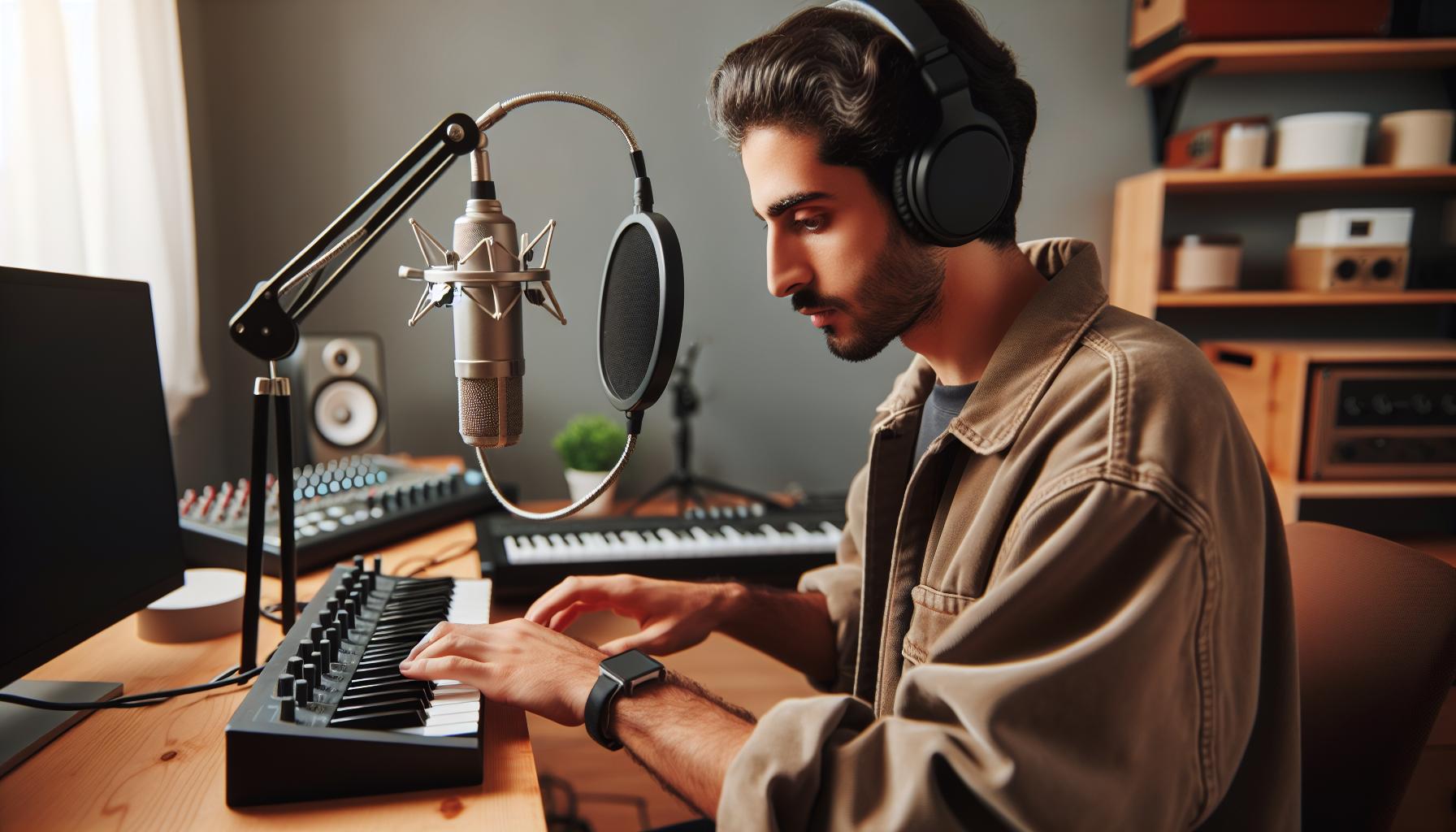
    • MIDI Compatibility: Enables the keyboard to connect with computers and other MIDI devices for music production.

    The inclusion of educational features in many keyboards is another boon for beginners. With built-in lessons, light-up keys, and interactive apps, learning to play has never been easier. These tools are designed to make the learning process both effective and enjoyable, paving the way for beginners to progress quickly in their musical journey.

    Moreover, keyboards often come equipped with a range of effects like reverb and chorus, allowing players to experiment with their sound. This not only enhances the musical experience but also fosters creativity and personal expression.

    Exploring Digital Piano Advantages

    When considering the options for a beginner musician, digital pianos offer remarkable advantages that cater specifically to those aiming to learn and master the piano. Unlike keyboards, which are known for their versatility and array of sounds, digital pianos focus on emulating the acoustic piano experience with precision. This approach to design provides learners with a true-to-life piano feel, which is essential for developing the proper techniques from the start.

    One of the most notable benefits of digital pianos is their weighted keys feature. Weighted keys mimic the resistance felt when pressing the keys of an acoustic piano, providing an authentic playing experience. This is crucial for beginners who are building their finger strength and dexterity, as it allows them to transition to an acoustic piano with ease should they choose to in the future.

    Sound quality in digital pianos is another area where they shine. Manufacturers of digital pianos invest heavily in sampling technology to ensure that the sound produced is as close as possible to that of a grand piano. This means beginners can enjoy a rich and resonant sound that inspires continuous practice and improvement. Moreover, the ability to connect headphones allows students to practice without disturbing others, making it perfect for home use.

    Digital pianos also come equipped with a variety of learning tools and features designed to aid beginners. Many models include built-in metronomes, record and playback functions, and even lesson programs. These features enhance the learning experience, allowing beginners to monitor their progress and work on areas that need improvement without the constant need for a teacher’s presence.

    The aesthetic appeal of digital pianos cannot be overlooked either. They often resemble traditional pianos, lending an air of seriousness and sophistication to any room they occupy. For beginners, having an instrument that feels and looks professional can be incredibly motivating, reinforcing their commitment to learning and practicing regularly.

    Finally, the maintenance aspect of digital pianos is considerably less demanding compared to their acoustic counterparts. There’s no need for regular tuning, and the risk of damage from environmental factors like humidity and temperature is significantly reduced. This reliability means beginners can focus solely on their practice without worrying about the instrument’s condition deteriorating over time.

    Digital pianos represent a focused choice for beginners passionate about learning the piano. They offer a blend of authenticity, functionality, and convenience that not only supports but also encourages the musical journey from the outset.

    Key Differences in Sound Quality

    When beginners are choosing between a keyboard and a digital piano, one of the most significant considerations is the sound quality. While both instruments are electronic, their sound production and quality vary greatly, affecting the learning and playing experience.

    Digital pianos are designed to emulate the sound of an acoustic piano as closely as possible. They incorporate sampled sounds from real grand pianos, offering a rich and authentic tone. Advanced digital pianos use sophisticated technology to replicate the nuances of acoustic piano sounds, including the resonance of the strings and the depth of the hammer action. This results in a sound that’s not only beautiful but also dynamically responsive to the player’s touch.

    In contrast, keyboards often prioritize a wide array of sounds and effects over replicating the sound of a traditional piano. They come with hundreds, sometimes thousands, of different tones and rhythms ranging from orchestral instruments to modern electronic sounds. While this variety can be fun and encourage creativity, it’s worth noting that the piano tones in keyboards might not have the same depth and realism as those in digital pianos. They often rely on simpler sound synthesis methods, which can result in less nuanced piano sounds.

    The sound output mechanism also plays a role in the overall sound quality. Digital pianos typically feature built-in speakers that are larger and offer better sound projection compared to keyboards. This difference means that digital pianos can produce a fuller, more resonant sound even at lower volumes. Keyboards, with their more compact and portable design, have smaller speakers. As a result, the sound might seem thinner and less satisfying, especially for beginners who are still developing their ear for piano tones.

    For learners who aim to develop a serious understanding and appreciation of piano music, the superior sound quality of digital pianos provides a more inspiring and authentic experience. On the other hand, beginners with a keen interest in exploring a variety of musical genres and sounds may find the diverse offerings of keyboards more appealing.

    Both digital pianos and keyboards offer unique benefits in terms of sound quality. It’s essential for beginners to consider what aspects of sound are most important to them in their learning and playing journey. Whether it’s the authenticity and depth of a digital piano or the versatility and variety of a keyboard, choosing the right instrument can significantly influence a beginner’s motivation and progress in mastering the piano.

    Portability and Durability Comparison

    When considering a musical instrument like a keyboard or digital piano, beginners often overlook portability and durability. However, these factors can significantly influence a musician’s practice routines and performance opportunities. Keyboards are generally lighter and more compact compared to digital pianos, making them a favorite for musicians on the move.

    Keyboards, with their streamlined design, weigh significantly less than most digital pianos. This makes them easier to transport from one location to another. They can be effortlessly packed into a carry case and taken to lessons, gigs, or even on vacation. This portability allows beginners to practice anywhere, which can greatly enhance their learning curve.

    Digital pianos, on the other hand, are designed to emulate the feel and sound of an acoustic piano. This often means they come with a heavier build to accommodate the necessary technology and weighted keys. Weighted keys are crucial for developing the correct finger technique and dynamics in piano playing. While this aspect favors the authenticity and quality of the play, it does make digital pianos less portable.

    To put things into perspective, here’s a basic comparison of weights between typical keyboards and digital pianos:

    Type Average Weight
    Keyboard 10-20 lbs
    Digital Piano 100-300 lbs

    Durability is another critical factor. Keyboards tend to be made from lighter materials, which, while contributing to their portability, may not always offer the same level of durability as digital pianos. The plastic components of a keyboard can be susceptible to damage if not handled with care. On the contrary, digital pianos are constructed to be more robust. With wooden or metal frames, they are designed to withstand more rigorous use. This makes them a suitable option for those looking for an instrument that can endure years of practice.

    However, it’s essential to note that the durability of an instrument also greatly depends on how it’s treated. Regular maintenance and careful handling can extend the life of both keyboards and digital pianos significantly.

    • Keyboards offer convenience in terms of easy mobility but might require more delicate handling.
    • Digital pianos provide a more authentic playing experience with their weighted keys and are built to last but are less convenient to transport.

    Making the Right Choice as a Beginner

    Choosing between a keyboard and a digital piano can be a pivotal moment for beginners. It’s not merely about selecting an instrument; it’s about picking a partner for the musical journey ahead. For novices, understanding the nuances between keyboards and digital pianos helps tailor the learning experience to individual needs and goals.

    Keyboards stand out for their ease of use and accessibility. They’re often the go-to for beginners due to their versatility and the variety of sounds and rhythms they offer. With features like built-in lesson modes and light-up keys, keyboards present an engaging learning path for those just starting out. They’re also more budget-friendly, which is crucial for beginners not yet ready to invest heavily in an instrument.

    On the flip side, digital pianos provide a more authentic playing experience, closely mimicking the touch and feel of an acoustic piano. For beginners whose aim is to develop strong foundational skills, particularly in classical or jazz music, the weighted keys of a digital piano can be invaluable. They simulate the resistance of an acoustic piano, offering a better understanding of dynamics and finger strength.

    Here’s a quick comparison to help beginners weigh their options:

    Feature Keyboard Digital Piano
    Portability Lightweight and easy to transport Heavier and less portable
    Feel and Response Light and unweighted keys Weighted keys for an authentic feel
    Variety of Sounds Hundreds of options Fewer, more piano-focused sounds
    Cost Generally more affordable Higher initial investment

    When making the decision, beginners should consider their space, budget, and the kind of music they’re drawn to. Those with limited space or who envision themselves playing in various locations might find keyboards more appealing. Meanwhile, learners with a dedicated space and a passion for classical music might benefit more from the qualities of a digital piano.

    Another crucial factor is the learning curve. Keyboards can offer a fun and less intimidating start with their plethora of sounds and interactive learning features. However, digital pianos, with their focus on piano sounds and weighted keys, encourage skill development that’s transferable to acoustic pianos.

    Conclusion

    Choosing between a keyboard and a digital piano ultimately boils down to what a beginner values most in their musical journey. If they’re after something portable, budget-friendly, and with a variety of sounds, keyboards are the way to go. However, for those focused on building a strong foundation with a feel closer to an acoustic piano, digital pianos offer that authentic experience. It’s about balancing needs and preferences. Whatever the choice, the important thing is to start playing and enjoy the process of making music.

  • Top Beginner Keyboards with Weighted Keys: Find Your Perfect Match

    Top Beginner Keyboards with Weighted Keys: Find Your Perfect Match

    Stepping into the world of music can be as thrilling as it is daunting, especially for beginners looking for the perfect instrument to start their journey. For those drawn to the piano, choosing the right keyboard is crucial. It’s not just about the brand or the price, but the feel of the keys under your fingers that can make all the difference.

    Enter the realm of weighted keys, a feature that mimics the resistance and touch of an acoustic piano. For beginners, a keyboard with weighted keys can be a game-changer, offering a more authentic playing experience and smoother transition to an acoustic piano down the line. Let’s dive into why starting with a weighted keyboard could be the best decision for any budding pianist.

    Understanding Weighted Keys

    When beginners set out to learn the piano, the type of keyboard they choose can significantly impact their learning curve and overall playing experience. One critical feature that can make all the difference is whether or not the keyboard has weighted keys. Weighted keys aim to mimic the resistance and tactile feedback of an acoustic piano’s keys, which are heavier due to the mechanical action required to produce sound.

    Weighted keys come in various forms, each offering a slightly different playing feel. The most common types are:

    • Semi-Weighted Keys: These provide a mild resistance and are a midpoint between unweighted synth-action keys and fully weighted piano keys.
    • Hammer Action Keys: Designed to replicate the hammer mechanism of an acoustic piano, these keys offer a resistance that closely matches that of a traditional piano.
    • Graded Hammer Action: This type mirrors the nuanced weight difference across an acoustic piano’s keyboard—lighter in the upper registers and heavier in the lower ones.

    Investing in a keyboard with weighted keys can offer several benefits for beginners. Firstly, it fosters proper finger strength and technique from the outset. Learning on weighted keys encourages the development of the subtle finger movements required for dynamic playing, something that’s essential for advancing to more complex pieces and ultimately, performing on an acoustic piano.

    Moreover, the tactile response of weighted keys aids in ear training. By producing a sound that’s more akin to an acoustic piano, students can better discern the nuances of their playing, tuning their ear to the quality of the note produced rather than just its pitch.

    Feature Benefit
    Semi-Weighted Keys Mild resistance; good for transitioning
    Hammer Action Keys Close to acoustic piano feel
    Graded Hammer Action Replicates weight variation across keys
    Overall Weighted Keys Builds finger strength and technique

    For those pondering whether to opt for a keyboard with weighted keys, it’s crucial to consider not just the current stage of learning but also future goals. If the aspiration is to eventually transition to an acoustic piano or to perform pieces with expressive depth and dynamism, starting on a keyboard with weighted keys lays a solid foundation.

    Benefits of Weighted Keys for Beginners

    When beginners choose a keyboard with weighted keys, they’re setting themselves up for success in their musical journey. Weighted keys mimic the resistance and tactile feedback found in acoustic pianos, creating a more authentic playing experience. This detail may seem small, but its impact on learning and skill development is profound.

    Enhanced Finger Strength and Technique

    Playing a keyboard that lacks the resistance found in an acoustic piano can lead to underdeveloped finger strength and poor hand posture. In contrast, weighted keys require a deliberate touch and pressure, which naturally leads to stronger fingers and better technique. Over time, this ensures that beginners are not just playing notes but expressing music with confidence and control.

    Improved Ear Training and Musical Expression

    Weighted keys offer a dynamic range that is crucial for developing a refined musical ear. They respond to the force with which they are pressed, meaning the sound can be soft or loud depending on the player’s touch. This responsiveness encourages players to experiment with dynamics, thus enhancing their ear training and ability to express themselves musically.

    Seamless Transition to Acoustic Pianos

    Many beginners aspire to play on an acoustic piano someday. A keyboard with weighted keys makes this transition smoother. Since the playing feel is similar, students can move to an acoustic piano with minimal adjustment, ensuring continuity in their progress and technique.

    Types of Weighted Keys

    Understanding the types of weighted keys can help beginners make an informed decision:

    • Semi-weighted keys: Offer a lighter touch. Suitable for beginners not ready for the full weight of hammer action but seeking some resistance.
    • Hammer action keys: Mimic the mechanism of an acoustic piano, providing a heavier, more realistic touch.
    • Graded hammer action: Offers varying weights across the keyboard, heavier in the low end and lighter in the high end, closely resembling the feel of an acoustic piano.
    Type Resistance Level Suitability
    Semi-weighted Keys Light Beginners
    Hammer Action Keys Heavy Intermediate Players
    Graded Hammer Action Variable Advanced and Beginners

    Features to Look for in a Beginner Keyboard

    When embarking on the journey to find the perfect beginner keyboard with weighted keys, there are several features beyond the key action itself that are crucial to consider. These features not only enhance the learning experience but also ensure the player can develop their skills effectively.

    Touch Sensitivity: A key aspect of a beginner keyboard is touch sensitivity. This feature allows the volume of the sound to change depending on how hard or soft the keys are pressed, mirroring the dynamics of an acoustic piano. It’s an invaluable tool for fostering expressive playing and an understanding of musical nuance.

    Number of Keys: Most acoustic pianos have 88 keys, but beginners might not need all of them at first. Keyboards with 61 or 76 keys can still offer a comprehensive learning experience and are often more manageable and budget-friendly. However, choosing a keyboard with 88 keys prepares a beginner for the eventual use of all the octaves found in classical and modern compositions.

    Built-in Learning Tools: Many modern keyboards come equipped with built-in lessons and songs that help beginners learn the basics of piano playing. Features like split keyboard mode, where the keyboard is divided into two parts with the same pitch range, allow for duet playing or teacher-student interaction, making the learning process much more engaging and effective.

    Connectivity: In today’s digital age, connectivity options such as USB and MIDI are essential. They allow the keyboard to connect to computers and mobile devices, enabling the use of various educational apps and software which can significantly enhance the learning experience. Recording capabilities are also a plus, as they let students listen back to their performances to identify areas for improvement.

    Important Considerations

    While searching for the right keyboard, it’s essential to strike a balance between features and budget. Beginners should prioritize:

    • Weighted keys for a realistic playing feel
    • Touch sensitivity for expressive capability
    • An adequate number of keys for learning and growth
    • Built-in lessons to facilitate self-teaching
    • Connectivity options for extended functionality and learning opportunities

    However, they shouldn’t be swayed by unnecessary features that inflate the cost without substantially contributing to the learning process. A simple, well-built keyboard with the key features listed above can often provide a more focused and effective learning path than a high-end model overloaded with gadgets and gizmos.

    Top Recommended Beginner Keyboards with Weighted Keys

    When embarking on the musical journey of learning the piano, selecting the right instrument is crucial. For beginners looking for keyboards with weighted keys, several models stand out for their quality, features, and affordability. Weighted keys offer a simulation of the feel of an acoustic piano, making them an excellent choice for students who aim to transition to traditional pianos in the future.

    Yamaha P-45 Digital Piano

    The Yamaha P-45 is a top choice for beginners, offering a realistic piano experience without breaking the bank. Featuring 88 fully-weighted keys and Yamaha’s classic sound engine, this keyboard provides a rich tone and responsive touch that closely mimics an acoustic piano.

    • Key Features:
    • 88 weighted keys
    • Advanced Wave Memory (AWM) sampling
    • Compact and lightweight

    Ideal for those who have limited space, the P-45’s sleek design fits well in small rooms or apartments. Its USB connectivity also allows for easy connection to a variety of music education apps.

    Casio Privia PX-160BK

    Another excellent option for beginners is the Casio Privia PX-160BK. Known for its outstanding touch response and natural piano sound, the PX-160BK is a perfect match for students who are serious about learning.

    • Key Features:
    • Tri-Sensor Scaled Hammer Action Keyboard
    • 18 built-in tones
    • Duet Mode for side-by-side practice

    The Privia PX-160BK also features dual headphone outputs, making it ideal for quiet practice sessions or duets. Its slim design not only saves space but also comes at a friendly price point.

    Korg B1SP Digital Piano

    For beginners who appreciate the full package, the Korg B1SP offers an attractive solution. With its 88 natural weighted keys, built-in speaker system, and included stand and pedal unit, this keyboard provides everything a new pianist needs to start playing immediately.

    • Key Features:
    • Natural Weighted Hammer Action (NH) keyboard
    • MFB (Motional Feedback) technology
    • Includes stand and pedal unit

    Although it may be a bit pricier than other options, the Korg B1SP packs value with its all-inclusive setup, making it a solid investment for the aspiring pianist.

    Conclusion

    Choosing the right beginner keyboard with weighted keys is a crucial step in starting a musical journey on the right note. The Yamaha P-45, Casio Privia PX-160BK, and Korg B1SP stand out for their quality, affordability, and beginner-friendly features. They’re not just instruments; they’re gateways to the world of music, offering a solid foundation for anyone eager to learn. Whether it’s the authentic touch or the rich soundscapes these keyboards provide, beginners are in for a treat. With these options, diving into piano lessons feels less daunting and more like an exciting adventure.

  • Top Keyboards for Beginner Singer-Songwriters: Features & Comparisons

    Top Keyboards for Beginner Singer-Songwriters: Features & Comparisons

    Embarking on the journey of a singer-songwriter is thrilling, but it’s also filled with decisions, especially when it comes to choosing the right instruments. For beginners, finding that perfect keyboard that feels like an extension of their soul can be a bit of a maze. It’s not just about the keys; it’s about the connection, the feel, and the inspiration it brings.

    In the world of music, the right tools can make all the difference. That’s why we’re diving into the best keyboards for singer-songwriters who are just starting out. Whether you’re looking for something portable, budget-friendly, or packed with features to explore your creativity, we’ve got you covered. Let’s find the keyboard that’ll be your companion on this exciting musical journey.

    Portable Keyboards for Singer Songwriters Beginners

    When embarking on the musical journey of singer-songwriting, portability becomes a crucial factor for artists on the move. Singer songwriters often find inspiration in the most unexpected places, and having a keyboard that’s easy to carry around can make all the difference. Portable keyboards are designed with this lifestyle in mind—offering the perfect blend of functionality and mobility.

    Features That Matter

    For beginners, understanding which features are essential in a portable keyboard can streamline the buying process. Here’s what to look for:

    • Weight and Size: Ideally, the keyboard should be lightweight and compact enough to carry without hassle.
    • Battery Operation: The ability to run on batteries is a must for true portability, ensuring songwriters can play and compose anywhere.
    • Touch Sensitivity: Keys that respond to touch intensity add expressive possibilities to your performance.
    • Built-in Speakers: Good quality built-in speakers save the need for external amplification during impromptu sessions.

    Top Choices for Beginners

    Navigating through the plethora of options available can be daunting. However, some models stand out for their portability and beginner-friendly features:

    Keyboard Model Weight Touch Sensitive Keys Battery Operated Built-in Speakers
    Yamaha PSR-E263 Light Yes Yes Yes
    Casio CT-S300 Light Yes Yes Yes
    Roland GO:KEYS GO-61K Light Yes Yes Yes

    Each of these options brings something unique to the table for singer songwriters. The Yamaha PSR-E263 is renowned for its user-friendly interface, making it ideal for beginners. Meanwhile, the Casio CT-S300 not only offers great portability but also features a dance music mode, perfect for experimenting with different genres. The Roland GO:KEYS GO-61K stands out for its innovative loop mix function, allowing creators to build songs by simply playing notes on the keyboard.

    • A sturdy keyboard bag or case ensures your instrument is protected during transport.
    • A portable stand is indispensable for setting up your keyboard anywhere with ease

    Budget-Friendly Options to Consider

    When venturing into the world of music creation, singer-songwriters, especially beginners, often face the challenge of finding high-quality instruments without breaking the bank. Fortunately, there are several budget-friendly keyboards that cater to the needs of budding musicians without compromising on essential features.

    First on the list is the Alesis Recital 61. With 61 full-sized keys, touch sensitivity, and an array of sounds, this keyboard stands out as an excellent choice for those who are just starting their musical journey. Its user-friendly interface ensures that beginners can navigate through its features with ease. Additionally, the Alesis Recital 61 offers the convenience of battery power, making it a fantastic pick for writers who find inspiration outside traditional settings.

    Next, the Casio SA-76 provides another economical option for singer-songwriters. While it’s more compact with 44 mini-sized keys, it doesn’t skimp on features valuable for learning and exploring music. Its 100 tones, 50 rhythms, and 10 integrated songs to play along with make it an engaging instrument for practicing songwriting. The Casio SA-76 is particularly suitable for those with limited space, offering the essence of portability and simplicity.
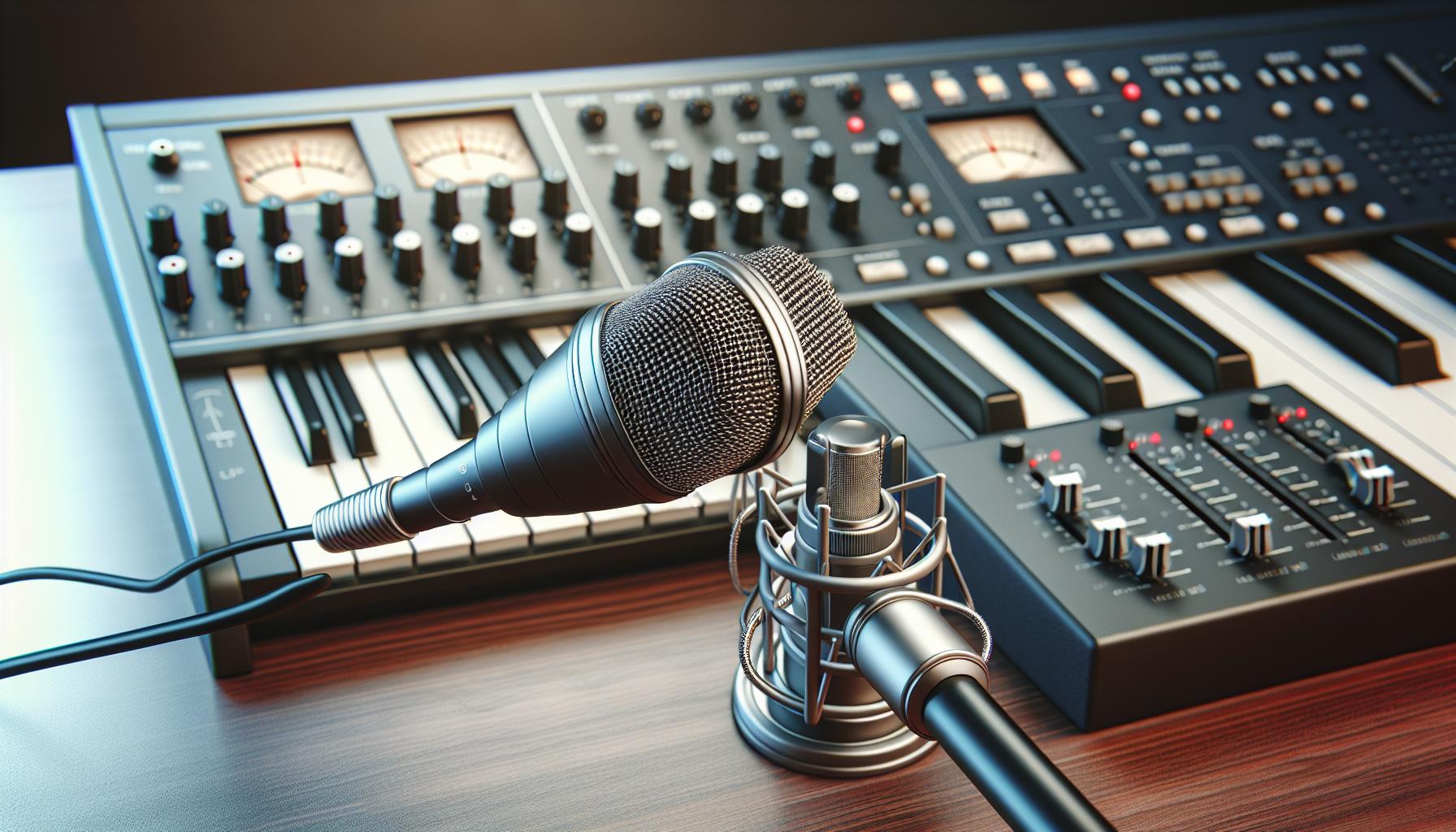
    For those who favor technology integration, the M-Audio Keystation 49 Mk3 proves to be a remarkable choice. It’s a MIDI controller that connects directly to your computer or tablet, harnessing the power of digital audio workstations (DAWs) for limitless sound possibilities. With 49 velocity-sensitive keys, it provides a responsive platform for expression. Its plug-and-play setup means that beginners won’t have to worry about complex installations.

    To help make an informed decision, here’s a quick comparison of these budget-friendly keyboards:

    Keyboard Model Key Count Key Type Battery Operable Additional Features
    Alesis Recital 61 61 Full-sized Yes Touch sensitivity, user-friendly interface
    Casio SA-76 44 Mini-sized Yes 100 tones, 50 rhythms, compact design
    M-Audio Keystation 49 Mk3 49 Full-sized No MIDI controller, velocity-sensitive keys, plug-and-play

    Feature-Rich Keyboards to Enhance Your Creativity

    For singer-songwriters who are just starting out but ready to dive deeper into their musical journey, choosing a keyboard with a wealth of features can drastically enhance their creative process. While budget-friendly options provide a solid foundation, investing in a feature-rich keyboard can unlock new realms of possibility.

    One standout choice is the Yamaha PSR-E373. It’s known for its versatility and ability to cater to both beginners and intermediate players. With 622 voices and a wealth of backing tracks, it allows songwriters to explore various genres and styles. Yamaha’s Education Suite, combined with touch-sensitive keys, ensures that even as you play, you’re learning and improving your skills.

    Another great option is the Roland GO:KEYS. This keyboard is perfect for those who want to experiment with creating their own music from scratch. It features Loop Mix, letting you build songs by simply playing notes on the keyboard, without any musical knowledge needed. Plus, with Bluetooth connectivity, integrating it into your digital setup is a breeze.

    Creativity often strikes when least expected, and that’s where the Casio CT-S300 comes into play. Its portability, combined with 400 tones and 77 rhythms, makes it an ideal choice for songwriters on the move. The built-in carrying handle and battery power option means you can take your creativity anywhere.

    Below is a comparison table summarizing the key features of these keyboards to aid in making an informed decision:

    Keyboard Model Number of Voices Key Features Connectivity Options Portable
    Yamaha PSR-E373 622 Yamaha Education Suite, Touch-sensitive USB to Host
    Roland GO:KEYS 500+ Loop Mix, Bluetooth MIDI and Audio Bluetooth, USB ✔️
    Casio CT-S300 400 Built-in carrying handle, Dance Music Mode USB ✔️

    Finding the Right Keyboard to Inspire Your Music

    Selecting the perfect keyboard is a pivotal decision that can significantly influence a singer-songwriter’s creative journey. Whether they’re just starting out or looking to upgrade their current setup, understanding what makes a keyboard inspire can be the key to unlocking their potential. The vast array of features, such as voice options, connectivity capabilities, and portability, plays a crucial role in feeding a musician’s creativity.

    When it comes to voice options, beginners should look for keyboards that offer a wide range of sounds. Instruments like the Yamaha PSR-E373, which boasts 622 voices, give musicians the flexibility to experiment with different genres and styles. This versatility ensures that a singer-songwriter can find the right sound, no matter the musical direction they wish to pursue.

    Connectivity is another important aspect to consider. Keyboards such as the Roland GO:KEYS not only offer a variety of sounds but also feature Bluetooth connectivity and interactive apps. These tools allow musicians to explore new realms of music creation, from looping their own sounds to working with tracks from their favorite artists. It’s an exciting way for beginners to dive into music production without feeling overwhelmed.

    Portability should not be overlooked either. For singer-songwriters who are always on the move, instruments like the Casio CT-S300 are designed to be lightweight and easy to transport. Having a portable keyboard means they can practice, write, or perform wherever they are inspired, be it backstage or on a mountain top.

    Here’s a quick comparison of the keyboards mentioned:

    Keyboard Model Number of Voices Connectivity Options Portability
    Yamaha PSR-E373 622 USB to Host Moderate
    Roland GO:KEYS Loop Mix Function Bluetooth & App Integration High
    Casio CT-S300 400 USB & Audio In Very High

    In addition to these features, educational tools can be incredibly beneficial for beginners. The Yamaha PSR-E373, for example, offers a suite of learning functions that can help musicians improve their skills more efficiently. This is particularly useful for those who are teaching themselves and might need extra support to progress.

    Conclusion

    Choosing the perfect keyboard is a significant first step for any beginner singer-songwriter. It’s not just about the music they can create today but the journey they’re embarking on. With options like the Yamaha PSR-E373, Roland GO:KEYS, and Casio CT-S300, there’s a keyboard out there that meets the unique needs of every aspiring musician. Whether they’re looking for a variety of voices to explore, connectivity for expanded musical creation, or portability for inspiration anytime anywhere, these keyboards offer something special. They don’t just serve as instruments; they’re tools that nurture creativity, skill development, and the joy of music making. So here’s to finding the right keyboard and to the beautiful music that awaits.

  • Best Travel Keyboards for Beginners: Top Picks for 2023

    Best Travel Keyboards for Beginners: Top Picks for 2023

    Traveling musicians and beginners alike know the struggle of finding the perfect keyboard to take on the road. It’s got to be compact, durable, and of course, produce great sound. But with so many options out there, where does one even start?

    Enter the world of travel keyboards, a haven for the musically inclined wanderer. They’re not just about portability; they’re about unleashing creativity wherever you are. Whether you’re serenading the sunset on a beach or crafting melodies in a cozy hotel room, the right travel keyboard can make all the difference.

    Benefits of a Travel Keyboard

    When considering a travel keyboard, understanding its benefits can greatly influence a musician’s choice, especially for those just beginning their musical journey. These instruments are designed not only to be portable but also to enhance the playing and learning experience in numerous ways.

    First and foremost, travel keyboards are incredibly compact. They are often much smaller than their full-sized counterparts, which makes them ideal for musicians who are always on the move. Whether they’re hopping from one gig to another or exploring different cities, a travel keyboard easily fits into luggage or a backpack, eliminating the hassle of transporting large, bulky instruments. This compactness does not come at the cost of functionality. Many models offer a wide range of features, including a variety of voices and rhythms that cater to beginners trying to explore different styles of music.

    Another key benefit is their durability. Manufacturers of travel keyboards understand the rigors of the road and often design these instruments to withstand bumps, drops, and the occasional spill. Constructed from robust materials and featuring rugged designs, these keyboards ensure that musicians don’t have to worry about the wear and tear of travel affecting their instrument’s performance. This durability makes them a reliable option for beginners who may not yet be accustomed to handling music equipment with care.

    Sound quality is an aspect where travel keyboards truly shine. Despite their smaller size, many of these keyboards produce exceptional sound. This is vital for beginners who are developing their ear and learning to distinguish between tones and pitches. High-quality sound output ensures that new learners can practice effectively, making music that’s pleasing to the ear and encourages them to keep playing.

    Moreover, travel keyboards often come packed with learning features tailored for beginners. From built-in lessons to light-up keys that guide finger placement, these instruments are designed to facilitate the learning process. They provide an accessible way for novices to start their musical education, making it easier for them to grasp basic concepts and advance their skills.

    The flexibility and convenience offered by travel keyboards also foster creativity and spontaneity. Being able to play music whenever and wherever can be incredibly liberating for a musician. Beginners find that having an instrument they can take wherever they go allows them to practice more frequently, experiment with composing their own music, and even perform impromptu sessions that boost their confidence and performance skills.

    Factors to Consider when Choosing a Travel Keyboard

    When it comes to selecting the perfect travel keyboard for beginners, several factors come into play. Understanding what to look for not only simplifies the purchasing decision but also ensures that the musician gets an instrument that suits their needs and lifestyle.

    Size and Weight

    Firstly, portability is key. The size and weight of the keyboard are crucial factors to consider. Beginners should aim for a keyboard that’s lightweight and compact enough to carry around easily. These keyboards should snugly fit into luggage or a backpack, making them ideal companions for travelers.

    Key Count and Action

    Another vital aspect is the key count and action. Most travel keyboards come with a reduced number of keys, commonly ranging from 25 to 61 keys. While a lower key count enhances portability, it’s important to ensure that the keyboard still offers a sufficient range for practice and performance. The action of the keys, whether they’re weighted or semi-weighted, affects the playability and feel, which is essential for beginners trying to develop their technique.

    Connectivity Options

    The next consideration is connectivity. A good travel keyboard should offer a variety of connectivity options, such as USB, MIDI out, and Bluetooth. This flexibility allows beginners to connect their keyboard to computers, tablets, or smartphones for expanded functionality, such as using learning apps or recording software.

    Durability

    Since travel keyboards are designed to be on the move, durability is also a significant factor. Look for keyboards made with sturdy materials capable of withstanding the rigors of travel. Features like a solid build quality and protective cases or covers add an extra layer of security against bumps and impacts.

    Sound Quality and Features

    Despite their compact size, travel keyboards mustn’t compromise on sound quality. Beginners need clear, crisp sound to develop their musical ear and skill effectively. Furthermore, keyboards with a variety of built-in sounds, rhythms, and learning tools can greatly enhance the learning experience. Tutoring functions, playback options, and recording capabilities are invaluable for beginners to practice and monitor their progress.

    Battery Life

    Lastly, battery life becomes a consideration for those long journeys or practice sessions away from power sources. Keyboards that offer long battery life or the option to use rechargeable batteries provide musicians with the freedom to play whenever and wherever they choose.

    Top Features to Look for in a Travel Keyboard

    When embarking on the journey of finding the perfect travel keyboard for beginners, there are several key features that can make the experience more enjoyable and productive. Recognizing these characteristics can significantly enhance a newbie’s learning curve and overall satisfaction.

    Size and Weight: The essence of a travel keyboard is its portability. Beginners should seek out instruments that are both lightweight and compact, ensuring they can easily carry their keyboard wherever they go. A lighter keyboard makes for effortless transportation, be it to a friend’s house or a music class.

    Key Count and Action: The number of keys on a keyboard influences not only the range of music that can be played but also the space required for the instrument. Most travel keyboards have between 25 to 61 keys, with 49 keys being a popular middle ground for beginners. Additionally, the action of the keys, whether they are weighted or unweighted, affects the tactile experience and can aid in the transition to more traditional pianos in the future.

    Connectivity Options: In today’s digital age, connectivity is a critical feature. A travel keyboard with USB and Bluetooth capabilities can facilitate a more interactive learning experience. It allows beginners to connect to apps and software that offer tutorials, sheet music, and even recording functions.

    Durability: Travel implies movement, and movement can lead to wear and tear. A good travel keyboard must be built to withstand the rigors of transport. Durable materials and sturdy construction are must-have features to ensure the keyboard can handle being moved around frequently without sustaining damage.

    Sound Quality and Features: Despite the compact size, the sound quality shouldn’t be compromised. Beginners will benefit from a keyboard that offers a range of sounds and effects, as this allows for exploration and creativity. Additionally, built-in learning features such as light-up keys or integrated lesson functions can greatly assist in the learning process.

    Battery Life: Since travel keyboards are designed for mobility, they often rely on batteries for power. Long battery life is essential to avoid frequent interruptions. This ensures that learners can practice for extended periods without the need for constant recharging or battery replacements.

    Best Travel Keyboards for Beginners

    When embarking on a musical journey, the right equipment can make all the difference. For beginners seeking portability and quality, certain travel keyboards stand out for their exceptional features and user-friendly designs. Here, we explore some top recommendations that are perfect for those starting their keyboard learning adventure on the go.

    Yamaha PSR-E263 Portable Keyboard

    Yamaha is renowned for crafting instruments that blend quality with user-friendliness, and the PSR-E263 is no exception. It’s an ideal choice for beginners, offering a comprehensive set of features:

    • 61 keys, perfect for learning and practicing.
    • A wide variety of 400 voices and 130 styles to explore different genres.
    • Compact and lightweight, making it easy to carry around.
    • Y.E.S. (Yamaha Education Suite) helps beginners learn with built-in lessons.

    Despite its wealth of features, it remains affordable and accessible, making it a top pick for new musicians.

    Casio CT-S200WE Portable Keyboard

    The Casio CT-S200WE stands out for its striking design and practicality:

    • It boasts 61 keys and is equipped with 400 tones and 77 rhythms, offering extensive versatility.
    • USB and aux-in connectivity enhances the learning experience by allowing beginners to play along with their favorite songs.
    • It’s incredibly lightweight, with a built-in carry handle for ease of transportation.
    • Features a Dance Music Mode, adding a fun, interactive layer to practice sessions.

    This model is designed for those who value portability and fun in their musical instrument.

    Roland GO:KEYS GO-61K

    Roland’s GO:KEYS GO-61K is perfect for creativity on the move:

    • With 61 keys, this keyboard uses Bluetooth connectivity to interact with smartphone apps, unlocking a world of digital music composition.
    • Its Loop Mix function allows beginners to build songs by simply playing notes, making music creation accessible to everyone.
    • The compact design and battery-operated power source ensure it can be played anywhere.
    • Delivers high-quality sound that Roland is known for, making every session enjoyable.

    This keyboard is aimed at beginners who are eager to explore music composition alongside learning to play.

    Conclusion

    Choosing the right travel keyboard marks the beginning of an exciting musical journey for beginners. Whether it’s the Yamaha PSR-E263 with its comprehensive learning suite, the Casio CT-S200WE designed for easy connectivity and fun music creation, or the Roland GO:KEYS GO-61K that opens up a world of composition through its innovative features, there’s something for everyone. Each of these keyboards shines in making learning both accessible and engaging, ensuring that beginners not only pick up the basics but also enjoy the process. They’re perfect companions for musical exploration, wherever the road takes them.

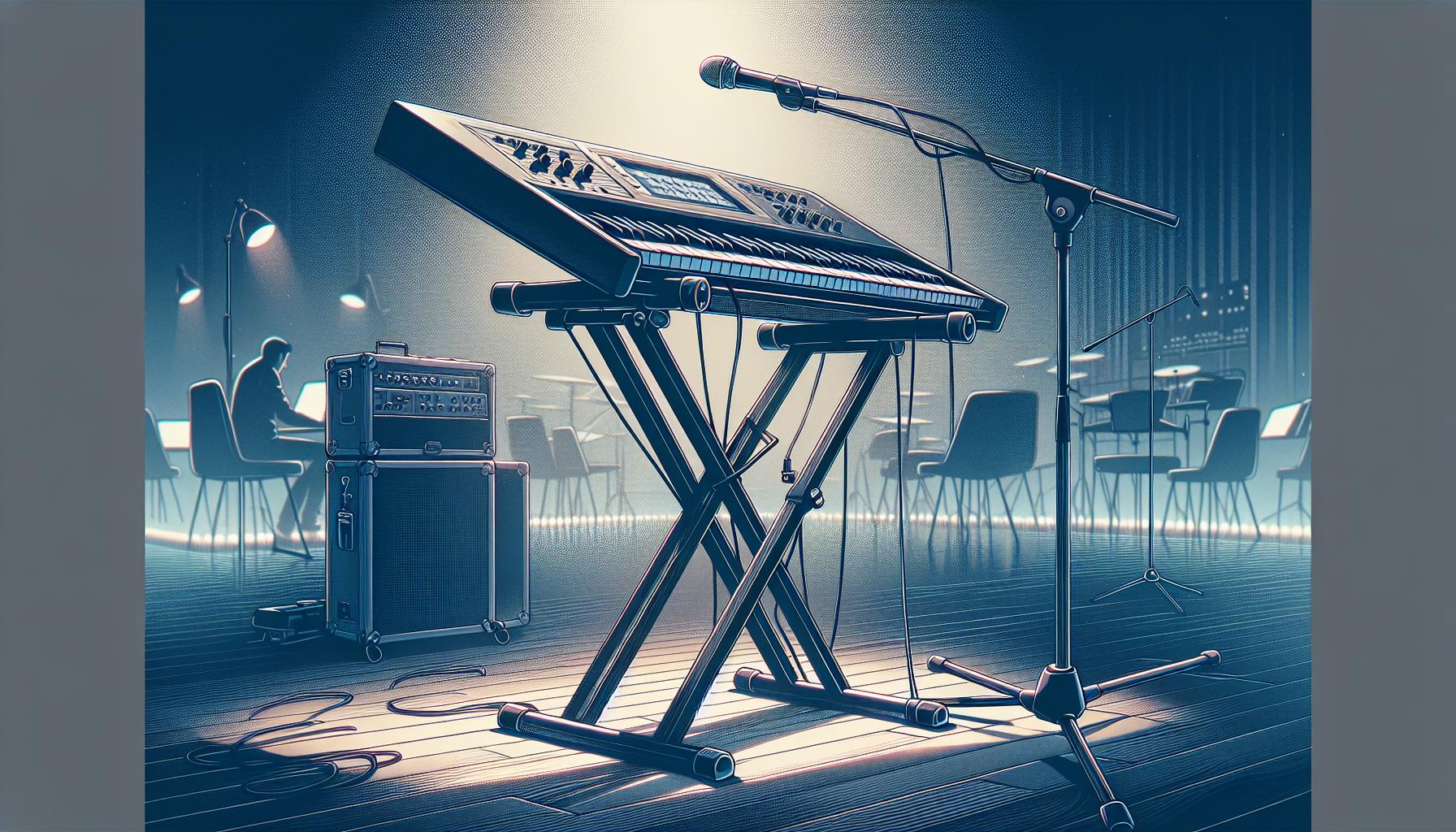
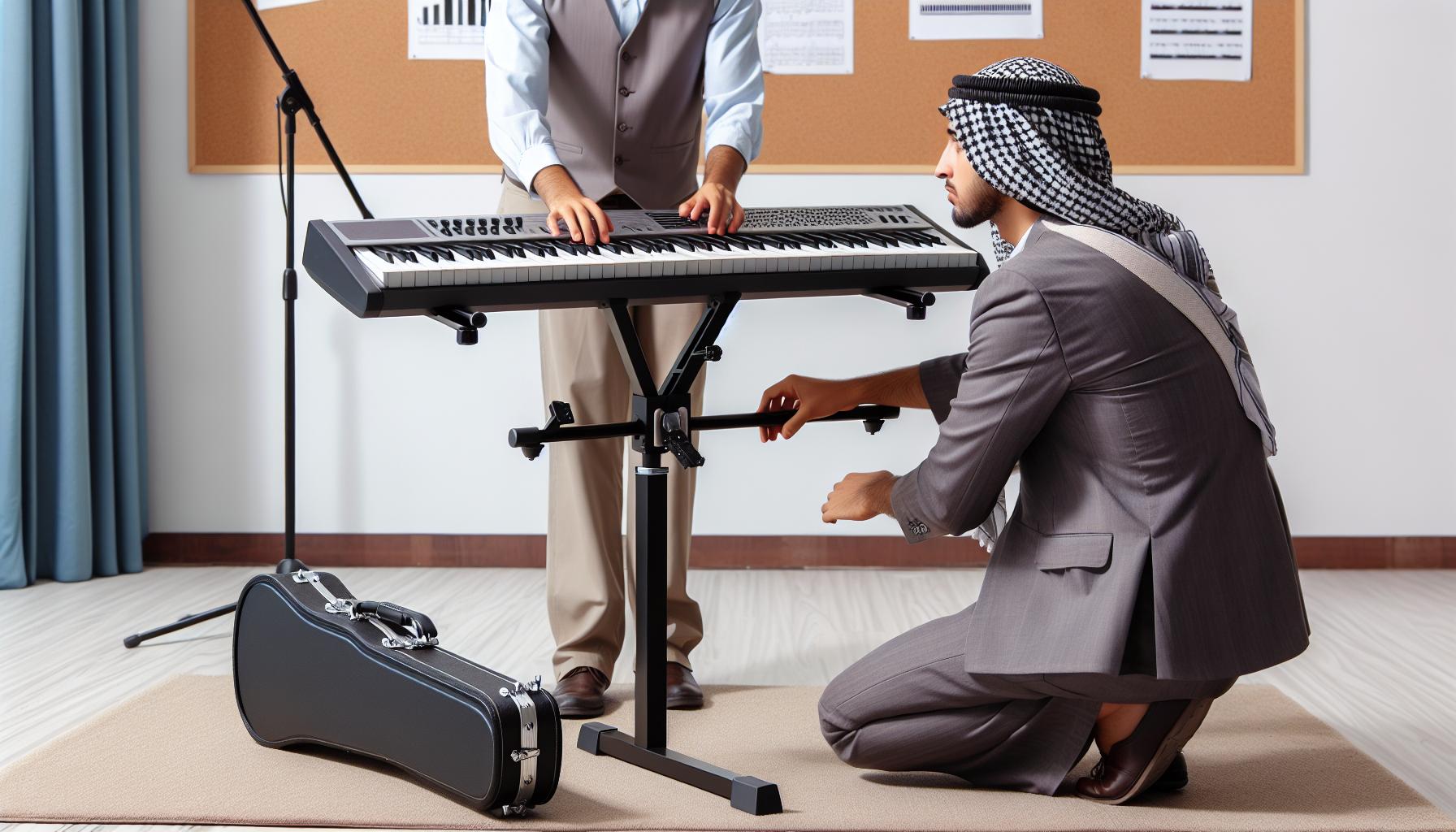
  • Top Picks: Best Keyboard Stand for Beginners – Ergonomic & Adjustable

    Top Picks: Best Keyboard Stand for Beginners – Ergonomic & Adjustable

    Stepping into the world of music is exciting, and having the right gear can make all the difference. For beginners, finding the perfect keyboard stand is crucial. It’s not just about having something to hold your keyboard; it’s about comfort, stability, and making your practice sessions as productive as they can be.

    With so many options out there, it can be overwhelming to choose the right one. But fear not! Whether you’re looking for something budget-friendly, portable, or with specific features, there’s a keyboard stand out there that’s perfect for you. Let’s dive into what makes a keyboard stand great for beginners and how it can elevate your musical journey.

    Importance of a Keyboard Stand for Beginners

    When diving into the world of music, beginners may not initially understand the importance of a good keyboard stand. It’s not just an accessory; it’s a critical component of the learning experience. A well-chosen stand can significantly impact comfort, stability, and overall practice quality.

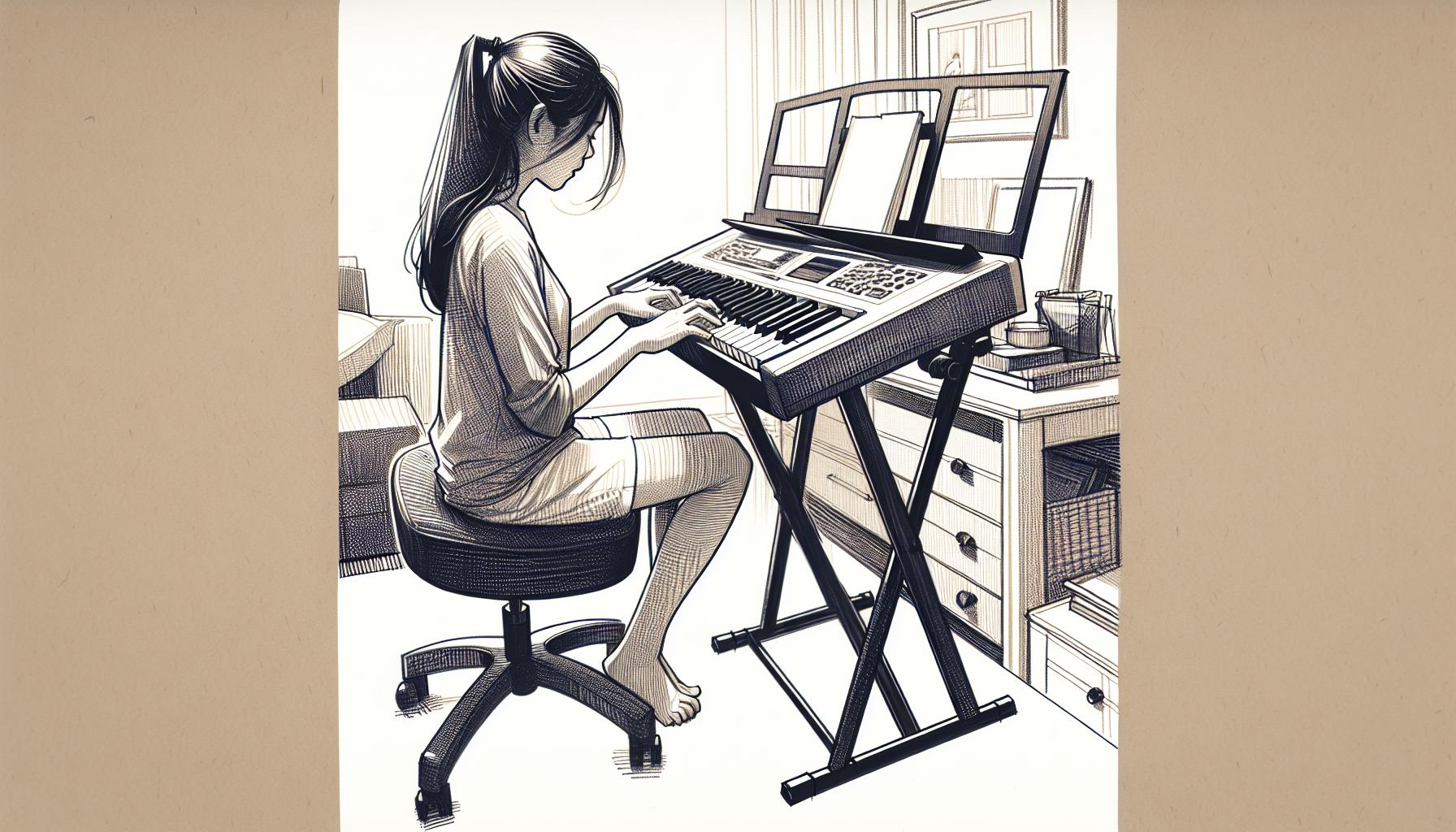
    Firstly, comfort is paramount when learning a new instrument. An adjustable stand allows beginners to set the keyboard at the perfect height, preventing strain on the back, neck, and wrists. This adjustment is crucial, as playing in an uncomfortable position can lead to poor technique and even injury over time. Ergonomics play a significant role in a musician’s development, and a suitable stand ensures that players can focus on their practice without discomfort.

    Secondly, stability is another non-negotiable feature of a quality keyboard stand. Imagine trying to master a new song or practice scales on a wobbly surface. It’s not only frustrating but can also inhibit progress. A stable stand gives beginners confidence, allowing them to concentrate on their music instead of worrying about their instrument’s safety. The assurance that their keyboard won’t topple over during a passionate practice session is priceless.

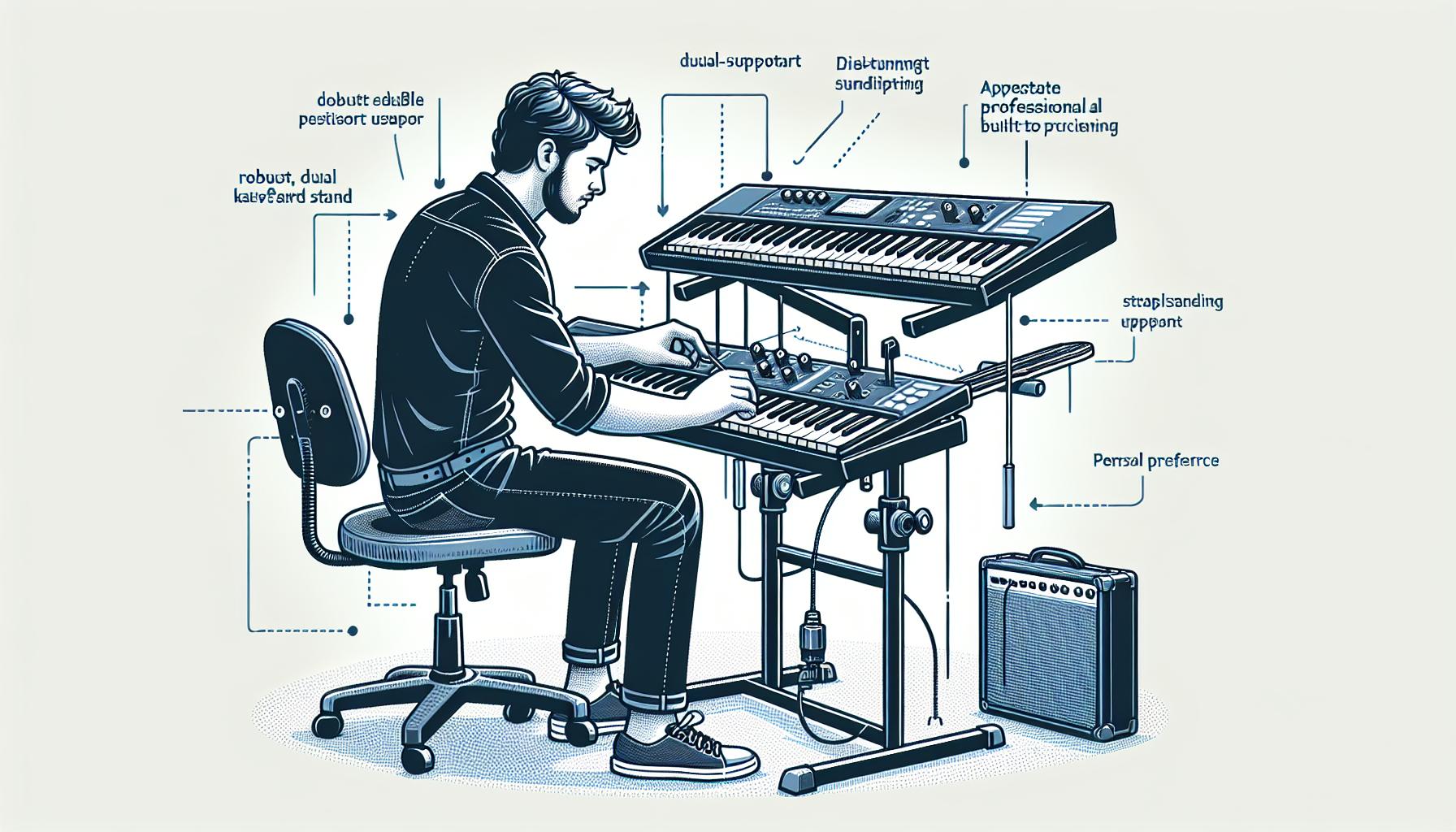
    Moreover, the right keyboard stand can enhance practice sessions by accommodating additional music-making tools. Some stands come with attachments for music sheets, laptops, or even another keyboard, enabling a more seamless and productive practice environment. This flexibility supports a beginner’s growth, allowing them to explore different aspects of music-making without limitations.

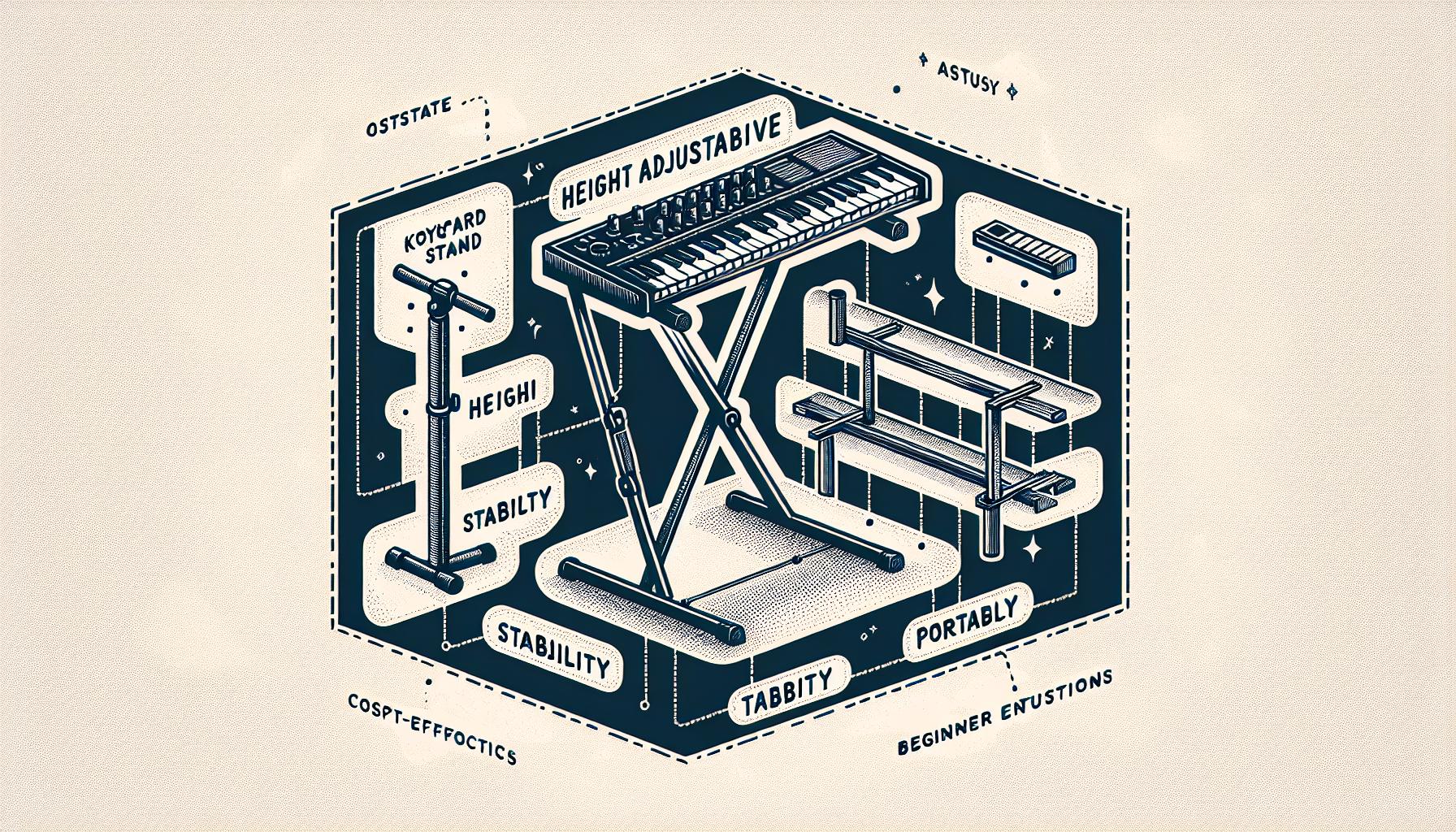
    For beginners, the journey into music is filled with discoveries and challenges. The choice of a keyboard stand might seem minor in the grand scheme, but it’s these details that lay the foundation for a fulfilling musical experience. The market offers a variety of stands, ranging from the simple and affordable to the feature-rich and premium. Key considerations include:

    • Height adjustability for ergonomic playing
    • Stability to prevent accidents
    • Portability for musicians on the go
    • Compatibility with the player’s keyboard and lifestyle
    Quality Importance
    Comfort Prevents strain and supports proper technique.
    Stability Ensures safety and confidence during practice.
    Flexibility Accommodates additional music-making tools.

    Factors to Consider When Choosing a Keyboard Stand

    When embarking on the journey to find the best keyboard stand, beginners might find the array of options overwhelming. However, focusing on a few key aspects can make this task more manageable and ensure that the selected stand complements their musical journey.

    Height Adjustability is paramount when selecting a keyboard stand. Everyone’s body is different, and playing in a comfortable position is crucial for both learning efficiently and preventing strain or injury. Whether sitting or standing, the ability to adjust the height of the keyboard stand can greatly impact a musician’s comfort and performance. This feature allows beginners to adapt the stand as they grow and their playing style evolves.

    Stability cannot be overstated. A wobbly stand can be a significant distraction and even deter a beginner from practicing. It’s essential that the stand can securely hold the keyboard, ensuring it remains immovable during use. This stability fosters a safe learning environment, allowing the musician to focus solely on their practice without the fear of the instrument tipping over.

    Another factor to consider is the Weight Capacity of the stand. Keyboards vary in weight, and choosing a stand that can support the weight of the particular keyboard is crucial. Overloading a stand not designed to hold a heavy keyboard can lead to accidents and potentially damage the instrument.

    Portability might also be a critical aspect, especially for musicians who plan to transport their instrument to lessons, performances, or practice sessions away from home. Some stands are designed to be lightweight and foldable, making them easy to carry and store. For those who anticipate moving their keyboard regularly, investing in a portable stand is a wise choice.

    Lastly, the Type of Stand needs to be considered. The market offers various designs, each with its pros and cons. X-stands are popular for their portability and affordability but may lack in stability for heavier keyboards. Z-stands offer excellent stability and space for pedal setups but can be heavier and more expensive. Double-braced stands strike a balance between stability and portability and are often a good choice for beginners.

    When choosing a keyboard stand, beginners should pay attention to:

    • Height Adjustability
    • Stability
    • Weight Capacity
    • Portability
    • Type of Stand

    Keeping these factors in mind will help beginners find a stand that not only supports their instrument securely but also promotes a comfortable and enjoyable learning experience.

    Top Budget-Friendly Keyboard Stands for Beginners

    When starting out on a musical journey, beginners often look for options that are easy on the wallet without compromising on quality. Finding a keyboard stand that fits this criterion can be challenging, yet there are several budget-friendly stands out there that tick all the necessary boxes for a beginner.

    X-Style Stands are a popular choice among beginners for several reasons. Not only are they affordable, but they also offer great stability and portability. Many models come with height adjustability features, making them suitable for musicians of all ages and sizes. Their compact design allows for easy storage and transport, an added bonus for those who may need to move their setup frequently.

    Model Price Range Key Features
    Basic X-Style $20 – $50 Lightweight, height adjustable, easy to transport
    Double-Braced X $40 – $70 Enhanced stability, durable, height adjustable

    Table-Style Stands are another excellent option for beginners looking for reliability at a lower cost. They offer a sturdy platform for the keyboard, reducing the risk of movement or tipping during use. Though they tend to be slightly more expensive than the X-style stands, their durability and the added surface area make them worth the extra investment for some.

    Model Price Range Key Features
    Basic Table-Style $50 – $80 Sturdy, wide surface area, usually foldable
    Heavy-Duty Table $70 – $100 Extra stability, capable of holding heavier keyboards

    In selecting a keyboard stand, beginners should consider not only the initial cost but also the stand’s adaptability to their growing skills and potentially increasing keyboard size. A stand that can grow with the musician represents a better long-term investment than one that might need to be replaced as the musician’s needs evolve.

    It’s also worthwhile to look out for stands that offer quick and easy adjustability. For young learners or those who share their instruments with other family members, being able to change the height of the keyboard stand without a hassle is a significant plus.

    Portable Keyboard Stands Ideal for Beginners on the Go

    For beginners who value mobility alongside their musical progression, portable keyboard stands emerge as an ideal solution. These stands are designed with the traveling musician in mind, ensuring that mobility does not sacrifice stability and reliability. Lightweight yet sturdy, these stands make setting up and breaking down a breeze.

    X-Style Portable Stands

    Among the most popular portable options are the X-Style Stands. Their collapsible design allows for easy transport and storage. Available in both single and double-braced versions, they cater to a range of keyboard weights. The double-braced models, in particular, offer additional stability, making them a preferred choice for heavier instruments. Many X-Style stands feature quick-release mechanisms, allowing for rapid height adjustments even during performances.

    Table-Style Portable Stands

    For those who seek a broader base for their setup, Table-Style Portable Stands present a fantastic alternative. Though slightly heavier than their X-Style counterparts, these stands provide unmatched surface stability, which is crucial during live performances or dynamic playing sessions. Modern designs have significantly reduced their bulk without compromising on the support they offer, ensuring they remain a top choice for performers on the move.

    Key Considerations for Portable Stand Selection

    When choosing a portable keyboard stand, several factors come into play:

    • Weight and Portability: Lighter stands are easier to carry, but ensure they can support your keyboard’s weight.
    • Adjustability: Look for stands that offer easy height adjustments to accommodate different playing styles and seating arrangements.
    • Stability: Opt for stands that provide a firm grip on the ground and your keyboard, especially for lively performances.
    Feature Importance for Beginners
    Weight High
    Portability High
    Adjustability High
    Stability Critical

    Compatibility and Growth

    It’s crucial to select a stand that not only fits the beginner’s current keyboard but also accommodates potential upgrades. As beginners develop their skills, they might opt for larger keyboards that demand more robust support. Portable stands that offer a range of adjustability and compatibility with different models ensure that the initial investment continues to benefit the musician’s journey.

    Key Features to Look for in a Keyboard Stand for Beginners

    When embarking on their musical journey, beginners may find the vast array of keyboard stands daunting. However, understanding the key features to look for can streamline the selection process and ensure they get a stand that not only supports their instrument but also their growth as a musician.

    Adjustability is paramount. As beginners hone their skills, they’ll spend countless hours at their keyboard. An adjustable stand ensures they can maintain an ergonomic posture, preventing strain and fostering longer, more productive practice sessions. Look for stands that offer easy height and width adjustments to accommodate both the player’s physical needs and different keyboard sizes.

    Stability cannot be overstated. A wobbling stand can distract from practice and, in worst-case scenarios, lead to accidents. Beginners should opt for stands with a solid construction and a weight capacity that surpasses their keyboard’s weight. The base’s design, be it X-style or table-style, plays a crucial role. Table-style stands typically provide more surface stability, making them a safe bet for heavier keyboards or vigorous playing styles.

    Portability is another vital aspect, especially for beginners who may take their keyboard to lessons or performances. Lightweight stands with a collapsible design make transportation a breeze without sacrificing stability. For those constantly on the move, quick-release mechanisms can save precious time during setup and takedown.

    Lastly, compatibility with the beginner’s current and potential future keyboards guarantees a lasting investment. In the fast-paced world of music technology, upgradeability is an asset. A stand that accommodates various models and sizes allows beginners to explore different keyboards without the need to purchase a new stand each time.

    Weight, portability, adjustability, and stability are not mere conveniences; they are essentials that can significantly impact a beginner’s learning experience. Choosing a stand that ticks all these boxes means beginners can focus on what truly matters: their music. Alongside these considerations, beginners should also weigh the stand’s compatibility and potential for growth. Investing in a stand that can grow with them ensures they’re not hindered by their equipment as they progress through their musical journey.

    Conclusion

    Choosing the right keyboard stand is a pivotal step for any beginner eager to embark on their musical journey. It’s not just about having a stand; it’s about finding one that grows with them, supports their posture, and ensures every practice session is as productive as possible. Remember, a stand that’s adjustable, stable, portable, and compatible isn’t just an accessory—it’s a companion on the path to musical mastery. So take the time to pick wisely and watch as it transforms the learning experience into something truly harmonious.

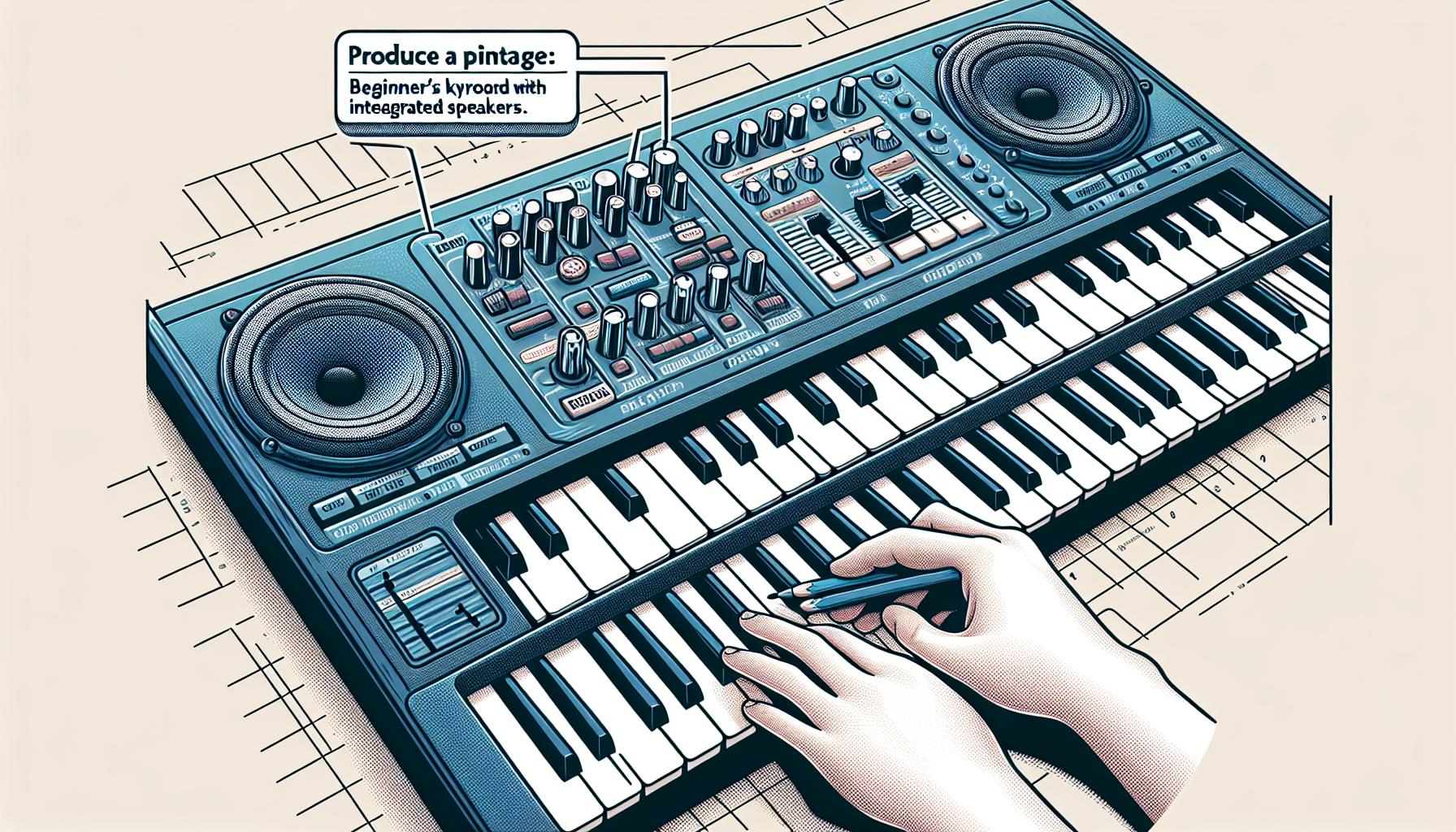
  • 5 Tips for Mastering a Beginner Keyboard with Built-In Speakers

    5 Tips for Mastering a Beginner Keyboard with Built-In Speakers

    Stepping into the world of music can be as thrilling as it is daunting, especially for those just beginning their journey. A beginner keyboard with built-in speakers offers a gateway into this world, combining convenience with the joy of creating music. It’s the perfect starting point for anyone looking to tickle the ivories without the commitment of a grand piano.
    These keyboards are not just about hitting the right notes; they’re about exploration and fun. With a variety of sounds and rhythms at their fingertips, beginners can experiment and find their musical voice. It’s an inviting first step that promises the thrill of music-making to novices and seasoned enthusiasts alike.

    Benefits of a Beginner Keyboard with Built-in Speakers

    When embarking on a musical journey, having the right equipment can make all the difference. Beginner keyboards with built-in speakers offer numerous advantages that can significantly enhance the learning experience. These instruments are designed with the novice in mind, blending functionality with ease of use to create an environment where creativity and exploration flourish.

    One of the foremost benefits of opting for a keyboard with built-in speakers is the elimination of extra gear. Typically, playing an electronic keyboard requires an external amplifier or speakers to produce sound. However, with built-in speakers, learners can dive straight into practice without worrying about additional connections or equipment. This not only simplifies the setup process but also makes the keyboard highly portable. Learners can play anywhere, from their bedroom to a friend’s house, without lugging around heavy equipment.

    Moreover, these keyboards often come with a variety of pre-programmed sounds and rhythms, allowing beginners to experiment with different musical styles. Whether it’s jazz, classical, or rock, learners can explore various genres at the touch of a button. This exposure is crucial in developing a broad musical palate and can inspire a deeper interest in music.

    In addition to sounds, many beginner keyboards offer built-in learning tools. Features such as light-up keys, step-by-step lessons, and integration with music learning apps provide an interactive experience that can accelerate the learning process. For those who prefer self-teaching, these tools can be invaluable, offering guidance and feedback without the need for a personal tutor.

    Feature Benefit
    Built-in Speakers Eliminates the need for external equipment
    Variety of Sounds Encourages exploration of different musical styles
    Learning Tools Facilitates self-teaching and speeds up learning

    Financially, these keyboards represent a cost-effective entry point into the world of music. Investing in a full-sized piano or a high-end keyboard can be quite expensive, especially for beginners who are still gauging their interest in music. A beginner keyboard with built-in speakers provides the essential features needed to start playing at a fraction of the cost. This makes starting a musical hobby more attainable and less daunting.

    Features to Look for in a Beginner Keyboard

    When venturing into the world of musical exploration, selecting the right beginner keyboard can be pivotal. Among a myriad of options, certain features stand out for their ability to enhance the learning experience. Understanding these can make the decision process smoother and ensure that budding musicians have everything they need to start on the right note.

    Built-In Speakers are at the top of the list. They remove the hassle of external attachments, making it easy for learners to practice anytime, anywhere. The quality of these speakers varies, so it’s worth looking for keyboards that offer clear and loud enough sound for a fulfilling practice session.

    Touch Sensitive Keys present another critical feature. They respond to the pressure applied, mimicking the dynamics of an acoustic piano. This responsiveness is crucial for developing expressive playing and understanding the subtleties of soft and loud playing.

    A Wide Range of Sounds and Rhythms allows learners to explore different musical genres, from classical to pop, jazz to electronic. This variety not only keeps practice sessions engaging but also introduces learners to the vast world of music, aiding in the development of a well-rounded musical taste.

    An often-overlooked feature is the Integration of Learning Tools. Keyboards that come with light-up keys, built-in lessons, or apps can accelerate the learning process. They offer a visual aid and step-by-step guidance that can be especially beneficial for self-taught musicians.

    Feature Benefit
    Built-In Speakers Eliminates need for external gear, enhances portability
    Touch Sensitive Keys Mimics acoustic piano, develops expressive playing
    Varied Sounds/Rhythms Encourages exploration of genres, broadens musical scope
    Learning Tools Facilitates self-teaching, accelerates learning curve

    Connectivity options such as USB/MIDI ports might not seem crucial at first glance, but they offer significant advantages. They allow the keyboard to connect to computers and mobile devices, opening up a world of digital learning resources and recording possibilities. This feature ensures that as learners advance, their keyboard can still serve as a valuable tool, bridging the gap between beginner and intermediate levels.

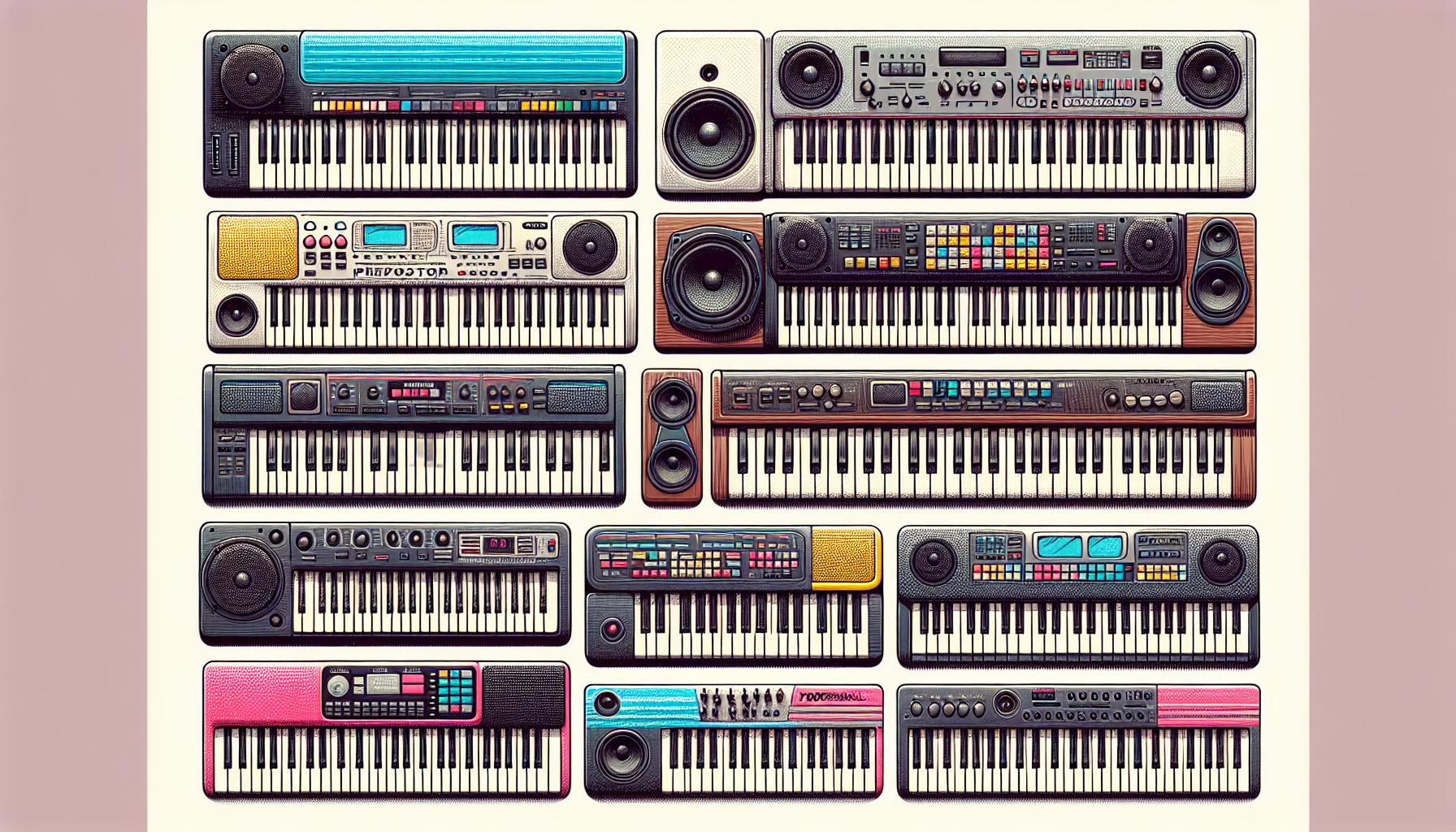
    Top Beginner Keyboard Models with Built-in Speakers

    When stepping into the world of music, having the right instrument can make all the difference. For beginners, keyboards with built-in speakers offer the convenience of portability and the immediacy of sound without needing extra equipment. Here are some top models that strike the perfect harmony between quality, features, and price.

    Yamaha PSR-E273

    Known for its rich features and excellent sound quality, the Yamaha PSR-E273 is an ideal choice for novices. It boasts a wide array of 400 voices and 130 styles, making it incredibly versatile for its price point. The Quiz Mode turns learning into an engaging game, enhancing the beginners’ experience. Moreover, it’s equipped with Yamaha’s own Ultra-Wide Stereo technology, ensuring a grand sound from its modestly sized built-in speakers.

    Casio CT-S300

    Casio’s CT-S300 stands out for its touch-sensitive keys, a crucial feature for those aspiring to play the piano seriously. It’s particularly friendly for beginners with its dance music mode that allows users to create and remix electronic dance music effortlessly. The built-in carry handle, lightweight design, and strap pins for playing on the go highlight its ultimate portability.

    Alesis Recital 61

    The Alesis Recital 61 offers 61 full-sized keys and is powered by Alesis’s acclaimed sound engine, featuring 10 premium voices. What makes it unique is its 20W built-in speakers, delivering a powerful sound that is uncommon in keyboards aimed at beginners. Additionally, its Lesson Mode divides the keyboard into two areas with the same pitch and voice, facilitating instructor-student or parent-child learning.

    RockJam RJ761

    The RockJam RJ761 is a complete package for those starting their musical journey. It includes a keyboard stand, stool, and sustain pedal, making it ready to use right out of the box. The RJ761 features 200 rhythms and 50 demo songs, plus it comes with a month’s free membership to JoyTunes’ Simply Piano app. This coupling of physical and digital learning resources can significantly boost a beginner’s progress.

    Model Key Features Voices Rhythms Special Features
    Yamaha PSR-E273 Ultra-Wide Stereo, Quiz Mode 400 130 Game-like Learning

    Tips for Getting Started with a Beginner Keyboard

    Venturing into the world of music through a keyboard is an exciting journey. To make the most out of this experience, beginners should consider several practical tips that can significantly enhance their learning curve.

    First and foremost, setting a regular practice schedule is key. Just like any new skill, consistency is crucial. Ideally, they should aim for at least 20 to 30 minutes of practice per day. This doesn’t have to be a daunting task. Breaking it into shorter, manageable sessions can make practice feel less overwhelming and more enjoyable.

    Secondly, beginners should explore the different voices and rhythms their keyboard offers. Most beginner keyboards come with an array of pre-set sounds and backing tracks. Experimenting with these can not only be fun but also inspirational, allowing learners to discover various musical styles and sounds. This exploration can also spark creativity and a deeper understanding of music composition.

    Another helpful practice is to utilize online resources and apps. There’s a wealth of free and paid tutorials, lesson plans, and interactive games designed to complement physical practice. These resources are not just supplementary; for many beginners, they’re a crucial part of their learning, offering visual and auditory guidance that can accelerate the understanding of music theory and technique.

    For learners who prefer a structured approach, considering a teacher or a music course might be beneficial. A good teacher can provide personalized feedback, help set realistic goals, and address specific areas of improvement. While self-teaching is entirely possible, guided instruction can often lead to faster progress and a more solid foundation.

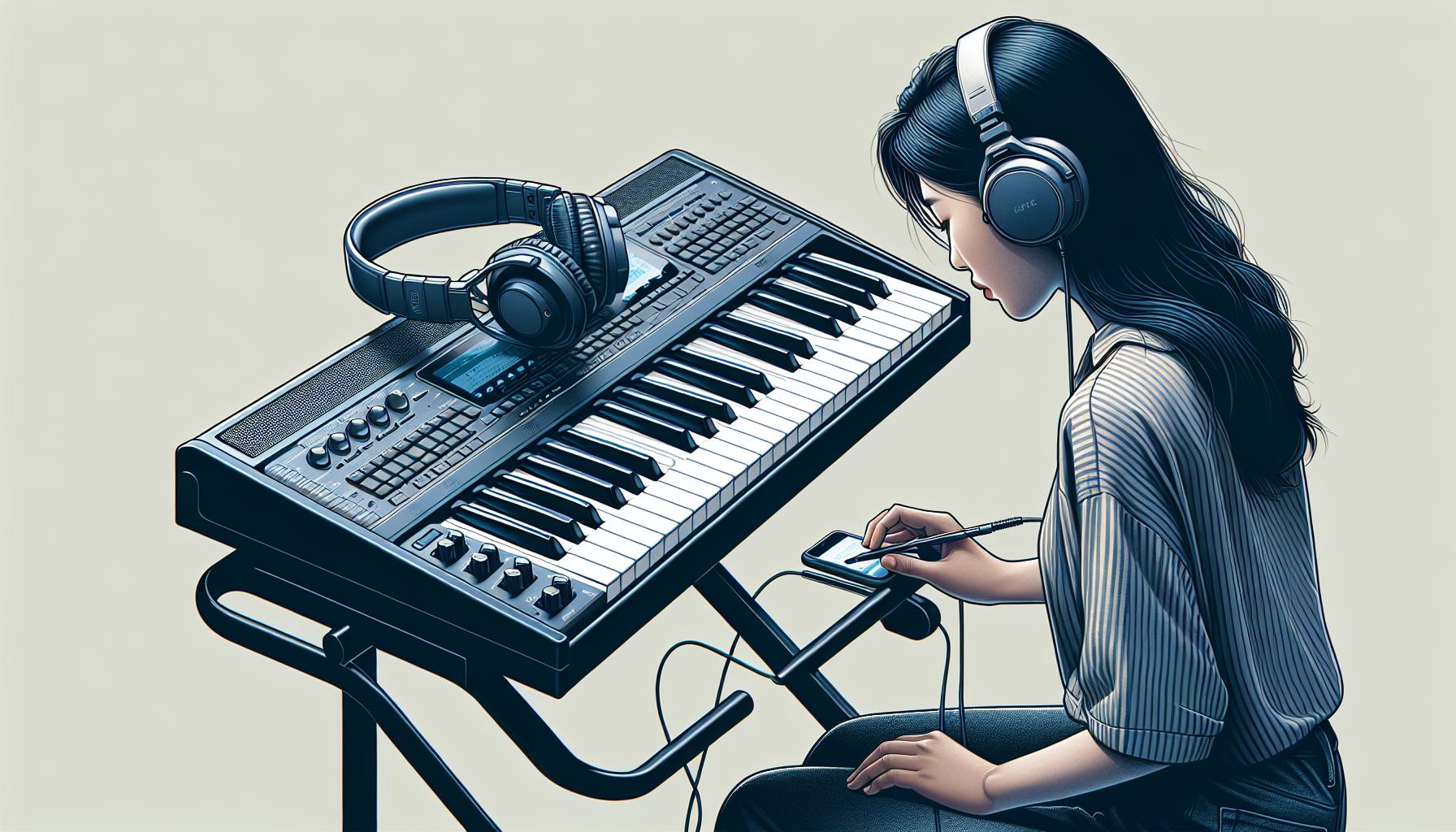
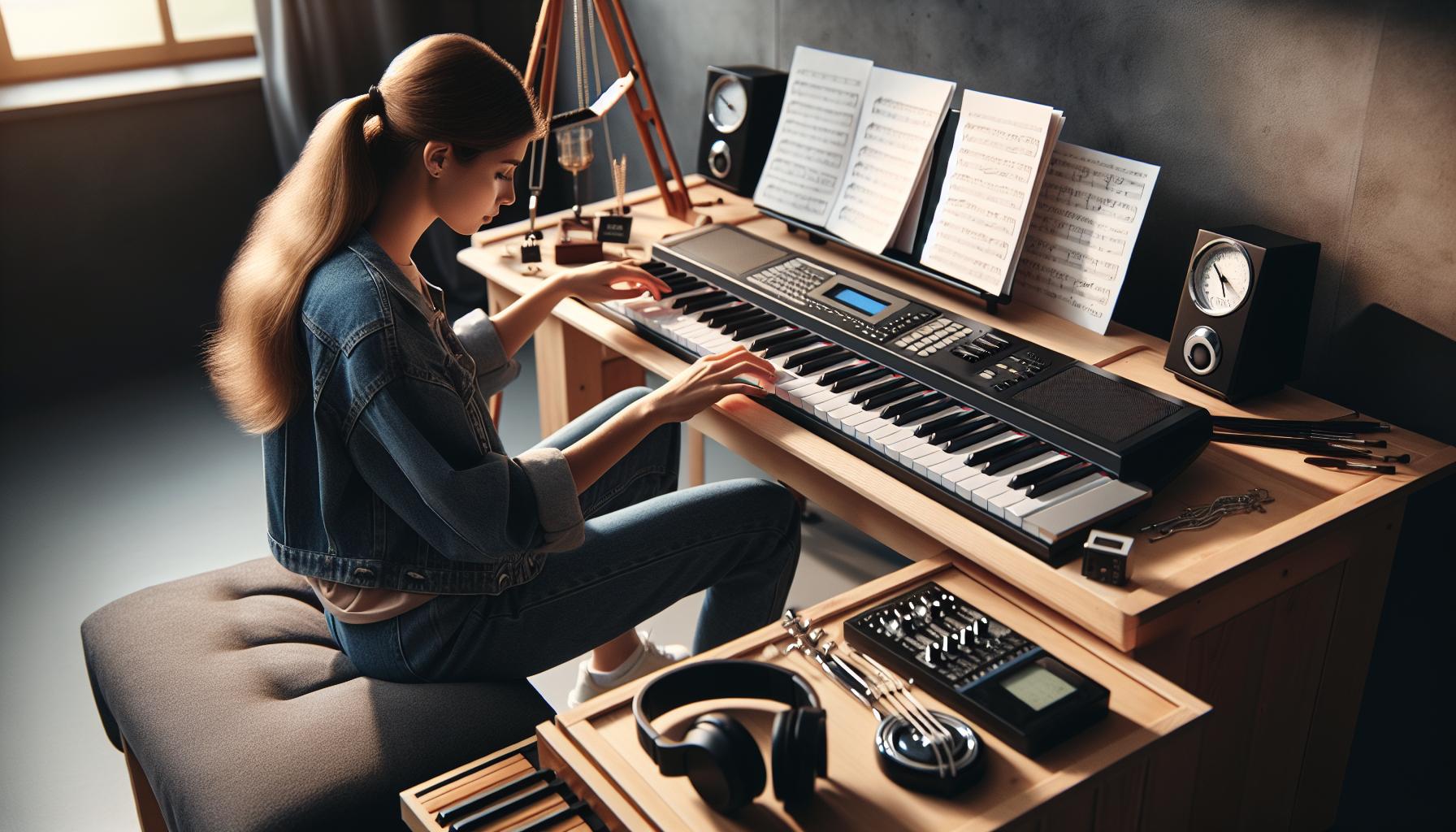
    Lastly, beginners shouldn’t overlook the importance of having the right accessories. A sturdy stand, a comfortable bench, and quality headphones can make practice sessions more comfortable and productive. Additionally, investing in a metronome, either digital or mechanical, can greatly help with rhythm training and tempo control.

    Diving into keyboarding with a clear plan and the right resources can make the learning process both effective and delightful. Beginners should embrace the journey, celebrate small victories, and remain patient and persistent in their practice.

    Conclusion

    Embarking on the journey of learning to play the keyboard is both exciting and rewarding. With the right approach and tools, beginners can make significant strides in their musical education. Remember, the key to mastering any instrument lies in dedication and the willingness to explore and experiment. By following the tips outlined, learners are well-equipped to navigate the early stages of their musical journey. Let’s embrace the adventure with enthusiasm, knowing that every practice session brings us one step closer to our goals. Happy playing!

  • Top Beginner Synth Keyboards for Learning: Tips & Picks

    Top Beginner Synth Keyboards for Learning: Tips & Picks

    Diving into the world of music with a synth keyboard can be both exhilarating and a bit daunting for beginners. It’s like stepping into a new universe where the possibilities of creating sound are endless. But with the right beginner synth keyboard, learning the ropes can be more of an exciting adventure than a steep challenge.

    Choosing the perfect starter synth doesn’t have to be a puzzle. It’s all about finding that sweet spot between user-friendly features and the ability to grow with you as your skills flourish. Whether you’re dreaming of producing electronic masterpieces or simply looking to add a new dimension to your musical repertoire, the journey starts with that first keystroke.

    Understanding Synth Keyboards

    Entering the realm of synth keyboards opens up a fascinating world of musical exploration and creativity. For beginners, understanding the basic components and functionalities of these instruments is crucial for a fulfilling learning experience.

    Synth keyboards, at their core, are electronic instruments designed to generate sound. They do this through various methods such as analog synthesis, digital synthesis, and sometimes a hybrid of both. The beauty of synthesis lies in its ability to produce a vast range of sounds—from emulating traditional instruments like pianos and strings to creating entirely new, never-before-heard auditory experiences.

    One key aspect beginners should grasp is the difference between analog and digital synths:

    • Analog Synths generate sounds through analog circuitry and often have a warmer, more ‘organic’ tone.
    • Digital Synths use digital signal processing (DSP) to create sounds and offer greater versatility and stability.

    For those starting, digital synths might be more appealing due to their preset sounds and built-in learning features like step sequencers and tutorials. These tools can greatly assist in understanding music theory and composition.

    Another critical factor for beginners is the keyboard’s layout and the number of keys. Most beginner synth keyboards come in sizes ranging from 25 keys (2 octaves) to 61 keys (5 octaves). While smaller keyboards are more portable and cost-effective, larger keyboards provide a fuller range, allowing for more complex compositions. Here’s a quick reference:

    Number of Keys Octaves Best For
    25 2 Portability and simplicity
    37 3 Balance of range and size
    49 4 Intermediate compositions
    61 5 Full range and complexity

    Touch sensitivity is another feature that can greatly impact the playing experience. Keyboards with this capability can respond to the force of your touch, producing louder sounds when played hard and softer sounds when played gently, similar to an acoustic piano. This dynamic control is essential for expressing emotions through music.

    Connectivity options are also vital for modern musicians. Many beginner synth keyboards come equipped with USB MIDI connections, allowing them to easily interface with computers and other digital devices. This connectivity enables beginners to explore music production software, expanding their creative possibilities.

    Key Features to Look For

    When embarking on the journey to find the perfect beginner synth keyboard, there are several key features that one should keep an eye out for. These features not only make learning more manageable but also ensure that the instrument can grow with the user as they advance in skill.

    Polyphony is one of the first aspects to consider. Polyphony refers to the number of notes a synth can play at once. Beginners might not need a high polyphony count right off the bat, but having a keyboard that offers a decent range ensures that as one’s skills develop, they won’t be immediately limited by their instrument.

    Feature Ideal Range
    Polyphony 8 to 32 notes
    Keys 61-88 keys
    Connectivity USB, MIDI, Audio Out

    Another critical factor is the number of keys. Most full-size keyboards come with 88 keys, mimicking a traditional piano layout. However, beginners might find smaller options, such as 61 or 76 keys, more manageable and less intimidating. These sizes still offer plenty of range for learning and practice, plus they’re more portable.

    The type of keys also plays a pivotal role. Weighted or semi-weighted keys can provide a more realistic piano feel, which can be beneficial for beginners who later wish to transition to playing an acoustic piano. On the other hand, synth-action keys might be lighter and easier for creating dynamic electronic music.

    Connectivity options shouldn’t be overlooked, either. A synth with USB, MIDI, and audio out connections offers flexibility for recording, live performances, and integrating other gear into one’s setup. It’s also handy for accessing digital learning resources and software that can enrich the learning experience.

    Beginners should also look for synths that offer a range of built-in sounds and effects. These features allow for experimentation and can help keep practice sessions engaging and fun. The ability to layer sounds and use effects can greatly enhance the creativity of the music-making process, making it more enjoyable and rewarding.

    Lastly, don’t forget the importance of learning and practice features. Many beginner synth keyboards come with built-in lessons, metronomes, and songs. These tools can be incredibly valuable for self-learners, providing structured guidance and helping to develop timing and rhythm skills.

    • Built-in Lessons: Assist in learning fundamentals.
    • **Metronome

    Best Beginner Synth Keyboards on the Market

    When venturing into the world of synthesizers, the array of options can be overwhelming. However, there are a few standout beginner synth keyboards that strike the perfect balance between functionality, ease of use, and affordability. These selections not only cater to budding musicians’ needs but also offer room for growth and exploration.

    Yamaha Reface CS is a popular choice among beginners due to its intuitive layout and rich sound palette. With its 8-note polyphony, this compact synth allows for layered sounds and complex chords. The Reface CS shines in its simplicity, making it an ideal learning tool while providing enough depth for creative exploration. It boasts a range of onboard sounds and effects, eliminating the need for immediate additional equipment.

    The Roland JD-Xi combines analog and digital synthesis in one machine, offering a powerful, versatile tool for learners. With a 37-mini key layout, it’s easily portable yet packed with features. The JD-Xi includes a built-in drum machine and vocal FX, allowing beginners to experiment with composing full tracks. Its 128-note polyphony ensures that learners won’t quickly outgrow the synth.

    For those leaning towards software integration, the Novation MiniNova is an excellent fit. It’s not just its 37 synth-action keys that make it great for learners, but its extensive connectivity options including USB, MIDI in/out, and audio out make it ideal for those looking to dive into recording and production. The MiniNova comes with a massive range of sounds, and its Vocoder functionality adds an exciting layer to vocal processing.

    Here are a few standout features of these beginner synth keyboards:

    Feature Yamaha Reface CS Roland JD-Xi Novation MiniNova
    Polyphony 8 Notes 128 Notes Depends on Patches
    Number of Keys 37 Mini 37 Mini 37 Synth-Action
    Connectivity MIDI, USB MIDI, USB MIDI, USB, Audio Out
    Built-in Sounds Yes Yes Yes
    Portability High Medium High

    Tips for Learning and Improving Your Skills

    For those embarking on the journey of learning the synth keyboard, some fundamental practices can significantly enhance the learning curve. Understanding that each musician’s journey is unique, these tips aim to provide a holistic approach underpinning skill development and creativity.

    Start with the Basics

    It’s easy to jump ahead to complex compositions and soundscapes, but mastering the foundations is key. Begin with simple melodies and chords. They don’t just help in building muscle memory but also in understanding the relationship between different sounds and how they come together to create music. Grasping the basics strengthens your ability to explore and innovate as your skills advance.

    Practice Regularly

    Consistency is the cornerstone of mastery. Setting aside time each day for practice doesn’t only solidify what you’ve learned but also encourages continuous improvement. Even short, focused sessions are more beneficial than sporadic, lengthy ones. They’ve made practice less overwhelming and more a part of daily routine, gradually building both confidence and capability.

    Explore Different Genres

    The versatility of synth keyboards allows for exploration across various musical genres, each with its unique sound palette and playing techniques. Diving into genres outside of your comfort zone can unlock new creative potentials and broaden your understanding of musicality. It’s not just about playing different sounds, but about experiencing and integrating diverse emotional expressions and rhythmic patterns into your playing.

    Utilize Online Resources and Tutorials

    We live in an age where a vast array of learning materials is readily accessible. Online tutorials, forums, and courses offer insights from seasoned musicians and connect you with a community of learners. These resources can provide novel techniques, inspiration for sound design, and practical advice for troubleshooting common challenges. They’re invaluable for self-taught musicians and those seeking to supplement formal lessons.

    Experiment with Sound Design

    Synthesizers are not just instruments but also powerful tools for sound creation. Experimenting with different settings, waveforms, and effects can lead to the discovery of unique sounds and textures. It’s a process that encourages creativity and a deeper understanding of the synth’s capabilities. Engaging in sound design not only makes your music more personal but also enhances your technical proficiency with the instrument.

    Exploring Advanced Features

    Once beginners have mastered the essentials of playing synth keyboards, delving into the advanced features these instruments offer can significantly enhance their playing and sound design capabilities. Many beginner synth keyboards come equipped with a range of functions beyond the basic keys and sounds, which, when explored, can open up a whole new realm of musical creativity.

    Advanced Sound Manipulation

    One of the most exciting aspects of synthesizers is the ability to tweak and manipulate sounds to create something truly unique. Beginner models like the Yamaha Reface CS and Novation MiniNova provide users with options to alter waveforms, apply filters, and adjust envelopes. Learning how these parameters affect the sound can give budding musicians a deeper understanding of synthesis.

    • Waveforms control the basic character of the sound
    • Filters can remove certain frequencies to shape the sound
    • Envelopes influence how the sound behaves over time

    Spending time experimenting with these features, even on a smaller, more affordable keyboard, can significantly improve one’s ability to craft personalized sounds.

    Sequencers and Arpeggiators

    Sequencers and arpeggiators are tools that automate note patterns and rhythms, adding complexity to compositions with minimal effort. For example, the Roland JD-Xi comes with a built-in sequencer that can record and playback note sequences, making it a powerful feature for both learning and composition. Arpeggiators, on the other hand, take chords and automatically play the individual notes in a sequence, offering a quick way to create dynamic and engaging soundscapes.

    Understanding how to use these tools effectively can add depth to one’s music, fostering both compositional and performance skills.

    Connectivity and Integration

    In today’s digital age, the ability to connect a synth keyboard to external devices and software can greatly expand its functionality. Most beginner synth keyboards offer some form of connectivity, whether it’s through traditional MIDI ports or USB connections. This allows for integration with digital audio workstations (DAW), enabling recording, sound editing, and even access to virtual instruments.

    Exploring software integration can also introduce beginners to the world of music production, further broadening their musical capabilities. It’s fascinating to discover how a simple keyboard can transform into an entire studio setup with the right tools and understanding.

    Conclusion

    Choosing the right beginner synth keyboard is a journey that opens up a world of musical possibilities. With options like the Yamaha Reface CS, Roland JD-Xi, and Novation MiniNova, there’s a perfect fit for every aspiring musician’s needs and preferences. The journey doesn’t stop at the purchase, though. It’s about diving into the basics, committing to regular practice, and constantly pushing the boundaries of creativity and technical skill. By exploring various genres, delving into sound design, and leveraging technology, learners can transform their musical ideas into reality. The path from beginner to proficient synth player is filled with discovery, growth, and the joy of creating music that resonates. So, grab a synth and start this exciting musical adventure today!

  • Beginner’s Guide to Keyboards with Microphone Input: Setup & Tips

    Beginner’s Guide to Keyboards with Microphone Input: Setup & Tips

    In today’s tech-savvy world, combining music with technology opens up a universe of creativity, especially for beginners. A keyboard with microphone input is a game-changer, offering an all-in-one solution for those eager to explore the realms of music and voice. It’s not just about hitting the right notes; it’s about adding your voice to the melody, creating something truly unique.

    For beginners, the thought of navigating through the vast options of musical keyboards can be daunting. But fear not! There’s a perfect match for everyone, from those just dipping their toes into the musical world to budding musicians ready to take their first step into recording and performance. Let’s dive into the world of keyboards with microphone inputs, where every keystroke and vocal note opens the door to endless possibilities.

    Benefits of a Keyboard with Microphone Input

    When beginners choose a keyboard with a microphone input, they’re not just investing in an instrument; they’re opening the door to a world brimming with creative potential. This combination not only simplifies the setup required to explore both singing and playing but also encourages a more immersive experience in music creation.

    One of the primary advantages is the ease of use. For those just stepping into the realm of music, complicated setups can be daunting. A keyboard with a built-in microphone input eliminates the need for multiple devices, making the initial foray into music creation as straightforward as possible. This simplicity ensures that beginners can focus on what matters most: learning and enjoying music.

    Furthermore, the integration of a microphone input with a keyboard offers a significant benefit in versatility. It allows users to experiment with not just instrumental melodies but also to incorporate vocals. This duality can lead to a deeper understanding of how songs are structured and how instrumental and vocal harmonies complement each other.

    The creativity boost that comes from the ability to easily add vocals to keyboard play cannot be overstated. Beginners find that they can experiment with different sounds, genres, and techniques, leading to a more rounded musical education. They aren’t just practicing scales and chords; they’re creating music that feels fully theirs, often leading to a more profound emotional connection to their work and a stronger motivation to continue learning.

    Moreover, compatibility with learning and recording software adds another layer of convenience and potential. Many keyboards with microphone inputs can connect to computers and smartphones, enabling beginners to record their creations, share them, and even dive into the world of digital music production. This connectivity is crucial in the modern music-making landscape, offering a seamless transition from practice to performance or recording.

    Lastly, value for money is a significant consideration. Equipment costs can quickly accumulate for those new to music. Opting for a keyboard with a microphone input is a cost-effective choice that provides a multifunctional tool for both learning music and experimenting with voice, eliminating the need for additional expensive gear.

    Advantage Impact
    Ease of Use Simplifies setup, making music more accessible
    Versatility Encourages exploration of both instrumental and vocal music
    Creativity Boost Fuels experimentation and personal connection to music
    Compatibility with Software

    Choosing the Right Keyboard for Beginners

    When embarking on the musical journey, selecting the right keyboard is pivotal for beginners. The sheer variety of options available can be overwhelming. However, focusing on a few key features can simplify this process, ensuring the chosen instrument perfectly aligns with their aspirations and learning curve.

    Firstly, keyboard size plays a crucial role. For beginners, a 61-key keyboard is often recommended. It provides ample range for exploring various musical genres without the intimidation of a full 88-key piano. This size strikes a balance, offering enough keys to learn, play most songs, and understand basic music theory, without overwhelming the user.

    Touch sensitivity is another vital feature. Keyboards with touch-sensitive keys respond differently depending on how hard they’re pressed, much like an acoustic piano. This feature is essential for beginners as it fosters dynamic playing and a more expressive performance, laying the groundwork for advanced techniques.

    The inclusion of a microphone input cannot be overstated. This feature offers beginners the unique advantage of integrating vocals with their keyboard play. It allows them to experiment with singing while playing, which can be vastly beneficial for ear training and musical multitasking. Moreover, a microphone input paves the way for engaging in digital music production, offering a glimpse into the world of music technology.

    Moreover, considering preloaded sounds and rhythms can greatly enhance a beginner’s learning experience. Keyboards equipped with a variety of instrumental sounds, from strings to percussion, and built-in rhythms or drum patterns stimulate creativity. They invite users to explore different music styles and understand various musical structures. For beginners, this exploration is key to finding their musical preferences and inspiring continuous learning.

    Connectivity options such as MIDI or USB ports are equally important. They allow the keyboard to connect to a computer or mobile device, opening up a plethora of learning and recording software options. This compatibility not only aids in practicing and composing but also in sharing music, receiving feedback, and participating in online learning communities.

    Lastly, durability and portability should be considered. For beginners, especially younger players or those who might need to transport their instrument to lessons or performances, having a robust yet lightweight keyboard is beneficial. It ensures the instrument can withstand the initial learning phase and any travels it might accompany its player on.

    Exploring Features and Functions

    When delving into the world of music keyboards, especially for beginners, one can’t help but be amazed by the plethora of features and functions available. Among these, a keyboard with a microphone input stands out as an incredibly versatile tool. This feature not only promotes the integration of singing and playing but also paves the way for exciting opportunities in music education and creative expression.

    Keyboards tailored for beginners often come equipped with a range of functions designed to enhance the learning experience. Touch sensitivity is a prime example. This function, which allows the volume of the note to change depending on how hard the key is pressed, is crucial for developing dynamic playing skills. It teaches beginners the nuances of expressive playing, laying a foundation for more advanced techniques.

    Another significant feature is the array of preloaded sounds and rhythms. For learners, this is akin to having a whole orchestra at their fingertips. It enables them to explore various musical styles, from classical to pop, jazz to electronic. This exploration is not just fun but educational, broadening their musical horizons and keeping the learning process engaging.

    Connectivity options like MIDI or USB ports are like gateways to the digital music world. They allow the keyboard to connect to computers or tablets, giving beginners access to a vast array of music learning and production software. This connectivity fosters a deeper understanding of music theory, composition, and arrangement, making it an invaluable feature for those keen on delving into music production or simply wanting to record their progress.

    The importance of durability and portability cannot be overstated. For beginners, especially younger learners, a keyboard that can withstand the rigors of regular practice and is easy to transport is crucial. It ensures that the instrument remains a constant companion, whether at home, in the classroom, or on stage.

    Feature Importance
    Microphone Input Allows for vocal integration, aiding in ear training and digital music production.
    Touch Sensitivity Enhances dynamic playing, teaching the nuances of expressive playing.
    Preloaded Sounds and Rhythms Encourages exploration of different music styles, keeping learning engaging.
    MIDI/USB Connectivity Facilitates connection to learning and recording software, deepening music theory understanding.
    Durability and Portability Ensures the keyboard withstands regular use and is easy to transport for lessons or performances.

    Tips for Using the Microphone Input Effectively

    Integrating a microphone into keyboard practice sessions can transform the learning experience for beginners. It not only allows them to accompany their own singing or speaking but also opens up a myriad of creative possibilities. Here are some invaluable tips for beginners to make the most out of their keyboard’s microphone input.

    Firstly, they should ensure the microphone is compatible with their keyboard. Most keyboards with a microphone input require a specific type of microphone, usually a dynamic mic, which is known for its durability and ability to handle high sound pressure levels. Checking the keyboard’s manual for compatibility and connection guidelines is a wise first step.

    Positioning the microphone correctly is crucial. It should be placed at a comfortable distance where it can clearly capture the voice without any distortion or unwanted noise. Beginners might need to experiment with different positions to find the sweet spot where their vocals blend seamlessly with the sound of the keyboard.

    Adjusting the volume levels is another key factor. The balance between the microphone and keyboard’s volume should be such that neither overpowers the other. Beginners should start with lower volumes, gradually increasing them to reach the desired mix where their voice harmonizes with the music.
    Moreover, engaging with the built-in features of the keyboard can enrich the learning and performing experience. Many keyboards come with effects like reverb or echo that can enhance vocals. Experimenting with these effects can not only make practicing more enjoyable but also help in understanding how to layer sounds effectively.

    Exploring the range of genres and songs that incorporate keyboard and vocals is also beneficial. This can inspire beginners and help them discover the styles that resonate most with them, encouraging consistent practice and exploration.

    Lastly, recording sessions can be incredibly valuable. Most modern keyboards with a microphone input offer recording capabilities. Listening back to these recordings can provide beginners with feedback on their progress, highlight areas for improvement, and boost their confidence.

    In essence, using the microphone input effectively comes down to experimentation, practice, and creative exploration. These tips aim to enhance the learning journey for beginners as they embark on the exciting path of integrating singing or speaking into their keyboard play.

    Setting Up for Recording and Performance

    Setting up for recording and performance with a keyboard that features a microphone input can initially seem daunting for beginners. However, with a few straightforward steps, they’ll quickly find themselves creating music that not only sounds great but feels professionally done.

    The first step is ensuring that all the necessary equipment is in place. This includes the keyboard itself, a compatible microphone, and, if required, an audio interface to connect the microphone to the keyboard. For keyboards that don’t support direct microphone input, an audio interface acts as a bridge, ensuring the microphone’s sound can be incorporated seamlessly.

    Next, positioning is key. Beginners should place the microphone close enough to capture their voice clearly but at a distance that prevents popping sounds or breathing noises from being too prominent. It’s a delicate balance that is often found through trial and error. Equally, the keyboard should be positioned in a comfortable place, allowing for easy access to its controls during performance or recording.

    Volume levels are another crucial consideration. They need to adjust the volume of both the microphone and the keyboard to achieve a harmonious blend of vocals and instrumentals. This might mean turning down the volume of the keyboard to allow the vocals to shine through or vice versa, depending on the desired effect.

    After these preparations, it’s time to dive into the built-in recording features most keyboards with microphone inputs offer. They should familiarize themselves with the recording process, understanding how to start, pause, and stop recording as needed. This understanding enables them to capture their performances effectively, allowing for immediate playback and evaluation.

    Experimentation plays a significant role in this stage. They’re encouraged to try recording different genres of music, incorporating the use of built-in effects, and even layering multiple vocal tracks if possible. This exploration not only enhances their skill set but also aids in discovering their unique sound.

    For those aiming to perform live, it’s essential to practice with the microphone and keyboard setup just as they would during a performance. This means running through their set, making any necessary adjustments to their setup, and becoming comfortable with the transitions between speaking or singing and playing.

    Additionally, they should not overlook the importance of sound checks before a live performance. This involves testing the microphone and keyboard setup on the actual performance sound system to ensure everything works perfectly and adjusting the sound levels as needed to suit the venue.

    Conclusion

    Venturing into the world of keyboards with microphone inputs opens up a new realm of musical exploration for beginners. With the right setup and a bit of practice, anyone can blend instrumental and vocal performances seamlessly. Remember the importance of experimenting with your sound and the value of consistent practice. Whether you’re aiming for recording or live performances, mastering the art of balance between your keyboard and microphone will elevate your music. So grab your gear, dive into the creative process, and let your unique sound resonate.

  • Best Beginner Keyboards for Adults: Top Picks & Buying Guide

    Best Beginner Keyboards for Adults: Top Picks & Buying Guide

    Stepping into the world of music can be as thrilling as it is daunting, especially for adults picking up an instrument for the first time. The keyboard, with its inviting layout and versatility, often becomes the gateway for many. But with so many options out there, finding the right beginner keyboard can feel like searching for a needle in a haystack.

    Luckily, it’s not all about fancy features and hefty price tags. The best beginner keyboards for adults balance simplicity with functionality, ensuring a smooth learning curve without skimping on the essential learning tools. Whether it’s for pursuing a long-held passion or simply exploring a new hobby, the right keyboard can make all the difference.

    Benefits of Learning to Play the Keyboard as an Adult

    Learning to play the keyboard as an adult comes with a suite of benefits that enrich one’s life in unexpected ways. Many believe that childhood is the prime time for picking up a musical instrument. However, adults have unique advantages and opportunities that can make their musical journey fulfilling and enjoyable.

    Firstly, adults bring a level of life experience and emotional depth to their musical practice that can profoundly influence their interpretation and appreciation of music. They’re often able to connect with the pieces they play on a more personal level, bringing a richness to their musical expression that’s hard to replicate in younger players.
    Secondly, learning the keyboard can be an excellent form of mental exercise. It engages the brain in unique ways, involving coordination, memorization, and multitasking. For adults, this can be particularly beneficial, aiding in cognitive maintenance and even improvement. Studies have shown that learning a musical instrument can enhance memory, attention, and problem-solving skills. Here’s a quick look at some compelling data:

    Benefit Description
    Enhanced Memory Music training can improve both verbal memory and spatial reasoning.
    Better Problem-Solving Skills Musicians often score higher in math and science disciplines.
    Increased Attention to Detail Learning to read music and play an instrument requires focus and precision.

    Additionally, the keyboard is a social instrument, capable of bringing people together. Adults learning the keyboard may find themselves forming new social connections through music classes, groups, or performances. It’s a wonderful avenue for meeting like-minded individuals and creating a community bound by the love of music.
    Another significant benefit is the improvement of emotional well-being. Playing music is known to reduce stress, alleviate symptoms of anxiety, and even combat depression. The keyboard offers an accessible way for adults to express their emotions, immerse in a creative outlet, and achieve a sense of accomplishment as they progress.

    Moreover, the keyboard is a versatile instrument, capable of mimicking the sounds of several instruments and thus allowing adults to explore various musical genres. Whether they’re interested in classical piano pieces, jazz improvisation, or contemporary pop songs, the keyboard offers endless possibilities for musical exploration and enjoyment.

    Key Features to Look for in a Beginner Keyboard

    When embarking on the journey of learning the keyboard as an adult, selecting the right instrument is crucial. A beginner keyboard should offer both the functionality to enhance learning and the simplicity to keep the user engaged without overwhelming them. Here are some key features adults should consider when choosing a beginner keyboard.

    Touch-Sensitive Keys play a pivotal role in developing dynamics in music. They respond differently based on how hard they’re pressed, closely mimicking the feel of an acoustic piano. This feature allows learners to explore and express a wide range of emotions through their music, making the learning process more enriching and enjoyable.
    Another essential feature is the Number of Keys. A full-sized piano comes with 88 keys, but for beginners, a keyboard with at least 61 keys is sufficient. This provides enough range to learn, play most music, and understand the layout of the keys without feeling limited.

    A wealth of Built-In Sounds and Rhythms can significantly benefit beginners by making practice sessions more fun and engaging. Exploring different sounds and rhythms can spark creativity and keep the learning process interesting. It’s also a great way for adults to explore various musical genres, echoing the versatility of the keyboard as an instrument.

    The Learning Tools and Connectivity Options offered by modern keyboards add immense value to a learner’s journey. Features like built-in lessons, metronomes, and the ability to connect to apps or software through USB or MIDI can enhance practice sessions. They provide structured learning paths and the flexibility for self-paced learning, which is particularly beneficial for adults balancing their musical pursuits with other responsibilities.

    Lastly, Portability and Size matter, especially for adults who might have space constraints or lead a mobile lifestyle. A compact and lightweight keyboard can be easily stored away or taken along for practice outside the home or during travels.

    Feature Importance
    Touch-Sensitive Keys Essential for expressing dynamics in music
    Number of Keys At least 61 keys recommended for beginners
    Built-In Sounds and Rhythms Keeps practice engaging and allows exploration of musical genres
    Learning Tools and Connectivity Enhances practice with structured lessons and flexibility for self-learning
    Portability and Size Important for adults with space constraints or those who travel

    Top Beginner Keyboard Models for Adults

    When embarking on the musical journey of learning the keyboard, selecting the right instrument is crucial for adults. This section introduces some of the top beginner keyboard models that cater to the needs of adult learners, ensuring a blend of quality, accessibility, and features that foster musical growth.

    Yamaha PSR-E373

    The Yamaha PSR-E373 stands out for its touch-sensitive keys, replicating a more traditional piano feel. With 61 keys, it’s designed to accommodate the learning curve of beginners while still offering enough range for players to explore as they advance. It boasts an impressive array of 622 built-in sounds, allowing learners to experiment with different musical styles. The PSR-E373 also includes a range of learning tools, such as the Yamaha Education Suite, which guides users through lessons and tracks progress.

    Casio CTK-2550

    The Casio CTK-2550 is an excellent choice for adults seeking a keyboard that balances functionality with ease of use. It features 61 keys and offers 400 high-quality tones alongside 150 built-in rhythms, providing ample opportunities for creative exploration. The keyboard’s compact design makes it ideal for those with limited space. Additionally, the Step-Up Lesson System breaks down complex pieces into manageable components, facilitating self-paced learning.

    Alesis Recital

    With 88 full-sized semi-weighted keys, the Alesis Recital is a perfect option for adults aspiring towards a more authentic piano experience. What sets it apart is its adjustable touch response, catering to personal playing styles. It comes loaded with 5 voices (Acoustic Piano, Electric Piano, Organ, Synth, and Bass) and can run on power or batteries, making it both versatile and portable. The Recital also features built-in speakers and offers free three-months access to Skoove, an online piano course, making it highly appealing for beginners.

    Tips for Choosing the Right Keyboard for Your Needs

    When diving into the sea of keyboard options for beginners, it’s essential to keep a few pivotal factors in mind. The aim is to find an instrument that not only caters to current skills but also supports growth and development across the musical journey.

    Firstly, weight and key action should top the consideration list for new players. Many beginners appreciate keyboards with touch-sensitive keys, as they help mimic the feel of an acoustic piano. Touch-sensitive keyboards allow for dynamic playing, as the volume changes with the pressure applied to the keys. This feature is crucial for developing expressiveness in music.

    Moreover, the number of keys on a keyboard significantly impacts its utility and the type of music one can play. For standard use, a 61-key keyboard offers enough range to play a wide variety of music. However, those aiming for a more authentic piano experience might lean towards an 88-key model, giving them the full octave range of a traditional piano.

    Another vital aspect is sound quality and variety. It’s beneficial for learners to have access to a wide array of sounds and instruments to explore different music styles. Keyboards like the Yamaha PSR-E373 and Casio CTK-2550 boast hundreds of in-built sounds, providing a rich palette for musical exploration. It’s not just about having multiple options but also ensuring the sounds are of high quality, enhancing the overall playing and learning experience.

    The learning tools and resources a keyboard offers can significantly streamline the learning process for beginners. Features such as built-in lesson modes, like the Yamaha Education Suite or Casio’s Step-Up Lesson System, are invaluable for self-learners. Additionally, connectivity to apps and online platforms can open up a world of tutorial content, making practice both fun and effective.

    Lastly, portability and connectivity are practical considerations that shouldn’t be overlooked. For adults with busy lifestyles, a portable keyboard that’s easy to store and transport can make a big difference. Moreover, USB and MIDI connectivity options allow for easy recording and integration with computer-based music software, expanding creative possibilities.

    Feature Description
    Weight and Key Action Prefer keyboards with touch-sensitive keys for a dynamic playing experience.
    Number of Keys 61-keys for standard use, 88-keys for an authentic piano experience.
    Sound Quality and Variety

    Conclusion

    Choosing the right beginner keyboard is a crucial step for adults embarking on their musical journey. It’s not just about the number of keys or the sound quality; it’s also about finding a keyboard that supports growth and creativity. With options like the Yamaha PSR-E373 and Casio CTK-2550, beginners have access to instruments that offer a blend of versatility, expressiveness, and convenience. Whether it’s through the Yamaha Education Suite or Casio’s Step-Up Lesson System, these keyboards provide valuable learning tools that make the journey enjoyable and effective. Remember, the best keyboard is one that meets your needs while inspiring you to explore the world of music with enthusiasm and confidence. Happy playing!

  • Top Affordable Portable Keyboards with Weighted Keys for Every Skill Level

    Top Affordable Portable Keyboards with Weighted Keys for Every Skill Level

    Finding the perfect musical companion that doesn’t break the bank can be a daunting task, especially for those in search of a portable keyboard that mimics the touch of an acoustic piano. Enter the world of affordable portable keyboards with weighted keys, a haven for both budding and seasoned pianists who yearn for that authentic feel without the hefty price tag.

    These keyboards strike a harmonious balance between cost and quality, offering features that cater to both learning and performance needs. Whether you’re practicing in a small apartment, performing at a local gig, or carrying your instrument from studio to studio, there’s a keyboard out there that fits the bill perfectly.

    So, if you’re on the hunt for a musical partner that won’t leave your wallet empty but still delivers on quality and performance, you’re in the right place. Let’s dive into the realm of affordable portable keyboards with weighted keys and discover how you can get your hands on the ideal one.

    Understanding Weighted Keys in Keyboards

    When embarking on the journey to find the perfect portable keyboard, it’s essential to understand what sets weighted keys apart from their unweighted counterparts. Weighted keys are designed to mimic the resistance and touch of an acoustic piano’s keys. This feature is critical for those aiming to develop or maintain proper finger technique and strength, as playing on weighted keys offers a tactile experience similar to that of a traditional piano.

    Weighted keys come in various forms, including semi-weighted, hammer action, and graded hammer action. Each type offers a different level of resistance and tactile feedback, affecting the playing experience.

    • Semi-weighted keys blend the spring-loaded action of unweighted keys with added resistance, making them an economical choice for beginners.
    • Hammer action keys incorporate actual mechanical hammers, providing a level of realism that closely resembles an acoustic piano.
    • Graded hammer action keys replicate the nuanced weight differences across an acoustic piano’s keyboard, with lower notes requiring slightly more force than higher ones.

    Understanding these distinctions is paramount for selecting a keyboard that not only fits within a budget but also meets the individual needs of the player.

    The benefits of playing on a keyboard with weighted keys extend beyond the tactile feedback. Research has shown that musicians who practice on weighted keyboards can improve their dynamic control and expressiveness, enhancing their overall performance quality. This is because the resistance of weighted keys allows for more nuanced control over volume and articulation, crucial skills for any pianist aiming to convey emotion through their music.

    Moreover, transitioning from a keyboard to an acoustic piano becomes significantly easier with the experience of weighted keys. The similarity in touch and response facilitates a smooth transition, reducing the learning curve for players who aim to perform on both platforms.

    Despite the advantages, the challenge lies in striking a balance between cost and quality. It’s not uncommon to assume that a higher price tag equates to a better instrument. However, the market is teeming with affordable options that don’t compromise on the feel and responsiveness of weighted keys. Manufacturers have managed to harness advanced technology to produce cost-effective models that deliver the desired tactile experience without the steep investment of an acoustic piano.

    • The range of sounds and voices available
    • Built-in metronomes and learning tools
    • Connectivity options for computers and other devices

    Benefits of Portable Keyboards for Musicians

    Portable keyboards with weighted keys offer an array of advantages for musicians, whether they’re beginners or seasoned professionals. In today’s fast-paced world, the ability to take your music with you wherever you go is invaluable. These instruments combine the authentic feel of an acoustic piano with the flexibility and convenience of a portable design, making them an excellent choice for performers and composers alike.

    One of the primary benefits of these keyboards is their accessibility. Unlike traditional pianos that are stationary and require significant space, portable keyboards can easily fit into a musician’s lifestyle, whether they’re playing at home, in a studio, or performing live. This mobility ensures that practice or composition can happen anytime, anywhere, eliminating the constraints of location and allowing for spontaneous creativity.

    In addition to their portability, these keyboards also offer an impressive range of features that can enhance a musician’s versatility and creativity. Many models come equipped with a variety of sounds and tones, from grand pianos to orchestral instruments, enabling musicians to explore different genres and styles without the need for multiple instruments. Built-in metronomes, recorders, and learning tools further support a musician’s development, making practice sessions more effective and enjoyable.

    Another significant advantage is the cost-effectiveness of portable keyboards with weighted keys. They provide a cost-efficient alternative to acoustic pianos without compromising on the quality of the playing experience. Musicians can enjoy the nuanced touch and feel of weighted keys, crucial for dynamic control and expressiveness, without the hefty price tag and maintenance costs associated with traditional pianos.

    Moreover, these keyboards are durable and low-maintenance, designed to withstand the rigors of travel and frequent use. This durability ensures that musicians can rely on their instruments to perform consistently, regardless of where their music takes them.

    For those looking to bridge the gap between traditional pianos and digital convenience, portable keyboards with weighted keys are a smart investment. They offer a balance of practicality and performance that can accommodate the needs of a wide range of musicians.

    Given these benefits, it’s clear why portable keyboards with weighted keys are becoming increasingly popular among musicians. They embody the ideal blend of tradition and innovation, providing a versatile tool that supports the creative process and adapts to the dynamic lifestyle of modern performers. Whether you’re a beginner looking to develop your skills or a professional seeking a reliable and expressive instrument, these keyboards offer something for everyone.

    Features to Look for in an Affordable Portable Keyboard

    When shopping for an affordable portable keyboard with weighted keys, several features stand out as must-haves for musicians. Weighted keys top the list, providing a more realistic touch and playing experience akin to an acoustic piano. This feature is crucial for those who aim to transition between digital and traditional pianos seamlessly.

    Beyond the touch, polyphony is a term that frequently pops up. It refers to the number of individual notes a keyboard can produce at once. For beginners, a 32-note polyphony may suffice, but advanced players might look for 64-note or even 128-note polyphony to ensure complex pieces of music are delivered with clarity and without note drop-outs.

    Sound quality is non-negotiable. The richness and authenticity of the sound can greatly influence a musician’s performance and enjoyment. Affordable portable keyboards now often include multiple sound options, ranging from various piano tones to orchestral and synthesizer sounds, offering a palette for creativity.

    Connectivity options add to a keyboard’s versatility. USB/MIDI connections allow musicians to connect to computers and recording equipment, turning their keyboard into a powerful tool for composition and production. An auxiliary input for playing along with music from a phone or MP3 player is a boon for practice sessions, making learning both fun and effective.

    Here’s a quick rundown of the essential features to look for:

    • Weighted Keys: For a realistic playing experience.
    • Polyphony: Higher numbers ensure more complex pieces are heard clearly.
    • Sound Quality: Look for a rich, authentic sound and a variety of tones.
    • Connectivity: USB/MIDI ports and auxiliary input for versatility.

    Lastly, the inclusion of built-in lessons and a metronome can be incredibly beneficial for beginners. These tools support learning and improve timing, respectively, providing a solid foundation for musical education. Some keyboards even offer interactive learning with apps and software, which can be particularly engaging for young learners.

    Durability and portability also merit consideration. Musicians on the move should look for sturdy yet lightweight designs that can withstand the rigors of travel without adding too much to the load. A compact size that doesn’t sacrifice octaves is ideal for those with limited space at home or in a studio.

    Top Affordable Portable Keyboards with Weighted Keys

    When diving into the world of music, finding a portable keyboard that’s both affordable and equipped with weighted keys can seem daunting. Yet, many manufacturers have risen to the challenge, offering instruments that don’t skimp on quality for price. For aspiring musicians and seasoned professionals alike, these keyboards strike the perfect balance between portability, functionality, and affordability.

    First on the list is the Casio CDP-S150. Renowned for its realistic feel reminiscent of an acoustic piano, this model boasts 88 fully weighted keys and a slim, sleek design that makes it ideal for musicians on the move. Despite its compact size, it doesn’t compromise on sound quality, featuring Casio’s proprietary sound source, ensuring that each note played is both clear and dynamic.

    Next, the Yamaha P-45 stands out not only for its authenticity in touch but also for its Advanced Wave Memory (AWM) sampling, which captures the essence of acoustic piano sounds. This technology, combined with its 64-note polyphony, allows for the playing of complex pieces without note drop-out. What’s more, its simplicity and ease of use make it a top pick for beginners and professionals seeking a straightforward, high-quality instrument.

    Another noteworthy contender is the Alesis Recital Pro. Offering 88 hammer-action keys, this keyboard goes above and beyond to provide a responsive playing experience. With 12 built-in voices and the ability to split or layer sounds, versatility is at the fingertips of its users. Additionally, features such as the built-in metronome, recording capability, and educational modes support learners at every stage of their musical journey.

    For those prioritizing connectivity, the Roland FP-10 emerges as a leading option. Alongside its PHA-4 Standard Keyboard, which guarantees the most authentic feel, this model is equipped with Bluetooth MIDI and USB connectivity, allowing for easy integration with educational and recording software. Its compact and lightweight design, combined with unrivaled sound projection technologies, makes it a top choice for performers and composers looking to blend quality with convenience.

    To give a clearer picture of these offerings, here’s a quick rundown:

    Keyboard Model Key Features Polyphony Connectivity
    Casio CDP-S150 88 Weighted Keys, Slim Design, Sound Source 64

    Tips for Choosing the Right Keyboard for Your Needs

    When diving into the world of music through the keys of a portable keyboard, it’s crucial to find an instrument that not only fits your budget but also ticks all the boxes for your specific needs. Here are some valuable insights to guide you in your search for the perfect portable keyboard with weighted keys.

    Consider Your Skill Level

    First, assess your skill level. Are you a beginner looking to learn the basics, or are you an experienced player in need of advanced features? Beginners might find keyboards like the Alesis Recital Pro appealing due to their user-friendly interfaces and learning tools. In contrast, more experienced musicians could lean towards models like the Yamaha P-45 or Roland FP-10, which offer intricate features and superior sound quality essential for detailed compositions and performances.

    Evaluate the Key Action

    The essence of a weighted keyboard is its ability to mimic the touch, feel, and response of an acoustic piano. There are varying degrees of weighted action:

    • Semi-weighted keys provide a lighter touch, suitable for beginners.
    • Hammer action keys replicate the mechanism of an acoustic piano more closely, preferred by intermediate to advanced players.

    It’s vital to choose a keyboard that provides a comfortable playing experience, facilitating growth and skill improvement over time.

    Polyphony Counts

    Polyphony refers to the number of individual notes a keyboard can produce at one time. For learners and hobbyists, a polyphony of 32 to 64 notes is generally sufficient. However, for advanced players and those interested in layering sounds or complex compositions, looking for keyboards with a polyphony of 128 notes or more is advisable. Higher polyphony enhances the richness and depth of the music, allowing for more expressive performances.

    Skill Level Recommended Polyphony
    Beginner 32-64
    Intermediate 64-128
    Advanced 128+

    Connectivity Matters

    In today’s digital age, the ability to connect your keyboard to a computer or mobile device opens up a world of opportunities for music production and learning. Look for keyboards that offer USB or MIDI connectivity, as well as Bluetooth capabilities for wireless connections. Models like the Roland FP-10 shine in this area, offering seamless integration with music software and apps.

    Conclusion

    Choosing the right portable keyboard with weighted keys boils down to understanding one’s own musical journey and the features that best support it. Whether it’s a beginner seeking simplicity and ease of use or an experienced musician in search of rich sound and intricate features, there’s a keyboard out there that fits the bill. Remember, the key action, polyphony, and connectivity options play crucial roles in bringing your music to life. So, take a moment to reflect on what you really need from your instrument. After all, the perfect keyboard isn’t just about the specs—it’s about how it makes you feel when you play.