Blog

  • Top 3 Best Sounding Keyboards Under $200: A Sound Quality Review

    Top 3 Best Sounding Keyboards Under $200: A Sound Quality Review

    In the world of mechanical keyboards, finding the perfect blend of quality sound and affordability can be a challenge. Yet, for those on a budget, it’s not impossible. The quest for the best sounding keyboard under $200 is a journey filled with surprises, offering a variety of options that don’t skimp on performance.

    With a plethora of switches, materials, and designs, these keyboards promise to elevate your typing experience without breaking the bank. Whether you’re a gamer, a writer, or just someone who appreciates the satisfying clack of a good keyboard, there’s something out there for you. Let’s dive into the world of affordable mechanical keyboards and discover which ones hit the sweet spot between cost and acoustic pleasure.

    Understanding Keyboard Switches

    When venturing into the realm of mechanical keyboards, especially when the quest revolves around finding the best sounding keyboard under $200, it’s imperative to grasp the basics of keyboard switches. These tiny mechanisms beneath each key not only influence the tactile feedback but play a crucial role in the keyboard’s acoustic signature. Essentially, switches are the backbone of a mechanical keyboard’s performance and feel.

    There are mainly three types of mechanical switches: linear, tactile, and clicky. Each type caters to different preferences in sound and feel.

    • Linear switches offer a smooth keystroke with no tactile bump or noise aside from the key bottoming out. They’re often favored by gamers for their swift and silent action.
    • Tactile switches provide a noticeable bump at the actuation point, giving typists a confirmation of a keypress without having to bottom out. This results in a quieter experience compared to clicky switches, yet with satisfying feedback.
    • Clicky switches are renowned for their audible click sound at the point of actuation, accompanying the tactile bump. Typing enthusiasts and those who enjoy auditory feedback often prefer them, though they might not be the best choice for shared spaces due to their noise level.

    Here’s a quick overview of how these switches impact the typing experience:

    Switch Type Tactile Feedback Sound Level
    Linear No Low
    Tactile Yes Medium
    Clicky Yes High

    The materials used in constructing switches also contribute to the keyboard’s sound profile. For instance, switches with plastic housings tend to produce a higher-pitched sound compared to those with metal housings. Additionally, the choice of keycaps, whether made of ABS (acrylonitrile butadiene styrene) or PBT (polybutylene terephthalate), can affect sound transmission and durability, with PBT keycaps being denser and less prone to becoming shiny with use.

    Materials Matter: Build Quality and Sound
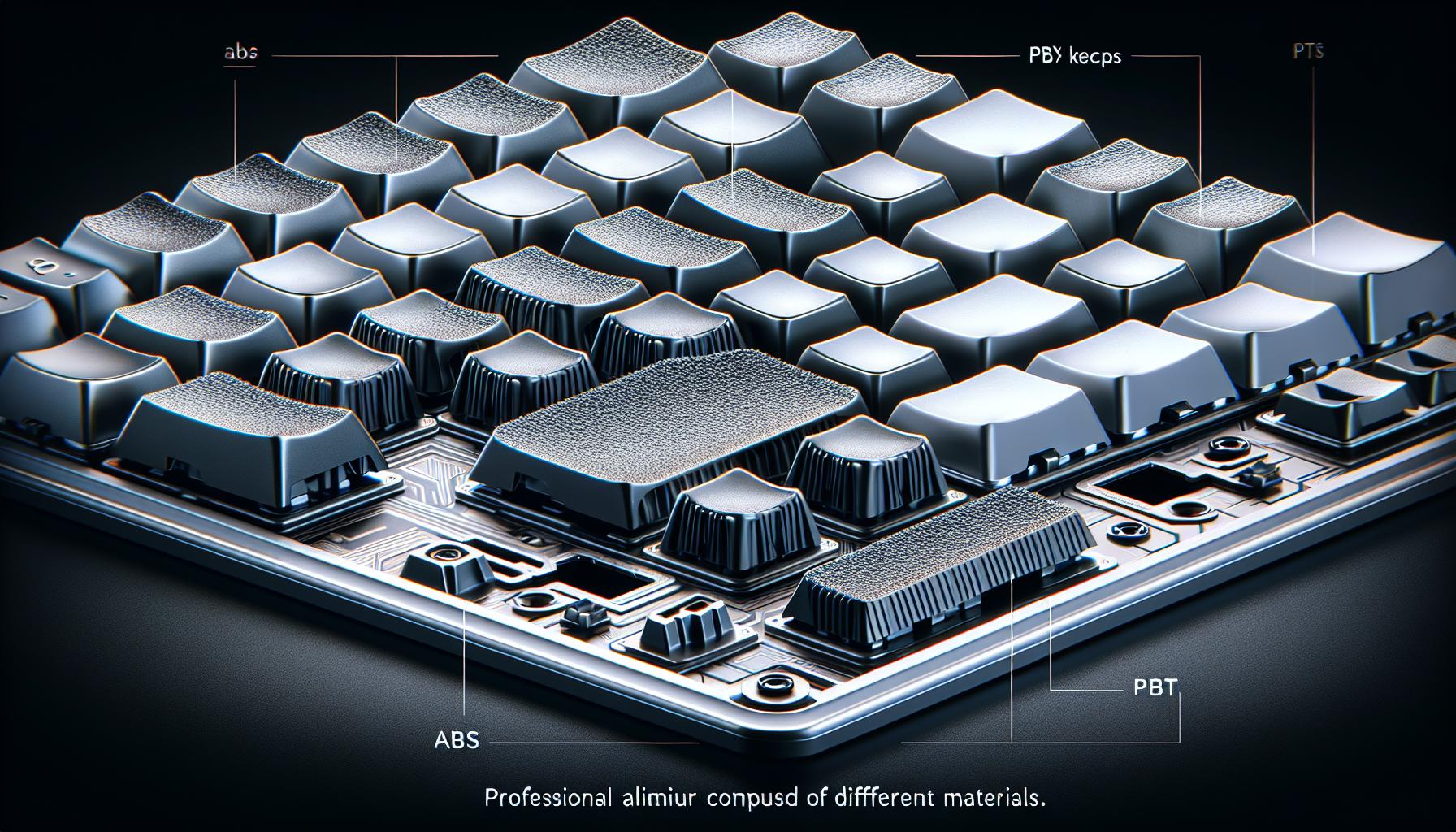
    When venturing into the realm of the best sounding keyboards under $200, it’s crucial to consider not just the switches but also the materials used in the construction of the keyboard. The choice of materials can greatly affect both the build quality and the sound profile of the keyboard, making it an essential factor for potential buyers to consider.

    Firstly, the keyboard frame itself can be made from various materials, including plastic, aluminum, or even steel. Each material offers its own set of benefits. For example, aluminum frames are renowned for their sturdiness and ability to provide a more resonant typing sound, which many users find appealing. On the other hand, keyboards with plastic casings are often lighter and more affordable, though they may not offer the same level of acoustic satisfaction or durability.

    Another critical aspect is the keycap material. ABS (Acrylonitrile Butadiene Styrene) and PBT (Polybutylene Terephthalate) are the two most common types of materials used for keycaps. ABS keycaps are softer and may develop a shiny patina over time due to wear, whereas PBT keycaps are more durable, resistant to shine, and generally provide a slightly different, often preferred, sound profile when typing.

    Impact of Materials on Sound

    The difference in sound between ABS and PBT keycaps can be subtle yet significant for users who prioritize typing sound. PBT keycaps tend to produce a thockier and more solid sound, while ABS keycaps often result in a lighter and clackier noise. This variance in sound is due to the different densities and textures of the materials.

    Build Quality and Lifespan

    The materials used not only impact the sound but also the overall build quality and lifespan of the keyboard. A keyboard with an aluminum frame and PBT keycaps, for instance, is likely to withstand heavy use and last longer than a keyboard with a plastic frame and ABS keycaps. This durability is something to consider for anyone looking for a long-term investment.

    Design Elements that Influence Sound
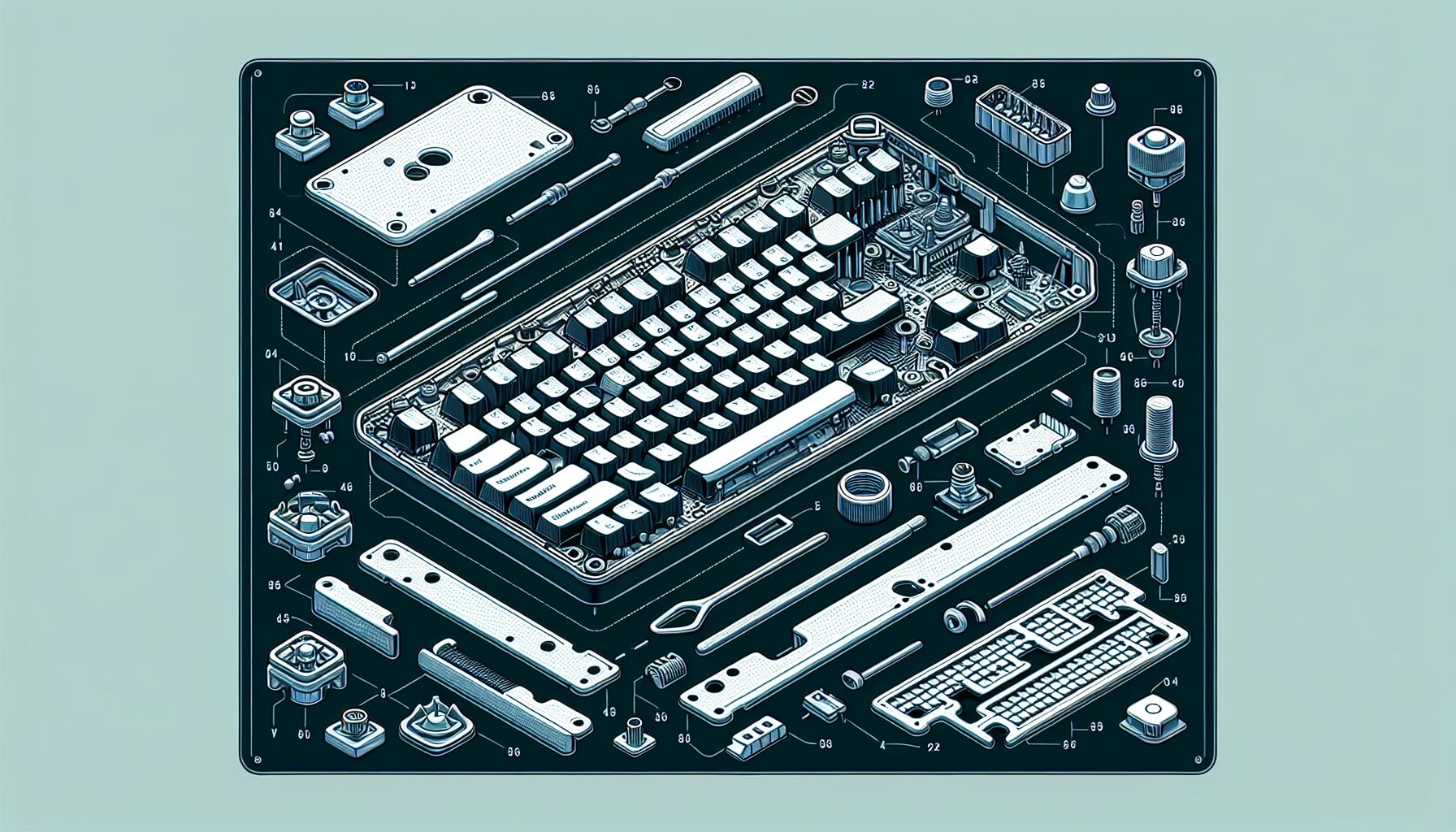
    When embarking on the journey to find the best sounding keyboard under $200, it’s crucial to consider not just the materials used in construction but also the specific design elements that play a significant role in shaping the sound profile. These aspects include the keyboard’s structure, the plate material, and the mounting style, each offering a unique contribution to the auditory experience.

    Keyboard Structure

    The overall structure of a keyboard, including its case and frame, significantly impacts its sound. Keyboards with a solid and heavy frame, such as those made from aluminum, tend to produce a resonant and richer sound. In contrast, keyboards with lighter plastic frames might not offer the same depth of sound, but they have their own appeal with a brighter and sharper acoustic signature. The case’s shape and size also influence sound resonance, with larger cases often enhancing the echo and depth of each keystroke.

    Plate Material

    Within the keyboard, the plate material holds a pivotal role in sound modulation. The plate is where the switches are mounted, and it can be made from various materials including:

    • Aluminum
    • Steel
    • Brass
    • Polycarbonate

    Each material offers a distinct sound experience. For instance:

    Material Sound Characteristic
    Aluminum Crisp and resonant
    Steel Brighter and louder
    Brass Warm and full-bodied
    Polycarbonate Soft and dampened

    Mounting Style

    Another essential design element is the mounting style, or how the switches are attached to the keyboard’s plate and case. The most common mounting styles include:

    • Top Mount – where the plate is mounted to the top of the case, leading to a firm typing experience.
    • Bottom Mount – attaches the plate to the bottom of the case, offering a softer feel.
    • Gasket Mount – involves the use of gaskets that cushion the plate and case connection, resulting in a flexible and muted sound profile.

    Top Picks for Best Sounding Keyboards Under $200
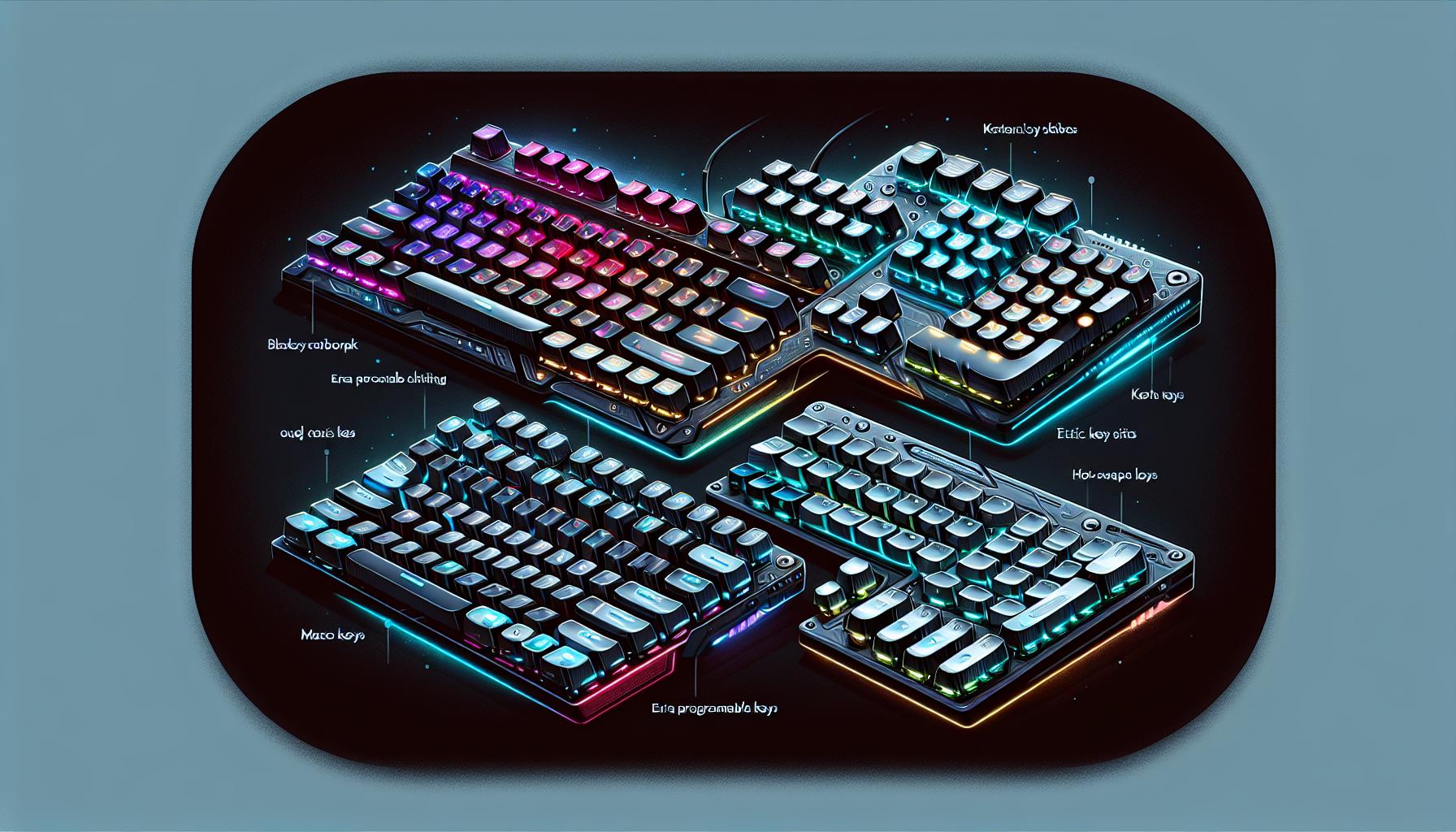
    When it comes to finding the best sounding keyboards under $200, it’s not just about the price. It’s about the value you get in terms of sound quality, build, and overall typing experience. The market is flooded with numerous options, but a few stand out due to their superior acoustics, quality construction, and user satisfaction. Here are some top picks that have earned their spots for being the best in class without breaking the bank.

    Keychron K8

    The Keychron K8 takes the lead for its versatility and splendid sound profile. Designed for typists, gamers, and professionals alike, this mechanical keyboard offers a unique combination of tactile feel and auditory bliss. It features a hot-swappable option allowing users to switch between Gateron switches, known for their smooth keystrokes and pleasing sound. Its aluminum frame and dense plastic body contribute to a resonant, yet not overwhelming, sound signature. What sets the K8 apart is its ability to cater to both Mac and Windows users, offering flexibility in connectivity with both wired and Bluetooth options.

    Tecware Phantom 87

    For those who favor a compact design without sacrificing sound or functionality, the Tecware Phantom 87 emerges as a top contender. This tenkeyless mechanical keyboard is praised for its exceptional build quality at an affordable price point. It comes with Outemu switches, which are perfect for users looking for a clicky or tactile feedback. The Phantom 87’s dual-layer PCB and plate-mounted switches add to its durability while enhancing the keyboard’s overall sound. Its customizable RGB lighting is just icing on the cake, allowing users to personalize their setup while enjoying a robust typing experience.

    Glorious GMMK Compact

    The Glorious GMMK Compact deserves a mention for its modular design and impressive sound. This 60% keyboard is a dream for enthusiasts who crave customization. It’s fully hot-swappable, meaning users can experiment with different switches to find their desired sound and feel without any soldering required. The GMMK Compact comes with a sturdy aluminum faceplate, ensuring a solid base that aids in producing a clean, satisfying sound upon each keystroke. Whether it’s for gaming or typing, this keyboard offers a blend of performance, aesthetics, and sonic pleasure.


    Comparing Acoustic Performance
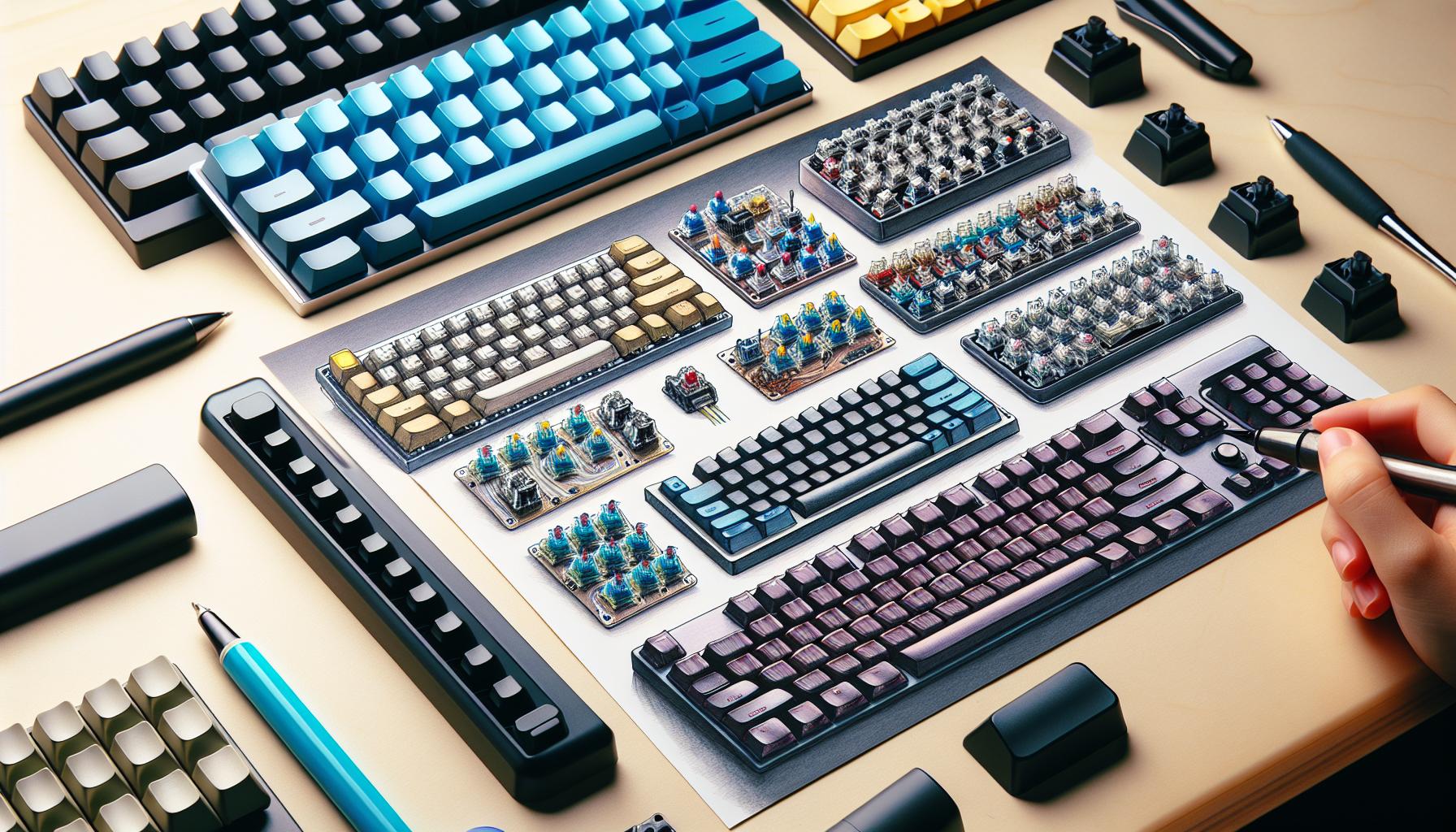
    When diving into the world of mechanical keyboards under $200, acoustic performance often plays a crucial role in a user’s satisfaction and overall experience. Each keyboard model brings its unique sound signature to the table, influenced by factors such as the switch type, build material, and design nuances. This section explores how the Keychron K8, Tecware Phantom 87, and Glorious GMMK Compact stand up against each other in terms of acoustic qualities.

    Starting off with the Keychron K8, this keyboard earns high marks for its warm and rich sound profile. Thanks to its hot-swappable Gateron switches, users have the flexibility to tailor the acoustic output to their liking. Whether it’s the clicky feedback of Gateron Blues or the quieter, softer bump of Gateron Browns, the K8’s aluminum frame amplifies the chosen sound in a most satisfying way. Furthermore, its ability to dampen unwanted vibrations contributes to a clean and focused audio experience during long typing sessions.

    Moving on to the Tecware Phantom 87, it’s praised for its sharp and precise acoustics. Outfitted with Outemu switches known for their distinct tactile feedback, the Phantom 87 delivers a snappy and energetic typing noise that can be quite invigorating. Its compact design, alongside the dual-layer PCB, work together to enhance the sound quality, ensuring durability doesn’t come at the cost of acoustics. Each keystroke produces a satisfying click, making it a joy for users who appreciate audible confirmation of their input.

    Last but not least, the Glorious GMMK Compact stands out due to its modular design and the sheer variety of sounds it can produce. With its hot-swappable feature, users can experiment with an array of switches without the need for soldering, making it a playground for sound enthusiasts. The sturdy aluminum faceplate of the GMMK Compact plays a significant role in its sound signature, giving it a robust and resonant sound that differs significantly from the more muted tones of keyboards with plastic cases.

    Feature Keychron K8 Tecware Phantom 87 Glorious GMMK Compact
    Switch Type Gateron Outemu Any (Hot-Swappable)

    Conclusion

    Finding the perfect mechanical keyboard under $200 that doesn’t compromise on sound quality is definitely achievable. The Keychron K8, Tecware Phantom 87, and Glorious GMMK Compact each offer a unique auditory experience that caters to different preferences. Whether it’s the warm tones of the K8, the precision of the Phantom 87, or the versatility of the GMMK Compact, there’s something for everyone. These keyboards prove that excellent sound and performance can come without a hefty price tag, making them ideal choices for users who prioritize both.
  • Top Beginner’s Pick: Best 61-Key Keyboard for 2023 – Yamaha vs Casio

    Top Beginner’s Pick: Best 61-Key Keyboard for 2023 – Yamaha vs Casio

    Starting your musical journey can be thrilling, yet picking the right instrument is crucial. For beginners, a 61-key keyboard offers the perfect balance between range and manageability, making it an ideal choice for those just stepping into the world of music.

    Navigating through the sea of options can be overwhelming, but fear not! Whether it’s for a budding pianist or someone looking to dabble in music production, finding the best 61-key keyboard doesn’t have to be a chore. With the right guidance, anyone can find a keyboard that not only fits their needs but also inspires their musical journey.

    Considerations when choosing a 61-key keyboard

    Choosing the perfect 61-key keyboard involves not just walking into a store or clicking on the first product one sees online. It’s about understanding what makes a keyboard a great fit for one’s musical journey. For beginners, navigating through the vast options can be daunting, yet certain factors can simplify this decision.

    Key Sensitivity and Action play a pivotal role in emulating the feel of an acoustic piano. Keyboards with weighted keys offer a resistance similar to that of a traditional piano, beneficial for those looking to switch between digital and acoustic pianos seamlessly. On the other hand, semi-weighted keys provide a lighter touch, easier for those exploring various music genres.

    Sound Quality is another critical aspect. High-quality sound samples and the ability to modify tones allow for a more enriching playing experience. Beginners might not discern the subtle differences at first, but as one’s ear develops, having a keyboard that produces rich, authentic sounds becomes invaluable.

    Here’s a breakdown of features often sought in beginner keyboards:

    Feature Importance
    Key Action Essential for developing proper technique
    Sound Quality Crucial for musical development and enjoyment
    Learning Tools Helpful for independent practice and skill building
    Connectivity Enables expansion and use with music software

    Learning Tools, such as built-in lessons and play-along songs, offer an interactive way to develop skills while having fun. Some keyboards also feature apps that can connect to the device, providing more in-depth tutorials and tracking progress.

    Connectivity Options like USB and MIDI ports allow the keyboard to interface with computers and mobile devices. This opens up a world of possibilities for recording, using educational software, or even dabbling in music production.

    Portability and Size might seem less critical but for someone with limited space or who values mobility, a compact and lightweight keyboard is a blessing. Additionally, for younger players, a less overwhelming size encourages regular use and practice.

    Lastly, Budget often dictates the final choice, but it’s worth noting that investing in a slightly more expensive keyboard can offer better longevity and playability. While it’s tempting to go for the cheapest option, considering long-term goals and potential growth can lead to a more satisfying purchase.

    Top features to look for in a beginner-friendly keyboard

    When stepping into the world of music with a 61-key keyboard, beginners should keep an eye out for certain features that can make their learning journey not only smoother but also more enjoyable. These features not only enhance the playing experience but also support skill development over time.

    Key Sensitivity and Action

    Key sensitivity and action are critical for mimicking the feel of an acoustic piano. Most digital keyboards come with touch-sensitive keys, which means the volume changes depending on how hard the key is pressed, mirroring the dynamic control you’d have on a traditional piano. For beginners, this feature is invaluable as it aids in developing expressiveness in playing. Additionally, weighted or semi-weighted keys can offer a more realistic touch, further enhancing muscle memory and technique from the start.

    Sound Quality

    High-quality sound reproduction is essential for keeping students motivated and engaged. Begin with a keyboard that offers a rich and authentic piano tone. Advanced models also provide a range of other instrument sounds, which can be fun to explore and play with. Sound quality can significantly vary across different models, so it’s worth trying out a few to find one that truly captures the beauty of the music you’re aspiring to play.
    Built-In Learning Tools

    Many beginner keyboards come equipped with learning tools and features designed to facilitate the learning process. This can include:

    • Built-in Lessons: Step-by-step lessons that guide users through songs and exercises.
    • Light-Up Keys: Visual aids that show the correct notes to play during a piece of music.
    • Dual Mode: Allows the keyboard to be split into two identical zones, enabling teachers and students to play together side by side.

    These tools can supplement traditional lessons and provide valuable practice aids that reinforce learning in between sessions.

    Connectivity

    In today’s digital age, connectivity is a boon for music learners. USB MIDI connectivity allows the keyboard to connect to computers and mobile devices, offering access to a wide range of music software and apps. This can include everything from interactive tutorials to recording software, expanding the resources available to beginners for practice and exploration. Some keyboards also feature Bluetooth connectivity, making it easier to use with wireless devices.

    Comparison of popular 61-key keyboards for beginners

    When embarking on the journey to master the keyboard, beginners are met with a plethora of options. Among these, certain 61-key keyboards stand out for their beginner-friendly features, quality, and value.

    Yamaha PSR-E373 and Casio CT-S300 are two such instruments that often find themselves at the top of recommendation lists. Both offer a blend of usability and functionality that cater well to novice players. Let’s dive into a detailed comparison to help those new to the instrument make an informed choice.

    Key Sensitivity and Action:
    The Yamaha PSR-E373 boasts touch-sensitive keys, allowing for a dynamic playing experience that can mimic the nuanced expressions of an acoustic piano. The Casio CT-S300, on the other hand, also features touch-sensitive keys but with a slightly different feel due to its unique key action technology.

    Sound Quality:
    Yamaha is renowned for its high-quality sound, and the PSR-E373 is no exception. It features a comprehensive library of over 600 voices, providing a wide auditory palette for experimentation. The Casio CT-S300, while offering a more modest 400 tones, delivers clear and vibrant sounds that are more than sufficient for beginners to explore various music genres.

    Learning Tools:
    Both models come equipped with built-in lessons and challenges that guide beginners through the fundamentals of piano playing. However, the Yamaha boasts a “Keys to Success” feature offering a more structured learning path, while the Casio uses its “Step-Up Lesson System” to provide similar guidance.

    Connectivity:
    In today’s digital age, connectivity is crucial. Both keyboards offer USB MIDI connections, allowing students to connect to computers and mobile devices for expanded learning with apps and software. Bluetooth connectivity is absent in both models, yet this does not significantly detract from their overall value in educational features.

    Below is a tabulated summary of their features for easy comparison:

    Feature Yamaha PSR-E373 Casio CT-S300
    Key Sensitivity Touch-Sensitive Touch-Sensitive
    Sound Quality Over 600 Voices 400 Tones
    Learning Tools Keys to Success Step-Up Lesson System
    Connectivity USB MIDI USB MIDI

    Tips for getting started with your new keyboard

    Embarking on the journey of learning to play the keyboard is an exciting endeavor, and having the right approach can make all the difference. Whether you’ve chosen the Yamaha PSR-E373 with its touch-sensitive keys and vast voice library, or the Casio CT-S300 known for its unique key action and tones, these tips will help you get started on the right note.

    First and foremost, familiarize yourself with your instrument. Spend some time exploring the different voices, rhythms, and built-in lessons available on your keyboard. Understanding the functionalities and features at your disposal can greatly enrich your playing experience. For instance, experimenting with the various sound effects can inspire creativity and make practice sessions more enjoyable.

    Next, implement a practice schedule. Consistency is key when learning a new instrument. Aim to practice for a certain amount of time each day, even if it’s just for a few minutes. Short, daily sessions are more effective than longer, less frequent ones as they help to build and maintain muscle memory more efficiently. It’s also beneficial to set small, achievable goals for each practice session to keep motivation levels high.
    Utilize the learning tools that come with your keyboard. Both the Yamaha PSR-E373 and Casio CT-S300 offer built-in lessons that are designed to help beginners grasp the basics. These tools can serve as a valuable complement to traditional keyboard lessons or online tutorials. They allow you to learn at your own pace and provide immediate feedback, which can accelerate the learning process.
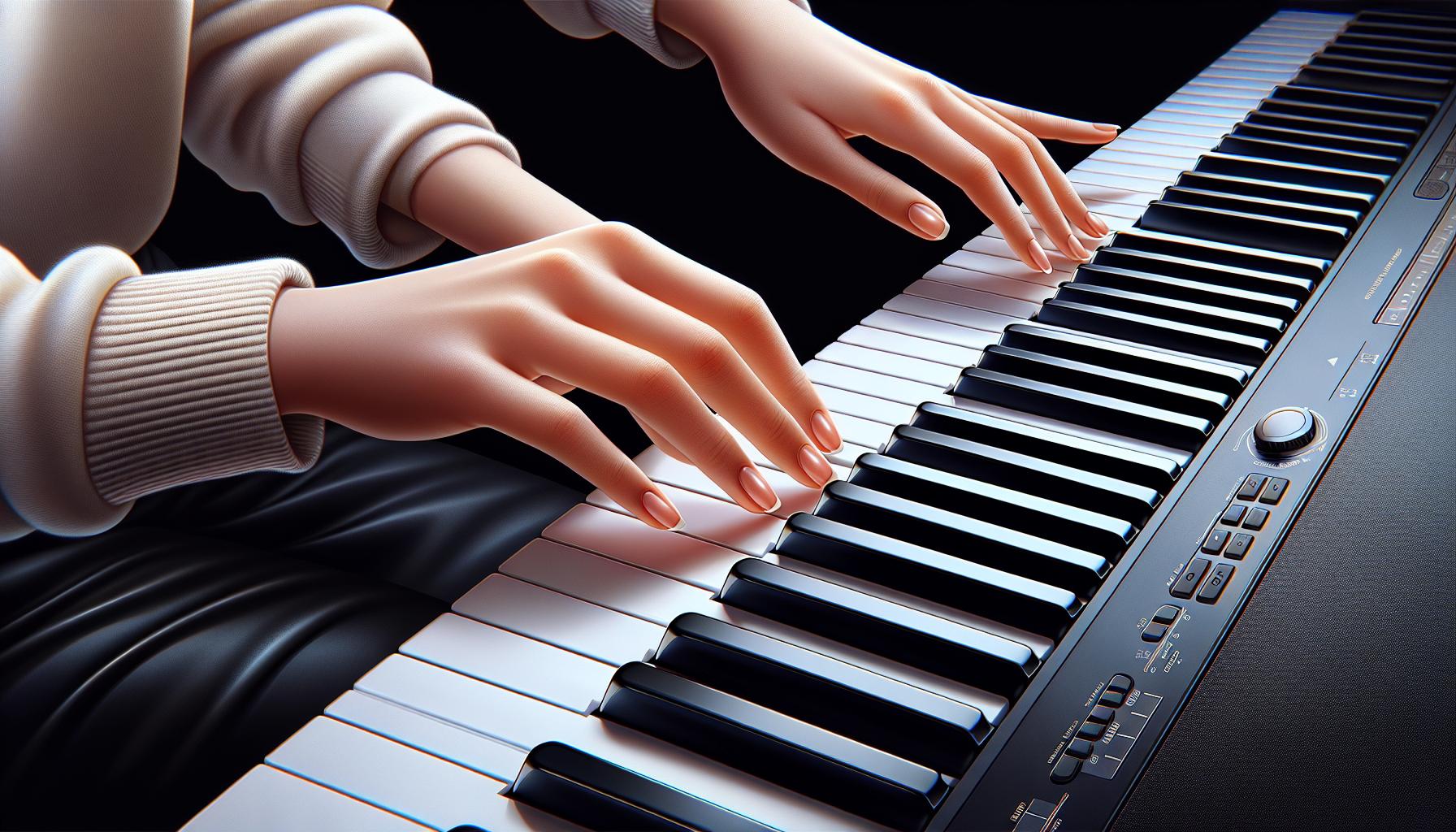
    Additionally, exploring music theory can vastly improve your understanding and playing ability. Basic knowledge of chords, scales, and reading music can open up a new world of possibilities and make it easier to learn and memorize songs. There are many free resources available online that are geared towards beginners, ensuring you have access to quality educational material without additional cost.

    Take advantage of technology. With USB MIDI connectivity, both keyboards can be connected to computers and mobile devices. This opens up a plethora of software and apps designed to assist in learning and making music. From virtual piano lessons to applications that track your progress, technology can be a valuable ally in your musical journey.

    Conclusion

    Choosing the right 61 key keyboard as a beginner is a crucial step in embarking on a musical journey. Whether one opts for the Yamaha PSR-E373 or the Casio CT-S300, it’s essential to dive into the adventure with enthusiasm. By familiarizing oneself with the instrument, committing to a regular practice schedule, and embracing the wealth of resources available, beginners can lay a solid foundation for their musical education. Remember, the journey of learning music is as rewarding as the destination. So pick up that keyboard and let the melodies guide you to new heights.

  • Top Best Keyboards for Piano Beginners: Yamaha, Casio, & More

    Top Best Keyboards for Piano Beginners: Yamaha, Casio, & More

    Embarking on the journey to learn piano basics can be thrilling yet daunting. It all starts with finding the perfect keyboard that not only fits your budget but also makes learning enjoyable and effective. With countless options out there, it’s easy to feel overwhelmed.

    That’s where we come in. We’ve sifted through the noise to bring you the top keyboards that are ideal for beginners. Whether you’re looking for something portable, budget-friendly, or packed with learning features, we’ve got you covered. Let’s dive into the world of music together and find the keyboard that’ll set the stage for your musical journey.

    Key Considerations for Choosing a Keyboard

    When diving into the world of piano, selecting the right keyboard is a crucial step that can significantly impact a learner’s journey. A well-chosen keyboard not only makes the learning process more pleasant but also helps in mastering the basics with greater ease. Here are some essential factors to consider when choosing the best keyboard for learning piano basics.

    Size and Key Weight play a pivotal role in transitioning to an acoustic piano in the future. Beginners should look for keyboards with 88 keys and weighted action to mimic the feel of a traditional piano. This not only aids in finger strength development but also ensures a more authentic playing experience.

    Sound Quality is another vital aspect. A good keyboard should offer a sound that is as close to an acoustic piano as possible. High-quality samples and a decent speaker system can make practice sessions more enriching and enjoyable for beginners.

    Learning Features such as built-in lessons, light-up keys, and integration with learning apps can significantly enhance the learning experience. These features provide an interactive platform, making it easier for beginners to grasp complex concepts and techniques.

    Connectivity options are often overlooked but are essential for a modern music learning experience. A keyboard with MIDI or USB ports allows learners to connect with music software and apps, offering a broader range of learning materials and opportunities to record and edit their performances.

    Below is a comparison of three popular beginner keyboards, showcasing their key features:

    Keyboard Model Key Size and Weight Sound Quality Features Learning Features Connectivity
    Yamaha P125 88 weighted keys Pure CF Sound Engine Duo mode for side-by-side learning USB to Host
    Casio CTK-2550 61 touch-sensitive keys AHL sound source Step-up learning system No MIDI
    Roland GO:PIANO 61 full-size keys Roland’s acclaimed piano sounds Bluetooth MIDI for apps Bluetooth Audio/MIDI

    Accessibility should not be overlooked. Keyboards are available at a range of price points, so it’s important to find one that offers the best value for one’s budget. Investing in a slightly higher-priced model might offer better long-term value due to enhanced features and durability.

    Portable Keyboards for On-the-Go Learning

    In today’s fast-paced world, the ability to learn on the move has become increasingly important. For those embarking on their piano learning journey, portable keyboards offer the perfect solution. These instruments are designed to provide flexibility and convenience, allowing students to practice anytime and anywhere. Lightweight and often compact, portable keyboards can easily be transported, making them ideal for travelers or individuals with limited space.

    One of the key benefits of portable keyboards is their versatility. Despite their smaller size, many of these keyboards come equipped with a range of features similar to their full-sized counterparts. This includes a variety of voices, built-in rhythms, and even recording capabilities. For beginners, this means they don’t have to compromise on the quality of their practice sessions, regardless of where they are.

    Key Considerations for Choosing a Portable Keyboard

    When selecting a portable keyboard for learning piano basics, several factors come into play:

    • Size and Number of Keys: Most portable keyboards have fewer than 88 keys. However, for beginners, a 61-key keyboard is often sufficient to start learning the basics. It’s compact yet offers enough range for initial lessons.
    • Weighted Keys: While rare in highly portable models, finding a keyboard with semi-weighted keys can provide a closer feel to an acoustic piano. This feature is crucial for developing proper finger strength and technique.
    • Battery Operation: The ability to run on batteries is a must-have for a truly portable keyboard. It ensures that learners can practice even in places without easy access to power outlets.
    • Learning Tools: Integrated learning systems, such as built-in lessons or connectivity with smartphone apps, enhance the learning experience on the go.

    Top Picks for Portable Keyboards

    To help narrow down the choices, here are three recommended portable keyboards for beginners:

    Keyboard Model Number of Keys Key Type Battery Operated Additional Features
    Yamaha PSR-E263 61 Unweighted Yes 400 voices, 130 styles
    Casio CTK-2550 61 Unweighted Yes 400 tones, 150 rhythms, Dance Music Mode
    Roland GO:KEYS 61 Semi-weighted Yes Bluetooth connectivity, Loop Mix Function

    Budget-Friendly Options without Compromising Quality

    Finding a budget-friendly keyboard that doesn’t cut corners on quality is crucial for beginners who are just embarking on their musical journey. Affordability doesn’t have to mean compromise, especially when it comes to learning the piano basics. There are several options out there that provide a great learning experience without breaking the bank.

    First up, it’s important to note that weighted keys play a significant role in simulating the feel of an acoustic piano. Fortunately, some budget keyboards offer semi-weighted or touch-sensitive keys that come close to this experience while remaining cost-effective. Additionally, having built-in learning tools like lesson modes and song libraries can make practice sessions more engaging and productive.

    Here’s a quick comparison of three budget-friendly keyboards that are perfect for beginners:

    Keyboard Model Number of Keys Key Type Battery Operated Additional Features
    Yamaha PSR-E273 61 Touch Sensitive Yes Learning mode, 400 voices
    Casio CTK-2550 61 Touch Responsive Yes Step-up learning system, Dance Music Mode
    Alesis Recital 88 Semi-Weighted No 5 voices, Educational Features

    Each of these models offers a great balance between price and features, making them ideal for learners who are serious about picking up the essentials of piano playing without spending too much upfront. The Yamaha PSR-E273, for instance, includes a learning mode that breaks down songs into smaller, manageable parts, aiding beginners in grasping the basics more effectively. On the other hand, the Casio CTK-2550’s Dance Music Mode can make practice sessions more fun and engaging, offering learners a break from traditional exercises without stepping away from the keyboard.

    The Alesis Recital stands out for its 88 semi-weighted keys, providing an experience closer to that of an acoustic piano. This makes it an excellent choice for students who are ready to transition to more serious practice but are still looking for an affordable option. While not battery operated, its comprehensive educational features justify its place in a learner’s arsenal, especially for those prioritizing the feel of the keys.

    Key Learning Features to Look for in a Beginner Keyboard

    Choosing the right keyboard for learning piano basics means looking beyond just the price and the number of keys. It’s about pinpointing the learning features that can genuinely enhance a beginner’s journey from novice to skilled pianist. These features not only make learning more interactive but also ensure that the process is engaging and efficient. Here are some pivotal learning features to consider:

    Built-in Lessons and Modes

    Many beginner keyboards come with pre-loaded lessons that guide users through the basics of piano playing, from reading music to finger positioning. These lessons are particularly beneficial as they allow learners to practice at their own pace without the constant need for a teacher’s presence. Keyboards equipped with various playing modes – such as the split mode, which divides the keyboard into two halves, allowing teacher and student to play side by side – offer valuable hands-on experience. This feature is instrumental in helping beginners understand timing and harmony in a practical setting.

    Touch Sensitivity

    While it might seem like a feature reserved for more expensive models, touch sensitivity is crucial for beginners. It makes a keyboard respond differently to the force used to press the keys, closely mimicking the dynamics of an acoustic piano. This helps learners develop a nuanced touch and better control of their dynamics early on. Playing on a touch-sensitive keyboard encourages students to focus on the expression and emotion in their playing, not just the notes they hit.

    Recording and Playback

    The ability to record and playback performances is invaluable for learners. This feature assists beginners in evaluating their playing, identifying areas for improvement, and tracking their progress over time. By listening to themselves, students can catch nuances and mistakes in their performances that they might not notice while playing.

    Metronome and Other Tools

    A built-in metronome is a must-have for any beginner keyboard. It helps learners keep a steady tempo – a foundational skill in music that supports everything from practicing scales to performing complex pieces. Additionally, keyboards that offer visual aids such as LED lights that guide finger placement or display on-screen sheet music can significantly reduce the learning curve for beginners.

    Top Picks for the Best Keyboards for Learning Piano Basics

    When starting the journey of learning piano basics, the right keyboard can make all the difference. With the plethora of options available, finding the perfect fit that aligns with a beginner’s needs might feel daunting. However, there are a few standout models that are frequently recommended by music teachers and seasoned pianists alike for their comprehensive learning features and quality.

    The Yamaha PSR-E363 is often at the top of many lists. It’s well-loved for its touch-sensitive keys, which mimic the response of an acoustic piano, allowing for expressive play. This keyboard also shines with its built-in lessons covering a wide range of styles and techniques, offering beginners a solid foundation in music theory and practice. Its ability to connect to a computer or mobile device for expanded learning with apps is a significant plus.

    Another great option is the Casio CTK-2550. It doesn’t skimp on learning features despite its affordable price tag. The Step-Up Lesson System is ideal for beginners, breaking down songs into smaller, learnable parts. Additionally, the 400 onboard tones and 150 rhythms provide ample opportunities for experimentation and developing musical ear.

    For those looking for something that closely mimics the feel of an acoustic piano, the Roland GO:PIANO is a fantastic choice. It boasts 88 full-size keys with standard spacing and real piano feel, thanks to its high-quality keyboard action. The Roland GO:Piano also offers Bluetooth connectivity for using with educational apps and a minimalistic interface that keeps learners focused on playing rather than navigating complicated menus.

    No discussion about beginner keyboards would be complete without mentioning the Alesis Recital. It’s a feature-packed model with 88 semi-weighted keys offering adjustable touch response. Beginners will appreciate the lesson modes that divide the keyboard into two zones with the same pitch and voice. This is especially helpful for side-by-side practice sessions. The Alesis Recital also provides an impressive range of sounds and built-in effects to play with, letting students explore various musical genres and styles.

    Here’s a quick comparison of the key features of these top picks:

    Model Key Count Key Type Built-in Lessons Touch Sensitivity Connectivity Options
    Yamaha PSR-E363 61 Touch-Sensitive

    Conclusion

    Choosing the right keyboard to start your piano journey is crucial. The Yamaha PSR-E363, Casio CTK-2550, Roland GO:PIANO, and Alesis Recital each offer unique features tailored to beginners. Whether it’s touch-sensitive keys for a more dynamic playing experience, built-in lessons to guide your practice, or connectivity options for interactive learning, these keyboards are designed to make your introduction to piano as enriching and enjoyable as possible. It’s about finding the one that best suits your learning style and musical aspirations. With any of these top picks, you’re well on your way to mastering the basics and beyond.

  • Choosing Your First Keyboard: 88 Key vs 61 Key for Beginners

    Choosing Your First Keyboard: 88 Key vs 61 Key for Beginners

    Choosing the right keyboard can feel like navigating a maze, especially for beginners. It’s not just about the brand or the sound quality; the number of keys plays a crucial role too. Most newbies find themselves torn between the 88 key and the 61 key keyboards, each offering its own set of advantages.

    The 88 key keyboard, mirroring a traditional piano, offers a wide range of octaves, making it ideal for those aiming to play classical music or jazz. On the flip side, the 61 key keyboard, with its compact size and fewer keys, might be less intimidating for beginners, offering a more manageable starting point. It’s all about finding the right fit for your musical journey.

    Pros and Cons of 88 Key Keyboards

    When considering the choice between 88 key and 61 key keyboards, it’s crucial to weigh the advantages and disadvantages of each. 88 key keyboards, mirroring the traditional piano, come with their own set of pros and cons tailored to the beginner’s journey in music.

    Pros:

    • Full Range: The 88 key keyboard encompasses the full range of a standard piano, offering seven octaves plus a minor third, from A0 to C8. This expansive range is essential for classical and jazz music, where a wide variety of notes and octaves are often utilized.
    • Versatility: With the complete set of keys at their disposal, learners can easily transition into different genres of music without limitations. This versatility makes it an excellent choice for those who aim to explore a broad spectrum of musical styles.
    • Touch and Feel: Most 88 key keyboards come with weighted keys that aim to replicate the touch and feel of an acoustic piano. This feature is instrumental in developing proper finger technique and dynamics, laying a solid foundation for serious piano students.
    • Dynamics and Expression: The ability to convey a wide range of dynamics and expressions is crucial in music. The weighted keys of an 88 key keyboard allow for nuanced control over volume and articulation, enabling musicians to convey emotions more effectively.
    • Size and Portability: One of the primary drawbacks of the 88 key keyboard is its size. Being the same length as a traditional piano, it requires considerable space and is not as portable as smaller keyboards.
    • Price Point: Typically, 88 key keyboards are more expensive than their 61 key counterparts. The added expense can be a significant consideration for beginners who are uncertain about their long-term commitment to learning the piano.
    • Complexity for Beginners: For some beginners, starting with 88 keys can be overwhelming. The wide range of keys and the complexity of managing them can make the learning process more challenging.
    88 Key Keyboard Pros Cons
    Range Full 7 octaves plus a minor third
    Versatility Suitable for a wide range of music genres
    Touch and Feel Weighted keys replicate acoustic piano
    Dynamics Enables nuanced control
    Size

    Pros and Cons of 61 Key Keyboards

    When it comes to choosing between 88 key and 61 key keyboards for beginners, understanding the pros and cons of the latter is crucial. A 61 key keyboard, while smaller than its 88 key companion, holds its ground with a unique set of advantages and challenges that cater to different needs and preferences.

    One of the major advantages of 61 key keyboards is their compact size and portability. For beginners who might not have a lot of space or who value the ability to easily transport their instrument, a 61 key keyboard is significantly lighter and more manageable. This makes it an ideal choice for those living in small apartments or for younger players whose families need to move the instrument regularly for lessons or performances.

    Furthermore, 61 key keyboards often come with a lower price point. This is a particularly attractive feature for those just starting their musical journey. Investing a smaller amount in the initial stages can ease the financial burden, offering an accessible entry point for beginners. Additionally, these keyboards frequently include a variety of built-in learning tools and features such as light-up keys, pre-recorded songs, and even lesson functions. These features can significantly aid in the early stages of music education, making learning both engaging and fun.

    However, there are some downsides to consider. One of the most significant is the limited range. A 61 key keyboard covers five octaves, which is sufficient for most beginners but may become restrictive as players advance and wish to explore a wider repertoire. This limitation can hinder the development of certain skills and prevent players from performing complex classical or jazz pieces that require a full seven octaves plus a minor third.

    Moreover, while many 61 key keyboards offer touch sensitivity, they rarely include weighted keys. The absence of weighted keys means that players don’t experience the resistance of an acoustic piano, which can be crucial for developing proper finger technique and dynamic control. This aspect might necessitate a transition to a more sophisticated keyboard or digital piano as the player progresses, entailing additional costs and adjustments.

    Finally, some argue that beginning on a 61 key keyboard might lead to a narrowed perception of piano playing. Without the full range of keys, beginners may not fully appreciate the instrument’s versatility or understand how to navigate the transitions between different octaves efficiently. This could potentially limit their overall musical development and understanding.

    | Pros of 61 Key Keyboards |

    Differences in Sound Range

    When comparing 88 key keyboards to their 61 key counterparts, the Differences in Sound Range stand out as a significant factor for beginners to consider. An 88 key keyboard offers a full piano range, from the deep, resonant lows of the bass notes to the crystal-clear highs of the treble notes. This range is not just about more notes but about the capability to express a wider variety of music genres and compositions. Classical pieces, in particular, often require the full range that only an 88 key keyboard can provide.

    Conversely, a 61 key keyboard, while sufficiently covering the mid-range notes, misses out on the extreme ends of the piano’s spectrum. This limitation means that beginners might not be able to play some of the more expansive pieces of music without adapting them to fit the smaller range. However, it’s worth noting that many modern and pop music pieces can be comfortably played within this range. For beginners focusing on these genres, the 61 key keyboard might not feel as limiting.

    The impact of the sound range on learning and enjoyment can’t be understated. Beginners on an 88 key keyboard have the potential to explore a broader repertoire of music. This exploration not only makes the learning process more enjoyable but also provides a more comprehensive understanding of musical theory and composition. On the flip side, beginners might find the 61 key keyboards less intimidating and more approachable, allowing for a gradual introduction to music playing.

    Keyboard Type Key Count Sound Range
    Full-size Keyboard 88 keys Full range
    Smaller Keyboard 61 keys Limited range

    Despite the differences, both types of keyboards offer unique advantages. The 61 key keyboards are ideal for musicians who prioritize portability and simplicity. It’s particularly beneficial for those who have space constraints or are always on the move. On the other hand, the 88 key keyboards are unmatched in their ability to provide a full and authentic piano experience, making them a better choice for students who are serious about pursuing music in the long term.

    Portability and Space Considerations

    When choosing between an 88 key and a 61 key keyboard, especially for beginners, the aspects of portability and space cannot be overstated. Those with limited living space or those who value mobility might find the compact size of the 61 key keyboard particularly appealing. Its lighter weight and smaller footprint make it an ideal choice for musicians on the move or for those living in tight quarters.

    On the other hand, 88 key keyboards, which mimic the full range of an acoustic piano, are significantly larger and often heavier. This makes them less portable and requires a dedicated space, not just for the instrument itself but also for a proper seating arrangement that allows for comfortable practice sessions. For someone with ample space and a fixed location where the keyboard can remain set up, the 88 key option is undoubtedly appealing for its extensive musical range and authenticity. However, it’s important to consider whether the physical demands of housing such a large instrument align with one’s lifestyle and space availability.

    The decision between the two types of keyboards also extends beyond the individual’s current living situation and touches on future intentions. For beginners who aim to transition to classical piano playing or wish to delve into music genres that demand a broad range of notes, the 88 key keyboard presents a wise long-term investment. Conversely, those seeking to explore music production, electronic music, or simply enjoy the portability of their instrument may find the 61 key variant to suit their needs perfectly.

    Moreover, the market today offers innovative solutions to the portability challenge of 88 key keyboards. Certain models are designed to be more compact, with some even featuring detachable sections or foldable designs to aid in transportation and storage. While these features can make an 88 key keyboard more manageable, they might also come with a higher price tag, adding another layer to the decision-making process.

    For beginners, it’s crucial to weigh these factors carefully. The choice between a 61 key and an 88 key keyboard hinges not just on immediate preferences but on long-term goals and the practicality of instrument size and portability. Whether it’s the need for a wide musical range or the flexibility to make music anywhere, there’s a keyboard out there that’s the right fit for every beginner’s journey in music.

    Which Keyboard is Right for You?

    Deciding between an 88 key and a 61 key keyboard comes down to personal needs, aspirations, and constraints. For beginners, the journey into music should be as enjoyable and frictionless as possible. It’s crucial to consider what each type of keyboard offers and how it aligns with one’s musical journey.

    Assessing Your Musical Goals

    First, reflect on your long-term musical goals. If classical piano mastery is the dream, an 88 key keyboard is indispensable. The full range offers a comprehensive learning experience, ensuring that no piece is beyond reach due to limited keys. However, if the goal is to delve into genres like pop, rock, or electronic music, a 61 key keyboard can be more than sufficient. These genres often don’t require the full range of an acoustic piano, and the 61 key layout can offer a more manageable learning curve for beginners.

    Space and Portability

    For those with limited living space or who value the ability to easily transport their instrument, the size and weight of the keyboard are key considerations. Here, 61 key keyboards have a clear advantage:

    Feature 88 Key Keyboard 61 Key Keyboard
    Weight Heavy Light
    Size Large Compact
    Portability Low High

    The lighter and more compact nature of 61 key keyboards makes them ideal for musicians on the move or those with limited space at home.

    Technological Enhancements

    Today’s keyboards are equipped with an array of features designed to enhance the learning experience. From built-in lesson functions to connectivity with music apps, both 88 and 61 key keyboards come packed with technological advancements. Beginners should explore these features, as they can significantly impact the learning journey.

    Budget Considerations

    Budget is another critical factor. Generally, 88 key keyboards are more expensive than their 61 key counterparts. They also require additional accessories like stands or benches, which add to the initial investment. Beginners might prefer starting with a 61 key keyboard, which offers a more affordable entry point into the world of music.

    Conclusion

    Choosing the right keyboard is a crucial step for any beginner stepping into the world of music. It’s all about finding that perfect balance between your musical aspirations, the space you have available, and what your wallet allows. If classical music captures your heart, an 88 key keyboard will serve you well with its wide range. On the other hand, for those drawn to pop or electronic vibes, a 61 key keyboard might just be your best bet. Not only are they more compact and easier to fit into smaller spaces, but they’re also friendlier on the budget. Remember, both options come packed with features designed to make learning a breeze. So take your pick based on what sings to your soul and your practical needs. Happy playing!

  • Top MIDI Keyboards for Beginners in Music Production: A Guide

    Top MIDI Keyboards for Beginners in Music Production: A Guide

    Diving into the world of music production can be as thrilling as it is daunting for beginners. With a maze of equipment and software to navigate, finding the right tools to express your musical ideas is crucial. That’s where a keyboard with MIDI capabilities comes in, offering a gateway to creating music that resonates with your soul.

    A MIDI keyboard doesn’t just play notes; it’s a versatile tool that can control virtual instruments, trigger samples, and even adjust volume levels within your software. It’s like having an entire orchestra at your fingertips, without needing a room full of instruments. For those just starting their journey in music production, this piece of equipment is a game-changer, making it easier to bring your melodies to life.

    Understanding MIDI in Music Production

    Musical Instrument Digital Interface, or MIDI, is a standard that allows electronic musical instruments, computers, and other equipment to communicate with each other. MIDI doesn’t transmit audio; it sends information about how music is produced, including pitch, intensity, and rhythm. For beginners venturing into music production, grasping the essentials of MIDI can significantly enhance their creative expression and streamline their workflow.

    At its core, MIDI is about control and communication. When a musician plays a note on a MIDI keyboard, it generates MIDI data, which can then trigger sounds from a computer or another device. This process transforms the MIDI keyboard into a powerful tool, capable of accessing a vast array of virtual instruments and effects. Beginners should understand that:

    • MIDI is versatile. It’s not just about notes on a keyboard; it can control drum patterns, chord progressions, and even lighting on stage.
    • MIDI is non-destructive. Since it’s transmitting data instead of audio, editing MIDI information allows one to change notes and rhythms without losing sound quality.

    Selecting the right MIDI keyboard can feel overwhelming due to the plethora of options available. However, focusing on a few key features can simplify the decision-making process:

    • Size and Portability: MIDI keyboards come in various sizes, from compact 25-key models to full 88-key instruments. Beginners might find smaller keyboards more manageable and less intimidating.
    • Key Action and Touch Sensitivity: The feel of the keys is crucial. Weighted keys mimic the resistance of an acoustic piano, while synth-action keys are lighter, ideal for fast parts and glissandi.
    • Extra Controls: Knobs, sliders, and pads on a MIDI keyboard offer additional ways to manipulate sound, providing a more immersive and interactive experience.

    Despite the technical aspects of MIDI, it’s essential to remember that at the heart of music production lies creativity. MIDI keyboards do not restrict but rather expand the palette of sounds and techniques at one’s disposal. They act as a bridge between the tactile experience of playing an instrument and the digital world of music production.

    For beginners, starting with a MIDI keyboard that aligns with their personal musical inclinations and production goals is advisable. Whether it’s composing cinematic scores, crafting electronic beats, or recording live performances, a MIDI keyboard offers the flexibility to explore various genres and styles.

    Why Choose a Keyboard with MIDI for Beginners?

    Choosing the right tools for embarking on a musical journey is crucial for beginners. Among the plethora of options, a keyboard with MIDI functionality stands out as a particularly beneficial choice. This section delves into the reasons why beginners should consider starting their music production journey with a MIDI-equipped keyboard.

    Firstly, ease of use is a paramount concern for beginners. MIDI keyboards are designed to be intuitive and user-friendly. They often come with software that guides users through the basics of music production, making the initial learning curve much less steep. These keyboards allow beginners to experiment with different sounds and styles without needing to master complex instruments or technology first. This experimentation is vital for fostering a love for music production and encouraging continued learning.

    Additionally, affordability is a significant factor. When starting, the costs associated with music production can be daunting. Investing in a variety of instruments and equipment can quickly become expensive. MIDI keyboards offer a cost-effective solution, providing a wide range of sounds and functionalities in a single device. This multiplicity not only saves money but also space, making a MIDI keyboard an ideal choice for those working in small home studios or limited areas.

    Another compelling reason to opt for a MIDI keyboard is its versatility. These keyboards serve as the cornerstone of any digital music production setup, allowing users to control various virtual instruments, synthesizers, and software. Whether one’s musical interests lie in electronic, classical, rock, or any genre in between, a MIDI keyboard can emulate the sounds of countless instruments. This versatility ensures that beginners won’t quickly outgrow their keyboard as their skills and interests evolve.

    Moreover, MIDI keyboards foster creativity. With access to a broad spectrum of sounds and the ability to manipulate music in digital form, beginners can explore their creative boundaries freely. They can layer tracks, tweak sounds, and experiment with complex arrangements that would be challenging or impossible with traditional instruments alone. This creative freedom is essential for developing one’s unique sound and style.

    For those concerned about compatibility and future-proofing their setup, MIDI keyboards are a safe bet. The MIDI standard has been a staple in the music industry since the 1980s, ensuring that these keyboards can communicate with a vast array of equipment and software. This compatibility means that a MIDI keyboard purchased today will remain a valuable tool in a musician’s arsenal for years to come, capable of adapting to new technologies and workflows.

    Features to Look for in a Keyboard with MIDI

    When venturing into the realm of music production, selecting the right MIDI keyboard can be a pivotal step for beginners. It’s not just about having any keyboard: it’s about finding the right fit that complements one’s musical journey.

    Key Count and Size

    Firstly, the number of keys on a MIDI keyboard is critical. They typically range from 25 to 88 keys. Beginners might find a 49-key keyboard to be a sweet spot, offering enough range to play with two hands but not overwhelming in size.

    • 25 keys are portable and great for simple melody lines.
    • 49 keys balance playability with portability.
    • 61 keys offer more range for complex compositions.
    • 88 keys mimic a traditional piano, ideal for those with piano experience or who require the full range.

    Weighted vs. Unweighted Keys

    The feel of the keys is another aspect to consider. Weighted keys mimic the resistance of a traditional piano, which may be beneficial for those aiming to build transferrable skills. Unweighted keys, however, might be easier for beginners to handle and are typically found on smaller, more portable models.

    Connectivity Options

    MIDI keyboards should offer several connectivity options to ensure they can easily fit into any setup. USB connectivity is standard, but additional ports like MIDI Out/In, sustain pedal inputs, and sometimes even Bluetooth can greatly expand their versatility.

    Control Features

    Control features such as knobs, faders, and pads can drastically enhance a MIDI keyboard’s functionality. They allow users to tweak sounds, control volume, and even trigger samples without touching a computer. For beginners, these can introduce a hands-on aspect to music production that’s both educational and fun.

    • Knobs can manipulate effects parameters.
    • Faders offer precise control over volume levels.
    • Pads are perfect for triggering drums or samples.

    Software Compatibility

    Finally, the software compatibility of a MIDI keyboard is paramount. Most brands bundle their keyboards with compatible music production software, which might range from introductory versions to more comprehensive suites. Checking that a keyboard works seamlessly with one’s chosen DAW (Digital Audio Workstation) avoids potential headaches down the line.

    Tips for Using a MIDI Keyboard Effectively

    When diving into the world of music production, understanding how to use a MIDI keyboard effectively can make a significant difference. For beginners, it might seem daunting at first, but with a few tips, they’ll be creating melodies like a pro in no time.

    Start Simple

    One of the first pieces of advice for beginners is to start simple. It’s easy to get overwhelmed by the plethora of features and controls available on a MIDI keyboard. Beginners should focus on learning the basics of playing and recording before diving into the more complex functions. Mastery of simple chords and melodies can profoundly impact the quality of production. As they become more comfortable, gradually integrating new features and controls can help expand their creative palette without overwhelming them.

    Utilize Software Tutorials

    Most MIDI keyboards come with software instruments and recording software. These programs often include tutorials that are specifically designed to help new users get the most out of their MIDI keyboard. Beginners should take advantage of these resources. Understanding how to navigate the Digital Audio Workstation (DAW) they’re using can significantly speed up the learning process. Learning about software compatibility early on ensures a smoother experience as they progress.

    Explore the Range of Controls

    MIDI keyboards are equipped with a variety of controls including knobs, faders, and pads which can enhance the music creation process. Exploring these can unlock new textures and sounds. They allow for real-time adjustments to effects, volumes, and other parameters which can add dynamism to music tracks. Practicing with these controls can help beginners understand the nuances of sound shaping and sequencing.

    Practice Regularly

    Like any musical instrument, proficiency comes with practice. Setting aside time each day to experiment with the MIDI keyboard can help beginners familiarize themselves with its layout and capabilities. Regular practice aids in muscle memory, making it easier to play more complex pieces over time. Additionally, experimenting with different styles of music can broaden their understanding and use of the keyboard.

    Experiment With Different Sounds

    One of the most exciting aspects of using a MIDI keyboard is the vast array of sounds it can produce. Beginners shouldn’t shy away from exploring different instrument sounds and effects. This exploration can inspire new music and help them discover their unique style. Whether it’s the grandeur of a piano or the grit of a synthesizer, experimenting with sounds can be incredibly rewarding.

    Conclusion

    Embarking on the journey of music production with a MIDI keyboard opens up a world of creative possibilities. By keeping it simple at the start and leaning into the wealth of resources available, beginners can gradually build their skills. Regular practice and a willingness to experiment are key to unlocking the full potential of this versatile instrument. So go ahead, dive into the exploration of sounds and controls, and let your musical ideas flow freely. With patience and persistence, the MIDI keyboard will become an invaluable tool in your music production arsenal.

  • Top Best Keyboard for 5-Year-Olds: Boost Learning & Fun

    Top Best Keyboard for 5-Year-Olds: Boost Learning & Fun

    Choosing the best keyboard for a 5-year-old can be a delightful yet challenging adventure. It’s about finding a balance between fun and educational, ensuring they’re engaged and learning at the same time. With the right keyboard, your little one can embark on a musical journey that boosts their creativity and fine motor skills.

    In a world filled with options, it’s essential to pick a keyboard that’s not only age-appropriate but also durable and easy to use. Whether they’re just exploring sounds or ready to follow simple melodies, there’s a perfect keyboard out there for every budding musician. Let’s dive into finding that ideal instrument that’ll make their eyes sparkle with excitement and curiosity.

    Things to Consider When Choosing a Keyboard

    When venturing into the world of music with a child, selecting the right keyboard becomes a pivotal decision. It’s not just about picking the first keyboard one sees. There are specific aspects that cater to the unique needs of a 5-year-old, ensuring the musical journey is both enjoyable and educational.

    Size Matters

    For little fingers, the size of the keyboard and its keys are essential. A standard keyboard may be overwhelming, with its 88 keys. Instead, look for a model that offers a smaller range, such as 49 to 61 keys. These sizes are more manageable, making it easier for children to explore and learn.

    Weighted vs. Unweighted Keys

    The touch of the keys plays a significant role in developing motor skills and an ear for music.

    • Weighted keys mimic the response of traditional pianos, where more force needs to be applied. This can be beneficial for children to get a real feel of playing an instrument, though it may be challenging for younger kids.
    • Unweighted keys, on the other hand, are lighter and easier for small hands to press. They’re ideal for beginners, especially young children who are just getting acquainted with a keyboard.

    Selecting the right type of key can make the learning process more accessible and more enjoyable for a child.

    Durability and Portability

    Kids will be kids, meaning anything they use needs to withstand a bit of rough handling. A keyboard that’s durable, with a robust build, is a must. It doesn’t just stop at durability.

    A portable keyboard is advantageous for families on the move. Whether it’s a visit to grandma’s or a vacation, being able to easily transport the musical instrument allows the child to practice and play, regardless of the location.

    Educational Features

    While the main aim is to introduce music, incorporating an educational aspect can enhance the learning experience.

    • Built-in Lessons: Some keyboards come equipped with pre-programmed lessons tailored for beginners.
    • Light-up Keys: Keyboards that feature light-up keys can guide children, showing them which notes to play.
    • Sound Variety: Offering a range of sounds and rhythms can ignite a child’s creativity and keep them engaged for longer periods.

    Age-Appropriate Features to Look For

    When searching for the best keyboard for a 5-year-old, it’s crucial to identify age-appropriate features that not only make learning fun but also foster musical growth. Parents and guardians should focus on simple user interfaces and educational tools that cater specifically to young beginners.

    Keyboards designed for children often include colorful, easy-to-press buttons and knobs that are intuitive for little hands to navigate. These features can significantly reduce the frustration that young learners might experience when trying to select different sounds or songs. Moreover, keyboards with large, clearly labeled keys can help children in recognizing notes and their corresponding places on the keyboard more easily.

    Educational Features

    One of the most beneficial aspects of modern keyboards for young learners is the built-in educational content. Look for models that offer:

    • Pre-recorded songs that kids can play along with, helping to develop a sense of rhythm.
    • Light-up keys to guide finger placement, making it easier for children to learn notes and chords.
    • Lesson modes that divide songs into manageable sections, allowing kids to focus on mastering each part before moving on.

    These features not only keep the learning process engaging but also provide a structured path for musical development.

    Sound Variety

    Children are naturally curious and tend to have fluctuating interests. Keyboards that offer a wide variety of sounds can captivate their attention for longer periods. Instruments that include sound effects, different instrument voices, and rhythms, allow children to explore various musical genres and styles. This variety not only enriches their musical experience but also encourages creativity and experimentation.

    Safety and Durability

    Safety is paramount when it comes to choosing a keyboard for a child. Opt for models that are certified non-toxic and don’t have small detachable parts that could be a choking hazard. Furthermore, keyboards that are built to withstand the occasional drop or spill are more likely to endure the energetic activities of a 5-year-old.

    Durability does not mean compromising on portability. Lightweight and compact designs ensure that children can easily carry their keyboards around, making music accessible whether they’re at home, at a friend’s house, or on a family holiday.

    Durability and Safety Considerations

    When selecting the best keyboard for a 5-year-old, durability and safety should never be overlooked. Young children are known for their boundless energy and curiosity, which can sometimes lead to rough handling of toys and instruments. Therefore, choosing a keyboard that can withstand the occasional drop, bump, or spill is crucial. Manufacturers often highlight the durability of their products, but it’s always wise to check the materials used in construction. Keyboards made with heavy-duty plastic and those that have rounded edges tend to offer greater resilience against the rigors of daily use by energetic children.

    Safety is another paramount consideration. Children’s products, including musical instruments, must adhere to stringent safety standards to ensure they’re non-toxic and free from small parts that could pose a choking hazard. Always look for keyboards that are certified by reputable safety standards organizations such as the Consumer Product Safety Commission (CPSC) in the United States.

    In addition to external safety features, it’s essential to consider the volume control on a child’s keyboard. Young ears are more sensitive to loud sounds, so a keyboard with adjustable volume settings or one that caps at a decibel level safe for children can prevent accidental hearing damage. Some models come equipped with a headphone jack, allowing for quieter practice sessions and helping to protect the child’s hearing.

    Portability plays a role in both durability and safety. A lightweight keyboard that’s easy for a child to carry minimizes the risk of dropping and injury. Many portable models come with handles or are designed to be compact enough for small arms to grasp comfortably. This feature not only makes the keyboard more resilient but also encourages children to take their music wherever they go, fostering a sense of independence.

    A few points parents and guardians should consider include:

    • Materials: Opt for keyboards made from durable, non-toxic materials.
    • Design: Look for designs that incorporate rounded edges and sturdy construction.
    • Certifications: Check for safety certifications from recognized authorities.
    • Volume Control: Ensure the keyboard has adjustable volume or headphone options to protect hearing.
    • Portability: Consider the weight and handle design for safe and easy transportation.

    Educational Benefits of Different Keyboards

    Selecting the right keyboard for a 5-year-old is about more than just durability and safety. The educational benefits tied to various types of keyboards are essential in fostering a child’s musical journey. Keyboards, often the first musical instrument a child encounters, lay the foundation for a lifelong appreciation of music. They can significantly influence a child’s cognitive development, fine motor skills, and understanding of music theory.

    Cognitive Development

    Research shows that early exposure to music can enhance a child’s cognitive development, improving areas such as memory, attention, and problem-solving skills. Keyboards designed with interactive features, such as built-in lessons or games, can make learning more engaging for young minds. These interactive keyboards often incorporate colorful lights, sounds, or screen displays that guide children through lessons, making the learning experience both fun and educational.

    Fine Motor Skills

    Playing the keyboard requires coordination between the hands and eyes, promoting the development of fine motor skills. For young children, keyboards with mini keys are more suitable as they are easier to play with small hands. Some keyboards are specifically designed to encourage the correct hand positioning and finger movement, which is crucial in developing proper playing technique from an early age.

    Understanding of Music Theory

    Grasping the basics of music theory at a young age can be a game-changer for a child’s musical journey. Keyboards that include features such as note labels or follow-along songs help introduce children to musical notes, scales, and rhythms. This early introduction can demystify complex music concepts, making them more accessible and less intimidating for young learners.

    Emotional and Social Benefits

    Beyond the cognitive and motor skills benefits, playing the keyboard can have a profound effect on a child’s emotional and social development. Music creation offers an outlet for expression, helping children convey their emotions and improve their mood. Additionally, if they attend music classes or online forums, they’ll likely interact with peers and instructors, enhancing their social skills.

    Types of Keyboards and Their Benefits

    Different keyboards offer unique benefits tailored to various learning styles and objectives. Here’s a quick overview:

    Type of Keyboard Benefit
    Interactive Keyboards Engages with interactive lessons, improving cognitive development
    Mini-Key Keyboards Easier for small hands, enhancing fine motor skills
    Light-Up Keyboards Visual aids help in learning notes and chords

    Conclusion

    Choosing the right keyboard for a 5-year-old is more than just picking out a toy; it’s about fostering a love for music while supporting their developmental milestones. With the array of options available, from interactive to light-up keyboards, there’s a perfect match for every young learner’s needs. Remember, the best keyboard is one that not only fits your child’s learning style but also grows with them, offering both fun and educational value. So, take these insights, weigh the features against your child’s interests and abilities, and you’ll surely strike the right chord in their musical journey.

  • Top Keyboards for Authentic Organ Sounds: Customization Tips

    Top Keyboards for Authentic Organ Sounds: Customization Tips

    Finding the perfect keyboard that nails those lush, swirling organ sounds can feel like a quest for the Holy Grail for many musicians. Whether you’re channeling the soulful vibes of a gospel choir or the psychedelic swirls of progressive rock, the right keyboard can elevate your music to new heights.

    Thankfully, the market is brimming with options that cater to the needs of organ enthusiasts. From authentic Hammond emulations to innovative digital models that push the boundaries of sound, there’s something for everyone. Let’s dive into what makes a keyboard stand out in the world of organ sounds.

    Understanding the importance of organ sounds in music

    The rich, vibrant tones of the organ have been a cornerstone in various music genres for decades, from the haunting echoes in gothic symphonies to the jazzy vibes resonating in smoke-filled clubs. This versatility is what makes organ sounds so crucial in music. They don’t just fill the air with melody; they evoke emotions, create atmospheres, and, most importantly, lay down the foundation upon which many songs are built.

    In rock music, the organ’s swirling sounds have powered iconic tracks, offering a sonic depth that guitars alone cannot achieve. Bands like The Doors and Deep Purple harnessed the organ’s power to craft unforgettable riffs that still resonate with audiences today. Similarly, gospel music relies heavily on the organ to provide both melodic and harmonic support. The instrument’s capacity to convey a wide range of feelings, from uplifting joy to profound sorrow, makes it indispensable in these settings.

    Yet, the importance of organ sounds goes beyond traditional uses. In modern music production, sampling and digital emulation of organ tones have found their way into hip hop, EDM, and indie tracks. The incorporation of these sounds demonstrates how the timbre of the organ can add layers and texture, enriching the sonic palette.

    To truly appreciate the organ’s role in music, one must also recognize the technological advancements that have made organ sounds more accessible to musicians across the globe. From bulky, air-driven pipe organs to portable, digital keyboards that mimic the Hammond’s warmth and Leslie speaker’s distinctive modulation, technology has played a pivotal role. This evolution has not only preserved the organ’s legacy but has also paved the way for innovative musical explorations.

    Furthermore, the dynamics and expression achievable on a good keyboard with organ sounds are unmatched. Musicians can manipulate drawbars, use effects like reverb and overdrive, and control the rotary speaker speed to create a performance that’s both mesmerizing and deeply personal. This level of control allows for a direct connection between the artist and their instrument, making live performances particularly electrifying.

    • The organ’s versatility makes it a vital element across various music genres.
    • Technological advancements have made organ sounds more accessible to a wider range of musicians.
    • The ability to manipulate organ sounds on a keyboard allows for expressive and dynamic performances.

    Popular keyboard brands known for their organ sound quality

    When it comes to keyboards that offer top-notch organ sounds, several brands have carved out a name for themselves in the music industry. These brands are acclaimed not just for their high-quality sound but also for the variety of organ voices they provide, catering to genres that range from rock and gospel to jazz and electronic music.

    Nord stands out prominently in the list of brands celebrated for their organ sounds. Musicians often praise Nord keyboards for their meticulous emulation of both vintage and modern organ models. The Nord C2D, for instance, offers exceptional B3 tone wheel organ simulations, alongside baroque pipe organ voices, making it a favorite for both classical performers and touring bands.

    Yamaha is another heavyweight in the realm of keyboards with stellar organ sounds. The Yamaha Reface YC model is well-regarded for its versatility, providing five vintage organ sounds in a compact, highly portable unit. Featuring rotary speaker emulation and vibrato/chorus effects, this keyboard allows musicians to explore a wide range of organ tones, from mellow and smooth to robust and gritty.

    Roland has also made significant contributions with its VK and V-Combo series. Roland keyboards are known for their Virtual Tone Wheel technology, which accurately reproduces the complex sound of a tone wheel organ. Their inclusion of physical drawbars in some models offers players tactile control over their sound, enhancing the authenticity of the organ playing experience.

    Hammond, the brand synonymous with the classic sound of the rock and gospel organ, continues to influence the design and development of modern keyboards. The Hammond SK series successfully bridges the gap between the legendary sound of the Hammond B3 and the demands of contemporary music production. By incorporating both traditional elements like mechanical drawbars and modern features such as digital Leslie effects, Hammond keyboards remain a top choice for professional organists.

    Here’s a quick comparison of some notable models:

    Brand Model Notable Features
    Nord C2D B3 tone wheel organ simulation, baroque pipe organ sounds
    Yamaha Reface YC Five vintage organ sounds, highly portable
    Roland V-Combo VR-09 Virtual Tone Wheel technology, physical drawbars
    Hammond SK Series Mechanical drawbars, digital Leslie effects

    Key features to look for in a keyboard for organ enthusiasts

    When diving into the world of keyboards to find the perfect organ sound, there are several key features that organ enthusiasts should pay close attention to. The depth and realism of the organ sound, the variety of organ types available, and the quality of built-in speakers or outputs are paramount. Additionally, the ability to customize and manipulate these sounds to suit one’s musical style can significantly enhance the playing experience.

    Authentic Organ Sounds

    The cornerstone for any keyboard aiming to satisfy organ enthusiasts is the authenticity of its organ sounds. High-quality keyboards offer a range of organ sounds from vintage tones reminiscent of a Hammond B3 to the modern, crisp sounds of a digital church organ. It’s vital that these sounds are meticulously sampled or emulated to deliver the warmth and richness characteristic of traditional organs.

    Variety of Organ Voices

    A keyboard that boasts a variety of organ voices provides musicians with the flexibility to explore different genres. Nord and Yamaha are among the brands that offer keyboards with multiple organ models, allowing users to switch effortlessly between jazz, rock, gospel, and classical music styles. Look for keyboards that include:

    • Hammond-style drawbar organs
    • Theater organs
    • Pipe organs
    • Electronic organs

    Customization and Control

    For those looking to dive deeper into their sound, the ability to customize and control the organ’s voice is crucial. Keyboards equipped with physical drawbars or virtual sliders enable musicians to shape their tone in real-time. Additional controls for percussion, vibrato, and chorus effects, as well as the ability to adjust key click and leakage levels, make it possible to recreate the nuanced sound of a vintage organ or design something entirely new.

    Connectivity and Expansion

    In today’s digital age, connectivity is key. Keyboards that offer USB or MIDI connections make it easy to integrate with computers and other digital equipment, opening up a world of recording and sound editing possibilities. Expansion slots for sound libraries allow organ enthusiasts to continually update and expand their repertoire of organ sounds, keeping their music fresh and engaging.

    Exploring different types of organ sounds available in keyboards

    When diving into the world of keyboards that offer exceptional organ sounds, it’s essential to understand the variety of organ voices they can produce. Each type of organ sound offers a unique flavor and character, suitable for different musical genres and settings.

    Hammond-Style Drawbar Organs

    One of the most sought-after organ sounds in keyboards is the Hammond-style drawbar organ. This voice is iconic in genres ranging from jazz and gospel to rock and blues. The drawbar system allows players to sculpt their sound in real-time, offering a hands-on approach to tone customization. These organ sounds are known for their rich, warm tones and the characteristic rotary speaker effect, which can be emulated in many keyboards to give players that authentic swirling sound.

    Pipe Organs

    Another important organ voice found in keyboards is the pipe organ sound. Pipe organs are synonymous with classical music and liturgical settings, producing a majestic and grandiose sound that can fill massive spaces. Keyboards that include high-quality pipe organ samples can transport players to a cathedral setting, allowing them to create intricate polyphonic compositions with the lush, layered sounds of large pipe organs.

    Theatre Organs

    Theatre organs come equipped with a wide range of unique sounds and effects designed for silent film accompaniment. This type of organ voice in keyboards can recreate the whimsical and versatile sounds of the theater organ, including tuned percussions and special effects. Players fascinated by the nostalgic and expressive quality of theatre organs will find these sounds perfect for creating mood and atmosphere in their performances.

    Digital & Synthesized Organs

    Advancements in digital technology have introduced a wave of digital and synthesized organ sounds. These organs aren’t trying to emulate traditional organs faithfully but instead offer a new palette of sounds. From ethereal pads and aggressive synth leads to mellow ambient textures, digital organs open up a world of creative possibilities for composers and performers looking for something beyond the classical organ repertoire.

    Moreover, the ability to layer these organ sounds with other instrument voices or effects within a keyboard can lead to the creation of unique sonic landscapes, further showcasing the versatility and range of modern keyboards.

    Tips for optimizing and customizing organ sounds on your keyboard

    Optimizing and customizing organ sounds on a keyboard can transform any performance from good to unforgettable. With just a few adjustments and creative tweaks, keyboardists can breathe new life into the classic organ tones that have captivated audiences for decades. Here’s how one can take those organ sounds to the next level.

    Understanding Your Instrument’s Capabilities

    Before diving into customization, it’s crucial to understand what your keyboard can do. Not all keyboards are created equal, and some offer more in-depth options for sound customization than others. Familiarize yourself with your instrument’s range of organ sounds and any built-in effects that can alter those sounds. This could include reverb, chorus, or rotary speaker simulations, which can significantly impact the organ’s tone.

    Utilizing Drawbars or Virtual Drawbars

    For those keyboards equipped with physical or virtual drawbars, these are your best tools for shaping the organ sound. Drawbars allow you to mix and match different harmonic components, creating a wide array of organ tones. Experimenting with different drawbar settings can yield anything from a full, rich sound suitable for gospel music to a sharper, more cutting tone for rock or jazz. It’s all about finding the right balance that fits the music you’re playing.

    Experimenting With Effects

    Effects can dramatically change the character of your organ sounds. Reverb can add depth and space, making the organ sound more majestic or ethereal. Chorus effects can thicken the sound and provide a gentle motion to the tone, while overdrive or distortion can add grit and edge, perfect for rock organs. Even if your keyboard doesn’t have many effects built-in, external effect pedals or software can be used to expand your sonic palette.

    Layering Sounds

    One of the advantages of modern keyboards is the ability to layer sounds. Combining organ sounds with strings, brass, or other keyboard tones can create rich, complex textures. This can be particularly effective in a live setting, where you’re looking to fill the space with sound. Layering can also involve splitting the keyboard so that different sounds can be played with each hand, offering even more versatility in performance.

    Conclusion

    Exploring the full range of your keyboard’s organ sounds can truly transform your music. By diving into the nuances of effects like reverb and chorus, and getting hands-on with features like drawbars, you’re not just playing; you’re sculpting sound. Remember, layering these sounds with other instruments opens up a world of texture and depth that can elevate any performance. So go ahead, experiment, and let your creativity lead the way to unforgettable organ tones.

  • Top Affordable Beginner Keyboards Under $150: Maintenance Tips Included

    Top Affordable Beginner Keyboards Under $150: Maintenance Tips Included

    Starting your musical journey can be both exciting and daunting, especially when it comes to finding the right instrument that doesn’t break the bank. For aspiring pianists, getting a good quality beginner keyboard is the first step toward mastering those melodies. But with so many options out there, how do you find one that’s both affordable and high-quality?

    Luckily, you don’t have to spend a fortune to get started. There are plenty of fantastic keyboards available for under $150 that offer great sound, useful features, and the durability a beginner needs. Whether you’re looking for something compact to fit in a small space or a keyboard with a variety of sounds to explore, there’s something out there for everyone.

    Factors to Consider when Choosing a Beginner Keyboard

    When embarking on the journey of learning the piano, selecting the right beginner keyboard is crucial. This choice can significantly influence a learner’s experience and progress. With the market brimming with options, especially under the $150 mark, understanding what to look for becomes essential.

    Size and Key Count are paramount. Most standard pianos have 88 keys, but beginner keyboards often offer fewer to keep costs and size manageable. A keyboard with 61 to 76 keys is typically sufficient for beginners, offering enough range to learn, practice, and grow without overwhelming them.

    Touch Sensitivity is another consideration. Keyboards with touch-sensitive keys respond to the force with which they’re pressed, mimicking the dynamics of an acoustic piano. This feature is incredibly beneficial for beginners as it aids in developing a nuanced playing style from the start.

    Sound Quality and Variety

    Sound quality cannot be overlooked. Even at an entry-level price point, a good beginner keyboard should offer clear, rich tones that inspire continued practice and exploration. Additionally, having a range of Built-In Tones and Voices can make learning more enjoyable. Many keyboards come equipped with various instrument voices, allowing beginners to experiment and find joy in the sounds they create.

    Learning Tools and Features

    The presence of Built-In Learning Aids like lesson modes, metronomes, and even connection capabilities for apps or software can enhance the learning experience. These tools provide beginners with valuable feedback, help maintain rhythm, and can introduce new techniques in an engaging way.

    Portability and Power

    For learners who may not have a permanent space for their instrument, Portability becomes a factor. Lighter keyboards that are easy to store or transport allow practice to take place anywhere. Similarly, the option to power the keyboard with batteries in addition to AC power offers flexibility for where and when learning can occur.

    Durability and Connectivity

    Finally, Durability ensures that the keyboard can withstand the test of time and the enthusiasm of a beginner. Equally crucial is Connectivity. A keyboard with USB or MIDI ports enables learners to connect with educational software and apps, record their performances, and even compose music. This connection to technology not only enriches the learning process but also adapts it to modern educational methods.

    Top Features to Look for in a Budget Keyboard

    When embarking on the musical journey of learning to play the piano, finding a high-quality, budget-friendly keyboard is crucial. A beginner’s keyboard under $150 might seem limiting at first, but there are key features to look for that ensure both an enjoyable and educational experience.

    Size and Key Count play a fundamental role in the transition to more advanced keyboards or even acoustic pianos. Most educators and professionals recommend opting for keyboards that offer a full 88-key range or at least 61 keys to adequately practice scales and compositions. This provides a more comprehensive introduction to the keyboard landscape and prepares learners for future musical endeavors.

    Touch Sensitivity is another vital feature, mimicking the dynamic response of an acoustic piano. It allows for expressive playing, enabling soft and loud notes to be produced based on the pressure applied to the keys. This feature significantly enhances the realism of the playing experience and is essential for developing a nuanced touch and dynamic control.

    The Sound Quality and Variety of tones and voices included in the keyboard also contribute significantly to the learning and playing experience. While budget keyboards may not offer the same richness and depth of sound as their pricier counterparts, many still offer a range of voices that cover the basics like piano, organ, and strings. This variety can keep practice sessions engaging and fun, encouraging beginners to explore different genres and styles.

    Learning Tools such as Lesson Modes, Built-in Metronomes, and Song Libraries are incredibly beneficial for beginners. Lesson modes often break down songs into manageable sections, teaching the notation and timing for each hand separately before combining them. Built-in metronomes help maintain a steady tempo—a crucial skill for any musician. Additionally, having a selection of songs to play along with, right out of the box, offers immediate practice material that is both educational and enjoyable.

    Portability and Power Options matter more than one might think. Keyboards that are lightweight and can run on batteries offer the flexibility to practice anywhere, which is particularly useful for young learners or individuals with limited space. This ease of movement can significantly enhance the frequency of practice sessions, an essential factor in the learning process.

    Best Beginner Keyboards Under $150

    Finding a beginner keyboard that doesn’t break the bank yet offers all the essential features for learning can be challenging. However, there are several models available under $150 that stand out for their value, feature set, and positive feedback from users. This section details a selection of keyboards that provide an ideal starting point for novice pianists on a budget.

    Yamaha PSR-F51 – A standout for its simplicity and functionality, the Yamaha PSR-F51 offers a straightforward user interface, making it perfect for beginners. With 61 full-sized keys, it supports the development of proper finger technique. Moreover, it boasts 120 voices and 114 backing tracks, enriching the learning and practicing experience. Despite its affordability, it doesn’t compromise on sound quality, a testament to Yamaha’s reputable craftsmanship in musical instruments.

    Casio CTK-2550 – Casio is synonymous with producing quality musical instruments that are affordable, and the CTK-2550 is no exception. It features 61 touch-sensitive keys, promoting dynamic playing from the outset. Students can explore a variety of sounds, thanks to its 400 tones and 150 rhythms. Additionally, its integration with the Chordana Play app enables learners to easily pick up songs and provides a fun, interactive way to practice.

    Alesis Melody 61 MKII – Ideal for those who seek an all-in-one package, the Alesis Melody 61 MKII includes everything a beginner might need: a keyboard stand, bench, headphones, music rest, and even a microphone. Beyond accessories, the keyboard itself impresses with 61 responsive keys, 300 built-in sounds, and 300 rhythms, plus 40 demo songs. Its dual power options, battery or AC adapter, ensure flexibility in practice settings, making it a versatile choice for young learners.

    Keyboard Model Key Count Touch Sensitive Keys Voices/Sounds Rhythms/Backing Tracks Additional Features
    Yamaha PSR-F51 61 No 120 114 User-friendly interface, ideal for beginners.
    Casio CTK-2550 61 Yes 400 150 Chordana Play app compatibility, encourages practice.

    Comparison of Keyboards in the Affordable Price Range

    When it comes to selecting the perfect beginner keyboard, the options in the under $150 category boast a surprisingly good mix of features and value. Let’s dive deeper into how the Yamaha PSR-F51, Casio CTK-2550, and Alesis Melody 61 MKII stand against each other in this competitive price range.

    The Yamaha PSR-F51 is renowned for its user-friendly interface. Ideal for beginners, it offers 120 voices and 114 rhythms, which means students won’t quickly run out of sounds to explore. It’s also incredibly portable and operates on batteries, making it easy to take anywhere. However, its keys are not touch-sensitive, which might not appeal to everyone.

    On the other hand, the Casio CTK-2550 takes a step up with its touch-sensitive keys, providing a more dynamic playing experience where the volume changes with the pressure applied to the keys. This feature is crucial for expressive playing and developing a good touch. It also connects to the Chordana Play app, which offers lessons and practice features, enhancing the learning experience. Despite these advantages, some might find its 400 tones and 150 rhythms more than necessary for a beginner.

    The Alesis Melody 61 MKII comes packed with features, including 300 built-in tones and 40 demo songs, plus an easy-to-assemble stand, bench, and headphones, offering a complete package right out of the box. Its keys are not touch-sensitive, but it makes up for this with the inclusion of microphone and headphone jacks, allowing for quiet practice and the ability to sing along. This keyboard also provides both USB and battery power options, adding to its flexibility.

    Here’s a simplified breakdown of the key features of these three keyboards:

    Feature Yamaha PSR-F51 Casio CTK-2550 Alesis Melody 61 MKII
    Keys Full-size Full-size, touch-sensitive Full-size
    Voices/Rhythms 120/114 400/150 300/Scaled
    Power Option Battery/Adapter Adapter Battery/USB
    Accessories None None Stand, bench, headphones
    Additional Features None

    Tips for Maintaining and Extending the Lifespan of Your Keyboard

    When investing in a keyboard for beginners, especially considering budget-friendly options under $150, it’s crucial to know how to maintain and extend its lifespan. Good care can make a significant difference, ensuring the keyboard remains in top condition for years to come.

    Regular Cleaning Is Key

    One of the simplest but most effective practices is to regularly clean the keyboard. Dust and debris can accumulate over time, not just on the surface but also between the keys, which can affect the keyboard’s performance. Here’s a quick guide:

    • Use a soft, dry cloth to wipe down the keys and surface after each use.
    • For a deeper clean, gently use a can of compressed air to remove dust from between the keys.
    • Avoid using wet cloths or harsh cleaning agents, as they can damage the keyboard’s electronic components.

    Mind the Environment

    Where the keyboard is located can impact its condition over time. Consider the following:

    • Keep the keyboard away from direct sunlight and sources of heat, as excessive heat can warp the keys and damage the circuits.
    • Maintain a clean, dry space for the keyboard. Moisture can lead to electronic failure and the growth of mold.
    • Think about investing in a keyboard cover or case, especially if the instrument is frequently moved or stored in dusty areas.

    Handle With Care

    While most keyboards, especially those geared towards beginners, are built to withstand use, it’s important to handle them with care:

    • Gently plug and unplug cables, avoiding force that can damage jacks and connectors.
    • When transporting the keyboard, ensure it’s securely placed in a case or carry bag to protect against bumps and scratches.
    • Never place heavy objects on top of the keyboard, as this can damage both the keys and the underlying mechanisms.

    Regular Updates and Check-ups

    For keyboards that connect to apps or require software:

    • Regularly check for and apply software updates. These can improve functionality, add new features, and resolve known issues.
    • If the keyboard has batteries, check them periodically for leaks or corrosion, which can damage the electronics.
    • If keys become unresponsive or the sound quality diminishes, consult the user manual or contact customer support. Delaying repair can lead to more significant issues.
    • Be aware of

    Conclusion

    Finding the right beginner keyboard shouldn’t be a daunting task, especially with options like the Yamaha PSR-F51, Casio CTK-2550, and Alesis Melody 61 MKII that don’t break the bank. Remember, the journey doesn’t end at the purchase. Taking good care of your keyboard by cleaning it regularly, protecting it from harsh environments, and staying on top of software updates can make all the difference. These steps ensure your instrument stays in perfect harmony, ready for every learning session. Happy playing!

  • Top Weighted Keyboards for Beginners: Yamaha, Casio & Korg Picks

    Top Weighted Keyboards for Beginners: Yamaha, Casio & Korg Picks

    Stepping into the world of music can be thrilling, and choosing the right keyboard is a crucial first step for any beginner. With the vast array of options out there, it’s easy to feel overwhelmed. However, keyboards with weighted keys are often recommended to mimic the tactile response of an acoustic piano, making them an ideal choice for novices.

    But what makes a keyboard with weighted keys stand out for beginners? It’s not just about the feel; it’s also about building the proper technique from the get-go. Let’s dive into why weighted keys could be your best bet in starting your musical journey on the right note.

    Benefits of Weighted Keys for Beginners

    Realistic Feel and Touch Response

    Weighted keys provide a realistic feel similar to that of an acoustic piano, which is crucial for beginners as they embark on their musical journey. This tactile feedback is essential for developing the correct finger strength and technique from the start. The resistance of weighted keys mimics the hammers inside an acoustic piano, offering a touch response that is invaluable for learning dynamics and expression. Beginners find that weighted keys provide a solid foundation for transitioning to playing on an acoustic piano in the future.

    Enhanced Learning Experience

    The learning curve for beginners is significantly smoothed out with weighted keyboards. The consistent finger technique required by weighted keys helps in developing muscle memory much quicker. As a result, students can focus on the music itself, rather than struggling with the peculiarities of their instrument. This ultimately leads to a more enjoyable and successful learning experience, as students can produce music that sounds more nuanced and expressive early on in their journey.

    Improved Muscle Development and Technique

    Playing on a keyboard with weighted keys promotes proper finger technique and muscle development. This is particularly important for beginners who have not yet developed the muscle groups required for effective piano playing. The weight of these keys ensures that students learn to play with the correct amount of pressure, encouraging the development of a delicate touch and control over the keyboard. This not only benefits their playing technique but also reduces the risk of injury due to overexertion or incorrect positioning.

    Suitability for a Wide Range of Music

    Weighted keyboards are versatile, making them suitable for a broad spectrum of musical genres. Whether a student is interested in classical music that demands precise touch and dynamics or contemporary pieces that require a variant of styles, weighted keys can accommodate these needs. This versatility ensures that beginners are not limited in their musical exploration and can develop a diverse repertoire from the start.

    Long-Term Investment

    Opting for a keyboard with weighted keys is a wise long-term investment for beginners. While there might be a higher initial cost compared to non-weighted keyboards, the benefits of learning on an instrument that closely replicates an acoustic piano are invaluable. It equips students with the skills and confidence needed to play on any piano, ensuring that they won’t need to relearn techniques or adjust to a different touch response as they progress. Additionally, the robust construction of these keyboards means they tend to last longer, providing more value over time.

    Factors to Consider When Choosing Weighted Keys

    When venturing into the world of music, especially from a beginner’s standpoint, selecting the right keyboard can be a daunting task. Among the numerous features to consider, weighted keys stand out for their significant impact on learning and playing experience. They’re a crucial factor for those looking to mimic the tactile feedback of an acoustic piano. Therefore, understanding the aspects that contribute to an ideal choice is essential.

    Type of Weighting

    Primarily, keyboards with weighted keys come in various types of weighting mechanisms. The main types include:

    • Semi-Weighted: A lighter feel than fully weighted keys, suitable for those who might find heavy keys too strenuous.
    • Fully Weighted: These keys offer a resistance that closely mimics that of an acoustic piano, beneficial for a more authentic playing experience.
    • Graded Hammer Action: Mimicking the slight difference in weight across an acoustic piano’s keyboard – heavier in the lower octaves and lighter in the higher ones. It’s considered the gold standard for a realistic piano feel.

    Understanding these differences helps in making an informed decision based on personal preference and the specific tactile experience one is looking for.

    Touch Sensitivity

    The touch sensitivity of a keyboard refers to how the sound responds to the pressure applied to the keys. This feature allows for expressive playing, as the keyboard can capture the nuances of soft and loud playing. For beginners, keyboards that offer adjustable touch sensitivity settings can be particularly beneficial. They allow for the gradual increase of sensitivity as one’s skill level improves, promoting a dynamic range of play.

    Key Material and Texture

    While it might seem like a minor detail, the key material and texture can significantly affect a beginner’s practice sessions. Keys made from high-quality materials that imitate the ebony and ivory of traditional acoustic pianos offer better grip and reduce the likelihood of fingers slipping during extended practice. Some digital pianos also feature moisture-absorbing keys, ensuring comfort during longer playing sessions.

    Sound Quality

    Although not directly related to the physical aspect of weighted keys, the sound quality of a keyboard is inevitably tied to the playing experience. High-quality sound samples and a robust sound engine ensure that the output closely resembles that of an acoustic piano, making practice sessions more rewarding and enjoyable. Advanced sound technology can also simulate the nuances of hammer action, pedal use, and string resonance, adding to the authenticity of the experience.

    Top Picks for Keyboards with Weighted Keys

    Choosing the right keyboard with weighted keys can be a pivotal step for beginners on their musical journey. There are numerous options available, but a few stand out for their quality, features, and value for money. These top picks have been selected based on their touch sensitivity, key texture, and overall sound quality, ensuring beginners have a fulfilling learning experience.

    Yamaha P-45 Digital Piano

    Yamaha is renowned for producing some of the best musical instruments, and the P-45 Digital Piano is no exception. It boasts 88 fully-weighted keys with a graded hammer standard (GHS) action, which closely mimics the feel of an acoustic piano. For beginners, this feature is invaluable as it helps develop proper finger strength and technique from the start.

    • Touch Sensitivity: Adjustable to four levels, allowing customization based on the player’s preference.
    • Sound Quality: Utilizes Advanced Wave Memory (AWM) sampling to create a deep, rich, and spacious sound.

    The P-45 is an exemplary option for beginners who are looking for a straightforward, quality piano experience without overwhelming features.

    Casio Privia PX-160 Digital Piano

    The Casio Privia PX-160 stands out for its impressive Tri-Sensor Scaled Hammer Action II keyboard, which offers a realistic piano touch. This model is designed to cater to the nuance and detail of piano playing, making it a great choice for beginners who wish to learn on an instrument that feels as close to an acoustic piano as possible.

    • Key Material and Texture: Comes with ebony and ivory feel keys, reducing slippage during prolonged use.
    • Sound Quality: Features Casio’s Multi-Dimensional AiR Sound Source, providing exceptional clarity and depth.

    With its top-notch sound and feel, the PX-160 is perfect for those seeking an authentic piano playing experience in a digital format.

    Korg B1SP Digital Piano

    Ideal for those on a tight budget, the Korg B1SP offers great value without compromising on quality. It’s equipped with Natural Weighted Hammer Action (NH) keys, offering a lighter touch in the high notes and a heavier touch in the low notes, similar to traditional pianos.

    • Touch Sensitivity: Three levels of touch control to accommodate different styles of playing.
    • Sound Quality: Uses MFB (Motional Feedback) technology to accurately reproduce the piano’s resonant

    Tips for Beginner Keyboard Players

    When venturing into the world of keyboards, beginners often find themselves overwhelmed with options and features. To ease this journey, there are several tips that can help beginner keyboard players enhance their learning experience and ensure they’re on the right track to mastering their new instrument.

    Start with the Basics

    It’s crucial for beginners to start with the fundamentals of music theory and keyboard techniques. Understanding the basic concepts of melody, harmony, and rhythm will lay a strong foundation for future progress. Beginners should familiarize themselves with reading music, identifying notes on the keyboard, and practicing simple scales and chords. These essential skills are the building blocks of music and will greatly assist in the learning process.

    Set Realistic Goals

    Setting achievable goals is important for maintaining motivation and tracking progress. Beginners should set small, realistic objectives, such as learning a new chord each week or mastering a simple song within a month. Achieving these goals will provide a sense of accomplishment and encourage further learning. It’s important to remember that everyone’s learning pace is different, and patience is key.

    Practice Regularly

    Regular practice is vital for developing muscle memory and improving performance. Beginners should aim to practice for at least 20 to 30 minutes daily. Consistency is more important than the length of practice sessions, as regular, short practices can be more effective than sporadic, long sessions. Practicing can be made more enjoyable by including a variety of exercises and pieces to play.

    Invest in a Quality Instrument

    Playing on a quality keyboard with weighted keys can significantly impact a beginner’s learning experience. Weighted keys simulate the touch and feel of an acoustic piano, making the transition easier for those who wish to play both instruments. As highlighted earlier, keyboards like the Yamaha P-45, Casio Privia PX-160, and Korg B1SP are excellent choices for beginners due to their realistic key action and sound quality.

    Seek Feedback and Resources

    Receiving feedback from knowledgeable sources, such as music teachers or experienced players, can provide valuable insights for improvement. Additionally, there are countless resources available online, including tutorials, forums, and free sheet music. Beginners should take advantage of these resources to supplement their learning and explore different genres and styles of music.

    Conclusion

    Choosing the right keyboard is a crucial step for any beginner eager to dive into the world of music. With options like the Yamaha P-45, Casio Privia PX-160, or Korg B1SP, beginners have excellent choices that offer the feel of an acoustic piano and help build proper technique from the start. Remember, the journey to mastering the keyboard is filled with learning and growth. By setting clear goals, practicing diligently, and seeking out advice and resources, beginners can make significant strides in their musical journey. Let the adventure begin with the touch of weighted keys under your fingers!

  • Top Beginner Digital Pianos: Yamaha, Casio, & Roland Compared

    Top Beginner Digital Pianos: Yamaha, Casio, & Roland Compared

    Starting on the journey to learn piano can be as thrilling as it is daunting. With so many options out there, it’s tough to know which digital piano is the right fit for a beginner. They’re looking for something that feels good under their fingers, sounds authentic, and won’t break the bank.

    Luckily, the market is full of fantastic options tailored to those just starting out. From models that mimic the touch of an acoustic piano to those packed with learning tools, there’s a perfect match for every budding musician. Let’s dive into the world of digital pianos and discover the best picks for beginners.

    Key Features to Consider

    When embarking on the thrilling journey of learning the piano, choosing the right digital piano becomes a pivotal decision. Novice musicians might find themselves overwhelmed by the plethora of options available in the market. It’s essential to focus on a few key features that can make the learning process smoother and more enjoyable.

    Touch Response and Weighted Keys

    One of the most critical aspects of a digital piano for beginners is its touch response and whether it has weighted keys. Weighted keys emulate the heft and resistance of an acoustic piano’s keys, providing a more authentic playing experience. This feature is crucial for beginners as it aids in developing proper finger strength and technique from the start. Touch sensitivity, where the sound changes depending on how hard or soft the keys are pressed, is also vital for expressing musicality.

    Sound Quality

    The sound quality of a digital piano is another significant factor to consider. High-quality sound samples and a good built-in speaker system can greatly enhance the playing experience. Look for digital pianos that offer a range of sounds, including different piano types and other instruments, to explore various musical styles. Realistic sound helps in keeping learners motivated and engaged with their practice.

    Learning Tools and Features

    Many digital pianos come equipped with built-in learning tools that can be invaluable for beginners. Features such as built-in lessons, play-along songs, and duet modes not only make learning fun but also provide structured guidance that can help in tracking progress. Some models also offer connectivity with apps and software, offering an interactive learning experience that resonates with the tech-savvy generation.

    Size and Portability

    Beginners often overlook the importance of a digital piano’s size and portability. It’s essential to consider the available space and whether the instrument will need to be moved frequently. Compact and lightweight models are ideal for those with limited space or those who wish to carry their piano to lessons or performances.

    Price

    Price is always a consideration, especially for beginners who are not yet fully committed to the instrument. Fortunately, the market offers a wide range of digital pianos across various price points. Setting a budget can help narrow down the options, but it’s important to invest in a model that offers a balance between quality features and affordability.

    Budget-Friendly Options

    When embarking on the musical journey of learning to play the piano, it’s crucial to find an instrument that not only supports but enhances the learning process without breaking the bank. Budget-friendly digital pianos offer an excellent starting point for beginners, combining cost-effectiveness with essential features. In this section, they’ll explore a selection of digital pianos that provide the best value for money, ensuring that beginners can still enjoy a quality learning experience.

    First off, affordability doesn’t mean compromise. Many budget-friendly digital pianos are equipped with weighted keys and touch sensitivity, mimicking the feel of an acoustic piano. This is pivotal for building proper finger strength and technique from the outset. Brands like Yamaha, Casio, and Roland have models that cater to beginners, offering these crucial features at a more accessible price point.

    Sound quality is another aspect where cost-effective models have made significant strides. Advances in technology have enabled manufacturers to produce rich and dynamic sounds in more affordable instruments. Look for digital pianos that boast High-Quality Samples of grand pianos, as these provide a more authentic and inspiring playing experience. Some models also offer a variety of sounds, which can keep practice sessions interesting and motivate learners to explore different musical styles.

    Connectivity features should not be overlooked. USB and MIDI ports can turn a digital piano into a versatile tool, enabling beginners to connect to computers and mobile devices for educational software and apps. This connectivity can significantly enhance the learning process, offering interactive lessons, tracking progress, and even composing music. It’s an added bonus that many budget-friendly options now include these features.

    Portability is a key factor for many beginners, especially those with limited space. Lightweight and compact digital pianos ensure that practice can happen anywhere, making them a popular choice for young learners or individuals in smaller living arrangements. This flexibility allows for a more consistent practice routine, crucial for progress.

    Lastly, let’s talk about built-in learning tools. Some budget-friendly digital pianos come equipped with onboard lessons, metronomes, and record functions. These tools can guide beginners through the basics, help maintain timing, and allow for self-assessment by recording and listening back to practice sessions. It’s features like these that can amplify the effectiveness of practice and learning, providing substantial value for beginners.

    Weighted vs. Unweighted Keys

    When stepping into the world of digital pianos, beginners often encounter the choice between weighted and unweighted keys. It’s a pivotal decision that can significantly impact one’s learning experience and comfort during practice. Weighted keys mimic the resistance and feel of an acoustic piano’s keys, providing a more realistic touch that can greatly benefit technique development. Unweighted keys, on the other hand, offer a light, easy touch that may appeal to some for its simplicity and ease of use.

    The Appeal of Weighted Keys

    For those aiming to build a strong foundation in piano playing, weighted keys are often recommended. They replicate the hammer action of traditional pianos, making the transition from digital to acoustic instruments smoother. Moreover, playing on weighted keys develops finger strength and control, which are crucial for expressing dynamics and emotion in music. Brands such as Yamaha and Roland are known for their high-quality weighted keyboards, often incorporating their own patented technology to enhance the playing experience.

    Brand Model Key Type Price Range
    Yamaha P-45 Weighted Low-Mid
    Roland FP-10 Weighted Low-Mid
    Casio Privia PX-160 Weighted Low-Mid

    The Case for Unweighted Keys

    Unweighted or semi-weighted keys cater to beginners looking for a less daunting start or those whose primary focus isn’t necessarily classical music. These keys require less finger pressure, making them suitable for younger players or those with less physical strength. Additionally, keyboards with unweighted keys tend to be more affordable and lightweight, thus more portable. Casio and Yamaha offer several models in this category, striking a balance between cost and features.

    Brand Model Key Type Price Range
    Yamaha PSR-E363 Unweighted Low
    Casio CTK-2550 Unweighted Low

    Connectivity and Compatibility

    In the landscape of digital pianos, connectivity plays a vital role, especially for beginners who are increasingly relying on technology to enhance their learning experience. Most digital pianos today come equipped with various ports and wireless connectivity options, allowing students to easily connect their instruments to computers, tablets, and smartphones. This connectivity not only facilitates the use of learning software and apps but also enables beginners to record their playing, a feature that can significantly accelerate the learning process by providing instant feedback.

    When considering a digital piano, one should look out for MIDI (Musical Instrument Digital Interface) compatibility. MIDI is a standard that enables musical instruments and computers to communicate with each other, allowing for a seamless exchange of musical information. This technology opens up a wealth of opportunities for beginners to explore different sounds, compose, and even arrange music with ease. Moreover, many digital pianos offer USB ports, which are essential for direct connection to computers and other devices without the need for a separate MIDI interface.

    Bluetooth connectivity is another aspect that should not be overlooked. A digital piano with Bluetooth allows for wireless connection to a range of devices, including speakers for a more immersive playing experience, headphones for silent practice, and smart devices for using educational apps. This feature brings a considerable amount of flexibility and convenience into practicing, making the learning journey more engaging and enjoyable.

    Here are some key points to remember when assessing a digital piano’s connectivity and compatibility:

    • MIDI Compatibility: Enables connection to a wide array of musical equipment and software for an enhanced learning experience.
    • USB Ports: Facilitate direct connections to computers and other devices, simplifying the recording and sharing of performances.
    • Bluetooth Connectivity: Offers wireless connections to speakers, headphones, and smart devices, providing flexibility and convenience in practice and performance.

    Beginners should also consider the type of software and apps that are compatible with their digital piano. The market is flooded with educational apps that can make learning more interactive and fun. These apps offer a range of features from video lessons, interactive sheet music, to gamified learning experiences. Therefore, it’s important to choose a digital piano that supports a wide range of apps, ensuring that beginners have access to the tools that can best support their individual learning journey.

    Top Recommendations

    When searching for the best digital piano for beginners, it’s essential to factor in ease of use, sound quality, and, as previously discussed, connectivity features. Here are some top recommendations that strike a balance between these crucial aspects.

    Yamaha P-45 Digital Piano stands out for its simplicity and quality. It boasts 88 fully weighted keys that mimic the feel of an acoustic piano, providing a realistic playing experience for beginners. The P-45 is equipped with Advanced Wave Memory (AWM) sampling, which uses digital technology to capture the sound of an acoustic piano. It also offers USB to Host connectivity, allowing beginners to connect to music education apps easily.

    Another excellent option is the Casio Privia PX-160. It offers impressive features at an affordable price, making it a favorite among beginners. The Tri-Sensor Scaled Hammer Action Keyboard accurately captures the dynamics of a performance, ensuring an authentic piano experience. The PX-160 also shines with its superior sound engine and has two headphone outputs, perfect for quiet practice sessions. Connectivity-wise, it includes a USB port for easy connections to computers and mobile devices.

    For those prioritizing connectivity, the Roland FP-10 is a fantastic choice. It not only offers Bluetooth MIDI for seamless integration with apps and software but also packs Roland’s acclaimed sound and feel into a compact, affordable instrument. The FP-10’s PHA-4 Standard Keyboard brings the refined feel of an ivory keyboard, while its SuperNATURAL Piano sound engine delivers the rich, expressive tone of Roland’s flagship pianos.

    Model Keys Connectivity Sound Technology
    Yamaha P-45 88 USB to Host AWM Sampling
    Casio Privia PX-160 88 USB Multi-dimensional Morphing AiR
    Roland FP-10 88 Bluetooth MIDI, USB SuperNATURAL Piano

    Each of these models also includes various built-in sounds and rhythms, further enhancing the learning experience by allowing students to experiment with different styles of music.

    Conclusion

    Choosing the right digital piano is a crucial step for beginners embarking on their musical journey. The Yamaha P-45, Casio Privia PX-160, and Roland FP-10 stand out for their user-friendly features, superior sound quality, and versatile connectivity options. Whether it’s the simplicity and authenticity of the Yamaha, the affordability and touch response of the Casio, or the advanced technology and natural sound of the Roland, there’s a piano that fits every new learner’s needs. With these models, beginners have everything they need to start their musical journey on the right note.