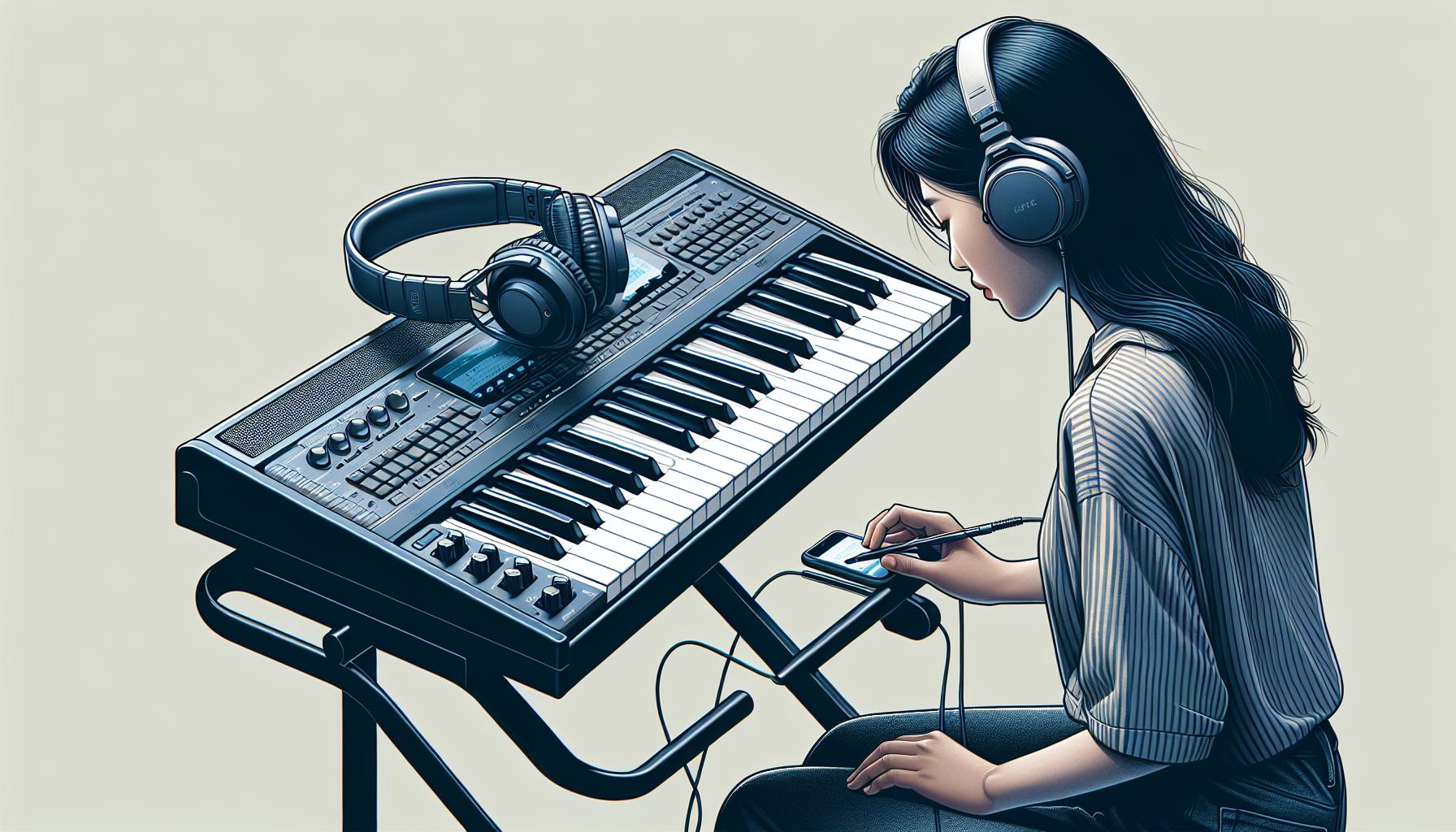
Category: Choosing Gear

  • Best Travel Keyboards for Beginners: Top Picks for 2023

    Best Travel Keyboards for Beginners: Top Picks for 2023

    Traveling musicians and beginners alike know the struggle of finding the perfect keyboard to take on the road. It’s got to be compact, durable, and of course, produce great sound. But with so many options out there, where does one even start?

    Enter the world of travel keyboards, a haven for the musically inclined wanderer. They’re not just about portability; they’re about unleashing creativity wherever you are. Whether you’re serenading the sunset on a beach or crafting melodies in a cozy hotel room, the right travel keyboard can make all the difference.

    Benefits of a Travel Keyboard

    When considering a travel keyboard, understanding its benefits can greatly influence a musician’s choice, especially for those just beginning their musical journey. These instruments are designed not only to be portable but also to enhance the playing and learning experience in numerous ways.

    First and foremost, travel keyboards are incredibly compact. They are often much smaller than their full-sized counterparts, which makes them ideal for musicians who are always on the move. Whether they’re hopping from one gig to another or exploring different cities, a travel keyboard easily fits into luggage or a backpack, eliminating the hassle of transporting large, bulky instruments. This compactness does not come at the cost of functionality. Many models offer a wide range of features, including a variety of voices and rhythms that cater to beginners trying to explore different styles of music.

    Another key benefit is their durability. Manufacturers of travel keyboards understand the rigors of the road and often design these instruments to withstand bumps, drops, and the occasional spill. Constructed from robust materials and featuring rugged designs, these keyboards ensure that musicians don’t have to worry about the wear and tear of travel affecting their instrument’s performance. This durability makes them a reliable option for beginners who may not yet be accustomed to handling music equipment with care.

    Sound quality is an aspect where travel keyboards truly shine. Despite their smaller size, many of these keyboards produce exceptional sound. This is vital for beginners who are developing their ear and learning to distinguish between tones and pitches. High-quality sound output ensures that new learners can practice effectively, making music that’s pleasing to the ear and encourages them to keep playing.

    Moreover, travel keyboards often come packed with learning features tailored for beginners. From built-in lessons to light-up keys that guide finger placement, these instruments are designed to facilitate the learning process. They provide an accessible way for novices to start their musical education, making it easier for them to grasp basic concepts and advance their skills.

    The flexibility and convenience offered by travel keyboards also foster creativity and spontaneity. Being able to play music whenever and wherever can be incredibly liberating for a musician. Beginners find that having an instrument they can take wherever they go allows them to practice more frequently, experiment with composing their own music, and even perform impromptu sessions that boost their confidence and performance skills.

    Factors to Consider when Choosing a Travel Keyboard

    When it comes to selecting the perfect travel keyboard for beginners, several factors come into play. Understanding what to look for not only simplifies the purchasing decision but also ensures that the musician gets an instrument that suits their needs and lifestyle.

    Size and Weight

    Firstly, portability is key. The size and weight of the keyboard are crucial factors to consider. Beginners should aim for a keyboard that’s lightweight and compact enough to carry around easily. These keyboards should snugly fit into luggage or a backpack, making them ideal companions for travelers.

    Key Count and Action

    Another vital aspect is the key count and action. Most travel keyboards come with a reduced number of keys, commonly ranging from 25 to 61 keys. While a lower key count enhances portability, it’s important to ensure that the keyboard still offers a sufficient range for practice and performance. The action of the keys, whether they’re weighted or semi-weighted, affects the playability and feel, which is essential for beginners trying to develop their technique.

    Connectivity Options

    The next consideration is connectivity. A good travel keyboard should offer a variety of connectivity options, such as USB, MIDI out, and Bluetooth. This flexibility allows beginners to connect their keyboard to computers, tablets, or smartphones for expanded functionality, such as using learning apps or recording software.

    Durability

    Since travel keyboards are designed to be on the move, durability is also a significant factor. Look for keyboards made with sturdy materials capable of withstanding the rigors of travel. Features like a solid build quality and protective cases or covers add an extra layer of security against bumps and impacts.

    Sound Quality and Features

    Despite their compact size, travel keyboards mustn’t compromise on sound quality. Beginners need clear, crisp sound to develop their musical ear and skill effectively. Furthermore, keyboards with a variety of built-in sounds, rhythms, and learning tools can greatly enhance the learning experience. Tutoring functions, playback options, and recording capabilities are invaluable for beginners to practice and monitor their progress.

    Battery Life

    Lastly, battery life becomes a consideration for those long journeys or practice sessions away from power sources. Keyboards that offer long battery life or the option to use rechargeable batteries provide musicians with the freedom to play whenever and wherever they choose.

    Top Features to Look for in a Travel Keyboard

    When embarking on the journey of finding the perfect travel keyboard for beginners, there are several key features that can make the experience more enjoyable and productive. Recognizing these characteristics can significantly enhance a newbie’s learning curve and overall satisfaction.

    Size and Weight: The essence of a travel keyboard is its portability. Beginners should seek out instruments that are both lightweight and compact, ensuring they can easily carry their keyboard wherever they go. A lighter keyboard makes for effortless transportation, be it to a friend’s house or a music class.

    Key Count and Action: The number of keys on a keyboard influences not only the range of music that can be played but also the space required for the instrument. Most travel keyboards have between 25 to 61 keys, with 49 keys being a popular middle ground for beginners. Additionally, the action of the keys, whether they are weighted or unweighted, affects the tactile experience and can aid in the transition to more traditional pianos in the future.

    Connectivity Options: In today’s digital age, connectivity is a critical feature. A travel keyboard with USB and Bluetooth capabilities can facilitate a more interactive learning experience. It allows beginners to connect to apps and software that offer tutorials, sheet music, and even recording functions.

    Durability: Travel implies movement, and movement can lead to wear and tear. A good travel keyboard must be built to withstand the rigors of transport. Durable materials and sturdy construction are must-have features to ensure the keyboard can handle being moved around frequently without sustaining damage.

    Sound Quality and Features: Despite the compact size, the sound quality shouldn’t be compromised. Beginners will benefit from a keyboard that offers a range of sounds and effects, as this allows for exploration and creativity. Additionally, built-in learning features such as light-up keys or integrated lesson functions can greatly assist in the learning process.

    Battery Life: Since travel keyboards are designed for mobility, they often rely on batteries for power. Long battery life is essential to avoid frequent interruptions. This ensures that learners can practice for extended periods without the need for constant recharging or battery replacements.

    Best Travel Keyboards for Beginners

    When embarking on a musical journey, the right equipment can make all the difference. For beginners seeking portability and quality, certain travel keyboards stand out for their exceptional features and user-friendly designs. Here, we explore some top recommendations that are perfect for those starting their keyboard learning adventure on the go.

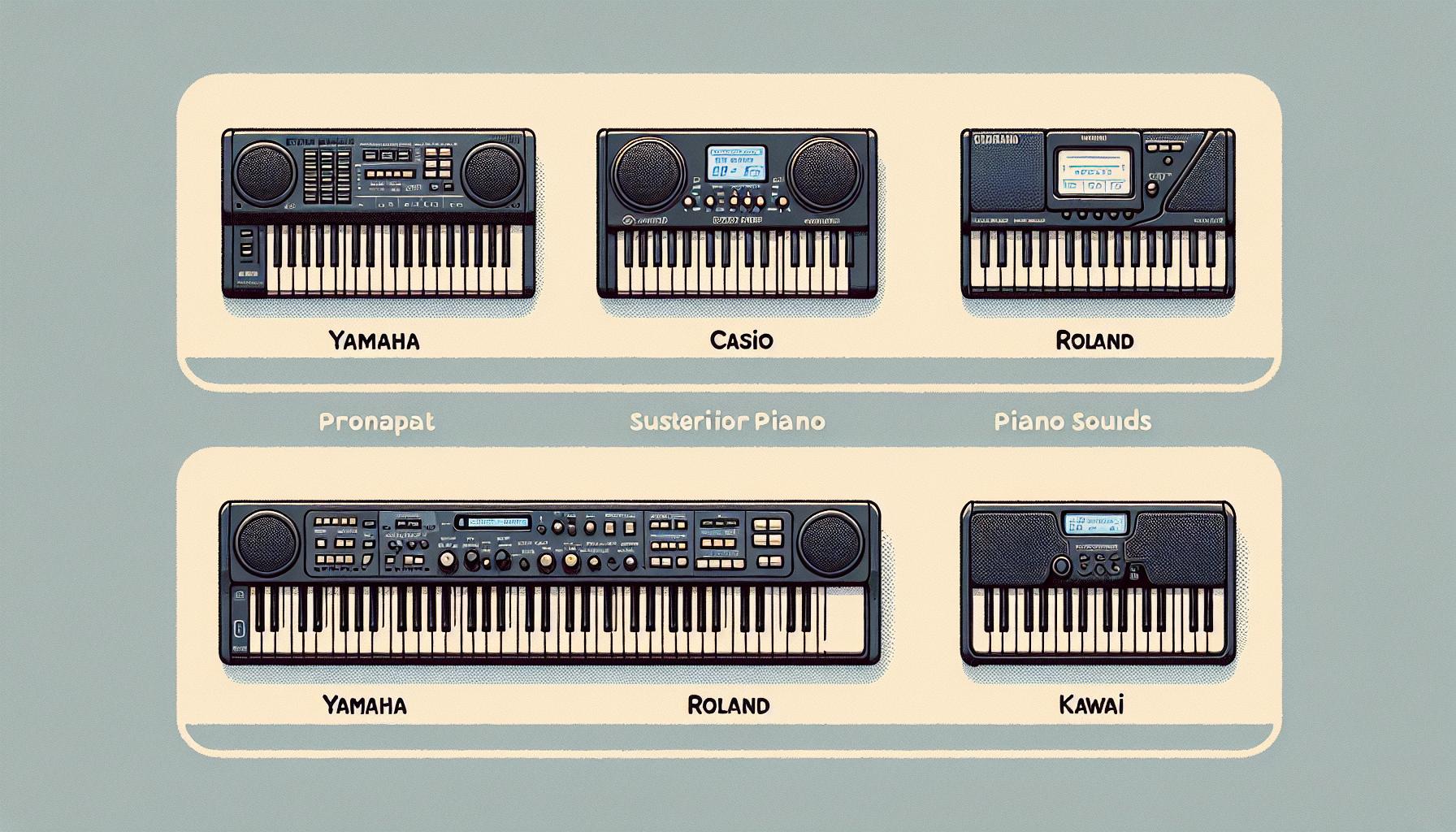
    Yamaha PSR-E263 Portable Keyboard

    Yamaha is renowned for crafting instruments that blend quality with user-friendliness, and the PSR-E263 is no exception. It’s an ideal choice for beginners, offering a comprehensive set of features:

    • 61 keys, perfect for learning and practicing.
    • A wide variety of 400 voices and 130 styles to explore different genres.
    • Compact and lightweight, making it easy to carry around.
    • Y.E.S. (Yamaha Education Suite) helps beginners learn with built-in lessons.

    Despite its wealth of features, it remains affordable and accessible, making it a top pick for new musicians.

    Casio CT-S200WE Portable Keyboard

    The Casio CT-S200WE stands out for its striking design and practicality:

    • It boasts 61 keys and is equipped with 400 tones and 77 rhythms, offering extensive versatility.
    • USB and aux-in connectivity enhances the learning experience by allowing beginners to play along with their favorite songs.
    • It’s incredibly lightweight, with a built-in carry handle for ease of transportation.
    • Features a Dance Music Mode, adding a fun, interactive layer to practice sessions.

    This model is designed for those who value portability and fun in their musical instrument.

    Roland GO:KEYS GO-61K

    Roland’s GO:KEYS GO-61K is perfect for creativity on the move:

    • With 61 keys, this keyboard uses Bluetooth connectivity to interact with smartphone apps, unlocking a world of digital music composition.
    • Its Loop Mix function allows beginners to build songs by simply playing notes, making music creation accessible to everyone.
    • The compact design and battery-operated power source ensure it can be played anywhere.
    • Delivers high-quality sound that Roland is known for, making every session enjoyable.

    This keyboard is aimed at beginners who are eager to explore music composition alongside learning to play.

    Conclusion

    Choosing the right travel keyboard marks the beginning of an exciting musical journey for beginners. Whether it’s the Yamaha PSR-E263 with its comprehensive learning suite, the Casio CT-S200WE designed for easy connectivity and fun music creation, or the Roland GO:KEYS GO-61K that opens up a world of composition through its innovative features, there’s something for everyone. Each of these keyboards shines in making learning both accessible and engaging, ensuring that beginners not only pick up the basics but also enjoy the process. They’re perfect companions for musical exploration, wherever the road takes them.

  • Top Beginner Synth Keyboards for Learning: Tips & Picks

    Top Beginner Synth Keyboards for Learning: Tips & Picks

    Diving into the world of music with a synth keyboard can be both exhilarating and a bit daunting for beginners. It’s like stepping into a new universe where the possibilities of creating sound are endless. But with the right beginner synth keyboard, learning the ropes can be more of an exciting adventure than a steep challenge.

    Choosing the perfect starter synth doesn’t have to be a puzzle. It’s all about finding that sweet spot between user-friendly features and the ability to grow with you as your skills flourish. Whether you’re dreaming of producing electronic masterpieces or simply looking to add a new dimension to your musical repertoire, the journey starts with that first keystroke.

    Understanding Synth Keyboards

    Entering the realm of synth keyboards opens up a fascinating world of musical exploration and creativity. For beginners, understanding the basic components and functionalities of these instruments is crucial for a fulfilling learning experience.

    Synth keyboards, at their core, are electronic instruments designed to generate sound. They do this through various methods such as analog synthesis, digital synthesis, and sometimes a hybrid of both. The beauty of synthesis lies in its ability to produce a vast range of sounds—from emulating traditional instruments like pianos and strings to creating entirely new, never-before-heard auditory experiences.

    One key aspect beginners should grasp is the difference between analog and digital synths:

    • Analog Synths generate sounds through analog circuitry and often have a warmer, more ‘organic’ tone.
    • Digital Synths use digital signal processing (DSP) to create sounds and offer greater versatility and stability.

    For those starting, digital synths might be more appealing due to their preset sounds and built-in learning features like step sequencers and tutorials. These tools can greatly assist in understanding music theory and composition.

    Another critical factor for beginners is the keyboard’s layout and the number of keys. Most beginner synth keyboards come in sizes ranging from 25 keys (2 octaves) to 61 keys (5 octaves). While smaller keyboards are more portable and cost-effective, larger keyboards provide a fuller range, allowing for more complex compositions. Here’s a quick reference:

    Number of Keys Octaves Best For
    25 2 Portability and simplicity
    37 3 Balance of range and size
    49 4 Intermediate compositions
    61 5 Full range and complexity

    Touch sensitivity is another feature that can greatly impact the playing experience. Keyboards with this capability can respond to the force of your touch, producing louder sounds when played hard and softer sounds when played gently, similar to an acoustic piano. This dynamic control is essential for expressing emotions through music.

    Connectivity options are also vital for modern musicians. Many beginner synth keyboards come equipped with USB MIDI connections, allowing them to easily interface with computers and other digital devices. This connectivity enables beginners to explore music production software, expanding their creative possibilities.

    Key Features to Look For

    When embarking on the journey to find the perfect beginner synth keyboard, there are several key features that one should keep an eye out for. These features not only make learning more manageable but also ensure that the instrument can grow with the user as they advance in skill.

    Polyphony is one of the first aspects to consider. Polyphony refers to the number of notes a synth can play at once. Beginners might not need a high polyphony count right off the bat, but having a keyboard that offers a decent range ensures that as one’s skills develop, they won’t be immediately limited by their instrument.

    Feature Ideal Range
    Polyphony 8 to 32 notes
    Keys 61-88 keys
    Connectivity USB, MIDI, Audio Out

    Another critical factor is the number of keys. Most full-size keyboards come with 88 keys, mimicking a traditional piano layout. However, beginners might find smaller options, such as 61 or 76 keys, more manageable and less intimidating. These sizes still offer plenty of range for learning and practice, plus they’re more portable.

    The type of keys also plays a pivotal role. Weighted or semi-weighted keys can provide a more realistic piano feel, which can be beneficial for beginners who later wish to transition to playing an acoustic piano. On the other hand, synth-action keys might be lighter and easier for creating dynamic electronic music.

    Connectivity options shouldn’t be overlooked, either. A synth with USB, MIDI, and audio out connections offers flexibility for recording, live performances, and integrating other gear into one’s setup. It’s also handy for accessing digital learning resources and software that can enrich the learning experience.

    Beginners should also look for synths that offer a range of built-in sounds and effects. These features allow for experimentation and can help keep practice sessions engaging and fun. The ability to layer sounds and use effects can greatly enhance the creativity of the music-making process, making it more enjoyable and rewarding.

    Lastly, don’t forget the importance of learning and practice features. Many beginner synth keyboards come with built-in lessons, metronomes, and songs. These tools can be incredibly valuable for self-learners, providing structured guidance and helping to develop timing and rhythm skills.

    • Built-in Lessons: Assist in learning fundamentals.
    • **Metronome

    Best Beginner Synth Keyboards on the Market

    When venturing into the world of synthesizers, the array of options can be overwhelming. However, there are a few standout beginner synth keyboards that strike the perfect balance between functionality, ease of use, and affordability. These selections not only cater to budding musicians’ needs but also offer room for growth and exploration.

    Yamaha Reface CS is a popular choice among beginners due to its intuitive layout and rich sound palette. With its 8-note polyphony, this compact synth allows for layered sounds and complex chords. The Reface CS shines in its simplicity, making it an ideal learning tool while providing enough depth for creative exploration. It boasts a range of onboard sounds and effects, eliminating the need for immediate additional equipment.

    The Roland JD-Xi combines analog and digital synthesis in one machine, offering a powerful, versatile tool for learners. With a 37-mini key layout, it’s easily portable yet packed with features. The JD-Xi includes a built-in drum machine and vocal FX, allowing beginners to experiment with composing full tracks. Its 128-note polyphony ensures that learners won’t quickly outgrow the synth.

    For those leaning towards software integration, the Novation MiniNova is an excellent fit. It’s not just its 37 synth-action keys that make it great for learners, but its extensive connectivity options including USB, MIDI in/out, and audio out make it ideal for those looking to dive into recording and production. The MiniNova comes with a massive range of sounds, and its Vocoder functionality adds an exciting layer to vocal processing.

    Here are a few standout features of these beginner synth keyboards:

    Feature Yamaha Reface CS Roland JD-Xi Novation MiniNova
    Polyphony 8 Notes 128 Notes Depends on Patches
    Number of Keys 37 Mini 37 Mini 37 Synth-Action
    Connectivity MIDI, USB MIDI, USB MIDI, USB, Audio Out
    Built-in Sounds Yes Yes Yes
    Portability High Medium High

    Tips for Learning and Improving Your Skills

    For those embarking on the journey of learning the synth keyboard, some fundamental practices can significantly enhance the learning curve. Understanding that each musician’s journey is unique, these tips aim to provide a holistic approach underpinning skill development and creativity.

    Start with the Basics

    It’s easy to jump ahead to complex compositions and soundscapes, but mastering the foundations is key. Begin with simple melodies and chords. They don’t just help in building muscle memory but also in understanding the relationship between different sounds and how they come together to create music. Grasping the basics strengthens your ability to explore and innovate as your skills advance.

    Practice Regularly

    Consistency is the cornerstone of mastery. Setting aside time each day for practice doesn’t only solidify what you’ve learned but also encourages continuous improvement. Even short, focused sessions are more beneficial than sporadic, lengthy ones. They’ve made practice less overwhelming and more a part of daily routine, gradually building both confidence and capability.

    Explore Different Genres

    The versatility of synth keyboards allows for exploration across various musical genres, each with its unique sound palette and playing techniques. Diving into genres outside of your comfort zone can unlock new creative potentials and broaden your understanding of musicality. It’s not just about playing different sounds, but about experiencing and integrating diverse emotional expressions and rhythmic patterns into your playing.

    Utilize Online Resources and Tutorials

    We live in an age where a vast array of learning materials is readily accessible. Online tutorials, forums, and courses offer insights from seasoned musicians and connect you with a community of learners. These resources can provide novel techniques, inspiration for sound design, and practical advice for troubleshooting common challenges. They’re invaluable for self-taught musicians and those seeking to supplement formal lessons.

    Experiment with Sound Design

    Synthesizers are not just instruments but also powerful tools for sound creation. Experimenting with different settings, waveforms, and effects can lead to the discovery of unique sounds and textures. It’s a process that encourages creativity and a deeper understanding of the synth’s capabilities. Engaging in sound design not only makes your music more personal but also enhances your technical proficiency with the instrument.

    Exploring Advanced Features

    Once beginners have mastered the essentials of playing synth keyboards, delving into the advanced features these instruments offer can significantly enhance their playing and sound design capabilities. Many beginner synth keyboards come equipped with a range of functions beyond the basic keys and sounds, which, when explored, can open up a whole new realm of musical creativity.

    Advanced Sound Manipulation

    One of the most exciting aspects of synthesizers is the ability to tweak and manipulate sounds to create something truly unique. Beginner models like the Yamaha Reface CS and Novation MiniNova provide users with options to alter waveforms, apply filters, and adjust envelopes. Learning how these parameters affect the sound can give budding musicians a deeper understanding of synthesis.

    • Waveforms control the basic character of the sound
    • Filters can remove certain frequencies to shape the sound
    • Envelopes influence how the sound behaves over time

    Spending time experimenting with these features, even on a smaller, more affordable keyboard, can significantly improve one’s ability to craft personalized sounds.

    Sequencers and Arpeggiators

    Sequencers and arpeggiators are tools that automate note patterns and rhythms, adding complexity to compositions with minimal effort. For example, the Roland JD-Xi comes with a built-in sequencer that can record and playback note sequences, making it a powerful feature for both learning and composition. Arpeggiators, on the other hand, take chords and automatically play the individual notes in a sequence, offering a quick way to create dynamic and engaging soundscapes.

    Understanding how to use these tools effectively can add depth to one’s music, fostering both compositional and performance skills.

    Connectivity and Integration

    In today’s digital age, the ability to connect a synth keyboard to external devices and software can greatly expand its functionality. Most beginner synth keyboards offer some form of connectivity, whether it’s through traditional MIDI ports or USB connections. This allows for integration with digital audio workstations (DAW), enabling recording, sound editing, and even access to virtual instruments.

    Exploring software integration can also introduce beginners to the world of music production, further broadening their musical capabilities. It’s fascinating to discover how a simple keyboard can transform into an entire studio setup with the right tools and understanding.

    Conclusion

    Choosing the right beginner synth keyboard is a journey that opens up a world of musical possibilities. With options like the Yamaha Reface CS, Roland JD-Xi, and Novation MiniNova, there’s a perfect fit for every aspiring musician’s needs and preferences. The journey doesn’t stop at the purchase, though. It’s about diving into the basics, committing to regular practice, and constantly pushing the boundaries of creativity and technical skill. By exploring various genres, delving into sound design, and leveraging technology, learners can transform their musical ideas into reality. The path from beginner to proficient synth player is filled with discovery, growth, and the joy of creating music that resonates. So, grab a synth and start this exciting musical adventure today!

  • Beginner’s Guide to Keyboards with Microphone Input: Setup & Tips

    Beginner’s Guide to Keyboards with Microphone Input: Setup & Tips

    In today’s tech-savvy world, combining music with technology opens up a universe of creativity, especially for beginners. A keyboard with microphone input is a game-changer, offering an all-in-one solution for those eager to explore the realms of music and voice. It’s not just about hitting the right notes; it’s about adding your voice to the melody, creating something truly unique.

    For beginners, the thought of navigating through the vast options of musical keyboards can be daunting. But fear not! There’s a perfect match for everyone, from those just dipping their toes into the musical world to budding musicians ready to take their first step into recording and performance. Let’s dive into the world of keyboards with microphone inputs, where every keystroke and vocal note opens the door to endless possibilities.

    Benefits of a Keyboard with Microphone Input

    When beginners choose a keyboard with a microphone input, they’re not just investing in an instrument; they’re opening the door to a world brimming with creative potential. This combination not only simplifies the setup required to explore both singing and playing but also encourages a more immersive experience in music creation.

    One of the primary advantages is the ease of use. For those just stepping into the realm of music, complicated setups can be daunting. A keyboard with a built-in microphone input eliminates the need for multiple devices, making the initial foray into music creation as straightforward as possible. This simplicity ensures that beginners can focus on what matters most: learning and enjoying music.

    Furthermore, the integration of a microphone input with a keyboard offers a significant benefit in versatility. It allows users to experiment with not just instrumental melodies but also to incorporate vocals. This duality can lead to a deeper understanding of how songs are structured and how instrumental and vocal harmonies complement each other.

    The creativity boost that comes from the ability to easily add vocals to keyboard play cannot be overstated. Beginners find that they can experiment with different sounds, genres, and techniques, leading to a more rounded musical education. They aren’t just practicing scales and chords; they’re creating music that feels fully theirs, often leading to a more profound emotional connection to their work and a stronger motivation to continue learning.

    Moreover, compatibility with learning and recording software adds another layer of convenience and potential. Many keyboards with microphone inputs can connect to computers and smartphones, enabling beginners to record their creations, share them, and even dive into the world of digital music production. This connectivity is crucial in the modern music-making landscape, offering a seamless transition from practice to performance or recording.

    Lastly, value for money is a significant consideration. Equipment costs can quickly accumulate for those new to music. Opting for a keyboard with a microphone input is a cost-effective choice that provides a multifunctional tool for both learning music and experimenting with voice, eliminating the need for additional expensive gear.

    Advantage Impact
    Ease of Use Simplifies setup, making music more accessible
    Versatility Encourages exploration of both instrumental and vocal music
    Creativity Boost Fuels experimentation and personal connection to music
    Compatibility with Software

    Choosing the Right Keyboard for Beginners

    When embarking on the musical journey, selecting the right keyboard is pivotal for beginners. The sheer variety of options available can be overwhelming. However, focusing on a few key features can simplify this process, ensuring the chosen instrument perfectly aligns with their aspirations and learning curve.

    Firstly, keyboard size plays a crucial role. For beginners, a 61-key keyboard is often recommended. It provides ample range for exploring various musical genres without the intimidation of a full 88-key piano. This size strikes a balance, offering enough keys to learn, play most songs, and understand basic music theory, without overwhelming the user.

    Touch sensitivity is another vital feature. Keyboards with touch-sensitive keys respond differently depending on how hard they’re pressed, much like an acoustic piano. This feature is essential for beginners as it fosters dynamic playing and a more expressive performance, laying the groundwork for advanced techniques.

    The inclusion of a microphone input cannot be overstated. This feature offers beginners the unique advantage of integrating vocals with their keyboard play. It allows them to experiment with singing while playing, which can be vastly beneficial for ear training and musical multitasking. Moreover, a microphone input paves the way for engaging in digital music production, offering a glimpse into the world of music technology.

    Moreover, considering preloaded sounds and rhythms can greatly enhance a beginner’s learning experience. Keyboards equipped with a variety of instrumental sounds, from strings to percussion, and built-in rhythms or drum patterns stimulate creativity. They invite users to explore different music styles and understand various musical structures. For beginners, this exploration is key to finding their musical preferences and inspiring continuous learning.

    Connectivity options such as MIDI or USB ports are equally important. They allow the keyboard to connect to a computer or mobile device, opening up a plethora of learning and recording software options. This compatibility not only aids in practicing and composing but also in sharing music, receiving feedback, and participating in online learning communities.

    Lastly, durability and portability should be considered. For beginners, especially younger players or those who might need to transport their instrument to lessons or performances, having a robust yet lightweight keyboard is beneficial. It ensures the instrument can withstand the initial learning phase and any travels it might accompany its player on.

    Exploring Features and Functions

    When delving into the world of music keyboards, especially for beginners, one can’t help but be amazed by the plethora of features and functions available. Among these, a keyboard with a microphone input stands out as an incredibly versatile tool. This feature not only promotes the integration of singing and playing but also paves the way for exciting opportunities in music education and creative expression.

    Keyboards tailored for beginners often come equipped with a range of functions designed to enhance the learning experience. Touch sensitivity is a prime example. This function, which allows the volume of the note to change depending on how hard the key is pressed, is crucial for developing dynamic playing skills. It teaches beginners the nuances of expressive playing, laying a foundation for more advanced techniques.

    Another significant feature is the array of preloaded sounds and rhythms. For learners, this is akin to having a whole orchestra at their fingertips. It enables them to explore various musical styles, from classical to pop, jazz to electronic. This exploration is not just fun but educational, broadening their musical horizons and keeping the learning process engaging.

    Connectivity options like MIDI or USB ports are like gateways to the digital music world. They allow the keyboard to connect to computers or tablets, giving beginners access to a vast array of music learning and production software. This connectivity fosters a deeper understanding of music theory, composition, and arrangement, making it an invaluable feature for those keen on delving into music production or simply wanting to record their progress.

    The importance of durability and portability cannot be overstated. For beginners, especially younger learners, a keyboard that can withstand the rigors of regular practice and is easy to transport is crucial. It ensures that the instrument remains a constant companion, whether at home, in the classroom, or on stage.

    Feature Importance
    Microphone Input Allows for vocal integration, aiding in ear training and digital music production.
    Touch Sensitivity Enhances dynamic playing, teaching the nuances of expressive playing.
    Preloaded Sounds and Rhythms Encourages exploration of different music styles, keeping learning engaging.
    MIDI/USB Connectivity Facilitates connection to learning and recording software, deepening music theory understanding.
    Durability and Portability Ensures the keyboard withstands regular use and is easy to transport for lessons or performances.

    Tips for Using the Microphone Input Effectively

    Integrating a microphone into keyboard practice sessions can transform the learning experience for beginners. It not only allows them to accompany their own singing or speaking but also opens up a myriad of creative possibilities. Here are some invaluable tips for beginners to make the most out of their keyboard’s microphone input.

    Firstly, they should ensure the microphone is compatible with their keyboard. Most keyboards with a microphone input require a specific type of microphone, usually a dynamic mic, which is known for its durability and ability to handle high sound pressure levels. Checking the keyboard’s manual for compatibility and connection guidelines is a wise first step.

    Positioning the microphone correctly is crucial. It should be placed at a comfortable distance where it can clearly capture the voice without any distortion or unwanted noise. Beginners might need to experiment with different positions to find the sweet spot where their vocals blend seamlessly with the sound of the keyboard.

    Adjusting the volume levels is another key factor. The balance between the microphone and keyboard’s volume should be such that neither overpowers the other. Beginners should start with lower volumes, gradually increasing them to reach the desired mix where their voice harmonizes with the music.

    Moreover, engaging with the built-in features of the keyboard can enrich the learning and performing experience. Many keyboards come with effects like reverb or echo that can enhance vocals. Experimenting with these effects can not only make practicing more enjoyable but also help in understanding how to layer sounds effectively.

    Exploring the range of genres and songs that incorporate keyboard and vocals is also beneficial. This can inspire beginners and help them discover the styles that resonate most with them, encouraging consistent practice and exploration.

    Lastly, recording sessions can be incredibly valuable. Most modern keyboards with a microphone input offer recording capabilities. Listening back to these recordings can provide beginners with feedback on their progress, highlight areas for improvement, and boost their confidence.

    In essence, using the microphone input effectively comes down to experimentation, practice, and creative exploration. These tips aim to enhance the learning journey for beginners as they embark on the exciting path of integrating singing or speaking into their keyboard play.

    Setting Up for Recording and Performance

    Setting up for recording and performance with a keyboard that features a microphone input can initially seem daunting for beginners. However, with a few straightforward steps, they’ll quickly find themselves creating music that not only sounds great but feels professionally done.

    The first step is ensuring that all the necessary equipment is in place. This includes the keyboard itself, a compatible microphone, and, if required, an audio interface to connect the microphone to the keyboard. For keyboards that don’t support direct microphone input, an audio interface acts as a bridge, ensuring the microphone’s sound can be incorporated seamlessly.

    Next, positioning is key. Beginners should place the microphone close enough to capture their voice clearly but at a distance that prevents popping sounds or breathing noises from being too prominent. It’s a delicate balance that is often found through trial and error. Equally, the keyboard should be positioned in a comfortable place, allowing for easy access to its controls during performance or recording.

    Volume levels are another crucial consideration. They need to adjust the volume of both the microphone and the keyboard to achieve a harmonious blend of vocals and instrumentals. This might mean turning down the volume of the keyboard to allow the vocals to shine through or vice versa, depending on the desired effect.

    After these preparations, it’s time to dive into the built-in recording features most keyboards with microphone inputs offer. They should familiarize themselves with the recording process, understanding how to start, pause, and stop recording as needed. This understanding enables them to capture their performances effectively, allowing for immediate playback and evaluation.

    Experimentation plays a significant role in this stage. They’re encouraged to try recording different genres of music, incorporating the use of built-in effects, and even layering multiple vocal tracks if possible. This exploration not only enhances their skill set but also aids in discovering their unique sound.

    For those aiming to perform live, it’s essential to practice with the microphone and keyboard setup just as they would during a performance. This means running through their set, making any necessary adjustments to their setup, and becoming comfortable with the transitions between speaking or singing and playing.

    Additionally, they should not overlook the importance of sound checks before a live performance. This involves testing the microphone and keyboard setup on the actual performance sound system to ensure everything works perfectly and adjusting the sound levels as needed to suit the venue.

    Conclusion

    Venturing into the world of keyboards with microphone inputs opens up a new realm of musical exploration for beginners. With the right setup and a bit of practice, anyone can blend instrumental and vocal performances seamlessly. Remember the importance of experimenting with your sound and the value of consistent practice. Whether you’re aiming for recording or live performances, mastering the art of balance between your keyboard and microphone will elevate your music. So grab your gear, dive into the creative process, and let your unique sound resonate.

  • Best Beginner Keyboards for Adults: Top Picks & Buying Guide

    Best Beginner Keyboards for Adults: Top Picks & Buying Guide

    Stepping into the world of music can be as thrilling as it is daunting, especially for adults picking up an instrument for the first time. The keyboard, with its inviting layout and versatility, often becomes the gateway for many. But with so many options out there, finding the right beginner keyboard can feel like searching for a needle in a haystack.

    Luckily, it’s not all about fancy features and hefty price tags. The best beginner keyboards for adults balance simplicity with functionality, ensuring a smooth learning curve without skimping on the essential learning tools. Whether it’s for pursuing a long-held passion or simply exploring a new hobby, the right keyboard can make all the difference.

    Benefits of Learning to Play the Keyboard as an Adult

    Learning to play the keyboard as an adult comes with a suite of benefits that enrich one’s life in unexpected ways. Many believe that childhood is the prime time for picking up a musical instrument. However, adults have unique advantages and opportunities that can make their musical journey fulfilling and enjoyable.

    Firstly, adults bring a level of life experience and emotional depth to their musical practice that can profoundly influence their interpretation and appreciation of music. They’re often able to connect with the pieces they play on a more personal level, bringing a richness to their musical expression that’s hard to replicate in younger players.

    Secondly, learning the keyboard can be an excellent form of mental exercise. It engages the brain in unique ways, involving coordination, memorization, and multitasking. For adults, this can be particularly beneficial, aiding in cognitive maintenance and even improvement. Studies have shown that learning a musical instrument can enhance memory, attention, and problem-solving skills. Here’s a quick look at some compelling data:

    Benefit Description
    Enhanced Memory Music training can improve both verbal memory and spatial reasoning.
    Better Problem-Solving Skills Musicians often score higher in math and science disciplines.
    Increased Attention to Detail Learning to read music and play an instrument requires focus and precision.

    Additionally, the keyboard is a social instrument, capable of bringing people together. Adults learning the keyboard may find themselves forming new social connections through music classes, groups, or performances. It’s a wonderful avenue for meeting like-minded individuals and creating a community bound by the love of music.

    Another significant benefit is the improvement of emotional well-being. Playing music is known to reduce stress, alleviate symptoms of anxiety, and even combat depression. The keyboard offers an accessible way for adults to express their emotions, immerse in a creative outlet, and achieve a sense of accomplishment as they progress.

    Moreover, the keyboard is a versatile instrument, capable of mimicking the sounds of several instruments and thus allowing adults to explore various musical genres. Whether they’re interested in classical piano pieces, jazz improvisation, or contemporary pop songs, the keyboard offers endless possibilities for musical exploration and enjoyment.

    Key Features to Look for in a Beginner Keyboard

    When embarking on the journey of learning the keyboard as an adult, selecting the right instrument is crucial. A beginner keyboard should offer both the functionality to enhance learning and the simplicity to keep the user engaged without overwhelming them. Here are some key features adults should consider when choosing a beginner keyboard.

    Touch-Sensitive Keys play a pivotal role in developing dynamics in music. They respond differently based on how hard they’re pressed, closely mimicking the feel of an acoustic piano. This feature allows learners to explore and express a wide range of emotions through their music, making the learning process more enriching and enjoyable.

    Another essential feature is the Number of Keys. A full-sized piano comes with 88 keys, but for beginners, a keyboard with at least 61 keys is sufficient. This provides enough range to learn, play most music, and understand the layout of the keys without feeling limited.

    A wealth of Built-In Sounds and Rhythms can significantly benefit beginners by making practice sessions more fun and engaging. Exploring different sounds and rhythms can spark creativity and keep the learning process interesting. It’s also a great way for adults to explore various musical genres, echoing the versatility of the keyboard as an instrument.

    The Learning Tools and Connectivity Options offered by modern keyboards add immense value to a learner’s journey. Features like built-in lessons, metronomes, and the ability to connect to apps or software through USB or MIDI can enhance practice sessions. They provide structured learning paths and the flexibility for self-paced learning, which is particularly beneficial for adults balancing their musical pursuits with other responsibilities.

    Lastly, Portability and Size matter, especially for adults who might have space constraints or lead a mobile lifestyle. A compact and lightweight keyboard can be easily stored away or taken along for practice outside the home or during travels.

    Feature Importance
    Touch-Sensitive Keys Essential for expressing dynamics in music
    Number of Keys At least 61 keys recommended for beginners
    Built-In Sounds and Rhythms Keeps practice engaging and allows exploration of musical genres
    Learning Tools and Connectivity Enhances practice with structured lessons and flexibility for self-learning
    Portability and Size Important for adults with space constraints or those who travel

    Top Beginner Keyboard Models for Adults

    When embarking on the musical journey of learning the keyboard, selecting the right instrument is crucial for adults. This section introduces some of the top beginner keyboard models that cater to the needs of adult learners, ensuring a blend of quality, accessibility, and features that foster musical growth.

    Yamaha PSR-E373

    The Yamaha PSR-E373 stands out for its touch-sensitive keys, replicating a more traditional piano feel. With 61 keys, it’s designed to accommodate the learning curve of beginners while still offering enough range for players to explore as they advance. It boasts an impressive array of 622 built-in sounds, allowing learners to experiment with different musical styles. The PSR-E373 also includes a range of learning tools, such as the Yamaha Education Suite, which guides users through lessons and tracks progress.

    Casio CTK-2550

    The Casio CTK-2550 is an excellent choice for adults seeking a keyboard that balances functionality with ease of use. It features 61 keys and offers 400 high-quality tones alongside 150 built-in rhythms, providing ample opportunities for creative exploration. The keyboard’s compact design makes it ideal for those with limited space. Additionally, the Step-Up Lesson System breaks down complex pieces into manageable components, facilitating self-paced learning.

    Alesis Recital

    With 88 full-sized semi-weighted keys, the Alesis Recital is a perfect option for adults aspiring towards a more authentic piano experience. What sets it apart is its adjustable touch response, catering to personal playing styles. It comes loaded with 5 voices (Acoustic Piano, Electric Piano, Organ, Synth, and Bass) and can run on power or batteries, making it both versatile and portable. The Recital also features built-in speakers and offers free three-months access to Skoove, an online piano course, making it highly appealing for beginners.

    Tips for Choosing the Right Keyboard for Your Needs

    When diving into the sea of keyboard options for beginners, it’s essential to keep a few pivotal factors in mind. The aim is to find an instrument that not only caters to current skills but also supports growth and development across the musical journey.

    Firstly, weight and key action should top the consideration list for new players. Many beginners appreciate keyboards with touch-sensitive keys, as they help mimic the feel of an acoustic piano. Touch-sensitive keyboards allow for dynamic playing, as the volume changes with the pressure applied to the keys. This feature is crucial for developing expressiveness in music.

    Moreover, the number of keys on a keyboard significantly impacts its utility and the type of music one can play. For standard use, a 61-key keyboard offers enough range to play a wide variety of music. However, those aiming for a more authentic piano experience might lean towards an 88-key model, giving them the full octave range of a traditional piano.

    Another vital aspect is sound quality and variety. It’s beneficial for learners to have access to a wide array of sounds and instruments to explore different music styles. Keyboards like the Yamaha PSR-E373 and Casio CTK-2550 boast hundreds of in-built sounds, providing a rich palette for musical exploration. It’s not just about having multiple options but also ensuring the sounds are of high quality, enhancing the overall playing and learning experience.

    The learning tools and resources a keyboard offers can significantly streamline the learning process for beginners. Features such as built-in lesson modes, like the Yamaha Education Suite or Casio’s Step-Up Lesson System, are invaluable for self-learners. Additionally, connectivity to apps and online platforms can open up a world of tutorial content, making practice both fun and effective.

    Lastly, portability and connectivity are practical considerations that shouldn’t be overlooked. For adults with busy lifestyles, a portable keyboard that’s easy to store and transport can make a big difference. Moreover, USB and MIDI connectivity options allow for easy recording and integration with computer-based music software, expanding creative possibilities.

    Feature Description
    Weight and Key Action Prefer keyboards with touch-sensitive keys for a dynamic playing experience.
    Number of Keys 61-keys for standard use, 88-keys for an authentic piano experience.
    Sound Quality and Variety

    Conclusion

    Choosing the right beginner keyboard is a crucial step for adults embarking on their musical journey. It’s not just about the number of keys or the sound quality; it’s also about finding a keyboard that supports growth and creativity. With options like the Yamaha PSR-E373 and Casio CTK-2550, beginners have access to instruments that offer a blend of versatility, expressiveness, and convenience. Whether it’s through the Yamaha Education Suite or Casio’s Step-Up Lesson System, these keyboards provide valuable learning tools that make the journey enjoyable and effective. Remember, the best keyboard is one that meets your needs while inspiring you to explore the world of music with enthusiasm and confidence. Happy playing!

  • Top Affordable Portable Keyboards with Weighted Keys for Every Skill Level

    Top Affordable Portable Keyboards with Weighted Keys for Every Skill Level

    Finding the perfect musical companion that doesn’t break the bank can be a daunting task, especially for those in search of a portable keyboard that mimics the touch of an acoustic piano. Enter the world of affordable portable keyboards with weighted keys, a haven for both budding and seasoned pianists who yearn for that authentic feel without the hefty price tag.

    These keyboards strike a harmonious balance between cost and quality, offering features that cater to both learning and performance needs. Whether you’re practicing in a small apartment, performing at a local gig, or carrying your instrument from studio to studio, there’s a keyboard out there that fits the bill perfectly.

    So, if you’re on the hunt for a musical partner that won’t leave your wallet empty but still delivers on quality and performance, you’re in the right place. Let’s dive into the realm of affordable portable keyboards with weighted keys and discover how you can get your hands on the ideal one.

    Understanding Weighted Keys in Keyboards

    When embarking on the journey to find the perfect portable keyboard, it’s essential to understand what sets weighted keys apart from their unweighted counterparts. Weighted keys are designed to mimic the resistance and touch of an acoustic piano’s keys. This feature is critical for those aiming to develop or maintain proper finger technique and strength, as playing on weighted keys offers a tactile experience similar to that of a traditional piano.

    Weighted keys come in various forms, including semi-weighted, hammer action, and graded hammer action. Each type offers a different level of resistance and tactile feedback, affecting the playing experience.

    • Semi-weighted keys blend the spring-loaded action of unweighted keys with added resistance, making them an economical choice for beginners.
    • Hammer action keys incorporate actual mechanical hammers, providing a level of realism that closely resembles an acoustic piano.
    • Graded hammer action keys replicate the nuanced weight differences across an acoustic piano’s keyboard, with lower notes requiring slightly more force than higher ones.

    Understanding these distinctions is paramount for selecting a keyboard that not only fits within a budget but also meets the individual needs of the player.

    The benefits of playing on a keyboard with weighted keys extend beyond the tactile feedback. Research has shown that musicians who practice on weighted keyboards can improve their dynamic control and expressiveness, enhancing their overall performance quality. This is because the resistance of weighted keys allows for more nuanced control over volume and articulation, crucial skills for any pianist aiming to convey emotion through their music.

    Moreover, transitioning from a keyboard to an acoustic piano becomes significantly easier with the experience of weighted keys. The similarity in touch and response facilitates a smooth transition, reducing the learning curve for players who aim to perform on both platforms.

    Despite the advantages, the challenge lies in striking a balance between cost and quality. It’s not uncommon to assume that a higher price tag equates to a better instrument. However, the market is teeming with affordable options that don’t compromise on the feel and responsiveness of weighted keys. Manufacturers have managed to harness advanced technology to produce cost-effective models that deliver the desired tactile experience without the steep investment of an acoustic piano.

    • The range of sounds and voices available
    • Built-in metronomes and learning tools
    • Connectivity options for computers and other devices

    Benefits of Portable Keyboards for Musicians

    Portable keyboards with weighted keys offer an array of advantages for musicians, whether they’re beginners or seasoned professionals. In today’s fast-paced world, the ability to take your music with you wherever you go is invaluable. These instruments combine the authentic feel of an acoustic piano with the flexibility and convenience of a portable design, making them an excellent choice for performers and composers alike.

    One of the primary benefits of these keyboards is their accessibility. Unlike traditional pianos that are stationary and require significant space, portable keyboards can easily fit into a musician’s lifestyle, whether they’re playing at home, in a studio, or performing live. This mobility ensures that practice or composition can happen anytime, anywhere, eliminating the constraints of location and allowing for spontaneous creativity.

    In addition to their portability, these keyboards also offer an impressive range of features that can enhance a musician’s versatility and creativity. Many models come equipped with a variety of sounds and tones, from grand pianos to orchestral instruments, enabling musicians to explore different genres and styles without the need for multiple instruments. Built-in metronomes, recorders, and learning tools further support a musician’s development, making practice sessions more effective and enjoyable.

    Another significant advantage is the cost-effectiveness of portable keyboards with weighted keys. They provide a cost-efficient alternative to acoustic pianos without compromising on the quality of the playing experience. Musicians can enjoy the nuanced touch and feel of weighted keys, crucial for dynamic control and expressiveness, without the hefty price tag and maintenance costs associated with traditional pianos.

    Moreover, these keyboards are durable and low-maintenance, designed to withstand the rigors of travel and frequent use. This durability ensures that musicians can rely on their instruments to perform consistently, regardless of where their music takes them.

    For those looking to bridge the gap between traditional pianos and digital convenience, portable keyboards with weighted keys are a smart investment. They offer a balance of practicality and performance that can accommodate the needs of a wide range of musicians.

    Given these benefits, it’s clear why portable keyboards with weighted keys are becoming increasingly popular among musicians. They embody the ideal blend of tradition and innovation, providing a versatile tool that supports the creative process and adapts to the dynamic lifestyle of modern performers. Whether you’re a beginner looking to develop your skills or a professional seeking a reliable and expressive instrument, these keyboards offer something for everyone.

    Features to Look for in an Affordable Portable Keyboard

    When shopping for an affordable portable keyboard with weighted keys, several features stand out as must-haves for musicians. Weighted keys top the list, providing a more realistic touch and playing experience akin to an acoustic piano. This feature is crucial for those who aim to transition between digital and traditional pianos seamlessly.

    Beyond the touch, polyphony is a term that frequently pops up. It refers to the number of individual notes a keyboard can produce at once. For beginners, a 32-note polyphony may suffice, but advanced players might look for 64-note or even 128-note polyphony to ensure complex pieces of music are delivered with clarity and without note drop-outs.

    Sound quality is non-negotiable. The richness and authenticity of the sound can greatly influence a musician’s performance and enjoyment. Affordable portable keyboards now often include multiple sound options, ranging from various piano tones to orchestral and synthesizer sounds, offering a palette for creativity.

    Connectivity options add to a keyboard’s versatility. USB/MIDI connections allow musicians to connect to computers and recording equipment, turning their keyboard into a powerful tool for composition and production. An auxiliary input for playing along with music from a phone or MP3 player is a boon for practice sessions, making learning both fun and effective.

    Here’s a quick rundown of the essential features to look for:

    • Weighted Keys: For a realistic playing experience.
    • Polyphony: Higher numbers ensure more complex pieces are heard clearly.
    • Sound Quality: Look for a rich, authentic sound and a variety of tones.
    • Connectivity: USB/MIDI ports and auxiliary input for versatility.

    Lastly, the inclusion of built-in lessons and a metronome can be incredibly beneficial for beginners. These tools support learning and improve timing, respectively, providing a solid foundation for musical education. Some keyboards even offer interactive learning with apps and software, which can be particularly engaging for young learners.

    Durability and portability also merit consideration. Musicians on the move should look for sturdy yet lightweight designs that can withstand the rigors of travel without adding too much to the load. A compact size that doesn’t sacrifice octaves is ideal for those with limited space at home or in a studio.

    Top Affordable Portable Keyboards with Weighted Keys

    When diving into the world of music, finding a portable keyboard that’s both affordable and equipped with weighted keys can seem daunting. Yet, many manufacturers have risen to the challenge, offering instruments that don’t skimp on quality for price. For aspiring musicians and seasoned professionals alike, these keyboards strike the perfect balance between portability, functionality, and affordability.

    First on the list is the Casio CDP-S150. Renowned for its realistic feel reminiscent of an acoustic piano, this model boasts 88 fully weighted keys and a slim, sleek design that makes it ideal for musicians on the move. Despite its compact size, it doesn’t compromise on sound quality, featuring Casio’s proprietary sound source, ensuring that each note played is both clear and dynamic.

    Next, the Yamaha P-45 stands out not only for its authenticity in touch but also for its Advanced Wave Memory (AWM) sampling, which captures the essence of acoustic piano sounds. This technology, combined with its 64-note polyphony, allows for the playing of complex pieces without note drop-out. What’s more, its simplicity and ease of use make it a top pick for beginners and professionals seeking a straightforward, high-quality instrument.

    Another noteworthy contender is the Alesis Recital Pro. Offering 88 hammer-action keys, this keyboard goes above and beyond to provide a responsive playing experience. With 12 built-in voices and the ability to split or layer sounds, versatility is at the fingertips of its users. Additionally, features such as the built-in metronome, recording capability, and educational modes support learners at every stage of their musical journey.

    For those prioritizing connectivity, the Roland FP-10 emerges as a leading option. Alongside its PHA-4 Standard Keyboard, which guarantees the most authentic feel, this model is equipped with Bluetooth MIDI and USB connectivity, allowing for easy integration with educational and recording software. Its compact and lightweight design, combined with unrivaled sound projection technologies, makes it a top choice for performers and composers looking to blend quality with convenience.

    To give a clearer picture of these offerings, here’s a quick rundown:

    Keyboard Model Key Features Polyphony Connectivity
    Casio CDP-S150 88 Weighted Keys, Slim Design, Sound Source 64

    Tips for Choosing the Right Keyboard for Your Needs

    When diving into the world of music through the keys of a portable keyboard, it’s crucial to find an instrument that not only fits your budget but also ticks all the boxes for your specific needs. Here are some valuable insights to guide you in your search for the perfect portable keyboard with weighted keys.

    Consider Your Skill Level

    First, assess your skill level. Are you a beginner looking to learn the basics, or are you an experienced player in need of advanced features? Beginners might find keyboards like the Alesis Recital Pro appealing due to their user-friendly interfaces and learning tools. In contrast, more experienced musicians could lean towards models like the Yamaha P-45 or Roland FP-10, which offer intricate features and superior sound quality essential for detailed compositions and performances.

    Evaluate the Key Action

    The essence of a weighted keyboard is its ability to mimic the touch, feel, and response of an acoustic piano. There are varying degrees of weighted action:

    • Semi-weighted keys provide a lighter touch, suitable for beginners.
    • Hammer action keys replicate the mechanism of an acoustic piano more closely, preferred by intermediate to advanced players.

    It’s vital to choose a keyboard that provides a comfortable playing experience, facilitating growth and skill improvement over time.

    Polyphony Counts

    Polyphony refers to the number of individual notes a keyboard can produce at one time. For learners and hobbyists, a polyphony of 32 to 64 notes is generally sufficient. However, for advanced players and those interested in layering sounds or complex compositions, looking for keyboards with a polyphony of 128 notes or more is advisable. Higher polyphony enhances the richness and depth of the music, allowing for more expressive performances.

    Skill Level Recommended Polyphony
    Beginner 32-64
    Intermediate 64-128
    Advanced 128+

    Connectivity Matters

    In today’s digital age, the ability to connect your keyboard to a computer or mobile device opens up a world of opportunities for music production and learning. Look for keyboards that offer USB or MIDI connectivity, as well as Bluetooth capabilities for wireless connections. Models like the Roland FP-10 shine in this area, offering seamless integration with music software and apps.

    Conclusion

    Choosing the right portable keyboard with weighted keys boils down to understanding one’s own musical journey and the features that best support it. Whether it’s a beginner seeking simplicity and ease of use or an experienced musician in search of rich sound and intricate features, there’s a keyboard out there that fits the bill. Remember, the key action, polyphony, and connectivity options play crucial roles in bringing your music to life. So, take a moment to reflect on what you really need from your instrument. After all, the perfect keyboard isn’t just about the specs—it’s about how it makes you feel when you play.

  • Is a Used Keyboard Worth It? A Beginner’s Buying Guide

    Is a Used Keyboard Worth It? A Beginner’s Buying Guide

    Stepping into the world of music can be as thrilling as it is daunting, especially when it comes to choosing the right instrument. For beginners eager to tickle the ivories without breaking the bank, a used keyboard presents an appealing option. But is it really a good choice for those just starting their musical journey?

    Navigating the second-hand market can be a bit like treasure hunting. There’s the potential to uncover a gem that’s perfect for learning the basics and beyond. Yet, it’s also a realm where caution and knowledge are key. Let’s dive into the pros and cons of opting for a used keyboard, helping beginners make an informed decision that harmonizes with their aspirations and budget.

    Factors to Consider When Choosing a Keyboard for Beginners

    Selecting the right keyboard is a crucial step for beginners on their musical journey. The market is flooded with options, ranging from brand-new, high-tech models to more budget-friendly used ones. Before diving into the decision, there are several important factors every beginner should consider.

    Set a Budget

    First and foremost, establishing a budget is essential. Keyboards come in a wide price range, and setting a budget helps narrow down the options. It’s not uncommon for beginners to opt for more affordable models, such as used keyboards, to start their musical journey without breaking the bank.

    Assess Your Goals

    Understanding what you want to achieve is crucial. Are you dabbling in music as a hobby or do you have aspirations to become a professional musician? If it’s just for fun, a basic model might suffice. However, if you’re aiming for more advanced play, look for features that will grow with you.

    Consider the Features

    Keyboards come with a variety of features, some of which are more important for beginners than others. Here are a few to keep an eye out for:

    • Weighted keys: offer a more realistic piano touch, which is helpful for learning proper finger technique.
    • Touch sensitivity: allows for dynamic playing, making soft sounds softer and loud sounds louder based on how hard the keys are pressed.
    • Number of keys: a standard piano has 88 keys, but beginners might start with a keyboard that has fewer. Just ensure it meets your long-term learning goals.

    Think About Portability

    For many beginners, especially younger players or those with limited space, portability might be a significant factor. Smaller keyboards are easier to transport and store when not in use.

    Research Brand and Model Reliability

    Before making a purchase, especially when considering a used keyboard, researching the brand and specific model is vital. Look for reviews and ratings from other users to gauge reliability, durability, and overall satisfaction.

    Sound Quality

    Sound quality is often tied to price, but advances in technology have made even lower-priced keyboards sound decent. Beginners should look for a keyboard that offers clear, natural sounds to make the learning process more enjoyable and effective.

    Connectivity Options

    In today’s digital age, having a keyboard with connectivity options such as USB ports can be a huge plus. This feature allows beginners to connect to computers and mobile devices for educational apps and software, expanding learning opportunities.

    Advantages of Purchasing a Used Keyboard

    When embarking on the musical journey, beginners often face the challenge of finding a high-quality instrument that fits within their budget. Opting for a used keyboard presents a plethora of benefits that can make this quest both economical and rewarding. One of the pivotal advantages of purchasing a used keyboard is the cost-effectiveness it offers. By exploring the second-hand market, beginners can gain access to high-end models that were otherwise out of reach due to their steep new prices.

    Cost-Effectiveness

    Used keyboards are significantly cheaper than their brand-new counterparts. This price difference allows beginners to allocate more of their budget towards other essential resources, such as music lessons or additional equipment. For instance:

    Condition Average Price of Beginner Keyboard Average Price of High-End Keyboard
    New $300 $1,500
    Used $150 $750

    This table illustrates the potential savings avid learners can achieve by opting for used instruments. The money saved can be used to invest in learning materials or even in upgrading other gear related to their musical venture.

    Access to Higher Quality Instruments

    Another compelling advantage is the access to higher quality instruments. Beginners often start with lower-end models due to budget constraints, limiting their potential learning experience. However, a used market opens up opportunities to buy mid to high-end keyboards at a fraction of the cost, offering superior sound quality, build, and features that can enhance the learning process. This access not only improves the beginner’s practice sessions but also prolongs the instrument’s relevance as the player’s skills advance.

    Environmental Sustainability

    Moreover, purchasing a used keyboard promotes environmental sustainability. Every used keyboard bought is one less new instrument that needs to be produced, reducing the demand for raw materials and energy consumption associated with manufacturing. This choice not only benefits the individual buyer but also contributes to a larger movement towards reducing waste and supporting a more sustainable economy within the music industry.

    Risk Mitigation With Research

    While the advantages are compelling, potential buyers should approach the purchase with diligence. Researching the model, checking for wear and tear, and even playing the instrument before purchasing if possible are critical steps in ensuring the used keyboard meets their expectations. Online forums, reviews, and trusted sellers are valuable resources for making an informed decision.

    Potential Drawbacks of Opting for a Second-Hand Keyboard

    While buying a used keyboard presents numerous advantages, especially for beginners, it’s vital to consider the potential drawbacks to make an informed decision. Second-hand musical instruments, including keyboards, can come with their own set of challenges and risks that buyers need to be aware of.

    One major concern is the condition of the instrument. A used keyboard may have hidden wear and tear that isn’t immediately apparent. This can include anything from sticky keys, malfunctioning buttons, to internal electronic issues that can affect the sound quality and the overall playing experience. Regular maintenance might have been neglected by the previous owner, leading to unforeseen repair costs down the line.

    Another factor to consider is the lack of warranty and return policy. Most new keyboards come with manufacturer warranties and return policies that provide a safety net should there be any issues with the instrument. However, second-hand purchases, especially from individual sellers, often do not offer these protections. This means if the keyboard has any problems, the buyer might be left with a faulty instrument and no recourse for refunds or exchanges.

    The availability of accessories and parts can also pose challenges. Older keyboard models might not have easily accessible replacement parts or compatible software updates. This could limit the instrument’s lifespan and potentially increase costs if parts need to be sourced from specialized dealers.

    Furthermore, the technological advancement in musical instruments means newer models often come with updated features and better sound quality. Beginners might miss out on these improvements by opting for an older, used model. While this might not impact the foundational learning experience, it could limit their progression and exploration of more advanced techniques and sounds later on.

    Before making a decision, it’s crucial for potential buyers to:

    • Inspect the keyboard thoroughly, ideally with someone knowledgeable about musical instruments.
    • Test the instrument to ensure all keys and functions are working as intended.
    • Research the specific model to understand its features, common issues, and whether it meets their learning needs.
    • Consider the cost of potential repairs and upgrades in comparison to the price of a new keyboard with similar features.

    Balancing the cost savings with these potential drawbacks will help beginners choose a keyboard that best suits their musical journey without unnecessary setbacks.

    Tips for Ensuring You Get a Quality Used Keyboard

    Purchasing a used keyboard can indeed be a savvy move for beginners, but it’s crucial to make sure that the instrument they’re investing in is of good quality and won’t hamper their learning progress. Here are several tips to help ensure a successful purchase.

    Thorough Inspection is Key

    Before laying down any money, buyers should conduct a comprehensive inspection of the keyboard. This means examining the body for any signs of damage, such as cracks or significant scratches that could indicate it has been dropped or mishandled. The keys should be another focal point; they must feel responsive and spring back quickly after being pressed. Sticky or unresponsive keys can be a nuisance and affect playing accuracy.

    Test All the Functions

    It’s important not to take the seller’s word for it. Buyers should test every single function of the keyboard themselves. This includes playing every key to ensure they produce sound, checking the volume controls, testing all the sound settings, and making sure connectivity ports for headphones or amplifiers work correctly. This step helps buyers discover any potential issues that might not be apparent during a visual inspection.

    Ask for the Keyboard’s History

    Knowing the keyboard’s history can provide valuable insights into its condition and how well it’s been cared for. Buyers should ask how old the instrument is, whether it’s been used for gigs, and if it has undergone any repairs. This information can reveal a lot about the keyboard’s longevity and any immediate repairs or replacements that might be needed.

    Research the Model

    Doing some homework on the model of the keyboard can save a lot of trouble later. Buyers should look up reviews, find out if the model has any known issues, and check if it supports the features they need for their learning journey. Sometimes, older models may lack useful learning features found in newer keyboards, such as built-in lessons or connectivity to learning apps.

    Consider Potential Extra Costs

    Buying a used keyboard can indeed be more cost-effective, but it might come with additional costs down the line. If the keyboard needs repairs or replacement parts, those costs should be factored into the purchase decision. Buyers might also want to upgrade certain aspects of the keyboard, such as its stand or pedals, to enhance their playing experience. Estimating these costs beforehand can help ensure that the purchase remains a financially sound decision.

    Conclusion

    Opting for a used keyboard can indeed be a smart choice for beginners eager to embark on their musical journey without breaking the bank. By paying close attention to the condition and compatibility of the instrument, learners can ensure they’re not only saving money but also investing in a tool that truly supports their growth. It’s about striking the right balance between cost-effectiveness and quality. Armed with the right knowledge and a careful approach, beginners can find a used keyboard that feels tailor-made for their musical aspirations. So, don’t shy away from considering a pre-loved instrument as your first step into the world of music.

  • Top Beginner Keyboards with Learning Software: A Guide to Mastery

    Top Beginner Keyboards with Learning Software: A Guide to Mastery

    Starting your musical journey can be as exciting as it is daunting, especially when you’re in the market for your first keyboard. With so many options out there, it’s easy to feel overwhelmed. But fear not! For beginners, the key to unlocking your potential could very well lie in finding the perfect keyboard paired with stellar learning software.

    In today’s digital age, a beginner’s keyboard isn’t just about the keys and sounds. The integration of learning software has revolutionized how novices learn and interact with music. They offer interactive lessons, real-time feedback, and a plethora of songs to practice, making the learning curve less steep and a lot more fun. Let’s dive into the world of the best beginner keyboards with learning software, designed to make your musical journey as smooth and enjoyable as possible.

    Understanding the Importance of Learning Software

    In today’s digital age, the way people learn musical instruments has undergone a significant transformation. Traditional methods of learning, while still valuable, are now complemented with technological innovations such as learning software. This integration is particularly beneficial for beginners who are embarking on their musical journey with a keyboard.

    Learning software comes with a host of advantages that make it an indispensable tool for novices. First and foremost, it offers interactive lessons that are both engaging and instructive. Instead of merely reading from a book or listening to instructions, learners can interact with the software, making the learning process more dynamic and effective.

    Another critical benefit is real-time feedback. This feature allows learners to identify and correct their mistakes immediately, fostering a quicker and more accurate learning process. Such instant feedback is hard to come by in traditional learning setups, especially for those practicing alone without a teacher present.

    Moreover, learning software usually includes a vast library of songs and exercises covering various genres and difficulty levels. This diversity not only keeps the practice sessions fresh and exciting but also allows learners to explore different musical styles. Finding a favorite song in the mix can be a significant motivational boost.

    The flexibility of learning software is another key factor in its importance. Learners can practice at their own pace, at any time of the day, without the need to align with a teacher’s schedule. This makes it easier to incorporate practice into a busy routine, ensuring consistent progress.

    Here are a few key points summarizing the importance of learning software for beginner keyboard players:

    • Interactive lessons enhance engagement and learning effectiveness.
    • Real-time feedback accelerates learning progress by immediate mistake identification.
    • A variety of songs and exercises enrich the learning experience and offer a wide musical exploration.
    • Unparalleled flexibility in practice times helps in maintaining consistent learning progress.

    It’s clear that pairing a beginner keyboard with learning software not only makes the learning process smoother but also more enjoyable. In the upcoming sections, we’ll explore some of the best beginner keyboards that come with or are compatible with learning software, ensuring novices have the tools they need to kickstart their musical journey on the right note.

    Factors to Consider When Choosing a Beginner Keyboard

    When it comes to making music, the right tools are paramount, especially for beginners. Choosing a beginner keyboard is more than just picking out the most appealing option. There are crucial factors one should weigh to ensure their musical journey is both enjoyable and productive.

    Key Size and Number

    Beginner musicians should look for keyboards with full-size keys to ease the transition to other piano types in the future. Most traditional pianos have 88 keys, but beginners can start with a lesser number without compromising too much on the range. A keyboard with 61 keys is often ample for learners to get acquainted with the basics.

    Touch Sensitivity

    The touch sensitivity of a keyboard can greatly affect a player’s ability to express themselves musically. This feature allows the volume of the note to change with the pressure applied to the keys. For beginners, learning on a touch-sensitive keyboard can be instrumental in developing a nuanced playing style from the start.

    Learning Software Compatibility

    In the digital age, the compatibility of a keyboard with learning software is a game-changer. Learning software can offer lessons, exercises, and games that make practice more engaging. Before making a purchase, check if the keyboard is compatible with popular learning software. This ensures that beginners can take full advantage of digital lessons to fast-track their progress.

    Sound Quality

    While it’s understood that beginners might not demand concert-quality sound, the sound quality of a beginner keyboard should still be decent enough to be enjoyable. Poor sound quality can be discouraging and hinder a learner’s ability to discern their progress. Aim for keyboards that offer a rich and authentic sound that makes practice sessions rewarding.

    Portability and Connectivity

    For beginners, especially younger ones or those constantly on the move, a portable keyboard can be very practical. Some keyboards are designed to be lightweight and compact, making them easy to transport from one place to another. Additionally, connectivity options like USB and MIDI can open up a world of possibilities, allowing the keyboard to interact with various devices and software.

    Price

    Budget is always a consideration, particularly for those just embarking on their musical journey. Fortunately, the market offers a wide range of keyboards suited to all budgets. It’s key to find a balance between quality and affordability. Investing in a moderately priced keyboard with the essential features mentioned above can provide a solid foundation without breaking the bank.

    Top Beginner Keyboards with Built-in Learning Software

    In the vast world of musical instruments, finding the perfect beginner keyboard that comes equipped with learning software can be a game-changer for those embarking on their musical journey. These keyboards don’t just offer the standard features necessary for learning but also include interactive lessons, tutorials, and exercises integrated directly into the device, making learning both accessible and engaging.

    The Yamaha EZ-220

    The Yamaha EZ-220 stands out for its beginner-friendly features, including 61 touch-sensitive, lighted keys which guide beginners through the learning process. One of the standout features of the EZ-220 is its compatibility with the Yamaha Education Suite (YES), an app that offers interactive lessons and tracking features to monitor progress. Additionally, it boasts 392 high-quality instrument voices and 100 preset songs, providing a rich repertoire for practice. Its wireless connectivity to the Page Turner app for iPad also means that sheet music and digital scores are literally at the student’s fingertips.

    The Casio LK-S250

    Casio’s LK-S250 is another exceptional choice for beginners, known for its 61 touch-responsive keys with a key lighting system. What makes it especially conducive for learning is the integrated Step-Up Lesson System, which breaks down songs into smaller, manageable learning chunks. Furthermore, it’s remarkably portable thanks to its lightweight design and battery-operated option, making it convenient for musicians on the go. The LK-S250 also offers USB connectivity for easy integration with external learning apps and software, amplifying its teaching capabilities.
    The Roland GO:KEYS

    For those seeking innovation alongside quality, the Roland GO:KEYS keyboard is a versatile option. It doesn’t follow the traditional lighted keys approach but differentiates itself with its performance pads that let users trigger looped phrases and backing tracks, encouraging improvisation and exploration. It’s equipped with Bluetooth MIDI technology, allowing it to connect seamlessly with popular music education apps for both iOS and Android devices. The GO:KEYS feature set includes over 500 pro-quality sounds, giving students a vast sonic palette to experiment with. This keyboard encourages a hands-on learning approach, which is appreciated by learners who thrive on creativity and experimentation.

    Comparison of Learning Features Among Different Keyboard Brands

    When venturing into the world of music production or learning a new instrument, selecting the right keyboard is crucial. Today’s market is filled with various brands offering keyboards designed for beginners, each with its unique learning software and features. This section dives deep into the comparison of learning features among different keyboard brands, focusing on how they cater to novice musicians.

    Yamaha Keyboards: The Integration of Technology and Education

    Yamaha has always been at the forefront of music education technology, and its keyboards are no exception. The Yamaha EZ-220, for example, is equipped with lighted keys and a comprehensive learning system known as the Yamaha Education Suite (YES). YES offers nine-step lessons that range from watching the lesson, trying it out, and then finally performing the piece. This methodical approach ensures users not only learn songs but also understand the nuances of music theory and timing. The integration of the Page Turner app for iPad adds an interactive dimension, turning sheet music into a digital format and allowing for a more engaging learning experience.

    Feature Yamaha EZ-220 Casio LK-S250 Roland GO:KEYS
    Key Lighting Yes Yes No
    Learning App Yamaha Education Suite Casio Chordana Play Roland Partner 2
    Portability Moderate High Moderate
    MIDI Support USB to Host USB to Host Bluetooth MIDI
    Interactive Lessons Yes Yes Limited

    Casio Keyboards: Portability Meets Lesson Versatility

    Casio’s approach to learning keyboards, such as the Casio LK-S250, revolves around portability and versatility. With its Step-Up Lesson System, users can learn built-in songs in phases at their own pace. The LK-S250 also emphasizes chord learning, a fundamental skill for keyboard players. The integration with the Casio Chordana Play app extends learning capabilities by offering downloadable songs and allowing users to play along with their favorite tunes, making the process both educational and fun. In addition to education, the LK-S250 makes portability a breeze with its lightweight design, making it an excellent choice for learners on the move.

    Tips for Maximizing Your Learning Experience

    Embarking on the journey of learning keyboard can be exhilarating. However, it’s not just about having the right equipment but also about how you use it. Here are practical tips to help maximize your learning experience, ensuring you get the most out of your beginner keyboard with learning software.

    Set Clear Goals: They say if you aim for nothing, you’ll hit it every time. Setting clear, achievable goals will guide your practice sessions and keep you motivated. Whether it’s mastering a particular song or learning a new chord each week, goals provide direction.

    Regular Practice: Consistency is key in learning any new skill. Even just 15 minutes of focused practice each day can yield significant improvements over time. The Yamaha Education Suite and Casio’s Step-Up Lesson System are designed for bite-sized, daily learning, so take advantage of these features.

    Use the Learning Tools Provided: Beginner keyboards come packed with features specifically designed to aid in learning. Yamaha’s lighted keys and Casio’s Chordana Play app are excellent examples of this. Engage with these tools regularly to reinforce music theory and practice in an interactive way.

    • Yamaha EZ-220‘s lighted keys visually guide you through songs.
    • Casio LK-S250 offers touch-sensitive keys that respond to your playing style, ideal for expressing nuances as you play.

    Record and Listen: Many keyboards have built-in recording functions. Use this feature to record your practice sessions. Listening back can help identify areas for improvement and track your progress. It also allows you to hear your playing from a different perspective.

    Learn to Read Music: While learning to play by ear is an invaluable skill, being able to read music opens up a vast world of literature for piano and keyboard. Start with simple pieces and gradually increase the difficulty as you become more comfortable.

    Play Along with Songs: Playing along with songs can make practice fun and rewarding. It helps with timing, rhythm, and brings a sense of accomplishment. Look for keyboards that allow you to connect an external device or access an online library of songs.

    Seek Feedback: Don’t underestimate the value of feedback. Whether from a teacher, a friend, or online communities, constructive feedback can pave the way for significant improvements. Online forums and social media groups can be great resources.

    Conclusion

    Choosing the right beginner keyboard with learning software is a significant first step in the musical journey. By following the tips outlined, learners can truly make the most of their practice sessions. Whether it’s leveraging Yamaha’s innovative lighted keys or diving into the interactive world of Casio’s Chordana Play app, there’s no shortage of resources to support budding musicians. Remember, the key to mastery is patience, persistence, and a passion for music. So grab that keyboard, embrace the learning curve, and let the melodies flow.

  • Top Keyboards with Great Piano Sound for Small Apartments: A Buyer’s Guide

    Top Keyboards with Great Piano Sound for Small Apartments: A Buyer’s Guide

    Living in a small apartment doesn’t mean you have to give up on your musical dreams. In fact, it’s entirely possible to find a keyboard that delivers the rich, immersive piano sound you crave without taking up too much space. Whether you’re a budding musician or a seasoned pianist looking to keep your skills sharp, there’s a perfect keyboard out there for you.

    The key is to look for instruments that offer the best of both worlds: compact size and exceptional sound quality. With technological advancements, manufacturers have managed to pack impressive piano sounds into sleek, space-saving designs. This means you can enjoy the depth and nuance of a grand piano in the comfort of your tiny living room or bedroom. Let’s dive into finding the ideal keyboard that promises to make your small apartment resonate with beautiful music.

    Understanding the Importance of Piano Sound

    When delving into the world of keyboards, especially for those limited by space in a small apartment, one can’t overlook the importance of piano sound. The richness and depth of a piano’s sound are often what draws listeners and players alike towards this magnificent instrument. It’s this captivating quality that most musicians strive to maintain, even when transitioning to a smaller, more apartment-friendly keyboard.

    Technological advancements have enabled manufacturers to encapsulate the essence of a grand piano’s sound into the compact body of a keyboard. They’ve achieved this through sampling and modeling techniques that record and emulate the tones of acoustic pianos. This means that even in a limited space, musicians don’t have to compromise on sound quality.

    A keyboard that offers a good piano sound can significantly enhance the playing and listening experience. It provides not only a platform for practice and improvement but also a source of inspiration. Here are several reasons why opting for a keyboard with high-quality piano sound is essential:

    • Authenticity: A keyboard that closely mimics the sound of an acoustic piano offers a more authentic playing experience. This is pivotal for beginners who are just getting their bearings, as well as for experienced players who rely on subtle nuances in sound to express their creativity.
    • Practice Quality: The quality of practice depends largely on the feedback that players receive from their instrument. A keyboard with a detailed and dynamic piano sound can offer invaluable auditory feedback, helping musicians refine their technique and expression.
    • Motivation: There’s something profoundly motivating about the beautiful sound of a piano. A keyboard that can reproduce this sound can inspire musicians to practice more frequently, explore new pieces, and dive deeper into their musical journey.
    • Versatility: Keyboards with excellent piano sounds are often equipped with a range of other instrument sounds and features. This versatility makes them not only suitable for classical music but also for exploring other genres, composing, and even recording.

    When searching for the perfect keyboard for a small living space, it’s important to test different models and pay close attention to their piano sounds. Some keyboards offer various settings and adjustments to tailor the sound to one’s preference, which can be especially useful in achieving the desired tone and resonance in a smaller room.

    Factors to Consider When Choosing a Keyboard for a Small Apartment

    When searching for a keyboard that offers a good piano sound suitable for a small apartment, several factors come into play beyond just the quality of the sound itself. Understanding these elements can significantly influence one’s decision-making process, ensuring they select an instrument that doesn’t just sound good but also fits well within their living space and lifestyle.

    Space Constraints

    First and foremost, size and portability should be top of mind. Small apartments have limited space, making it crucial to find a keyboard that’s compact enough to fit comfortably without sacrificing key range or playability. Some models are designed with slim profiles and lightweight bodies, making them easy to move or store away when not in use. Look for keyboards that offer a full 88-key range but with a smaller footprint.

    Volume Control and Headphone Options

    Another critical factor is volume control, as living in close proximity to others means being mindful of noise levels. Keyboards with built-in volume adjustment capabilities and headphone jacks allow players to practice at any hour without disturbing their neighbors. This feature isn’t just a courtesy but a necessity for those looking to incorporate music into their daily routine without friction.

    Touch Sensitivity

    For those seeking an authentic playing experience similar to that of an acoustic piano, touch sensitivity is a must. This feature ensures that the keyboard responds to the intensity of the player’s touch, with louder sounds for harder presses and softer sounds for gentler touches. Touch sensitive keyboards provide a more dynamic range, enhancing the expressiveness and nuance of the performance.

    Digital Features

    Modern keyboards come equipped with a variety of digital features that make them incredibly versatile and adaptable to various learning stages and styles. Some noteworthy features to consider include:

    • Built-in Metronomes: For keeping time during practice.
    • Recording Capabilities: Allowing players to record and playback their performances for self-assessment.
    • Various Sound Options: Offering a range of instrument voices and effects to experiment with different musical genres.

    Each of these features adds value and can enrich the playing experience, especially in a small apartment setup where versatility and efficiency are key.

    Top Keyboard Brands Known for Quality Piano Sound

    When embarking on the search for the perfect keyboard to fill a small apartment with the resonance of a grand piano, understanding which brands consistently deliver quality is key. Several manufacturers have garnered reputations for producing keyboards that not only manage spatial constraints but also offer an unrivaled auditory experience.

    Yamaha and Casio stand out as pioneers in the realm of digital keyboards, each with a lineup catering specifically to the nuanced needs of apartment dwellers. Yamaha’s PSR series, for instance, offers instruments that are not just compact but also renowned for their pure and vibrant piano sounds. Casio’s Privia range follows closely, delivering sleek designs without compromising on the richness and depth of their piano tones. These brands have excelled not only in optimizing sound quality but also in ensuring that their instruments fit comfortably in smaller living spaces.

    Another noteworthy mention is Roland, which has made significant strides with its FP series. These keyboards are tailored for the musician who seeks a sophisticated piano experience without the large footprint of an acoustic piano. Roland keyboards are celebrated for their SuperNATURAL sound technology, a feature that meticulously replicates the dynamic response of an acoustic piano.

    Kawai is another brand that has seamlessly blended tradition with technology. Known for their craftsmanship in acoustic pianos, they’ve successfully translated this expertise into their digital instruments. The ES series from Kawai, for example, boasts of the Responsive Hammer action, simulating the touch of an acoustic piano and providing a fulfilling tactile experience alongside stellar sound.

    Given these brands’ commitment to quality, choosing a keyboard for a small apartment involves considering various factors beyond sound. Here’s a quick overview of what makes each brand stand out:

    Brand Notable Series Key Features
    Yamaha PSR Compact design, vibrant piano sounds
    Casio Privia Sleek design, rich tones
    Roland FP SuperNATURAL sound, small footprint
    Kawai ES Responsive Hammer action, authentic experience

    Compact Keyboard Models with Impressive Piano Sound

    When living in a small apartment, finding a keyboard that combines a rich piano sound with a compact form factor is key. Fortunately, several models stand out for delivering just that, enabling enthusiasts to enjoy an authentic piano experience without requiring ample space.

    Yamaha P-125 is a prime example of compact efficiency meeting exceptional sound quality. Its Pure CF Sound Engine effortlessly reproduits the tone of the renowned Yamaha CFIIIS 9′ concert grand piano, ensuring that the rich tones of a grand piano are within reach, even in the smallest of spaces. What makes the P-125 notably appealing is its slim, minimalist design, allowing it to blend into any room with ease. Despite its small footprint, this keyboard doesn’t compromise on features, offering 88 fully weighted keys for an authentic feel.

    For those looking for a blend of tradition and modernity, the Casio Privia PX-160 can’t be overlooked. This model is celebrated for its AiR (Acoustic and intelligent Resonator) sound source, providing unmatched clarity and nuance in its piano tones. The scaled hammer action keys mimic the feel of ebony and ivory, providing a tactile surface that minimizes slipping. Compact and lightweight, the PX-160 is designed with the urban musician in mind, requiring minimal space without sacrificing sound depth.

    Roland’s FP-30 takes the compact digital piano to new heights with its impressive SuperNATURAL sound engine. This technology not only offers a rich, dynamic range but also responds to the subtle nuances of a player’s touch, mirroring the expressive capability of an acoustic piano. The FP-30 also features Bluetooth connectivity, allowing players to use Roland’s piano apps to enhance their practice sessions. Despite its wide range of features, the FP-30 remains highly portable and is an excellent choice for apartment dwellers looking to save on space.

    Kawai es110 stands out for those who value the tactile response of their keys. With its Responsive Hammer Compact (RHC) key action, the ES110 offers a realistic piano feel that’s hard to find in compact models. Coupled with its Harmonic Imaging sound technology, the ES110 delivers a detailed and expressive piano sound. Its lightweight design does not hinder its performance, making it perfect for those living in tight quarters.

    Making the Right Choice for Your Small Apartment Setup

    When searching for the perfect keyboard to fit into a small apartment, there are several key factors to consider. It’s about striking the right balance between size, sound quality, and functionality. While the Yamaha P-125, Casio Privia PX-160, Roland FP-30, and Kawai ES110 all offer exceptional sound and features suitable for tight spaces, personal needs and preferences play a crucial role in making the right choice.

    Consider Your Space

    First, they should measure the space dedicated to the keyboard. Dimensions of the instrument are crucial; a keyboard too large might dominate a small living area, while one too small may not provide the desired musical experience. The Yamaha P-125 and Casio Privia PX-160, with their sleek designs, fit well in most spaces without compromising on the 88 fully weighted keys essential for a real piano feel.

    Sound Quality Matters

    For enthusiasts and professionals alike, the sound quality can’t be compromised. Roland’s FP-30 with its SuperNATURAL sound engine and Kawai’s ES110 with Harmonic Imaging sound technology promise an authentic grand piano experience, crucial for those looking to maintain high musical standards in a limited space. Good sound quality doesn’t just mean a satisfaction for the player, but also ensures that music fills the apartment without the need for extra space-consuming speakers.

    Additional Features for Enhanced Practice

    In confined living quarters, additional features of a keyboard can significantly enhance practice sessions. The Bluetooth connectivity available in the Roland FP-30 not only allows players to use headphones for silent practice but also connects with music apps for an interactive learning experience. Similarly, discussing the built-in lesson functions and recording capabilities of these models could help prospective buyers understand which keyboard offers the best tools for improvement and enjoyment without requiring additional equipment.

    Invest Wisely

    Budget considerations are always important. High-quality sound and feel can come with a higher price tag, but investing in a keyboard that meets both immediate and future needs can save money in the long run. They might consider whether they’re looking for a keyboard that will serve them for years of practice, or if their priority is a more affordable model that meets their current level of play.

    Keyboard Model Price Range Features
    Yamaha P-125 Medium

    Conclusion

    Finding the perfect keyboard for a small apartment doesn’t have to be a daunting task. With models like the Yamaha P-125 and Casio Privia PX-160, apartment dwellers can enjoy rich piano sounds without sacrificing too much space. For those looking for more tech-savvy features, the Roland FP-30 and Kawai ES110 are excellent choices, offering Bluetooth connectivity and advanced sound technologies. It’s all about balancing needs and space, ensuring that the music never stops, no matter the size of the room. Remember, investing in the right keyboard means investing in one’s musical journey, making it crucial to choose wisely.

  • Top Pick: Best Keyboard for Learning Music Theory & Tips

    Top Pick: Best Keyboard for Learning Music Theory & Tips

    Diving into the world of music theory can be as exciting as it is daunting. Whether you’re a budding composer or an aspiring musician, having the right tools at your disposal is crucial. And when it comes to learning music theory, there’s no tool more vital than a good keyboard.

    Choosing the best keyboard for learning music theory isn’t just about the number of keys or fancy features. It’s about finding an instrument that meets you where you are in your musical journey and helps you grow. From touch sensitivity to built-in lessons, the right keyboard can make all the difference in how quickly and effectively you master the language of music.

    Understanding the Importance of Key Features in a Music Theory Keyboard

    When embarking on the journey of learning music theory, it’s crucial to understand the features that make a keyboard more than just an instrument. These features are the building blocks that can either accelerate or hinder the learning process. It’s not just about having 88 keys or the latest tech—it’s about having the right tools that harmonize with the learner’s specific requirements and aspirations in music theory.

    Touch Sensitivity plays a pivotal role in this. Touch-sensitive keyboards respond differently based on how hard or soft the keys are pressed, closely mimicking the dynamics of an acoustic piano. This response is vital for students to develop a nuanced understanding of musical expression and dynamics, elements at the heart of music theory.

    Another game-changing feature is the presence of Built-in Lessons. Keyboards equipped with instructional programs can provide immediate feedback, track progress, and introduce concepts in a structured manner. This self-paced learning environment is invaluable, especially for beginners or those who may not have access to personal tutors.

    Connectivity options, such as MIDI or USB ports, allow the keyboard to interface with computers and mobile devices. This opens up a world of possibilities for learners:

    • Access to online learning resources
    • Recording and playback for self-assessment
    • Utilization of music production software

    For visual learners, keyboards that offer an Integrated Display can be particularly beneficial. These displays can show notation, correct finger placement, and other helpful visual cues that enhance the comprehension of complex concepts in music theory.

    Finally, the Number of Keys is a consideration that cannot be overlooked. While a full 88-key piano offers the complete range, beginners might find smaller keyboards less daunting and more manageable. It’s important to balance the desire for a comprehensive range with the practicality of learning and space constraints.

    Feature Importance
    Touch Sensitivity Mimics acoustic piano dynamics, essential for learning expression and dynamics.
    Built-in Lessons Provides structured learning and feedback, ideal for self-paced study.
    Connectivity Expands learning resources through software and online platforms, essential for modern learning.
    Integrated Display Offers visual learning aids for theory concepts, improving comprehension.
    Number of Keys Must align with learner’s level and space, key for practicality and full range exploration.

    Factors to Consider When Choosing a Keyboard for Learning Music Theory

    When embarking on the journey of learning music theory through a keyboard, several factors come into play that can significantly affect one’s progress and enjoyment. Selecting the right keyboard isn’t just about picking any instrument off the shelf; it involves careful consideration of what features will best support the learner’s goals and circumstances.

    Key Size and Number

    One of the first considerations should be the size and number of keys. A full-size keyboard has 88 keys, mirroring a traditional acoustic piano. However, not all learners may need a full-size keyboard right away, especially if space is a concern or if the learner is a child with smaller hands. Keyboards with 61 or 76 keys can be more manageable and still offer a broad range of octaves for practice.

    Touch Sensitivity

    Touch sensitivity is a critical feature for those serious about music theory and expression. This feature allows the volume of the sound to vary based on how hard or softly the keys are pressed, closely mimicking the dynamics of an acoustic piano. A touch-sensitive keyboard can help learners develop a nuanced understanding of musical expression, an essential component of music theory.

    Sound Quality and Variety

    The quality of the sound produced by the keyboard can greatly affect a learner’s motivation and ability to understand music theory. High-quality sound samples can make practice sessions more enjoyable and realistic. Additionally, having a variety of sounds can expose learners to different instrument tones, enhancing their musical education and allowing for creative exploration.

    Built-In Lessons and Features

    Many modern keyboards come equipped with built-in lessons and learning aids. These can range from light-up keys that guide finger placement to interactive learning software that provides real-time feedback. Such features can supplement traditional lessons, or even serve as a primary learning tool for self-taught students.

    Connectivity Options

    In today’s digital age, connectivity options such as MIDI and USB ports are indispensable for those looking to expand their learning resources. These features allow the keyboard to connect to computers and mobile devices, granting access to a plethora of online music theory resources, learning apps, and software. Being able to integrate with digital tools can significantly enhance the learning experience by providing additional platforms for practice and exploration.

    Top 5 Keyboards Recommended by Music Theory Experts

    When embarking on the journey of learning music theory, having the right tools can make a world of difference. Experts in the field have pointed out a few keyboards that stand out from the rest for their outstanding features tailored to music education. Here’s a look at the top 5 keyboards recommended by music theory experts.

    Yamaha P-45 Digital Piano

    The Yamaha P-45 offers a fantastic balance between quality and affordability, making it an ideal choice for beginners. With 88 weighted keys, this keyboard closely mimics the feel of an acoustic piano, providing a realistic and expressive playing experience. It also boasts an impressive range of sounds and built-in songs for practice.

    • Key features:
    • 88 weighted keys
    • 10 different sounds
    • USB connectivity

    Casio Privia PX-160

    The Casio Privia PX-160 stands out for its incredible sound quality and portability. Like the Yamaha P-45, it features 88 weighted keys, but it takes portability to another level without compromising on sound or playability. Its AiR sound source provides highly accurate piano sounds, and the keyboard includes educational features such as a duet mode, which is perfect for lessons.

    • Key features:
    • Tri-sensor Scaled Hammer Action II keyboard
    • AiR sound source
    • Lightweight and portable

    Roland FP-30

    The Roland FP-30 brings a great combination of performance and educational features. It’s equipped with Bluetooth connectivity, allowing students to use various apps to aid their learning process. The touch and feel of the keyboard are highly immersive, thanks to its PHA-4 Standard keyboard.

    • Key features:
    • PHA-4 Standard keyboard
    • Bluetooth connectivity
    • Built-in metronome and recording functions

    Korg B1SP

    For those looking for an all-in-one solution, the Korg B1SP is a fantastic option. It comes with a stand and three pedals, emulating the full piano experience. It’s known for its natural weighted action and meticulously sampled concert grand piano sounds. The Korg B1SP is also designed to support the learner with partner mode, allowing the keyboard to be divided into two identical sections.

    • Key features:
    • Natural weighted action
    • MFB (Motional

    Tips for Getting the Most Out of Your Music Theory Keyboard

    Choosing the right keyboard is a vital step in learning music theory, but knowing how to get the most out of it can elevate the learning process to new heights. Here are some practical tips for beginners and intermediate learners to maximize the benefits of their music theory keyboards.

    Regular Practice

    Consistency is key in mastering any skill and music theory is no exception. They should aim to practice regularly, even if it’s just for a short period each day. This routine not only helps in reinforcing learned concepts but also in developing muscle memory which is crucial for playing any instrument.

    Explore Built-In Lessons

    Many keyboards recommended by experts come equipped with built-in lessons tailored for different skill levels. Users should take full advantage of these lessons as they are specifically designed to complement the learning material and provide a structured approach to understanding music theory concepts.

    Leverage Connectivity Options

    In today’s digital age, the ability to connect a keyboard to other devices unlocks a vast array of learning resources. Through USB or Bluetooth connectivity, learners can access online tutorials, applications, and software that offer interactive experiences and exercises. This can greatly enhance their understanding and application of music theory.

    Keep an Open Mind to Different Genres

    Dabbling in various musical genres can provide a broader understanding of how music theory is applied across the spectrum. It’s not unusual to find that playing a piece of classical music can highlight different theory aspects than a contemporary pop song. This diversity in practice can solidify their grasp of music theory principles.

    Experiment with Sound Settings

    Modern keyboards offer a range of sound settings and effects. Experimenting with these can not only be immensely enjoyable but also educational. Understanding how different settings affect the sound can give learners insights into the production aspects of music, further enriching their music theory knowledge.

    Use Recording Features

    Many keyboards have the ability to record sessions. This feature is incredibly useful for learners to listen back to their practice or compositions. It allows them to critically assess their timing, rhythm, and expression—key components of music theory that can be improved upon with deliberate practice.

    Join Online Communities

    Online forums and social media groups can be an excellent source of support, inspiration, and knowledge. They allow learners to share their progress, ask for advice, or simply connect with like-minded individuals who are on the same journey. The collective wisdom and encouragement found in these communities can be a significant motivator.

    Conclusion

    Choosing the right keyboard for learning music theory is just the beginning. It’s the dedication to practice, the curiosity to explore, and the willingness to connect with others that truly transforms a beginner into a skilled musician. With the right tools and mindset, anyone can unlock the beauty of music theory and enjoy the journey of mastering the keyboard. Remember, it’s not just about hitting the right notes; it’s about discovering the joy of music.

  • Yamaha vs Casio Keyboards for Beginners: Finding the Best Fit

    Yamaha vs Casio Keyboards for Beginners: Finding the Best Fit

    Deciding between a Yamaha and Casio keyboard can be a bit like choosing between chocolate and vanilla ice cream. Both are great, but each has its unique flavor that appeals to different tastes. For beginners, this choice is even more crucial as it lays the foundation for their musical journey.

    Yamaha and Casio have been at the forefront of making quality keyboards that are both beginner-friendly and packed with features that can grow with the musician. They’re like the friendly guides in the world of music, each offering a path that’s a little different but equally rewarding. Let’s dive into what makes each brand stand out and help you decide which keyboard might be the best companion for your musical adventure.

    Yamaha Keyboards: Features and Benefits

    When embarking on the journey of picking the right beginner keyboard, Yamaha stands out for its commitment to quality and innovation. Recognized globally for their superior sound and craftsmanship, Yamaha keyboards offer a plethora of features that cater to novices and budding musicians.

    Yamaha’s technology, notably the Advanced Wave Memory (AWM) sampling, allows keyboards to produce sounds that are incredibly close to those of acoustic instruments. This digital prowess is crucial for beginners, as it immerses them in rich, authentic tones from the get-go, fostering an early appreciation for nuanced musical sounds.

    Moreover, Yamaha keyboards often include educational tools designed to support beginners. Tools like the Yamaha Education Suite (YES) provide on-board lessons that guide users through learning songs, developing timing, and practicing with both hands. Coupled with the integration of apps like Flowkey, beginners have access to interactive lessons that can make the learning process more engaging and less daunting.

    Durability is another cornerstone of Yamaha’s appeal. Investing in a Yamaha keyboard means acquiring a device that can withstand the rigors of constant practice. It’s not just about the longevity but also the reliability of sound and performance over time. Beginners can rest easy knowing their instrument will be a steadfast companion through their musical journey.

    Connectivity features in Yamaha keyboards also deserve a nod. With options for MIDI or USB connections, players can easily connect to computers and other devices. This paves the way for using music software, recording performances, or even expanding the instrument’s library of sounds and songs. Such features not only enhance the learning experience but also introduce beginners to the broader landscape of music production and sharing.

    Yamaha also prides itself on a range of keyboards that suit various budgets and needs. From the more affordable PSR series to the higher-end DGX models, beginners can find a keyboard that not only meets their initial learning requirements but also supports their progression as musicians. For example, the PSR-E373 comes with a wealth of voices and styles, encouraging exploration and creativity, while the DGX-660 offers a full 88-key weighted action, mimicking a traditional piano experience more closely.

    Casio Keyboards: Features and Benefits

    Casio, a brand synonymous with precision and innovation, has carved a niche in the world of music with its range of keyboards. Known for their affordability and feature-rich designs, Casio keyboards offer an array of options tailored for beginners. The brand stands out for implementing cutting-edge technology that simplifies learning and enhances the overall musical experience.

    One of the key features that set Casio keyboards apart is their Step-up Lesson System. This interactive learning approach breaks down songs into smaller phrases, making it easier for beginners to master complex compositions. Users can practice each phrase slowly and then gradually increase the tempo as their confidence and skills improve. This method, combined with the lighted keys on certain models, ensures that even complete novices can learn to play with ease and enjoyment.

    Casio has consistently integrated quality tones and rhythms in their keyboards, offering a wide range of sounds and musical genres. From classical to contemporary, these keyboards allow users to explore various styles, fostering an appreciation for different types of music. The expansive library of built-in tones and rhythms serves as a vast playground for beginners to experiment and find their musical voice.

    In terms of durability, Casio keyboards are built to endure. They’re tough enough to withstand the rigors of daily practice yet light enough for easy transport, making them ideal for students or musicians on the go. Furthermore, Casio’s commitment to affordability doesn’t cut corners on quality. Users get a reliable instrument that can journey with them from the early stages of learning to more advanced play.

    Connectivity is another strength of Casio keyboards. Many models offer USB ports and MIDI capabilities, facilitating seamless integration with computers and mobile devices. This connectivity opens up a world of possibilities for beginners, from downloading lessons online to recording and sharing their performances. It’s a feature that not only supports the learning process but also encourages creativity and sharing.

    Beyond the technical specifications, Casio prioritizes user experience. The layouts of their keyboards are intuitive, with clear labeling and easy access to the most important functions and settings. For beginners, this straightforward design demystifies the learning process, allowing them to focus more on playing and less on navigating the instrument.

    Feature Benefit
    Step-up Lesson System Simplifies learning with gradual, interactive lessons
    Quality tones and rhythms Provides a diverse musical library for exploration
    Durability and Affordability

    Price Comparison: Yamaha vs. Casio

    When beginning a musical journey, one of the most critical factors that novices consider is the cost of their instrument. Yamaha and Casio, both giants in the keyboard manufacturing market, offer a diverse range of products that cater to varying price points. However, understanding the differences in their pricing can help beginners make a more informed choice.

    Casio keyboards are renowned for their affordability, making them an attractive option for beginners who are hesitant to make a significant financial commitment. Typically, Casio’s entry-level keyboards are priced lower than Yamaha’s, allowing fledgling musicians the freedom to explore their interest in music without straining their budgets. Casio’s focus on producing cost-effective instruments does not compromise their quality, ensuring that beginners have access to reliable keyboards that foster musical growth.

    In contrast, Yamaha keyboards often come with a higher price tag. The brand justifies this with their reputation for superior build quality and advanced features that tend to surpass those found in similarly priced Casio models. Yamaha targets a broad audience, from absolute beginners to more advanced players, and their pricing reflects the variety and sophistication of their offerings. Despite the higher initial cost, many beginners choose Yamaha for their proven durability and the potential for a longer-term investment.

    To illustrate the difference in pricing, here’s a brief comparison of entry-level models from both brands:

    Feature Casio (Model: CT-S200) Yamaha (Model: PSR-E273)
    Price Range $120 – $150 $150 – $180
    Tones 400 384
    Rhythms 77 102
    Lesson Function Yes Yes
    Key Lighting No No

    *Prices are approximate and subject to change.

    This table highlights the slight edge Casio has in terms of affordability while showing that both brands offer a competitive array of features for beginners. It’s worth noting that the prices vary depending on the retailer, region, and specific features of each model.

    User-Friendly Features for Beginners

    When beginners are choosing between a Yamaha or Casio keyboard, the range of user-friendly features is a vital consideration. Both brands have sculpted their models to cater to novice users, making the journey into music both enjoyable and less intimidating.

    Yamaha keyboards are renowned for their “Education Suite”. This ingenious feature offers a set of built-in lessons covering timing, chords, and right/left hand techniques. Furthermore, they’re equipped with a “Duo Mode” that splits the keyboard into two identical zones, allowing a teacher and student to play side by side. This interactive approach not only fosters a better learning environment but also aids in keeping the student engaged.

    On the flip side, Casio doesn’t lag behind in this aspect. Casio keyboards often come with their acclaimed “Step-Up Lesson System”. This feature breaks down songs into smaller, manageable parts, teaching the rhythm and melody piece by piece. It’s particularly beneficial for beginners for its simplicity and paced learning. Moreover, Casio keyboards generally include a book of scores and a well-guided lighting system to aid in the learning process, highlighting the keys that need to be played next.

    Furthermore, another factor that aids beginners in their musical journey is the accessibility and variety of tones and rhythms available. Here’s a quick comparison:

    Feature Yamaha Casio
    Number of Tones Typically ranges from 300 to 600 in entry-level models Often exceeds 400 with some models offering up to 700
    Number of Rhythms Usually around 100 to 150 Can go up to 200 in some beginner models
    Learning Aids Education Suite, Duo Mode Step-Up Lesson System, Lighting system

    Both brands have infused their keyboards with extensive sound banks and accompaniment styles, encouraging experimentation and diverse musical exploration. Yamaha shines with its voice clearness and richness, while Casio impresses with its broad collection and eclectic sound options, each fostering creativity in budding musicians.

    Touch sensitivity is another aspect where these brands focus their attention. Yamaha often includes this feature even in their entry-level models, offering a more realistic piano feel which can be pivotal for finger strength development and dynamics control learning. Casio’s touch-sensitive models are comparably priced but may vary across different series.

    Conclusion

    Choosing between a Yamaha and Casio keyboard ultimately boils down to what a beginner values most in their learning journey. Yamaha’s innovative “Education Suite” and “Duo Mode” cater to those seeking an interactive and comprehensive learning experience. On the other hand, Casio’s “Step-Up Lesson System” and unique lighting system might appeal more to visual learners and those looking for a bit of fun as they practice. Both brands excel in offering a variety of tones and rhythms but differ slightly in their approach to touch sensitivity. Whether it’s the realistic piano feel of Yamaha or the cost-effective touch-sensitive models from Casio, there’s a keyboard out there that’s just right for every beginner.