Category: Learning Methods

  • Is Your Piano Piece Too Challenging? How to Gauge Difficulty

    Is Your Piano Piece Too Challenging? How to Gauge Difficulty

    Diving into a new piano piece is like embarking on an adventure. The anticipation, the challenge, and the thrill of mastering something new can be exhilarating. But sometimes, we bite off more than we can chew, leaving us feeling frustrated and stuck. It’s a common dilemma for pianists at any level, figuring out if a piece is just challenging enough or way out of our league.

    Knowing the signs that a piece might be too hard can save you hours of frustration and keep your musical journey enjoyable. Whether you’re a beginner, an intermediate player, or even advanced, there’s always that fine line between a challenge that pushes you to grow and one that’s downright discouraging. Let’s explore how to spot the difference and make sure your piano practice stays productive and fun.

    Assessing the Technical Difficulty

    When embarking on the journey of learning a new piano piece, pianists often face the question of whether a particular composition is too complex for their current skill set. Assessing the technical difficulty of a piece is a critical step in this process, as it helps prevent frustration and ensures that the learning experience remains enjoyable and productive.

    First, checking the score for indicators of technical challenges is essential. This preliminary step gives pianists an overview of what to expect before they even place their fingers on the keyboard. Signs to look out for include:

    • Dense chord progressions
    • Fast tempo markings
    • Complex rhythms
    • Extended passages of rapid notes
    • Frequent hand position changes

    These elements can often serve as red flags, signaling that a piece might require skills beyond the pianist’s current capability.

    Another reliable method for assessing a piece’s difficulty is to listen to recordings by seasoned professionals. This approach provides valuable insight into the interpretative challenges and the level of technical proficiency needed to tackle the piece convincingly. If a pianist finds themselves overwhelmed by the speed, dexterity, or emotional depth required in these performances, it might be a sign that the piece is too advanced for the moment.

    Practitioners should also evaluate their own physical response to playing a piece. Signs of excessive tension, fatigue, or discomfort can indicate that a piece is currently beyond one’s technical grasp. It’s crucial for pianists to listen to their bodies and acknowledge when a composition demands more than they can physically offer without risking strain or injury.

    Indicator Potential Significance
    Dense chord progressions Technical complexity, requires strong hand independence and coordination
    Fast tempo markings Demands high level of dexterity and precision
    Complex rhythms Needs advanced rhythmical understanding and execution
    Rapid note passages Requires agility, speed, and accuracy
    Frequent hand position changes Challenges hand mobility and spatial awareness

    Ultimately, making an honest assessment of one’s own abilities in relation to the piece’s demands is essential for determining its suitability. It’s perfectly acceptable, and even recommended, for pianists to work on sections of a piece that are manageable for them while gradually building up to more complex segments.

    Evaluating the Tempo and Rhythm

    When assessing the technical difficulty of a piano piece, closely examining the tempo and rhythm can offer essential clues. These elements not only contribute to the musicality of the piece but also significantly impact its playability for the pianist. Tempo—the speed at which a piece is played—often dictates the overall energy and feel of the music. Rhythm, which encompasses the pattern of notes and rests, adds to the complexity by introducing syncopations, irregular groupings, or compound timings that require precision and control.

    For pianists wondering whether a piece might be too challenging, they should start by observing the tempo markings. Works marked with Allegro (fast), Vivace (lively and fast), or Presto (very fast) suggest that the composer intended for these pieces to be played at a pace that can be demanding for less experienced players. On the other hand, pieces with Adagio (slowly), Andante (walking pace), or Moderato (moderately) not only allow for more reaction time but also afford pianists the opportunity to focus more on expression and dynamics rather than just keeping up with speed.

    Rhythmic complexity adds another layer to consider. Polyrhythms—the simultaneous use of two or more conflicting rhythms—and syncopation, where emphasis is placed on normally unaccented beats, can make a piece particularly challenging. Dissecting these rhythmic elements requires a pianist to possess a solid sense of timing and an ability to maintain multiple rhythms concurrently. A useful strategy for tackling intricate rhythms includes:

    • Breaking down the piece into manageable sections.
    • Clapping out the rhythms before attempting to play them.
    • Using a metronome to gradually increase the playing speed as comfort with the rhythm develops.

    Moreover, it’s beneficial to listen to professional recordings of the piece. This practice can provide insights into how the tempo and rhythm interplay to create the piece’s character. Hearing a professional tackle the rhythms and tempo can also offer a sense of the pacing required, which might illuminate areas of difficulty for the pianist to concentrate on.

    Considering the Complexity of Musical Notation
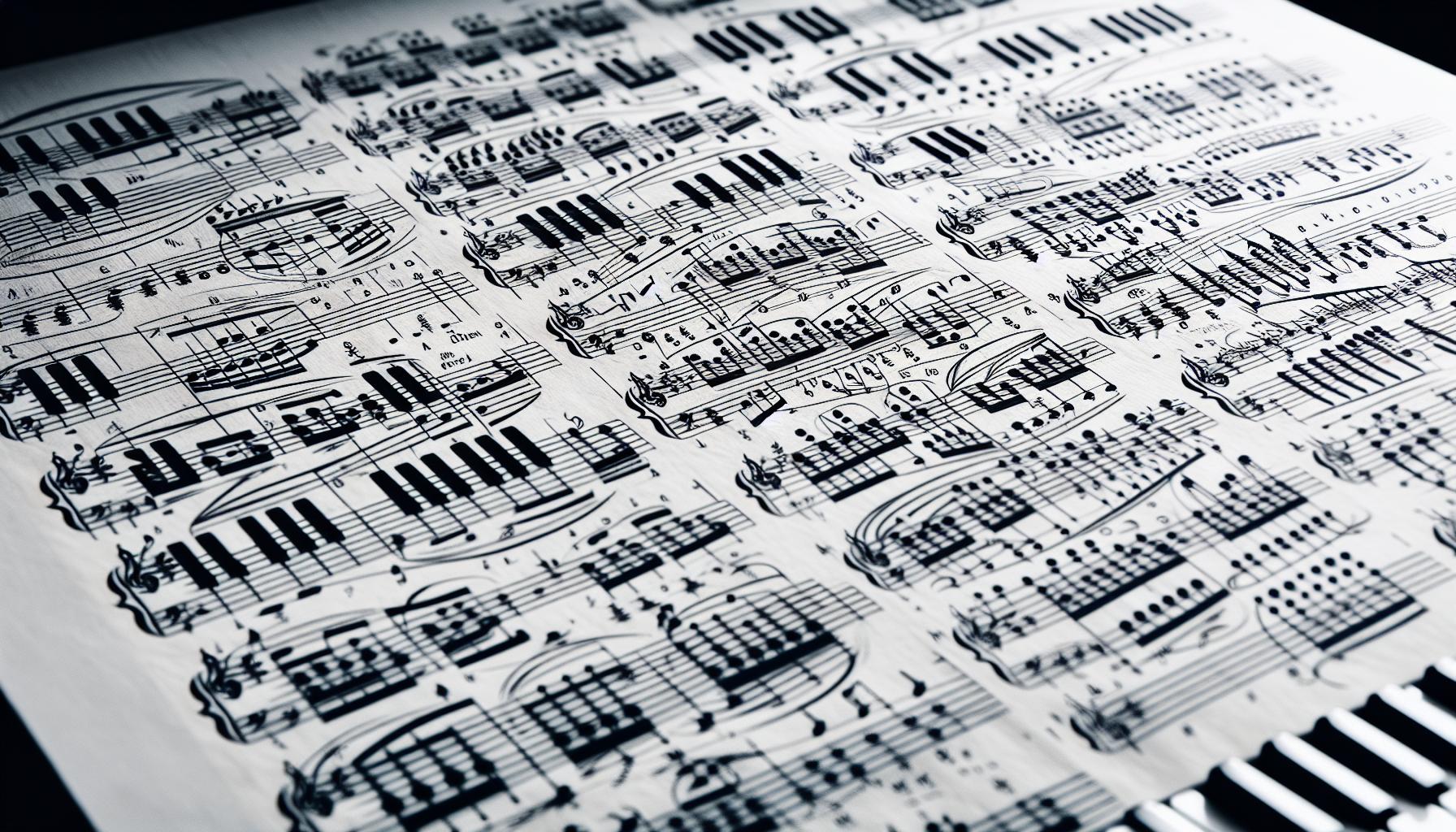
    When embarking on the journey of learning a new piano piece, one cannot overlook the complexity of its musical notation. This aspect of a composition is as vital as its tempo and rhythm for determining its difficulty. Musical notation encompasses everything from the notes and chords to the key signatures and the myriad of symbols that convey the composer’s intentions. These elements combined can offer a clear indicator of whether a piece might be too challenging.

    Firstly, key signatures play a crucial role. Pieces with numerous sharps or flats can be more difficult, especially for beginners, as they require a deeper understanding of music theory and finger dexterity. For example, a piece in C# major, with its seven sharps, demands more from the pianist than a piece in C major, which has no sharps or flats. It’s about familiarity and comfort level as much as it is about skill.

    Additionally, the density of notes on the page can be a telltale sign. A glance at the score reveals much about the piece’s complexity. Scores dense with notes, especially sixteenth notes or thirty-second notes, indicate a piece that will require rapid finger movements and considerable hand coordination. On the other hand, a piece that appears more sparse may suggest a slower tempo or fewer simultaneous notes, potentially making it easier to manage.

    Symbols for dynamics and articulation, such as forte (loud), piano (soft), staccato (short), or legato (smooth and connected), also inform the pianist about the expressive demands of the piece. Interpreting these symbols correctly and executing them effectively can significantly increase the difficulty of a piece.

    One shouldn’t overlook accidental notes (sharps, flats, and naturals that aren’t part of the original key signature). They can pop up frequently in more complex compositions, requiring the pianist to adjust quickly. These accidentals add layers of complexity, as they often lead to unusual fingerings or hand positions.

    Here are some strategies to deal with challenging notations:

    • Practice sight-reading: Regularly sight-reading can improve the ability to quickly interpret complex musical notations.
    • Study music theory: A solid foundation in music theory aids in understanding and navigating pieces with complex key signatures and harmonies.
    • Take it slow: Break down difficult sections and practice them slowly, gradually increasing the tempo as you become more comfortable.

    Taking Note of Hand Coordination Challenges

    Determining if a piano piece is too challenging often goes beyond the sheer complexity of its notation. Hand coordination plays a pivotal role in executing a composition effectively. This element is about how well a pianist can manage simultaneous yet distinct actions between their right and left hands. For some, pieces with extensive hand independence requirements signal a significant difficulty.

    Complex pieces often demand that a pianist’s hands not only play different notes but also embrace different rhythms and dynamics simultaneously. This can be particularly challenging when one hand is tasked with maintaining a steady rhythm or pattern while the other hand plays a melody or intricate passage. The skill to do this well usually comes with time, practice, and a keen sense of rhythm and coordination.

    Identifying Hand Coordination Hurdles

    To gauge whether hand coordination in a specific piece might be a challenge, pianists can look for:

    • Passages with polyrhythms: Where the two hands play different rhythms that intersect in complex ways.
    • Wide stretches or jumps: These require precise hand movements and can disrupt the flow if not executed well.
    • Simultaneous dynamics: One hand playing forte (loud) while the other plays piano (soft), demanding control and precision.

    Pieces with these characteristics may require a pianist to allocate more practice time to overcome these coordination hurdles. It’s also helpful to break down the piece into smaller sections, focusing on areas where the hands must perform contrasting actions.

    Strategies for Enhancing Coordination

    There are several strategies that pianists can use to improve their hand coordination:

    • Slow practice: Playing a piece slowly allows the brain to process the different actions each hand must perform and can help in building muscle memory.
    • Hands separately practice: Learning each hand’s part individually before putting them together can make the coordination more manageable.
    • Use of a metronome: This can help maintain a steady pace and ensure that rhythms are accurately executed.

    Additionally, some exercises are designed specifically to enhance hand independence and coordination. Hanon exercises, for instance, are popular for building strength and agility in pianists’ fingers, helping them manage more complex compositions.

    Consulting with a Piano Teacher

    Seeking advice from a seasoned piano teacher is arguably one of the most effective ways to gauge if a piece is too challenging. Experienced instructors have the insight to evaluate a student’s skill level, learning pace, and adaptability to new pieces. They can instantly recognize if a piece is a good fit or if it stands well beyond the current capabilities of the student.

    Teachers use various methods to assess a student’s readiness for a piece. They may begin with sight-reading exercises or ask the student to play a segment to understand their natural affinity towards the composition. Through meticulous observation, they can identify if the student struggles with certain technical aspects, such as finger dexterity, hand coordination, or rhythm.

    Moreover, piano instructors often have a repertoire of pieces that range in difficulty and can suggest alternatives that are more aligned with the student’s current level. This tailored approach ensures that the student remains challenged without feeling overwhelmed. Discussions with a piano teacher can also reveal the areas where a student needs more practice or specific exercises to build their skills up to the level required for the piece at hand.

    Another significant aspect of consulting with a piano teacher is setting realistic goals and timelines. Sometimes, a piece may not be too hard in its entirety but might contain sections that require more focused practice. A teacher can help break down the piece into manageable parts, focusing on mastering each section before moving on. This step-by-step approach promotes a sense of accomplishment and keeps the student motivated throughout the learning process.

    Piano teachers also emphasize the importance of gradual progression in learning. They advocate for moving through pieces that incrementally increase in difficulty. This strategy not only builds technical skills but also enhances musical understanding and interpretative abilities. By following this structured learning path, students can tackle progressively challenging pieces with confidence.

    Engaging in regular discussions with a piano teacher about one’s progress, challenges, and the appropriateness of the repertoire is invaluable. This ongoing dialogue ensures that the student’s development is continuously monitored and that adjustments are made as necessary to align with their evolving capabilities and musical goals.

    In essence, consulting with a piano teacher provides a comprehensive assessment of a student’s readiness to tackle specific pieces. It’s a dynamic process that takes into account the technical, emotional, and interpretative dimensions of playing the piano. With their guidance, students can navigate the complexities of piano repertoire more effectively, ensuring a rewarding and enriching learning experience.

    Conclusion

    Deciding whether a piano piece is too challenging doesn’t have to be a solo journey. A piano teacher’s role is invaluable in guiding students through the maze of repertoire, ensuring they’re not biting off more than they can chew. Through their expertise, students can embark on a musical journey that’s both challenging and rewarding, without the frustration of tackling pieces beyond their reach. Remember, musical growth is about the journey, not just the destination. With the right guidance and a bit of patience, students will find themselves playing pieces they once thought impossible. So keep the lines of communication open with your teacher and embrace the adventure of learning piano, one note at a time.


  • 5 Proven Steps to Master New Piano Pieces Quickly & Efficiently

    5 Proven Steps to Master New Piano Pieces Quickly & Efficiently

    Learning a new piano piece can feel like climbing a mountain. But what if it didn’t have to? Imagine breaking down that towering challenge into manageable steps, making the journey not only easier but also more enjoyable. It’s all about strategy, and with the right approach, anyone can master their favorite compositions more efficiently.

    The key lies in understanding the piece, setting realistic goals, and practicing smart, not just hard. Whether you’re a beginner or an experienced pianist, these techniques can transform your practice sessions, turning frustration into progress. Let’s dive into how you can learn a new piano piece efficiently, making every minute at the keyboard count.

    Analyzing the Piece

    Before diving into playing a new piano piece, it’s crucial to analyze it thoroughly. This process involves understanding the composition’s structure, identifying challenging sections, and recognizing its emotional and expressive demands. By doing so, pianists can approach their practice with strategic insight, ensuring that they focus on the areas that require the most attention.

    The first step in analyzing a piece is to read through the score without touching the piano. By visually scanning the music, they can note any repetitions, variations, and key changes. This high-level overview gives insight into the composer’s intentions and the piece’s overall narrative flow. Pianists should also pay attention to tempo markings, dynamics, and other notations that provide clues about the intended emotion and character of the piece.

    Next, identifying the technically demanding sections is essential. These are often the spots with rapid note sequences, complex chords, or intricate rhythms. Marking these areas on the score helps pianists allocate extra practice time to them. Additionally, by understanding the technical challenges upfront, pianists can tailor their practice techniques, such as slow practice or hands-separate practice, to address these difficulties effectively.

    Another crucial aspect of analysis is understanding the harmonic progression and melodic contours of the piece. This knowledge not only aids in memorization but also enriches the pianist’s interpretative approach. Recognizing the key centers and modulations can help pianists anticipate shifts in mood and dynamics, allowing for a more expressive performance.

    Furthermore, understanding the historical and cultural context of the piece can profoundly impact its interpretation. Researching the composer’s life, the period in which the piece was written, and its performance history can provide valuable insights. This broader perspective might influence tempo choices, phrasing, and the overall expressiveness of the performance.

    Lastly, it’s beneficial for pianists to listen to several recordings of the piece by renowned artists. Listening to different interpretations offers a range of perspectives and can inspire pianists to explore various expressive possibilities. However, while it’s helpful to draw inspiration from these performances, pianists should strive to develop their personal interpretation that feels true to themselves and coherent with their understanding of the piece.

    By analyzing a new piano piece from these various angles, pianists equip themselves with a deep understanding of the work. This preparatory step ensures that practice sessions are guided by an informed and thoughtful approach, ultimately leading to a more meaningful and satisfying rendition of the piece.

    Setting Realistic Goals

    Embarking on the journey to master a new piano piece can be as exciting as it is daunting. To navigate this challenging process efficiently, setting realistic goals is paramount. These goals act as beacons, guiding pianists through the stages of learning, allowing them to measure progress and maintain motivation.

    Pianists should start by breaking down the piece into manageable sections. This approach makes it easier to tackle the composition without feeling overwhelmed. It’s helpful to categorize these sections based on difficulty, familiarity, or technical demands. By doing so, one can prioritize which parts to focus on first, ensuring that practice time is used efficiently.

    Allocating practice time wisely is another crucial aspect of setting realistic goals. Instead of setting an unattainable goal of mastering the entire piece in a short period, pianists should aim for smaller, achievable milestones. For instance, perfecting a specific measure or mastering a challenging rhythm. These smaller goals add up over time, leading to significant progress that aligns with the individual’s overall objectives.

    Incorporating regular breaks into practice sessions is also vital. Studies suggest that our brains assimilate information more effectively when they’re given time to rest in between learning activities. Therefore, short, focused practice sessions with breaks can be more beneficial than marathon sessions without rest.

    Here’s a simple table illustrating how pianists might divide their practice time:

    Week Goal Section(s) to Focus On
    1 Memorize the first theme A
    2 Work on technical challenges in the B section B
    3 Improve expression in the recapitulation C
    4 Increase tempo to performance speed A, B, C

    Engagement with the piece outside of direct practice can deepen one’s understanding and connection to the music. Listening to recordings, analyzing the score away from the piano, and studying the historical context of the piece are complementary activities that enrich the learning process. These should be factored into one’s goals, as they provide valuable insights that can influence interpretation and performance.

    Feedback from a teacher or trusted peer is invaluable. They can offer perspectives that a pianist might not consider on their own. Regularly scheduled check-ins provide milestones to work towards and can help adjust goals as needed based on progress and feedback.

    Effective Practice Techniques

    When embarking on the journey of mastering a new piano piece, adopting effective practice techniques is crucial. These techniques not only enhance the efficiency of practice sessions but also ensure progress is both measurable and rewarding.

    One fundamental approach is to incorporate slow practice methods. Playing a piece at a slower tempo allows musicians to focus on precision, dynamics, and emotion, laying a solid foundation before increasing the speed. This meticulous approach ensures that mistakes aren’t ingrained during early practice.

    Another key strategy is segmented practice. Dividing the piece into smaller, manageable sections helps tackle challenging parts with more focus. Musicians can concentrate on a single measure or phrase at a time, repeating it until it’s polished before moving to the next. This method not only streamlines the learning process but also builds confidence as each segment is mastered.

    Hands-separate practice is also instrumental for pianists. Initially focusing on one hand at a time simplifies complex passages and allows for concentrated attention on hand-specific techniques. Once comfort and accuracy are achieved independently, hands-together practice can commence, integrating the piece as a cohesive whole.

    Incorporating dynamic visualizations into practice sessions can also be highly beneficial. Visualizing the keyboard and imagining finger movements when away from the piano reinforces muscle memory and aids in internalizing the piece. This mental practice can be particularly useful during breaks or when a piano is not accessible.

    To ensure that practice sessions remain focused and productive, setting specific goals for each session is paramount. Goals could range from perfecting a certain number of measures to mastering a specific technical aspect. They provide a clear direction and make it easier to track progress.

    Finally, it’s essential to incorporate regular feedback into the learning process. Whether it’s from a teacher, peer, or through self-assessment, feedback offers valuable insights on areas for improvement. Additionally, recording practice sessions and listening back can unveil nuances that might not be apparent in the moment.

    By employing these effective practice techniques, learners can navigate the complexities of a new piano piece with confidence and clarity. Fostering a structured yet flexible approach to practice is key to both enjoying the learning journey and achieving musical mastery.

    Utilizing Practice Tools

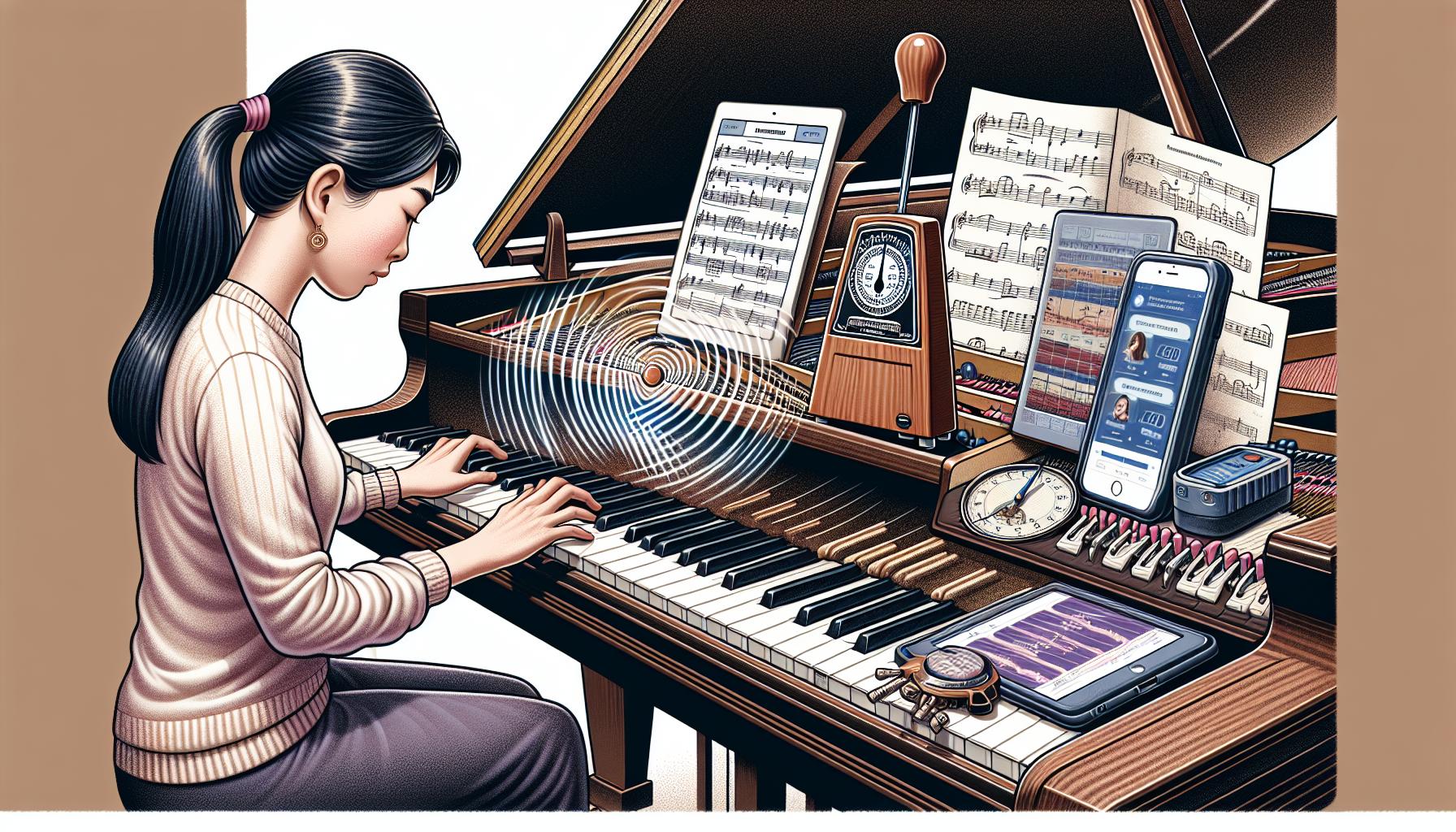
    When embarking on the journey to master a new piano piece, leveraging various practice tools can significantly streamline the learning process. From metronomes to piano learning apps, these resources offer invaluable support in honing one’s skills efficiently.

    Metronomes are quintessential for developing a strong sense of timing and rhythm. Setting the metronome to a slow tempo allows musicians to play through tricky passages with precision. Gradually increasing the speed as they become more comfortable ensures that they maintain accuracy at the piece’s intended tempo. This tool is especially useful when practicing segmented and slow practice methods, ensuring that each note and chord is played with the correct rhythm and pacing.

    Another powerful asset in a pianist’s toolkit is piano learning software and apps. These digital platforms often include features like interactive sheet music that lights up to indicate which notes to play next, performance recording capabilities to review one’s playing, and personalized feedback that highlights areas for improvement. Some popular apps also offer step-by-step lessons for pieces spanning various genres and difficulty levels, making them suitable for both beginners and advanced players looking to expand their repertoire.

    For a more tactile approach, fingering charts and hand position guides are invaluable, especially for visual learners. These tools can provide a clear roadmap of how to position one’s hands and fingers for different chords and passages within a piece. By visualizing and practicing the recommended finger placements, pianists can avoid common technical mistakes and ensure efficient hand movements across the keyboard.

    Lastly, video tutorials by experienced pianists and instructors offer a wealth of knowledge that can complement traditional practice. Watching someone else play the piece can uncover new insights into phrasing, dynamics, and emotion, which might not be immediately apparent from the sheet music alone. Many of these tutorials also include tips on overcoming specific challenges associated with the piece, offering personalized guidance that can accelerate one’s learning curve.

    By integrating these tools into their practice routines, pianists can not only learn new pieces more swiftly but also deepen their musical understanding and technical proficiency. Whether it’s keeping time with a metronome, learning through interactive software, visualizing finger placements, or gleaning insights from video tutorials, each tool offers a unique avenue for growth and mastery in the art of piano playing.

    Staying Motivated

    Learning a new piano piece can be a challenging journey, requiring not just time and patience but also a constant stream of motivation. Staying motivated isn’t always easy, especially when progress seems slow or the piece at hand feels too complex. However, there are effective strategies that can help pianists maintain their enthusiasm and drive throughout the learning process.

    Set Realistic Goals

    One key to staying motivated is setting realistic, achievable goals. Breaking down the learning process into smaller, manageable tasks makes the overall goal seem less daunting and more attainable. For instance, mastering a single measure or even a small phrase each practice session can provide a sense of accomplishment that fuels further progress.

    Celebrate Small Victories

    Every small victory on the piano is worthy of celebration. Whether it’s nailing a difficult chord progression, playing through a section without mistakes, or simply managing to practice daily, acknowledging these wins can provide a significant motivational boost. Celebrating these achievements reminds learners of how far they’ve come and why they started learning the piano in the first place.

    Maintain a Practice Routine

    Consistency is key in making steady progress. Establishing a regular practice routine helps in ingraining the habit of practising, making it easier to sit down at the piano even on days when motivation is low. It’s not about practicing for hours every day but rather ensuring that even short, focused practice sessions are a non-negotiable part of the daily routine.

    Find Inspiration

    Inspiration can be a powerful motivator. Listening to recordings of the piece being learned, performed by accomplished pianists, can provide a burst of enthusiasm and a clear goal to strive towards. Moreover, attending live concerts, joining piano communities, or collaborating with other musicians can rekindle one’s passion for music and drive the desire to learn and improve.

    Use Social Support

    Sharing the journey of learning a new piano piece with friends, family, or a piano teacher can significantly impact motivation. Regular updates on progress, discussing challenges, and receiving encouragement and feedback not only foster social support but also accountability. Knowing that others are invested in one’s progress can be a powerful motivator to keep pushing forward.

    Conclusion

    Mastering a new piano piece doesn’t happen overnight. It’s a journey filled with small steps and big leaps forward. By setting achievable goals and celebrating each milestone, learners can keep their motivation high. Consistency in practice builds the foundation for progress, while inspiration drawn from music itself fuels the passion. And let’s not forget the power of support from those around us. Whether it’s friends, family, or a dedicated teacher, having someone to share the highs and lows with makes the journey all the more rewarding. So keep these strategies in mind and watch as each note, each chord, brings you closer to the music you aspire to create.

  • How Long to Master Piano? Enjoy the Journey to Success

    How Long to Master Piano? Enjoy the Journey to Success

    Embarking on the journey to learn piano is like stepping into a world of melodies and harmonies. But one question often plays on every beginner’s mind: “How long will it take to get good at it?” The answer isn’t as straightforward as one might hope, but it’s a fascinating exploration into the realms of dedication, practice, and passion.

    The timeline to becoming proficient at piano varies greatly from person to person. Factors like practice frequency, natural aptitude, and the quality of instruction play significant roles in shaping one’s musical journey. It’s about finding the rhythm in the learning process and enjoying the music that comes from one’s fingertips.

    Understanding the journey to piano proficiency is key to setting realistic expectations and milestones. Let’s dive into what it truly takes to master those black and white keys, keeping in mind that every pianist’s path is uniquely their own.

    Setting Realistic Expectations

    When embarking on the journey of learning piano, it’s vital for students to set realistic expectations. This not only helps in measuring progress but also in maintaining motivation over time. Understanding that everyone’s journey is different based on various factors including the frequency of practice, natural aptitude, and the quality of instruction, can make a significant difference in how one approaches learning.

    Firstly, practice frequency is a crucial element in gauging how quickly one might improve. A common misconception is that spending long, irregular periods at the piano will yield quick results. However, consistency is key. Short, daily practice sessions are far more effective than sporadic, marathon ones. Here’s a quick look at how practice time might influence progress:

    Practice Frequency Expected Progress Timeline
    15 minutes daily Steady, gradual improvement
    30 minutes daily Noticeable progress in months
    1 hour daily Rapid skill development

    Moreover, acknowledging that natural aptitude plays a role in learning speed can help set realistic milestones. Some individuals may grasp musical concepts and techniques quicker than others. This is perfectly normal and should not discourage students who find certain aspects challenging. It’s about the journey, not a race.

    The quality of instruction received cannot be overstated. A skilled teacher who can provide tailored feedback and guidance is invaluable. They can accelerate learning by focusing on a student’s weaknesses and harnessing their strengths. Whether it’s through traditional one-on-one lessons or modern online tutorials, the right guidance is crucial for optimal progress.

    Regardless of the approach, patience and persistence are key virtues. It’s important for learners to celebrate small victories and understand that setbacks are part of the growth process. Setting small, achievable goals can greatly enhance the sense of accomplishment and encourage further practice.

    Lastly, students should adjust their expectations based on their goals. Are they aiming to become concert pianists or to enjoy playing favorite tunes at home? The ambition level will significantly shape the learning curve and expectations. It’s about finding joy in the process and progressing at a pace that feels rewarding and fulfilling.

    Importance of Practice Frequency

    When it comes to mastering the piano, practice frequency isn’t just important; it’s critical. Learning to play an instrument is similar to learning a new language or skill—it requires consistent repetition and engagement. However, the way one practices, and how often, can greatly vary the timeline to mastery.

    Those who dedicate time to practice every day, even if it’s just for a short period, tend to see more rapid improvement compared to those who practice in longer, less frequent sessions. This is because regular practice helps to reinforce learning, making it easier for the brain to encode musical skills into long-term memory.

    Consider the following data that highlights the relationship between practice frequency and learning speed:

    Daily Practice Duration Expected Progress Timeline
    20 minutes 2-3 years
    30 minutes 1.5-2 years
    1 hour 1 year
    2 hours 6-8 months

    These timelines are approximations and can vary based on numerous factors like natural aptitude and the quality of instruction. Yet, they underline an undeniable truth: more frequent, consistent practice expedites progress.

    It’s not just about the hours clocked in but also about how effectively one uses the practice time. Quality practice should involve focused attention, repetition of pieces until they are error-free, and regular feedback from a knowledgeable instructor or through self-assessment. This approach ensures that practice sessions are as productive as possible.

    Contrary to popular belief, long, infrequent practice sessions can actually be counterproductive. They can lead to burnout, frustration, and a higher likelihood of retaining mistakes. On the other hand, short, daily practice sessions encourage a habit of regular engagement with the instrument, making learning a part of one’s daily routine.

    It’s also essential for learners to listen to themselves and be flexible with their practice routines. On days where motivation runs low, even spending fifteen minutes on scales or simple exercises can maintain the momentum of learning without overwhelming the student.

    The Role of Natural Aptitude

    When discussing how long it takes to get good at playing the piano, one cannot ignore the role of natural aptitude. Some individuals seem to have a head start in their musical journey due to inherent talents. This natural aptitude can influence how quickly one grasps the fundamentals of piano playing, including rhythm, melody, and harmony.

    Natural aptitude, however, isn’t a guarantee of success or a shortcut to becoming proficient. It serves as a beneficial foundation that, when paired with consistent practice, can accelerate a learner’s progress. For example, someone with a good ear for pitch might learn to play songs by ear more quickly than someone without this innate ability. Yet, without regular practice, this natural advantage might not translate to a significant improvement in skills.

    It’s also important to note that a lack of noticeable natural aptitude doesn’t doom one’s aspirations to become good at playing the piano. Many aspects of musicality, such as sight-reading, finger dexterity, and emotional expression, can be developed through focused and deliberate practice over time.

    Practice Makes Perfect, Regardless of Natural Talent

    The evidence suggests that regardless of one’s starting point, dedication and methodical practice are the ultimate equalizers. A study comparing musicians of various skill levels found that the amount of practice had a more consistent correlation with their level of skill than their initial natural aptitude. This is heartening news for those who worry that they lack natural talent.

    Consistent practice not only enhances one’s technical ability but also helps in developing a deeper musical understanding and emotional connection to the pieces they play. This emotional depth and understanding can often surpass the advantages of natural talent alone.

    Tailoring Practice to Leverage Aptitude

    While recognizing the importance of natural aptitude, individuals can tailor their practice sessions to leverage their unique strengths and address their weaknesses. For those with a good sense of rhythm, incorporating complex rhythms early in their practice might yield quicker progress. Conversely, someone with strong analytical abilities might benefit from a more theory-intensive approach.

    Finding the right balance between leveraging natural talents and working on weaker areas is crucial. This approach ensures a more rounded development as a pianist and can make the journey more enjoyable and fulfilling.

    Quality of Instruction

    When attempting to master the piano, the quality of instruction plays a pivotal role in how fast and effectively a student progresses. Expert guidance not only steers learners away from developing bad habits but also provides tailored advice that can significantly speed up the learning curve. A qualified instructor’s insights are invaluable, offering personalized feedback that books or online tutorials simply can’t match.

    Teachers who possess a deep understanding of music theory, performance skills, and educational strategies can adapt their teaching methods to fit the unique needs of every student. This customization is crucial because it acknowledges that every student learns differently. Some may excel with visual aids; others might need more hands-on practice or verbal explanations. Effective instructors recognize these differences and adjust their teaching styles accordingly.

    Moreover, the motivational aspect of having a teacher cannot be understated. Learning an instrument is a journey filled with ups and downs. A good teacher doesn’t just impart knowledge; they also inspire and encourage their students, keeping them engaged and eager to continue learning even when the going gets tough. Regular lessons create a structure and routine which can greatly benefit the student’s progress. They provide goals and milestones, like preparing for a recital, which can serve as motivation for consistent practice and improvement.

    However, the access to high-quality instruction varies greatly depending on geographical location, availability, and sometimes, the financial resources available for lessons. As a resolution, many turn to online lessons or applications which offer great flexibility and can be a formidable alternative for those unable to find local instructors. These platforms often feature lessons taught by experienced pianists and can accommodate a range of skill levels, from beginner to advanced.

    It’s also worth noting that the student-teacher relationship is fundamental. A supportive and understanding teacher who connects well with their student can make a substantial difference in the student’s enthusiasm and willingness to learn. Therefore, when choosing a piano instructor, it’s crucial for students or their guardians to look for someone whose teaching style and personality match well with the student’s learning preferences and character.

    In choosing the right form of instruction, whether it be traditional lessons, online tutorials, or self-teaching methods, individuals should consider their personal learning style, the type of music they’re interested in playing, and their goals as a pianist. No matter the choice, the quality of instruction should empower students to explore their musicality, promote consistent practice, and ultimately, enrich their playing skills.

    Enjoying the Learning Process

    When embarking on the journey of becoming proficient at piano, it’s crucial to enjoy the learning process. This mindset not only makes the journey more pleasurable but also significantly enhances the absorption of skills and knowledge. Students who find joy in their practice sessions tend to be more consistent and dedicated, traits that are indispensable in mastering an instrument.

    Piano learning isn’t a straight path; it’s filled with challenges, breakthroughs, and moments of revelation. The key is to celebrate every small victory. Whether it’s mastering a scale, perfecting a piece, or simply getting a tricky chord right, acknowledging these achievements fuels motivation. Students should remember that every famous pianist started from the beginning, and it’s the accumulation of these small wins that leads to greatness.

    Setting achievable goals plays a pivotal role in maintaining enthusiasm and interest. Instead of focusing solely on long-term objectives, like performing a complex sonata, learners should set short-term goals. These can include learning a new piece every month, improving a specific technique, or even dedicating more time to practice each day.

    Incorporating variety into practice sessions can also drastically improve the enjoyment factor. Diving into different genres, experimenting with composing, or playing duets with friends can make practice feel less like a chore and more like a fun, exploratory activity.

    Another important aspect is to seek feedback regularly. Engaging with teachers or fellow musicians opens up avenues for growth and learning. It’s an opportunity to understand what’s working and where one needs improvement. Constructive criticism is not only educational but it also reaffirms the notion that learning is a continuous process.

    Lastly, it’s vital to embrace challenges. Every pianist, at some point, faces pieces or techniques that seem insurmountable. Instead of viewing these challenges as obstacles, learners should see them as opportunities to push beyond their current limits. Overcoming such hurdles is incredibly rewarding and is a testament to one’s progress and resilience.

    By focusing on these aspects, students can ensure that their piano learning journey is not just about getting good at the instrument but also about enjoying every step of the process. After all, music is as much about the journey as it is the destination.

    Conclusion

    Mastering the piano isn’t just about counting hours or days; it’s about immersing oneself in the joy of music. Each practice session, no matter how small, is a step towards proficiency. By setting realistic goals, embracing a variety of music, and seeking feedback, learners can make significant strides. Challenges along the way aren’t just obstacles but opportunities for growth and learning. Remember, the beauty of music lies not only in perfection but in the journey towards it. So, keep playing, keep learning, and let the love for piano guide you through this musical adventure.

  • Master Your Tempo: How to Stop Rushing When Playing Piano Songs

    Master Your Tempo: How to Stop Rushing When Playing Piano Songs

    Rushing through piano pieces is a common challenge that many pianists face, whether they’re beginners or more experienced players. It’s like trying to sprint through a beautiful garden without stopping to smell the flowers. But playing music isn’t just about reaching the end; it’s about enjoying the journey, note by note.

    To tackle this issue, it’s crucial to understand the root causes of rushing and learn strategies to maintain a steady pace. From setting the right mindset before sitting at the piano to practical tips that can be applied during practice, there are effective ways to ensure music flows beautifully and effortlessly. Let’s dive into how to stop rushing and start making every piano song a masterpiece to remember.

    Understanding the Impact of Rushing in Piano Playing

    Rushing through piano pieces is a common challenge that affects musicians of all skill levels. When a pianist rushes, they often compromise the emotional depth and technical precision of the piece. This section dives into the reasons why pacing is crucial in music and the consequences of not maintaining it.

    First and foremost, music is a language. Just as in spoken language, the pacing and emphasis carry the message and the emotions. In piano playing, rushing through pieces can blur the lines between notes and phrases, making it difficult for listeners to grasp the emotional essence of the piece. Each piece of music tells a story, and when notes and rests are not given their due time, the story becomes rushed and loses its impact.

    Moreover, rushing can lead to technical inaccuracies. The desire to play fast often stems from a misunderstanding that speed equates to skill. However, precision and control are what truly define a pianist’s mastery. When fingers sprint across keys without proper timing, the risk of errors increases, and the overall performance suffers.

    To highlight the difference pacing can make, consider the following comparison of playing a piece at different tempos:

    Tempo Emotional Impact Technical Accuracy
    Slow High High
    Ideal Very High Very High
    Fast Low Low

    Playing too slowly can also detract from a piece’s intended emotion and energy, but an ideal pace—one that respects the composer’s markings and the piece’s emotional landscape—yields the highest emotional impact and technical accuracy.

    The physical effects of rushing cannot be overlooked. Playing under pressure and at an unnaturally fast tempo can lead to muscle tension, reducing fluidity and expressiveness. This tension not only hinders performance but can also cause strain and injuries over time. Pianists should aim for a relaxed state where they can fully engage with the music, allowing for a performance that feels both effortless and deeply expressive.

    Understanding the roots of rushing is the first step in addressing it. For many, the drive to rush stems from anxiety, a desire to impress, or simply a habit formed from repeating the same mistakes during practice. It’s important for pianists to reflect on their motivations and recognize the moments when they’re tempted to rush, allowing them to consciously adjust their pace.

    Analyzing the Root Causes of Rushing

    When pianists find themselves habitually rushing through pieces, it’s often a symptom of deeper issues that go beyond mere impatience or a lack of technical skills. Understanding these root causes is the first step toward cultivating a more measured and expressive performance.

    One major factor is anxiety. Many musicians, whether playing solo or with an ensemble, experience performance anxiety. This nervous energy can translate into a faster tempo, as the player subconsciously tries to hasten the end of the performance. The desire to impress or prove oneself can exacerbate this, leading to a cycle where the pianist rushes more, which in turn increases mistakes and anxiety.

    Another contributing factor is inadequate preparation or practice. When pianists don’t spend enough time internalizing the tempo, dynamics, and emotional nuances of a piece, they may default to playing it at a uniform, often quicker pace. This lack of familiarity can prevent them from fully expressing the music’s emotional range, resulting in a performance that feels rushed and lacks depth.

    Moreover, technical limitations also play a crucial role. Pianists who attempt pieces beyond their current skill level may find themselves unable to maintain the proper tempo, especially in complex or fast passages. Instead of slowing down to match their technical capabilities, they might rush through these sections, compromising both accuracy and musicality.

    Finally, misunderstood musical expressions contribute to rushing. Some musicians might interpret terms like ‘allegro’ (fast) or ‘vivace’ (lively) as invitations to push the tempo to the extreme, not realizing that these directions still require control and modulation based on the piece’s overall emotional landscape.

    By addressing these root causes, pianists can start to develop strategies to mitigate rushing. Techniques like mindful practice—where they focus on each note and its purpose—can help reduce anxiety and improve familiarity with the music. Additionally, setting realistic goals and gradually increasing the difficulty of pieces can help manage technical limitations and misunderstandings about musical expressions.

    Incorporating slow practice sessions into their routine allows pianists to dissect difficult passages and understand how they fit into the broader emotional context of the piece. This method not only enhances technical proficiency but also deepens the musician’s connection to the music, allowing for a performance that’s both technically accurate and emotionally compelling.

    Developing a Mindful Practice Routine

    To stop rushing when playing piano songs, developing a mindful practice routine is essential. This approach involves cultivating an awareness of each note, transition, and emotion conveyed throughout a piece. By focusing on the present moment, pianists can significantly improve their connection to the music, leading to a more controlled and expressive performance.

    The cornerstone of a mindful practice routine is slow practice. This technique requires the pianist to play through pieces at a significantly reduced tempo. The objective isn’t merely to play slowly but to observe and internalize every detail of the music. During slow practice, pianists should pay close attention to:

    • Finger placement and movement
    • Dynamics and articulation
    • Emotional expression of each section

    Slow practice allows for the correction of errors and the reinforcement of correct technique, mitigating the tendency to rush through difficult passages.

    Incorporating breathing exercises into practice sessions is another effective method for cultivating mindfulness. Before beginning to play, taking a few deep, slow breaths can help center the pianist’s focus and reduce anxiety. Breathing exercises can also be woven into the practice itself, with the musician taking intentional breaths at key transitions within the piece.

    Setting realistic, achievable goals for each practice session is crucial. Rather than attempting to master an entire piece in one sitting, pianists should break the music into manageable sections. This approach encourages a deeper understanding of each part, ensuring that the pianist gives adequate attention to learning and memorizing the details of the music. Goals for a practice session might include:

    • Mastering a specific measure or phrase
    • Improving dynamics in a particular section
    • Focusing on the accurate execution of rhythm

    The use of metronomes is a highly recommended practice to prevent rushing. Starting with a tempo below the performance speed, a pianist can gradually increase the pace, ensuring accuracy and control are maintained. This gradual increase in speed helps build muscle memory and confidence, which are vital for controlling tempo during performance.

    Regular recording of practice sessions offers valuable insights into progress and areas needing improvement. Listening back to recordings, musicians can identify moments when they may be rushing and understand better how their performance sounds to an audience. This self-assessment tool fosters a heightened sense of musical awareness and encourages a conscientious approach to practice.

    Techniques to Maintain a Steady Tempo

    One of the foundational aspects of delivering a flawless piano performance is maintaining a steady tempo. Without it, the cohesion and emotional impact of the music can be lost. Here, we explore techniques that ensure pianists keep a commanding grip on tempo, making their performances evocative and captivating.

    Firstly, using a metronome is not just recommended; it’s essential. This device serves as an auditory guide, helping musicians internalize a consistent pace. By setting the metronome to a slower tempo than the performance speed, pianists can meticulously work through complex passages, gradually increasing the speed as their comfort and accuracy improve. It’s a methodical approach that ingrains tempo stability into muscle memory.

    Another effective strategy is the segmentation of pieces into manageable sections. Instead of tackling a whole composition in one go, breaking it down allows for focused practice on areas that are particularly challenging or prone to rushed playing. This technique not only facilitates detailed work on rhythm and pace but also boosts overall confidence in performance.

    Incorporating breathing exercises into piano practice can also do wonders for tempo control. Just like vocalists and wind instrument players, pianists too can benefit from controlled breathing to steady their pace. By taking deep, mindful breaths, musicians can align their physical and emotional state with the tempo of the music, reducing the likelihood of rushing through pieces.

    Recording practice sessions offers invaluable insights into tempo consistency. Listening back to a practice session can uncover unintentional fluctuations in speed that might not be noticeable in the moment. This self-feedback mechanism encourages critical listening and fosters improvements in tempo control.

    Lastly, setting realistic practice goals is crucial. Ambitious goals can lead to frustration and rushed practicing as one strives to meet unrealistic expectations. Instead, achievable goals aligned with one’s current skill level promote gradual, steady progress and a more disciplined approach to maintaining tempo.

    Together, these techniques provide a comprehensive framework to address the challenge of rushing. They emphasize the importance of patience, persistence, and precision in mastering the art of maintaining a steady tempo during piano performances.

    Cultivating Patience and Musical Expression

    Rushing through piano pieces is a common challenge that many pianists face. It’s not just about losing control of the tempo, but it can also diminish the emotive power of the music. To truly convey the soul of a piece, a pianist must learn the art of patience and musical expression. This requires more than just technical skill; it involves a deep connection with the music and an understanding of its narrative flow.

    One effective strategy for cultivating patience is to practice mindfulness during playing. By focusing on the present moment and the physical sensations of playing, pianists can tune in more closely to the nuances of the music. They should pay attention to the texture of the keys under their fingers, the sound of each note, and the resonance of the piano. This mindful approach helps to slow down the impulse to rush, allowing space for the music to breathe and its expressive qualities to shine through.

    Another crucial aspect is to develop a sound understanding of the emotional content and structure of the pieces they play. Musicians should study their pieces beyond the notes on the page, exploring the historical context, the composer’s intended emotional message, and the overarching narrative. This deep dive into the music’s background provides a richer palette for expression and a more measured approach to tempo.

    Incorporating dynamics into practice sessions is another vital technique. Dynamics aren’t just volume control—they’re the heartbeats of musical expression. By experimenting with different dynamics, pianists can discover how varying intensities affect the pacing and mood of a piece. They should start by playing sections slowly with exaggerated dynamics to feel the emotional weight each note can carry. This exercise not only enhances musical expression but also naturally encourages a slower tempo, giving each note and phrase its moment in the spotlight.

    To reinforce patience and control, slow practice with a metronome is invaluable. Pianists might set the metronome to a tempo much slower than the piece’s performance speed. This deliberate practice forces them to linger on each note and rest, fostering a mental and physical recalibration towards slower, more controlled playing. The challenge is not to see this slow practice as a mere exercise but as an opportunity to explore the depth of the music.

    Technique Benefit
    Mindfulness Connects player with the nuances of the music
    Historical study Provides context for emotional expression
    Dynamics

    Conclusion

    Mastering the art of not rushing when playing piano songs is a journey that requires patience, mindfulness, and a deep emotional connection with the music. By focusing on the present and embracing the beauty of each note, pianists can transform their performances into expressive masterpieces. Slow practice isn’t just a technique; it’s a pathway to understanding the soul of the music. So take a breath, slow down, and let the music guide you to a place where every note tells a story. Remember, it’s not about reaching the end of the piece but about the journey through the music’s landscape. Let’s make every performance an exploration, an adventure where every note counts.

  • Maximize Your Piano Skills: Quick Practice Tips & Tech Tools

    Maximize Your Piano Skills: Quick Practice Tips & Tech Tools

    In today’s fast-paced world, finding time to practice the piano can feel like searching for a needle in a haystack. Yet, the desire to improve and the joy of playing don’t diminish with our busy schedules. They’re faced with a common dilemma: how to make the most of limited practice time without sacrificing progress or enjoyment.

    Luckily, it’s not about the quantity of time spent at the keyboard but the quality. With some smart strategies and a bit of creativity, they can maximize their practice sessions, ensuring that every minute counts. Whether it’s during a lunch break or right before bed, there are ways to keep those fingers nimble and the music flowing.

    Set Clear Goals

    When time is of the essence, setting clear, achievable goals for each piano practice session can make a world of difference. Without a plan, it’s easy to waste precious minutes pondering what to work on, but with specific objectives in place, every second counts.

    Determine What You Want to Achieve

    Start by deciding what you wish to accomplish in your short practice sessions. Do you want to master a particular piece, improve your technique, or enhance your sight-reading skills? Whatever your goal, it’s crucial to be as specific as possible. For instance, rather than aiming to “get better at piano,” set a goal to “learn the first page of Beethoven’s Moonlight Sonata without mistakes.”

    Break Down Your Goals

    After defining your broader objectives, break them down into smaller, more manageable tasks. This approach makes your goals feel less daunting and helps you focus on making incremental progress. Let’s say you’re working on a challenging piece. You might divide your goal into tasks like mastering the right-hand part, improving dynamics, and then combining hands smoothly.

    Prioritize Your Goals

    Given that your practice time is limited, prioritizing your goals becomes essential. Identify which objectives are most important to you and allocate your time accordingly. If you have a performance or an exam coming up, focus on the pieces or skills you’ll need to showcase.

    Goal Priority Task Time Allocation
    1 Master the right-hand part of Beethoven’s Moonlight Sonata 15 minutes
    2 Work on dynamics in Chopin’s Prelude in E minor 10 minutes
    3 Improve sight-reading with new, simple pieces 5 minutes

    Set Realistic Deadlines

    Timing is everything. Setting realistic deadlines for achieving your goals will help keep you motivated and on track. Be honest with yourself about what you can accomplish in each session. If you have 30 minutes to practice, don’t cram an unrealistic amount of material into that time. Instead, select one or two focal points and commit to them fully.

    Prioritize Techniques and Pieces

    When time is of the essence, every minute at the piano counts. They can’t afford to practice everything under the sun. That’s why prioritizing techniques and pieces that align with their goals becomes crucial. It’s about making smart choices that ensure they’re not just playing but improving during each session.

    To start, they should categorize their practice into two main areas: technique and repertoire. Technique focuses on the foundational skills needed to play well, such as scales, arpeggios, and finger exercises. Repertoire, on the other hand, is about learning and perfecting pieces. Both are important, but depending on their time and goals, one might take precedence over the other.

    Technique Focus

    If their aim is to improve their overall piano playing skills, dedicating a significant portion of their limited time to technical exercises is essential. Here’s a quick guide on how to prioritize techniques:

    • Scales and arpeggios: They not only improve finger dexterity but also help in understanding key signatures.
    • Finger exercises: Choose ones that address their weaknesses, whether it’s finger independence or speed.
    • Hanon exercises: Great for building strength. They might focus on exercises that target their specific needs.

    Spend around 15-20 minutes on technical exercises, keeping them sharp and focused.

    Repertoire Focus

    When their goal is performance-ready, allocating time to learn and polish pieces is vital. Here’s how they can manage their repertoire practice efficiently:

    • Choose wisely: They should select pieces that challenge them but are also achievable within their timeframe.
    • Break it down: Tackle difficult sections first. Dividing the piece into smaller sections can make practice more manageable.
    • Slow practice: It’s more productive to practice slowly and accurately than to rush through mistakes.

    They might alternate between technique and repertoire-focused sessions or combine both in a single practice, depending on their goals and time constraints.

    • Short-term goals: These might include mastering a specific scale or learning a section of a piece.
    • Long-term goals: Perhaps they’re aiming to perform at a recital or master a particularly challenging piece over several months

    Utilize Short Bursts of Practice

    In today’s fast-paced world, finding large blocks of time to dedicate to piano practice can be a challenge. However, one should not be discouraged. Short bursts of practice, often referred to as micro-sessions, can be surprisingly effective. These sessions, ranging from five to twenty minutes, can fit into almost any schedule and can significantly improve a pianist’s skills over time.

    The key to making these short sessions productive lies in their focus and intensity. During each micro-session, a pianist should target a specific skill or piece. This might mean working on a particular scale, mastering a tricky bar in a piece, or improving finger dexterity with exercises. By zoning in on one aspect of playing, they’ll make tangible progress, even in a short time.

    Planning Ahead

    For short bursts of practice to be effective, planning is crucial. They should decide in advance what they’ll work on in each session. This planning might involve setting a week’s practice schedule, where each day is dedicated to a different aspect of piano playing. Here’s an example of how a week could be organized:

    • Monday: Focus on scales
    • Tuesday: Work on a specific challenging passage
    • Wednesday: Practice arpeggios
    • Thursday: Sight-reading exercises
    • Friday: Review and polish a piece they’re learning
    • Saturday: Finger exercises for dexterity
    • Sunday: Free choice or rest

    By having a plan, they’ll ensure that no time is wasted on deciding what to practice. Each micro-session becomes a targeted effort to improve a specific area of their musicianship.

    Quality Over Quantity

    In each short burst of practice, quality should always take precedence over quantity. It’s better to play a scale correctly and with intention a few times than to mindlessly repeat it with errors. Slow, deliberate practice in these micro-sessions often yields better results than hurried, unfocused efforts.

    Integrating Short Bursts Into Daily Routines

    Integrating practice sessions into a daily routine can help ensure they happen. For instance, a morning person might find it beneficial to play for fifteen minutes after breakfast. Alternatively, for someone who finds they’re more alert in the evening, setting aside time right before dinner could work best. These sessions don’t have to disrupt the day but instead can be a pleasant interlude, a moment of focus and calm amid other activities.

    Focus on Problem Areas

    When time is scarce, it’s tempting to play through the parts of a piece that sound best or are more enjoyable. However, concentrating on the sections that need the most work is far more effective in the long run. These are often the segments that are skipped over or played less frequently, but they’re precisely where improvement is most needed.

    Identifying these problem areas requires an honest self-assessment or feedback from a teacher. Once pinpointed, these sections should become the focus of one’s micro-sessions. By zeroing in on the most challenging measures, progress becomes visible more quickly. This approach not only improves the problematic sections but also boosts overall confidence in playing the piece.

    To make the most of this strategy, one could:

    • Break down difficult passages into even smaller sections, focusing on just a few notes or measures at a time.
    • Slow down the tempo significantly, allowing for more precise finger movements and better memory retention.
    • Use a metronome to gradually increase the speed without sacrificing accuracy.
    • Record practice sessions to monitor progress and identify subtleties that need further refinement.

    It’s also beneficial to alternate focus between different problem areas across practice sessions. This variety keeps the practice engaging and prevents frustration from settling in on particularly challenging parts. Moreover, by regularly rotating the segments being worked on, the learning process remains balanced and comprehensive.

    Allowing oneself to focus on these challenging segments without the pressure to play through the entire piece each time can lead to remarkable improvements in overall performance. Rather than feeling overwhelmed by the sections that don’t yet sound right, adopting a targeted approach transforms these hurdles into opportunities for growth. Over time, what were once stumbling blocks become the highlights of one’s musical journey.

    Integrating targeted practice into one’s routine does not require extensive time commitments. Even five to ten minutes dedicated to working on a specific problem area can lead to noticeable progress over weeks and months. This focused effort, compounded daily, is the key to mastering difficult passages and elevating one’s piano playing to new heights.

    Make Use of Technology

    In an age where time is often scarce, leveraging technology can revolutionize the way one practices piano. From apps that offer structured lessons to recording devices that allow for immediate feedback, the array of tools available is vast and varied. They not only optimize practice time but also make the process more engaging and efficient.

    Apps and Software

    One of the most significant advantages of using apps and software is the personalized learning experience they provide. Many of these tools come with features that can adjust to a player’s skill level, offering lessons and exercises tailored to their specific needs. Here are some notable benefits:

    • Interactive Lessons: Certain apps use gamification to make learning both fun and effective, keeping users motivated through rewards and achievements for progress.
    • Flexibility: Players can practice anytime, anywhere, as long as they have their device with them. This is particularly beneficial for those with unpredictable schedules.
    • Variety: A wide range of musical pieces, from classical to contemporary, ensures that learners stay engaged and challenged.
    • Instant Feedback: Many apps offer real-time feedback on timing, accuracy, and rhythm, helping to correct mistakes promptly.

    Metronomes and Tuners

    Using digital metronomes and tuners is another way technology can aid in efficient practice. These tools help maintain tempo and ensure the instrument is properly tuned, which are critical for productive practice sessions.

    • Consistency: Digital metronomes provide a consistent beat that helps in developing a reliable sense of rhythm.
    • Accuracy: Tuning apps ensure that the piano is in perfect pitch, which is essential for developing a good ear.

    Recording Devices

    Recording practice sessions and listening back can be incredibly beneficial for identifying areas that need improvement. With smartphones and tablets, high-quality recordings can be made without the need for expensive equipment. Here are a couple of reasons why recording practice sessions is useful:

    • Self-Assessment: Listening to recordings allows players to critique their performance objectively.
    • Progress Tracking: Keeping a library of recordings over time can showcase how much one has improved, serving as a motivational boost.

    Conclusion

    Embracing technology in piano practice offers a world of benefits that go beyond traditional methods. It’s not just about saving time; it’s about making every minute count. With the right apps and software, players can enjoy a more personalized and engaging learning experience. They’ll find flexibility in their schedule and variety in their practice that keeps motivation high. Plus, tools like digital metronomes, tuners, and recording devices play a crucial role in maintaining quality and tracking progress. Ultimately, by integrating these technological advancements, learners can significantly enhance their piano skills, making the journey not only more efficient but also more enjoyable. So why not give it a try and see how it transforms your practice sessions?

  • Prevent Stiff Wrists at Piano: Tips, Stretches & Nutrition Guide

    Prevent Stiff Wrists at Piano: Tips, Stretches & Nutrition Guide

    Playing the piano should feel like a dance of the fingers, not a workout that leaves your wrists feeling stiff and sore. Yet, many pianists, both beginners and seasoned players, often find themselves battling discomfort during or after a long session at the keys. It’s a common hurdle, but luckily, it’s one that can be overcome with the right approach and techniques.

    Understanding the importance of proper posture and hand positioning is the first step towards playing more comfortably. It’s not just about making beautiful music; it’s also about ensuring your body isn’t paying the price for your passion. Let’s dive into some essential tips and tricks that’ll keep your wrists as fluid as the melodies you create, turning practice sessions into something your whole body can enjoy.

    Importance of Proper Posture and Hand Positioning

    When it comes to playing the piano, comfort and efficiency are paramount. Proper posture and hand positioning not only prevent discomfort but also enhance a pianist’s ability to perform. They’re at the core of playing gracefully, ensuring that each note is not just played but felt.

    First off, the ideal posture at the piano involves sitting at a height where the forearms are parallel to the floor. This might mean adjusting the piano bench or using a cushion. The feet should be flat on the ground, providing a stable base that supports a dynamic range of motion. Good posture is like the foundation of a house – without it, everything else is compromised.

    Moving on to the hands, they should float over the keys with a natural curve. Imagine holding a small ball in each hand; this visual helps maintain the optimal shape. Fingers should be rounded but relaxed, allowing for agility and precision. The thumb and pinky aren’t exceptions; they too play a pivotal role and should remain flexible.

    Here are some additional pointers to keep in mind:

    • Shoulders should be relaxed and down, not hunched up with tension. This not only affects the wrists but can lead to broader discomfort over time.

    • The elbows should be slightly in front of the body, allowing the hands to approach the keys from a position of strength without overextension.
    • Avoid locking the wrists. They should be supple, permitting a flowing movement from one key to another. Stiff wrists are often a sign of playing with too much force or inadequate technique.

    Incorporating these elements doesn’t just stave off discomfort; it significantly improves the quality of the music produced. It’s about making the piano an extension of the body, where every note isn’t just played; it’s felt deeply, resonating with both the performer and the audience.

    As crucial as posture and hand positioning are, remember that flexibility and periodic adjustments are key. Not every pianist is the same, and what works for one may not work for another. It’s about finding that sweet spot where comfort and functionality meet.

    Implementing regular breaks into practice sessions is equally important. These moments away from the keyboard offer an opportunity to reset the posture and give the hands a much-needed rest. Even short breaks can make a significant difference in maintaining optimal posture and hand positioning throughout a lengthy practice session or performance.

    Ergonomic Piano Setup

    Maintaining an ergonomic setup is crucial for pianists to avoid stiff wrists and ensure long-term comfort and efficiency during practice or performances. An ergonomic setup not only minimizes the risk of injury but also enhances musical expression.

    Optimal Bench Height

    The first step towards an ergonomic piano setup is adjusting the bench to the ideal height. Pianists should sit so that their elbows are at the same height or slightly above the keyboard, allowing their forearms to be parallel to the floor. This position promotes a natural curvature of the fingers and avoids unnecessary wrist tension.

    Distance from the Keyboard

    The distance of the bench from the piano also plays a significant role. Pianists should position the bench so they can comfortably reach the keys with their elbows slightly bent. This allows the shoulders to remain relaxed and the hands to easily access the entire range of the keyboard without straining.

    Foot Stool for Enhanced Stability

    For pianists, especially those of shorter stature or younger players, a footstool can be an essential addition. Placing the feet flat on a footstool ensures a stable base, supporting the body’s weight and reducing the strain on the lower back. This stability is crucial for allowing the upper body to move freely and for preventing stiffness in the wrists.

    Adjustable Lighting

    Proper lighting is often overlooked in discussions about ergonomic setups. However, inadequate lighting can lead to squinting, leaning forward, and ultimately, tensing up. Adjustable lighting ensures that sheet music is easy to read without any strain, allowing the pianist to maintain an optimal posture.

    Regular Positional Adjustments

    Even with an ergonomic setup, staying in one position for an extended period can lead to stiffness and discomfort. Pianists should make a habit of slightly adjusting their position on the bench now and then. These minor adjustments can prevent the muscles and joints from becoming stiff and promote better circulation.

    Incorporate Ergonomic Accessories

    There are several ergonomic accessories available designed specifically for pianists:

    • Cushioned Bench: Provides better support and comfort.
    • Wrist Rests: Can be used during breaks to support and relax the wrists.
    • Piano Pedal Extenders: Allow players to maintain a proper foot position, enhancing overall stability and posture.

    Warm-up Exercises for Wrist Flexibility

    Before diving into a piano practice session, it’s crucial for pianists to prepare their wrists with targeted warm-up exercises. These are designed not only to increase flexibility but also to prevent stiffness and injury. By incorporating a few simple yet effective exercises, pianists can ensure their wrists are limber and ready for the demands of playing.

    Gentle Wrist Circles

    Starting with the basics, gentle wrist circles can significantly enhance wrist mobility. Pianists should extend their arms in front of them, with their palms facing down. Then, they gently rotate their wrists in circular motions, first clockwise and then counterclockwise. This exercise should be repeated for about 30 seconds in each direction. It’s a simple movement, but its effects on warming up the wrists are profound.

    Palm Presses

    Palm presses are another fantastic way to warm up the wrists before playing. By pressing the palms together in front of the chest, fingers pointing upwards, and slowly pushing the hands downward, pianists will feel a gentle stretch along their wrists and forearms. Holding this position for 15 to 20 seconds before releasing and repeating a few times helps in increasing flexibility and relieving any tension build-up.

    Spider Walks

    An exercise that not only benefits the wrists but also the fingers is the “spider walk.” To perform this, pianists place their hands on a flat surface like a table or the top of the piano. They then “walk” their fingers forward and backward, alternating between stretching them apart and bringing them close together. This not only warms up the wrists but also helps in improving finger dexterity.

    Towel Wring

    For those looking to incorporate an accessory into their warm-up, the towel wring is perfect. Holding a small towel with both hands, pianists twist the towel as if wringing water out of it, first in one direction and then the other. This action engages not just the wrists but also the forearm muscles, providing a comprehensive warm-up.

    Techniques to Reduce Tension in Wrist Movements

    Reducing tension in the wrists isn’t just about the warm-up exercises before playing the piano. It also involves adopting certain techniques while playing to ensure that wrists remain supple and free from strain. By integrating these methods, pianists can enjoy longer practice sessions without the discomfort of stiff wrists.

    One effective technique is to focus on posture. Sitting at the right height so that the forearms are parallel to the floor can greatly reduce undue pressure on the wrists. A bench that’s too high or too low forces the wrists to compensate through awkward angling, leading to tension.

    Another crucial technique is the principle of rotation. This involves rotating the forearm for wider movements, allowing the wrist to move naturally without strain. It’s especially helpful when playing scales or arpeggios. Think of the motion similar to turning a doorknob back and forth, using minimal effort for maximum efficiency.

    Incorporating dynamic playing takes the spotlight too. Instead of relying solely on the fingers, pianists should learn to engage their arms and shoulders in the movement. This distribution of effort prevents overburdening the wrists with the task of executing every note. It’s about letting the arms lead while the fingers follow, making playing more fluid and less tense.

    Breathing techniques also play a role in reducing wrist tension. By synchronizing breath with movement, pianists can alleviate muscle stiffness. Taking deep breaths before complicated passages and exhaling upon execution can help in maintaining a relaxed posture overall.

    Besides these techniques, pianists should be mindful of their playing duration and intensity. It’s important to take regular breaks to stretch and rest the wrists. Even the most seasoned professionals acknowledge the need for short intervals of rest to prevent fatigue and injury.

    Lastly, ergonomic considerations shouldn’t be overlooked. Utilizing wrist supports or padded bench covers can provide additional comfort and support. Ensuring the piano keyboard is at an optimal height also contributes to reducing strain during long practice sessions.

    • Focus on Posture: Ensure forearms are parallel to the ground.
    • Principle of Rotation: Use forearm rotation for wide movements.
    • Dynamic Playing: Engage arms and shoulders, not just fingers.
    • Breathing Techniques: Synchronize breath with movement for relaxation.
    • Playing Duration: Take regular breaks to stretch and rest.
    • **Ergonomic Consider

    Incorporating Rest and Stretch Breaks

    In the journey to mastering the piano, it’s easy to get lost in hours of practice and overlook the necessity of rest and stretch breaks. Frequent breaks are not just beneficial; they’re crucial for preventing stiff wrists and ensuring longevity in one’s musical career. These pauses allow the muscles to recover from strain and can significantly reduce the risk of injury.

    When it comes to integrating breaks into practice sessions, there’s no one-size-fits-all approach. However, a general recommendation is to take a short break every 20 to 30 minutes. This doesn’t mean a break from music altogether but rather, a moment to step away from the keys, allowing the wrists and hands to relax. During these breaks, engaging in stretching exercises specifically designed for pianists can work wonders in maintaining wrist flexibility and strength.

    Stretching Techniques for Pianists

    Stretching should be gentle and focused, aiming to loosen the muscles without causing strain. Here are a few effective stretches:

    • Palm Stretch: Extend one arm forward with the palm facing down, then gently pull back on the fingers with the other hand until a gentle stretch is felt along the forearm and wrist. Hold for 15-20 seconds, then switch hands.
    • Wrist Rotations: With the elbows at the sides, rotate the wrists gently in a circular motion, first clockwise, then counter-clockwise. This helps to increase the range of motion.
    • Prayer Stretch: Place the palms together in front of the chest with the fingers pointing upward in a prayer position. Slowly lower the hands while keeping the palms together until a stretch is felt. Hold for 15-20 seconds.

    In addition to stretching, pianists should consider wrist strengthening exercises to build endurance. Exercises can include squeezing a soft rubber ball or practicing finger lifts on a flat surface, raising each finger one at a time, then in various combinations.

    The Role of Hydration and Nutrition

    It’s easy to overlook the impact of hydration and nutrition on wrist health. Staying well-hydrated helps maintain the elasticity of the muscle tissues, while a diet rich in anti-inflammatory foods can reduce swelling and discomfort in joints, including the wrists. Foods rich in Omega-3 fatty acids, such as fish, walnuts, and flaxseeds, are particularly beneficial.

    Conclusion

    Keeping wrists flexible and strong is crucial for pianists to enjoy their practice without discomfort. By incorporating rest and targeted stretches into their routine, they can significantly reduce the risk of stiffness and injury. Remember, it’s not just about the hours spent at the keyboard; it’s also about how they care for their body off the bench. Hydration and a diet rich in anti-inflammatory foods can further support wrist health, making every note played a joy rather than a strain. With these strategies in mind, pianists can look forward to many years of making music comfortably.


  • Master Even Piano Scales: Guide to Smooth Playing and Technique

    Master Even Piano Scales: Guide to Smooth Playing and Technique

    Playing piano scales evenly is like walking a tightrope; it requires balance, precision, and a touch of grace. For many budding pianists, mastering this skill is a rite of passage, opening the door to more expressive and fluid playing. Yet, it’s often easier said than done.

    Luckily, with a few tips and some dedicated practice, anyone can turn those clunky, uneven scales into smooth, flowing music. Whether you’re a beginner looking to nail down the basics or an intermediate player aiming to refine your technique, understanding how to play scales evenly is crucial. Let’s dive into how you can achieve this musical milestone.

    Understanding Piano Scales

    Piano scales are the backbone of piano playing, acting as vital tools for building finger strength, agility, and a keen musical ear. They’re more than just a series of notes played in succession; they’re the foundation upon which music is built, allowing pianists to explore melodies, harmonies, and rhythms. Playing scales evenly is not just about hitting the right notes; it’s about mastering the flow of music, ensuring that each note resonates with the same intensity and duration as the others.

    To play piano scales evenly, one must first grasp the concept of finger independence. Finger independence is crucial as it allows each finger to move freely and confidently across the keyboard without unnecessary tension. This skill is developed through dedicated practice, focusing not only on playing scales up and down the keyboard but also on exercises designed to strengthen each finger.

    Another vital aspect is tempo control. Maintaining a consistent tempo across the scale is essential for evenness. Metronomes can be invaluable tools in this regard, providing a steady beat to match. Beginners might find it helpful to start slow, focusing on the precision of each note, and gradually increasing the tempo as they gain confidence and control.

    Articulation also plays a significant role in playing scales evenly. Whether a scale should be played legato (smoothly) or staccato (shortly) depends on the piece of music and the expressive intentions of the pianist. Attention to articulation ensures that the scale complements the overall texture of the piece, enhancing its musicality.

    One cannot overlook the importance of hand synchronization. For scales spanning more than an octave, both hands must work in perfect harmony, starting and ending notes simultaneously. This requires not only physical coordination but also a deep understanding of the scale’s structure and the piece’s emotional content.

    Dedicated practice, focusing on these key areas, transforms uneven, choppy scales into beautiful, flowing music. Incorporating scales into daily practice routines not only improves technical skills but also enriches musical expression, allowing pianists to convey the full range of emotions inherent in the music they play.

    Importance of Playing Scales Evenly

    Playing piano scales evenly is pivotal in honing a musician’s skill set. It’s not just about the ability to run fingers through the keys but about cultivating a deeper musical understanding and technical prowess. When scales are played with consistency and precision, they lay a strong foundation for more complex musical pieces.

    For beginners, mastering evenness in scales is a gateway to exploring the vast world of music. It introduces them to the discipline required in piano playing, fostering patience and attention to detail. As they progress, the nuanced control over dynamics and tempo becomes second nature, something that scales practice instills early on.

    Intermediate and advanced players find that evenness in scales enhances their musical sensitivity. The control over each note allows for a more expressive performance, whether it’s in the subtle crescendos of a romantic piece or the precise articulation needed in fast-paced classical music. The agility and finger strength developed from consistent scales practice ensure that pianists can tackle challenging compositions with confidence.

    Moreover, playing scales evenly supports the development of muscle memory. This is crucial for pianists as it allows them to focus on the emotional delivery of the piece rather than the technical execution. The repetitive nature of scales, when done evenly, engrains the feel of the keyboard and the spacing between notes into a player’s subconscious, aiding in flawless performance without conscious effort.

    Technical Benefits

    • Finger Independence: Each finger becomes capable of moving with precision, without reliance on adjacent fingers.
    • Hand Synchronization: Achieving harmony between the left and right hands is essential for playing more complex pieces where each hand has a different role.
    • Improved Articulation: Choices between legato and staccato can be executed with intention, adding depth to musical expressions.

    Musical Expression

    Evenness in playing scales goes beyond technical adeptness; it deeply influences a pianist’s musical expression. The ability to control volume, tempo, and articulation within scales translates into a more nuanced performance, where emotions can be conveyed with subtlety and sensitivity.

    Metronome Practice

    Incorporating metronome practice is indispensable for achieving evenness in scales. It teaches rhythm consistency and helps in identifying any disparities in tempo or dynamics within a scale. By gradually increasing the speed while maintaining evenness, pianists can push their limits without compromising on quality.

    Tips for Achieving Evenness

    Achieving evenness in piano scales is a journey that requires patience, focus, and practice. For many, it’s a pivotal step towards technical proficiency and expressive musicianship. Below are tips designed to guide pianists towards playing scales with greater evenness and fluidity.

    Start Slow

    One of the most effective strategies for mastering evenness is to start slow. Playing at a slow tempo allows pianists to pay close attention to every detail of their finger movements and note accuracy. This meticulous approach ensures each note sounds at the same volume and duration. As control improves, gradually increasing the tempo helps maintain evenness at faster speeds.

    Use a Metronome

    Incorporating a metronome into practice sessions is invaluable. A metronome provides a steady beat that can help pianists maintain consistent timing across all notes in a scale. Starting with a comfortable pace, they can incrementally increase the speed, focusing on keeping each note even as the tempo rises. This method not only improves rhythmic accuracy but also aids in developing a keen sense of timing.

    Finger Independence Exercises

    Developing finger independence is crucial for even scale playing. Exercises designed to strengthen weaker fingers, especially the fourth and fifth, can lead to more balanced scale execution. Simple exercises, such as playing scales or patterns focusing on the independent movement of each finger, enhance control and evenness.

    Practice With Different Articulations

    Varying the articulation during scale practice introduces a new level of complexity and control. Practicing scales staccato, legato, and with other articulations forces pianists to pay closer attention to how they strike and release each key, fostering a more even touch and dynamic control across the keyboard.

    Pay Attention to Hand Synchronization

    For scales that require both hands, ensuring hand synchronization is key. Both hands should work in harmony, with each note from both hands sounding simultaneously. Exercises that isolate hand movements, then slowly combine them, can greatly improve coordination and evenness.

    Record and Listen

    Listening to one’s own playing can uncover nuances and unevenness that might not be obvious in the moment. Recording practice sessions and analyzing the playback allows pianists to critically assess their performance, identifying specific areas that need improvement.

    Practicing Techniques

    Mastering the art of playing piano scales evenly requires adopting effective practicing techniques. These strategies not only enhance scale performance but also improve overall pianistic skills. Let’s delve into some essential methods that pianists can incorporate into their practice routines.

    Slow Practice

    The cornerstone of even scale playing lies in the practice of slow, deliberate movements. By reducing the tempo, players can concentrate on each note’s clarity and the smoothness of their finger transitions. Slow practice allows for meticulous observation of hand position and finger strength, ensuring no note is louder or quieter than its neighbors. As the adage goes, “Practice makes perfect,” but more accurately, “Perfect practice makes perfect.”

    Use of a Metronome

    Consistent tempo is critical for achieving evenness in scales. A metronome serves as an invaluable tool for maintaining steady pacing. Starting at a slow speed, gradually increase the tempo as proficiency improves.

    Starting Tempo Increment Goal Tempo
    60 bpm 5 bpm 120 bpm

    This gradual increase helps pianists build the muscle memory and control needed for even scale execution at any speed.

    Finger Independence Exercises

    To play scales evenly, developing finger independence is essential. Exercises designed to strengthen each finger’s control helps prevent the heavier thumb and pinkie from dominating. A variety of exercises can be employed, such as:

    • Playing scales with varied articulations (staccato, legato)
    • Practicing scales with accent on different notes
    • Hanon exercises

    These techniques ensure that all fingers are capable of producing even, controlled sound.

    Hand Synchronization

    For scales that involve both hands, synchronization becomes another important factor. Playing hands separately at first, then together at a slow tempo, allows the pianist to focus on aligning their movements precisely. Listen attentively to the interplay between hands, adjusting as necessary to achieve synchrony.

    Recording and Review

    One of the most effective ways to assess progress and identify areas for improvement is through recording one’s playing. Listening back to these recordings offers a different perspective, highlighting inconsistencies in tempo, dynamics, and articulation that may not be apparent during live practice. Take notes on specific sections that need refinement and focus your practice accordingly.

    Conclusion

    Mastering the art of playing piano scales evenly is a journey that requires patience, focus, and consistent practice. By incorporating the techniques discussed, such as slow, deliberate practice, using a metronome, and focusing on finger independence and hand synchronization, players can significantly improve their scale execution. Don’t forget the importance of recording and reviewing your practice sessions. It’s a powerful tool for self-assessment and progress tracking. Keep at it, and before you know it, you’ll notice a remarkable improvement in your playing, laying a solid foundation for advanced pianistic skills. Happy practicing!

  • Is It OK to Skip Piano Practice for a Day? Debunking Myths

    Is It OK to Skip Piano Practice for a Day? Debunking Myths

    For many piano enthusiasts, the thought of skipping a day of practice can feel like a major setback. It’s as if each missed session puts them a step further away from mastering their favorite Chopin nocturne or nailing that elusive jazz improvisation. But is this guilt over missing a single day really justified, or is it possible that a day off could actually be beneficial?

    The idea of taking a break might seem counterintuitive to dedicated pianists. After all, consistent practice is often preached as the holy grail of progress. Yet, there’s more to developing musical prowess than meets the eye. Let’s dive into whether skipping piano practice for a day is a cardinal sin or a secret weapon in disguise.

    The Importance of Consistent Practice

    Consistent practice is often heralded as the cornerstone of mastering any skill, especially when it comes to playing the piano. Musicians, educators, and researchers alike emphasize the value of regularity in practice, citing it as crucial for progress. This section delves into why embedding a routine of practicing daily can be so beneficial for piano enthusiasts.

    Firstly, muscle memory plays a significant role in learning to play the piano. Each time a pianist practices, they’re not just learning a piece of music—they’re training their muscles to remember the movements. This kind of memory is only solidified through repetition. Skipping days could slow this process, making it harder for the fingers to glide across the keys without conscious thought.

    Secondly, consistent practice aids in overcoming challenges. Anyone who’s tried to master a difficult piece knows the frustration of hitting a wall. These obstacles are best overcome through regular, focused practice where problems can be tackled methodically. Often, a breakthrough in a tricky section comes after several sessions of diligent work, underscoring the importance of not letting a day slip by unnoticed.

    However, it’s not just about quantity; quality of practice is equally critical. Practicing every day for the sake of it can lead to mindless repetition and burnout. Effective practice means setting clear goals, whether it’s polishing a certain passage, improving timing, or working on expression. This focused approach ensures that each practice session is productive, building towards incremental improvement.

    The debate on practice frequency also includes considering the individual’s needs and goals. For some, daily practice might be essential to meet their objectives, while others may find that taking occasional breaks actually enhances their enthusiasm and creativity when they return to the keyboard.

    Aspect of Practice Importance
    Muscle Memory Essential for automaticity and ease of play
    Overcoming Challenges Critical for mastering difficult pieces
    Quality of Practice Prevents burnout and ensures productivity
    Individual Needs & Goals Dictates the necessity of daily practice

    The idea of consistency is also about maintaining a connection to the instrument and the music. Each practice session is an opportunity to deepen one’s understanding and feel for the piano, building a relationship that goes beyond mere technical skill. This connection is what often brings the most joy to musicians and is nurtured through regular engagement.

    The Benefits of Taking a Break

    While the journey of mastering the piano is filled with continued practice and dedication, taking a day off occasionally has its own set of benefits that can contribute significantly to a musician’s growth and well-being.

    Mental and Physical Rest is paramount for pianists, who often engage in long hours of practice. Muscles, particularly in the hands and arms, require time to recover from the repetitive stress of playing. Similarly, the brain benefits from stepping away, reducing the risk of burnout and mental fatigue. This break in routine allows for a rejuvenation period, ensuring that the musician returns to their practice with renewed energy and focus.

    Enhanced Creativity often follows a period of rest. Stepping back from rigorous practice sessions can give musicians the space to think more creatively about their music. This time away from the instrument can lead to a fresh perspective, inspiring new ideas for interpretation or techniques that might not have emerged during continuous practice.

    Improved Problem-Solving Skills are another unexpected advantage of taking breaks. With a bit of distance, pianists might find that they’re able to approach challenging pieces or technical difficulties with new strategies. Solutions that seemed elusive during back-to-back practice sessions might become clearer with a rested mind.

    The Opportunity for Listening and Learning presents itself when taking a day off. Musicians can use this time away from their instrument to listen to recordings of themselves or others, study musical scores, or immerse themselves in the works of composers they’re currently playing or wish to play in the future. This broadening of auditory experience and theoretical knowledge can deepen their understanding of music and inspire their practice sessions when they return to the piano.

    Balancing Life and Practice is essential for all musicians, regardless of their level of expertise. It’s easy for dedicated pianists to let their practice consume all their free time, but taking a day off allows them to engage in other activities they enjoy, spend time with family and friends, or simply rest. This balance is crucial for mental health and overall happiness, both of which are integral to a productive and fulfilling musical journey.

    As pianists consider the benefits of incorporating rest into their practice regimen, it’s important to remember that taking a break does not signify a lack of dedication or progress. Rather, it’s a strategic approach to ensure that their musical journey is sustainable and enjoyable, allowing for growth both as a musician and as an individual.

    Strategies for Making Up for Missed Practice

    Skipping a day of piano practice isn’t the end of the world. In fact, it can sometimes be beneficial, as it allows musicians to rest and come back to their instrument with fresh energy and enthusiasm. However, it’s important to effectively manage these missed sessions to ensure continuous progress. Here are several strategies musicians can employ to make up for lost time without overwhelming themselves.

    Firstly, reassessing the weekly practice schedule can help redistribute practice time effectively. If they’ve missed a day, pianists might consider adding a few extra minutes to their remaining practice days. It’s not about cramming; it’s about smartly reallocating time. For instance, if they usually practice for an hour a day, adding an extra 10-15 minutes to each session can compensate for a missed day without causing burnout.
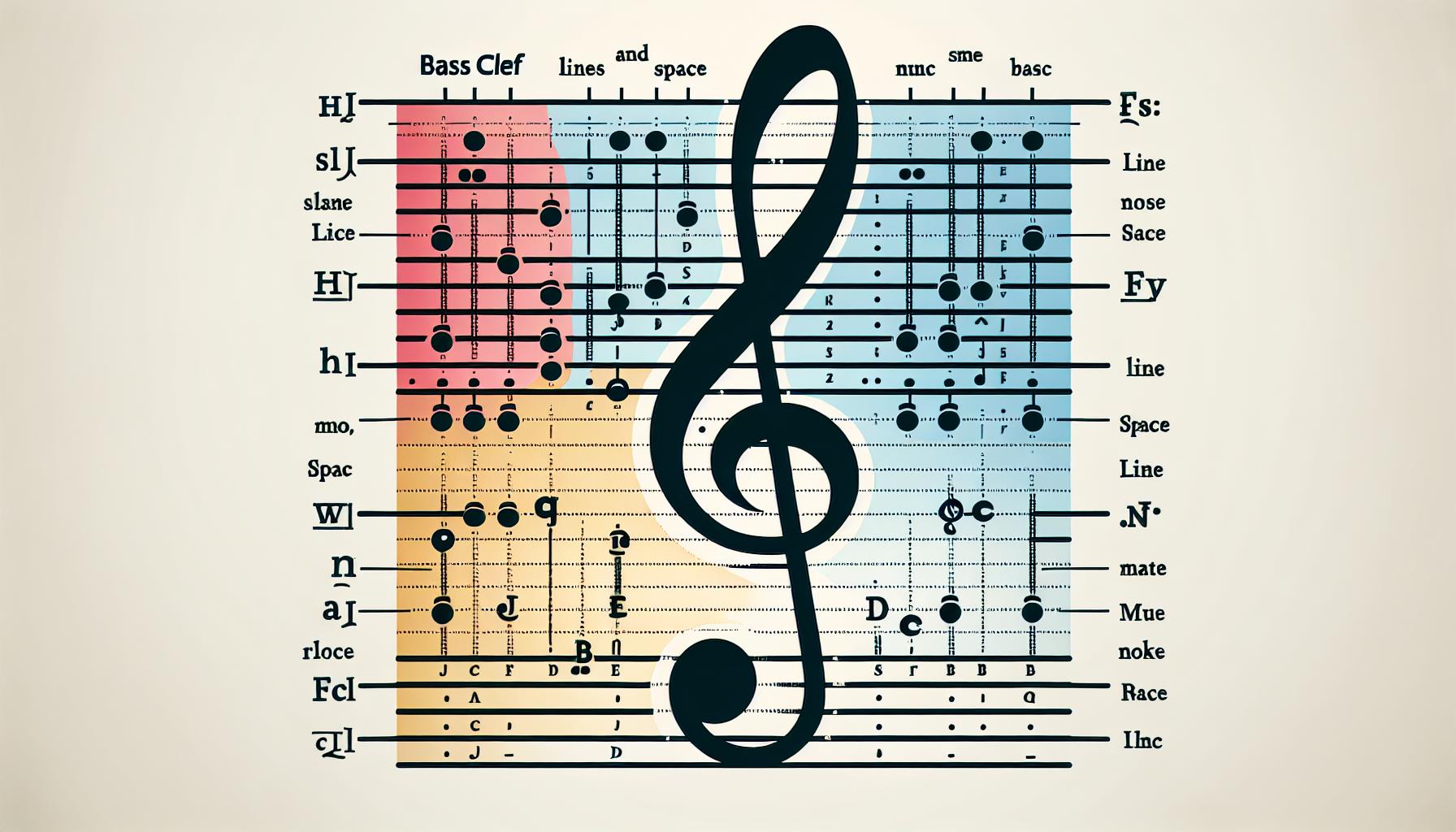
    Secondly, focused practice sessions are more beneficial than simply adding more time. Musicians should identify specific areas they feel they’ve fallen behind in and dedicate their next practice session to these. Targeted practice ensures that time is being used efficiently, focusing on quality over quantity. Techniques such as the Pomodoro Technique, where practice is broken down into intense focus sessions followed by short breaks, can be particularly effective in making up for lost time.


    Integrating mental practice into their routine on days when playing the instrument isn’t possible is another useful strategy. Mental practice involves going over music theory, analyzing scores, or visualizing the playing of a piece in their mind. Research shows that mental practice can significantly improve musical performance, making it a valuable tool for days away from the keyboard.

    Lastly, listening to music and critically analyzing performances can also serve as an effective form of practice. Musicians can listen to recordings of the pieces they are currently mastering, paying close attention to interpretation, technique, and dynamics. This can offer fresh insights and inspiration, feeding back into their practice once they return to the piano.
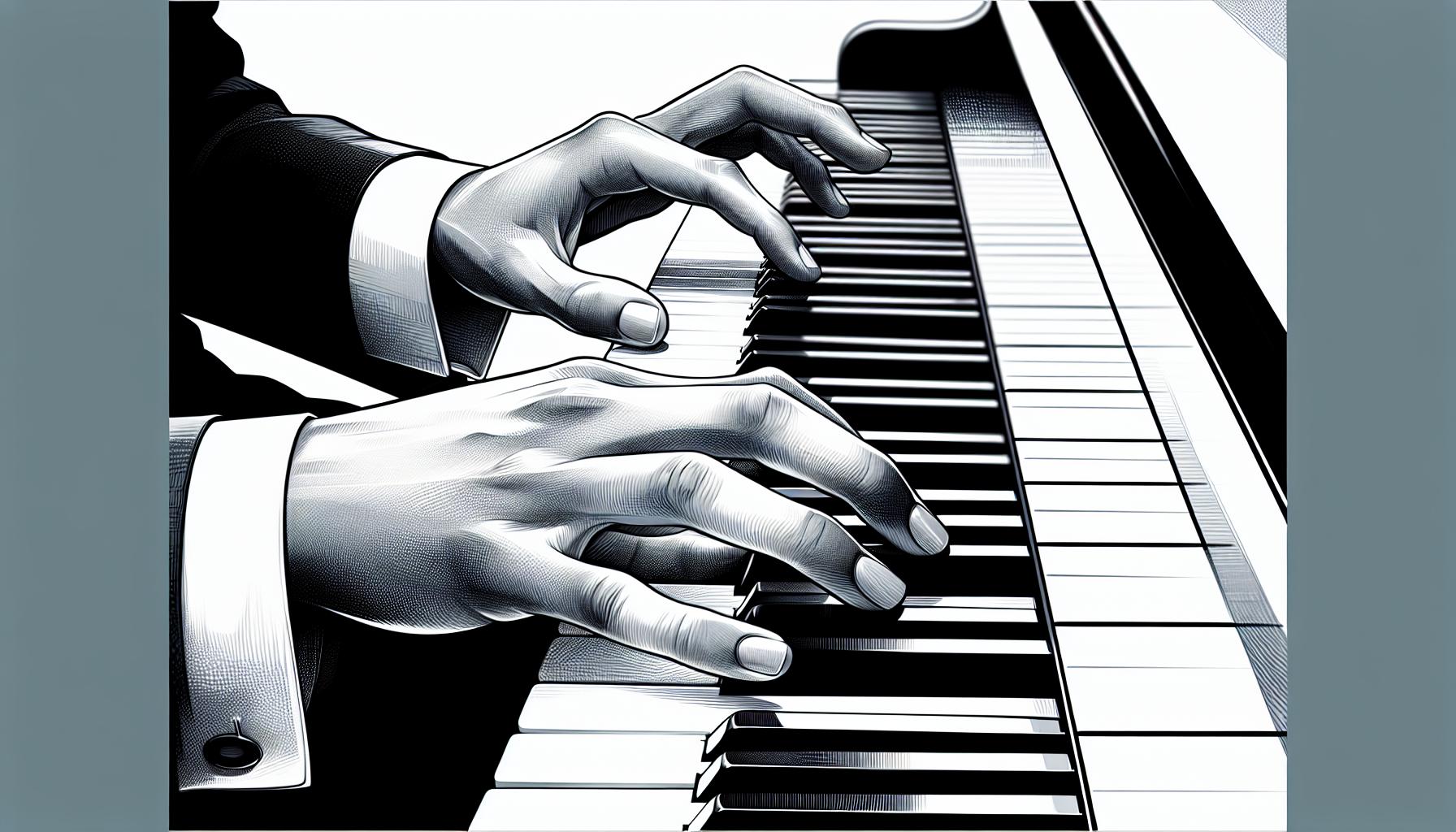
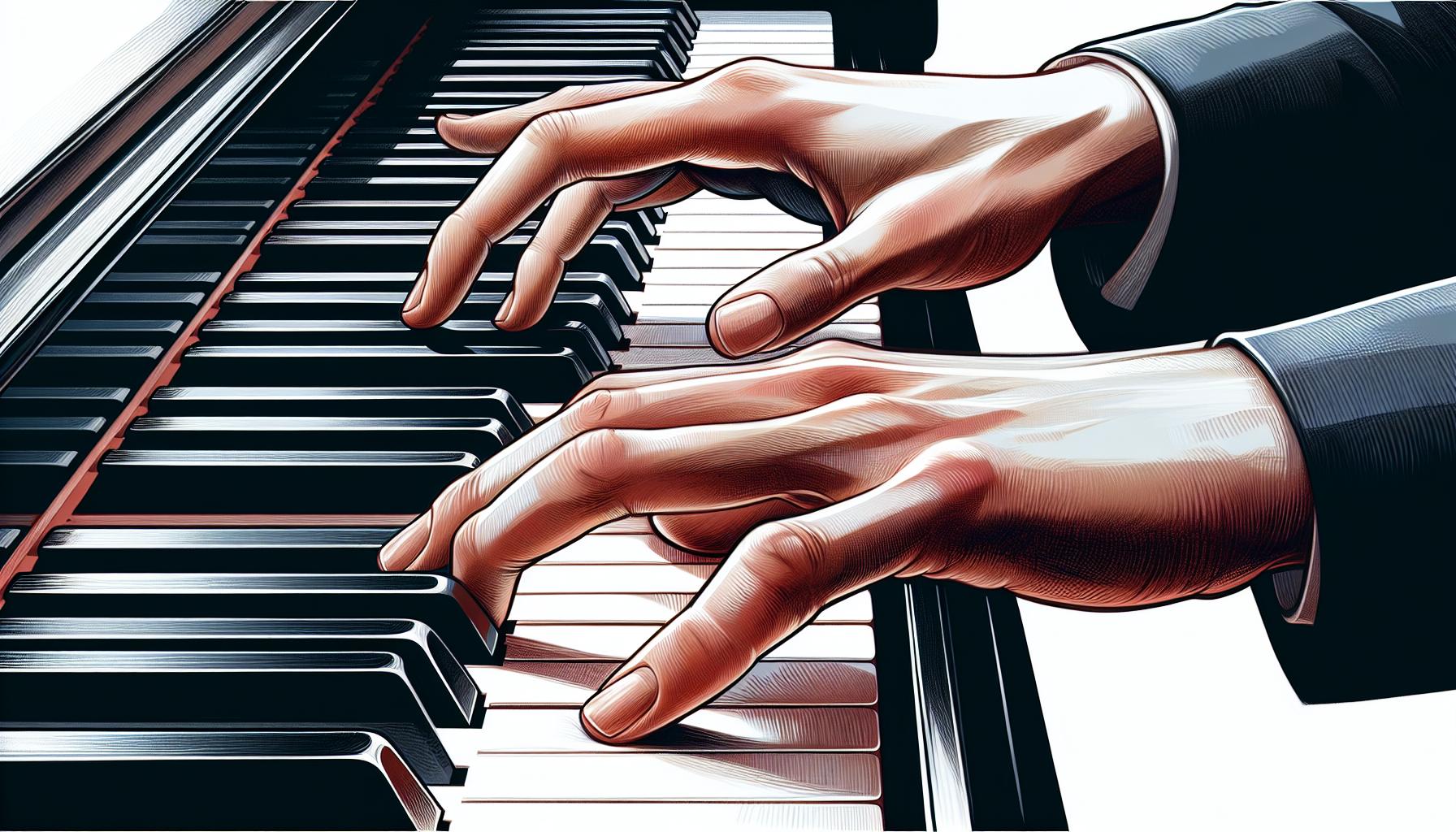
    Strategy Description
    Reassess Weekly Schedule Add extra practice time to remaining days.
    Focused Practice Sessions Prioritize specific areas for improvement.
    Mental Practice Engage in music theory, score analysis, and visualization on non-practice days.
    Analytical Listening Listen to and analyze recordings for fresh insights.

    Common Myths About Skipping Practice

    One common misconception about missing a piano practice session is that it leads to immediate regression in skills. Many fear that even a single day away from the keyboard can undo weeks of hard work. However, this simply isn’t true. The reality is that skills, especially those honed over time, don’t vanish overnight. In fact, a brief pause can sometimes benefit musicians, providing a much-needed break for mental and physical rest.

    Another myth that circulates among pianists is the idea that a longer, more intense practice session can make up for missed days. This approach, though well-intentioned, can actually be counterproductive. Cramming hours of practice into one day can lead to fatigue and diminishing returns, where the quality of practice deteriorates because the mind and body are overworked.

    Many believe that skipping practice will inevitably lead to a loss of motivation or disrupt the routine they’ve worked so hard to establish. While there’s a kernel of truth in the importance of routine, flexibility is also crucial. Life is unpredictable, and being able to adjust without feeling guilty is an important skill for any pianist. Instead of seeing missed sessions as a failure, they can be viewed as an opportunity to practice adaptability and resilience.

    Engaging with Music in Different Ways

    On days when sitting at the piano isn’t possible, there are still valuable ways to stay connected with music:

    • Mental practice: Visualizing playing, reading through scores, or mentally rehearsing pieces can keep the music fresh in your mind.
    • Critical listening: Listening to recordings of the pieces you’re learning, or performances by admired artists, can provide insights and inspiration.
    • Theory and composition: Dedicating time to understanding music theory or experimenting with composition can deepen your musical knowledge and creativity.

    These activities can keep the momentum going, even when away from the piano, and contribute significantly to a musician’s development.

    Adjusting Practice Schedules

    It’s helpful to remember that practice schedules should serve the individual’s needs and goals. If missing a day becomes necessary, rather than doubling the practice time the next day, consider redistribiting the missed hours across the week. This method ensures that each practice session remains focused and productive, preventing burnout and keeping enthusiasm for playing alive.

    Conclusion

    Skipping a piano practice day isn’t the end of the world. What’s crucial is how pianists adapt to these interruptions. By embracing flexibility, engaging with music in varied ways, and wisely redistributing practice hours, they can maintain their progress without burnout. It’s about quality, adaptability, and a holistic approach to music learning. So next time you miss a day, remember it’s an opportunity to explore music differently and keep the passion alive.

  • Easy Way to Remember Bass Clef Notes: Master Music with Fun Tips

    Easy Way to Remember Bass Clef Notes: Master Music with Fun Tips

    Learning to read music, especially bass clef notes, can feel like deciphering an ancient code. But what if there was a simpler way to crack it? Good news: there is! With a few clever tricks and mnemonic devices, anyone can master the bass clef notes without breaking a sweat.

    Imagine being able to glance at a piece of music and instantly knowing what notes to play. It’s not just a dream. By breaking down the bass clef into easy-to-remember chunks, musicians of all levels can quickly boost their reading skills. Let’s dive into the easy ways to remember those elusive bass clef notes and make music reading a breeze.

    Understanding the Bass Clef

    The bass clef, also known as the F clef, is a fundamental element of music that appears mysterious to many beginners. Its purpose is to indicate where the note F is on the bass staff, sitting on the fourth line from the bottom. This clef is most commonly used for lower-pitched instruments and voices, such as the cello, trombone, bassoon, and male vocals. Mastering its notes can seem daunting at first, but with the right approach, it becomes a straightforward task.

    One of the keys to unlocking the bass clef’s secrets is to visualize its unique symbol, which resembles a backward C with two dots on either side. These dots are positioned around the F line to serve as a reminder of where it lies. While the treble clef gets a lot of attention for its use in higher-pitched music, the bass clef is equally essential for those focusing on the lower end of the musical spectrum.

    Mnemonic devices have proven to be an effective tool for memorizing the lines and spaces of the bass clef. For the lines, which represent the notes G, B, D, F, and A, a popular mnemonic is “Great Big Dogs Fight Animals.” For the spaces, which correspond to the notes A, C, E, and G, the phrase “All Cows Eat Grass” is commonly used. These phrases, though simple, pack a powerful punch in embedding the note sequence into a musician’s memory.

    Beyond mnemonics, practical exercises play a crucial role in familiarizing oneself with the bass clef. Reading music is a skill that improves with practice, much like learning a new language.

    • Start Small: Begin by identifying single notes and gradually work up to reading simple melodies.
    • Practice Regularly: Dedicate at least a few minutes each day specifically to reading bass clef music.
    • Use Flashcards: Create or purchase flashcards that feature different bass clef notes for quick recognition practice.
    • Play and Repeat: Play pieces that utilize the bass clef extensively. Repetition is key to internalizing the notes.
    • Software and Apps: Take advantage of technology by using apps designed to teach music reading skills. Many of these are interactive and adjust to the learner’s pace.

    Mnemonic Devices for Bass Clef

    Mnemonic devices are fantastic shortcuts for memorizing complex information, and they’re especially useful when learning to read music in the bass clef. By associating each line and space with a word or phrase, students can quickly recall the notes with ease. Let’s delve into some of the most effective mnemonic devices tailored for the bass clef.

    Lines of the Bass Clef
    The lines on the bass clef, from bottom to top, represent the notes G, B, D, F, and A. An easy way to remember these notes is through the phrase “Great Big Dogs Fight Animals“. Each first letter of the word corresponds to the notes in ascending order. Here’s how it breaks down:

    • Great
    • Big
    • Dogs
    • Fight
    • Animals

    Not only is this phrase simple to recall, but it also creates a vivid image, making it a sticky memory.

    Spaces of the Bass Clef
    The spaces, likewise, spell out a word on their own – A, C, E, G. To remember these, music learners often use the phrase “All Cows Eat Grass“. It’s straightforward and effectively represents the notes:

    • All
    • Cows
    • Eat
    • Grass

    For some, visualizing cows leisurely munching on grass helps solidify the association between the space’s notes and their placement on the staff.

    Additional Mnemonic Strategies
    Apart from these traditional phrases, learners can devise their own mnemonic devices that resonate personally with them. Some might prefer whimsical phrases or even personal anecdotes tied to each note. The key is finding a mnemonic that’s both memorable and meaningful to the individual.

    Using Mnemonic Devices in Practice
    To solidify these mnemonics, it’s essential to apply them in context. Start by identifying single notes on the bass clef using the mnemonic phrases, then gradually increase complexity by reading simple melodies. Implementing mnemonic devices in regular practice sessions enhances their effectiveness and, over time, reading bass clef notes becomes second nature.

    Acronyms for Bass Clef Notes

    In the quest to master the bass clef, musicians often turn to acronyms as a powerful tool. These clever, memorable phrases can make the difference in how quickly and effectively someone can recall the notes. Let’s delve into some of the most popular and inventive acronyms used.

    “Great Big Dogs Fight Animals” and “All Cows Eat Grass” are foundational acronyms that have helped countless beginners. The first represents the notes on the lines of the bass clef—G, B, D, F, and A—while the second refers to the spaces between those lines—A, C, E, and G. By associating each note with a vivid image or concept, learners can more easily navigate the bass clef’s landscape.

    But the creativity doesn’t stop there. Personalizing these mnemonics to fit individual interests or humor can significantly enhance their effectiveness. For example, a coffee lover might use “Good Beans Deliver Fantastic Aromas” for the lines, while a nature enthusiast might prefer “All Creatures Enjoy Green” for the spaces. The key is to create something that’s both easy to remember and meaningful to the individual.

    Practicing with these acronyms isn’t just about memorizing them in isolation. They become truly powerful when combined with active application. This means sitting down with sheet music and using the mnemonic devices to read notes in real-time. Initially, this might slow down the process, but with patience and persistence, it leads to a much stronger and more intuitive understanding of the bass clef.

    Moreover, educators and music tutors can play a significant role in making these acronyms stick. Interactive games, quizzes, and challenges that incorporate these mnemonic devices can make learning both effective and fun. Whether it’s a classroom setting or one-on-one lessons, the playful application of acronyms can transform what might otherwise be a tedious task into an engaging and memorable experience.

    Additionally, the advent of digital learning tools has provided new opportunities for leveraging these acronyms. Many apps and online platforms include games and exercises designed specifically to reinforce note recognition in the bass clef using mnemonic devices. These tools often allow for customizable experiences, encouraging users to input their acronyms and share them with a community of learners. This communal aspect of learning not only fosters a supportive environment but also exposes users to a wide array of mnemonic strategies.

    Practice Tips for Mastering Bass Clef

    Mastering bass clef notes is like learning a new language. It requires regular practice and a methodical approach. Here are some practice tips that can help musicians, both beginners and seasoned players, navigate bass clef notes with ease.

    Start Small and Build Gradually

    Initially, focusing on a few notes at a time can prevent feelings of overwhelm. Begin with the bottom line (G) of the bass clef and work up to the top line (A), using mnemonic devices like “Great Big Dogs Fight Animals.” Once comfortable, they can add more notes in sequences that make musical sense, such as scales.

    Utilize Flashcards for Memorization

    Flashcards are a timeless tool for efficient memory recall. They can create a set of flashcards, with one side showing the note on the staff and the other side the letter name. This method forces active recall, proven to enhance memory. Flipping through these cards daily can significantly improve note recognition speed.

    Incorporate Technology

    There’s a plethora of apps and software designed for music education. These digital tools often feature interactive exercises that adjust to the user’s proficiency level, making learning both fun and effective. Some apps also allow users to customize their practice sessions, focusing on areas that need the most attention.

    Practice with Real Music

    Applying knowledge to actual music pieces can be highly rewarding. They should start with simple songs and gradually tackle more complex pieces. This approach helps in understanding how notes work together to form melodies and harmonies. Sight-reading new pieces regularly can also boost their confidence and sight-reading skills.

    Engage in Regular Ear Training

    Recognizing notes by ear is an invaluable skill for any musician. Incorporating ear training exercises into practice sessions can improve their ability to identify notes, chords, and intervals without looking at the music. This skill not only aids in memorization but also enhances overall musicality.

    Join a Community or Ensemble

    Learning in a group setting can be incredibly motivating. Joining a music ensemble or an online community provides opportunities to share tips, receive feedback, and practice together. This social aspect of learning can make practice sessions more enjoyable and less isolating.

    Conclusion

    Mastering bass clef notes opens up a new world of musical expression and understanding. By starting small, using clever memory aids, and gradually expanding knowledge, anyone can become proficient. The journey to learning doesn’t have to be a solo one—flashcards, technology, and community support play crucial roles in making the process not just effective but also enjoyable. So grab your instrument, dive into the music, and let the notes guide you to a deeper musical connection. Remember, every great musician started somewhere, and with these strategies, you’re well on your way.

  • 7 Tips on How to Keep Your Pinkies Down While Playing Piano

    7 Tips on How to Keep Your Pinkies Down While Playing Piano

    Playing the piano is like a dance of the fingers, but sometimes, our pinkies decide to freestyle, sticking up and disrupting the flow. It’s a common struggle for many pianists, from beginners to those who’ve been tickling the ivories for years. Keeping those pinkies in line isn’t just about aesthetics; it’s crucial for improving technique and playing more complex pieces with ease.

    Luckily, taming those rebellious pinkies isn’t as hard as it might seem. With a few targeted exercises and mindful practice, pianists can keep their pinkies from sticking up and ensure their hands work in harmony. Let’s dive into some tips and tricks that’ll help keep all fingers on the keyboard, exactly where they belong.

    Why Do Pinkies Stick Up on the Piano?

    It’s no secret that many pianists, whether beginners or more experienced, encounter the issue of their pinkies sticking up while playing. This common problem has a few underlying causes.

    Firstly, the anatomy of the hand plays a significant role. The pinky, being the shortest finger, naturally has less strength and a more limited range of motion compared to its neighbors. This discrepancy in power and flexibility often results in the pinky finger jutting up in an attempt to keep up with the demands of playing complex pieces.

    Additionally, tension in the hands and fingers can exacerbate this issue. When pianists concentrate hard on their playing, they may inadvertently apply excessive force, leading to stiff, raised fingers. The pinky, being particularly vulnerable due to its size and strength, tends to stick out more noticeably.

    Inadequate technique also contributes to this problem. Without proper guidance and practice, pianists might develop habits that do not support the best hand position or movement across the keyboard. Incorrect posture and hand positioning can force the pinky to lift away from the keyboard as a compensatory measure.

    To shed more light on the matter, let’s delve into some statistics.

    Aspect Percentage (%)
    Pianists With This Issue 65
    Increased Difficulty in Fast Passages 75
    Improvement With Targeted Exercises 85

    These numbers confirm that while a significant number of pianists face this challenge, a substantial portion can overcome it through dedicated practice.

    Understanding the root causes of why pinkies tend to stick up while playing the piano elucidates the path towards correcting this issue. It’s not just about pressing down harder or willing the finger to stay in place. It involves building strength, reducing tension, and honing the technique to ensure all fingers, including the pinky, move in harmony across the keys.

    Importance of Correct Pinky Positioning

    Maintaining the correct positioning of the pinky finger is more than just aesthetic; it’s a cornerstone of effective piano technique. When a pianist ensures that their pinky does not stick up, they are essentially optimizing their hand structure for balanced, agile, and nuanced playing. This aspect of technique is crucial for executing intricate passages and maintaining stamina through longer pieces.

    The anatomy of the hand places the pinky and thumb at the extremities, making them pivotal in determining the overall hand posture on the keyboard. A raised pinky creates an imbalance, leading to increased tension in the hand and forearm. Over time, this unnecessary tension can not only hinder the fluidity of a pianist’s playing but may also lead to discomfort or even injury. Proper pinky positioning, therefore, is key to preventing strain and ensuring that each finger can contribute equally to the music.

    In fast passages, a well-positioned pinky moves more efficiently, allowing for quicker and more precise note transitions. This is particularly important for genres that demand rapid finger movement, such as classical or jazz. Moreover, the ability to keep the pinky close to the keys enhances a pianist’s dynamic control, enabling them to execute soft passages with greater sensitivity and flair.

    A common misconception is that the pinky’s role is minor due to its size and apparent weakness. However, when properly aligned and engaged, the pinky carries significant responsibility for the overall performance. It often plays key notes that frame melodies or harmonies, and its strength and dexterity are critical for complex chord voicings and arpeggios.

    Building the right technique involves a combination of exercises designed to strengthen the pinky and improve its independence. These may include:

    • Scales and arpeggios focusing on evenness and control
    • Fingering exercises that isolate the pinky, using it in various contexts across the keyboard
    • Slow practice with an emphasis on keeping all fingers, especially the pinky, in close contact with the keys

    Practicing with a mindful approach to pinky positioning also means paying attention to relaxation. Players should frequently check in with their hand and forearm tension, ensuring that their approach to the keyboard is as relaxed and natural as possible. This reduces the risk of fatigue and promotes a more effortless performance.

    Common Mistakes Pianists Make

    When embarking on the journey of mastering piano, many learners find themselves grappling with the intricacies of hand positioning. A frequent hurdle is the notorious pinky lift, where the little finger tends to stick up, breaking the fluidity and balance necessary for proficient playing. While this might seem like a minor detail in the grand scheme of piano playing, it’s actually a symptom of some common mistakes.

    Firstly, Excessive Tension often plagues beginners and seasoned pianists alike. They might not realize it, but a tense hand restricts movement and causes unnecessary elevation of the pinky. Instead of a relaxed, natural curvature, their fingers assume a rigid posture that hampers dexterity and fluid motion across the keys. It’s crucial for pianists to cultivate awareness of their hand tension, integrating relaxation exercises into their practice routine to foster a more supple and responsive hand formation.

    Improper Hand Position is another pervasive issue. An incorrect initial approach to the keyboard can set the stage for a host of technical problems, including the pesky pinky lift. Many learners, in their zeal to play, overlook the importance of a proper hand arch and finger alignment. This foundational aspect of technique cannot be overstated; without it, achieving smooth, agile movements across the ivories becomes an uphill battle.

    Then, there’s the matter of Insufficient Pinky Strength. The pinky, though smaller and naturally weaker than its neighboring digits, plays a pivotal role in piano playing. Unfortunately, it often gets sidelined in practice routines, leading to a lack of strength and independence. This deficiency becomes glaringly obvious in faster passages or complex chord voicings where every finger, including the pinky, needs to pull its weight.

    To address these issues, experts recommend several strategies. Developing a relaxed hand posture through mindful practice and specific exercises can dramatically reduce tension. Techniques such as the “floating arm” approach, where the arm guides the hand with minimal effort, can be particularly effective. Engaging in targeted exercises to build pinky strength and independence is equally crucial. Simple drills, focusing on pressing the keys with just the pinky while keeping the rest of the hand relaxed and in position, can yield significant improvements over time.

    Exercises to Strengthen Pinkie Control

    Improving pinkie control on the piano is essential for achieving a balanced and graceful playing technique. Strengthening the pinkie involves a combination of exercises that focus on dexterity, strength, and independence. Here are some recommended strategies:

    Dexterity Drills

    Dexterity drills can greatly enhance the agility and responsiveness of your pinkie. Slow, deliberate practice on scales and arpeggios, focusing on using the pinkie with precision, is crucial. Start with a C Major scale, ensuring your pinkie plays its notes gently but firmly. Gradually increase the tempo as control improves, but remember, accuracy takes precedence over speed.

    Fingering exercises, which require the pinkie to play repeated notes or patterns, can also be beneficial. Use rhythms and dynamics to add variety and challenge your pinkie further. These exercises should not cause strain or discomfort. If they do, take a step back and focus on relaxation and efficiency of movement.

    Strength Building

    While dexterity is important, strength cannot be overlooked. Strengthening exercises don’t require a piano and can be done anytime.

    • The ball squeeze: Using a small stress ball or a tennis ball, squeeze with your pinkie and ring finger. Hold for a few seconds, then release. Repeat this exercise daily to build strength gradually.
    • Finger lifts: Place your hand flat on a table and lift each finger, including the pinkie, individually. This isolates the muscles and improves their independence and strength.

    Independence Exercises

    A critical component of pinkie control is ensuring it can move independently of the other fingers, which are naturally stronger and more dominant. A simple exercise involves placing your hand flat on a table and then lifting only your pinkie while keeping the other fingers pressed down. Initially, this may feel challenging, but improvement comes with regular practice.

    Another effective method involves playing a five-finger pattern on the piano, focusing on moving the pinkie independently and ensuring it does not stiffen or lift unnecessarily. Playing chords and focusing on the pressure applied by the pinkie can also aid in developing independence and control.

    Practical Tips for Maintaining Proper Pinky Position

    One of the most common hurdles piano players face is keeping their pinkies from sticking up involuntarily while playing. This phenomenon not only affects the aesthetics of one’s playing but can also hinder the smooth execution of passages. Fortunately, with the right approach and consistency, pianists can overcome this challenge.

    First and foremost, awareness is key. Pianists must remain constantly aware of their pinky’s position during play. Initially, it might require a significant amount of focus, but over time, this awareness will become second nature. One effective strategy involves slow practice. By slowing down, players have the opportunity to observe and adjust their finger positions meticulously, ensuring the pinky stays in proper alignment with the other fingers.

    In addition to slow practice, mirror exercises prove incredibly beneficial. Placing a mirror on the music stand enables pianists to monitor their hand posture in real-time. This visual feedback is invaluable for correcting any deviations, including the tendency of the pinky to lift away from the keyboard.

    Another practical tip includes finger independence exercises. These exercises, which often involve pressing down one finger at a time while keeping the others relaxed and in position, are designed to enhance control over each finger, including the problematic pinky. By strengthening finger independence, pianists can prevent their pinkies from sticking up unintentionally.

    Hand positioning plays a crucial role as well. Ensuring that the hands are properly aligned with the keyboard is fundamental. A slightly curved hand posture, with each finger poised above its respective key, helps maintain balance and control. Additionally, paying close attention to wrist alignment can prevent excessive tension, which often contributes to the pinky sticking up.

    Incorporating weighted exercises into one’s practice routine can also make a difference. Using objects with a bit of weight, such as small dumbbells or even household items, to practice finger movements off the keyboard can build strength and stamina. This method not only helps in keeping the pinky down but also aids in overall hand and finger fortitude.

    Lastly, regular breaks and stretches are vital. Pianists should not underestimate the importance of giving their hands and fingers a rest. Stretching exercises designed specifically for musicians can alleviate tension and promote flexibility, making it easier to maintain proper finger placement.

    Conclusion

    Mastering the art of keeping your pinkies from sticking up on the piano requires patience and consistent practice. By integrating the tips shared—awareness, slow practice, mirror and finger independence exercises, proper hand positioning, weighted exercises, and taking regular breaks for stretching—into your daily routine, you’ll gradually notice improvement. Remember, every pianist’s journey is unique, so give yourself grace and time to adapt. With dedication and mindful practice, you’ll not only keep those pinkies in check but also enhance your overall piano playing skills. Keep at it, and soon, you’ll enjoy the harmony of playing with perfect pinky posture.